Get ready stargazers! We're just one week away from the total solar eclipse on Aug. 12, when millions of stargazers will be treated to a spectacular display as the lunar disk passes in front of the sun, blocking its light.
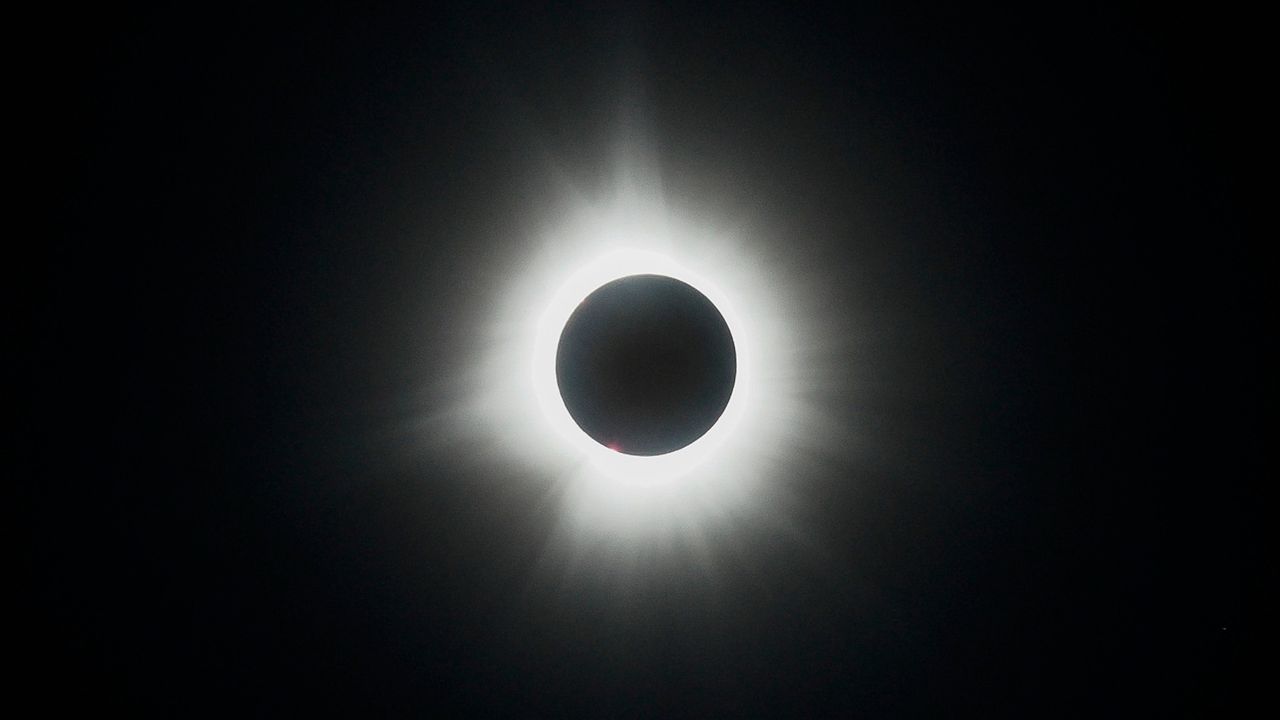
Roughly 15.2 million people spread across Greenland, Iceland, Portugal, Russia and Spain will be in the path of totality during the total solar eclipse 2026, where the moon will completely hide the sun's disk starting at 12:58 p.m. EDT (1658 GMT), according to Time and Date.
A further 980 million people — approximately 12% of Earth's human population — will bear witness to a partial eclipse, as the lunar disk appears to takes a bite out of the sun.
Solar eclipses occur during the monthly new moon phase, when the lunar disk passes directly between the sun and Earth in its slightly lopsided orbit, casting its colossal shadow over a swathe of our planet's surface.
Celestron EclipSmart Power Viewers
These Celestron EclipSmart Power Viewers are a must-have for a solar eclipse. They offer a simple 2x magnification and contain lenses that are ISO 12312-2 certified. Read our full Celestron EclipSmart Power Viewers review.
Viewers in the U.K. and several European countries will see an impressive partial solar eclipse, with around 90% of the sun's surface occulted by the moon as it sinks low on the western horizon. Several northeastern U.S. states, including New York, Maine and Pennsylvania, that sit farther from the path of totality will witness the lunar disk take a small "bite" out of the sun.
You can find out exactly what percentage of the sun will be occulted by the moon using Time and Date's interactive eclipse tracker. Remember, staring directly at the sun during the partial phases of an eclipse can cause permanent vision loss. Be sure to read our guide to safely viewing a solar eclipse, along with our picks of the best solar viewing gear for the 2026 eclipse to ensure that you're ready to enjoy the event.
We will also be bringing you the latest eclipse news and updates from our reporters in the field with our dedicated eclipse live blog. Skywatching Editor Daisy Dobrijevic is on an eclipse expedition to Greenland with HX Expeditions and Skywatching Writer Anthony Wood is heading to Spain shortly to experience the eclipse with NASA's DEB initiative and citizen scientists.
If the eclipse isn't visible from your location, there's no need to worry. You can watch each stage of the total solar eclipse unfold in real time from the comfort of your home. Details of livestreams will be released closer to the time.
Those outside of the path of totality will witness a spectacular partial solar eclipse. (Image credit: Photo by: Edwin Remsberg/VWPics/Universal Images Group via Getty Images)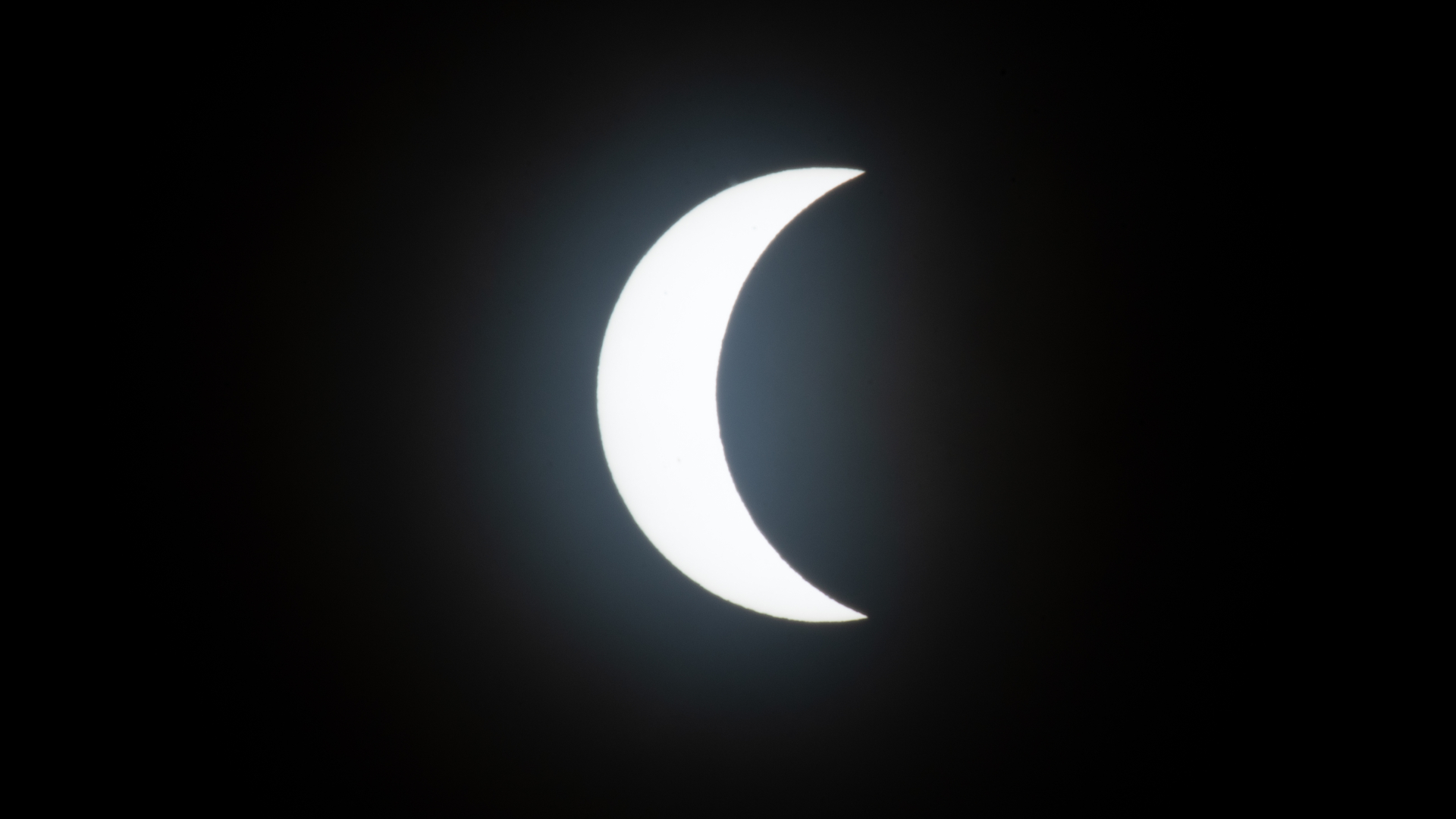
August's umbral show is just the opening act of a "Golden Age" of solar eclipses, which will see three total eclipses and three annular "ring of fire" eclipses sweep across Earth between 2026 to 2028.
Want to upgrade your gear and sharpen your skills? Then be sure to check out our roundups of the best cameras and lenses for astrophotography, along with our expert's guide to photographing a solar eclipse, to ensure that you're ready to capture the next great solar event.
Editor's Note: If you would like to share your solar eclipse photos with Space.com's readers, then please send your photo(s), comments, and your name and location to [email protected].