Elections
A DHS email raises new questions about the Trump administration's election plans September 18, 20265:00 AM ET

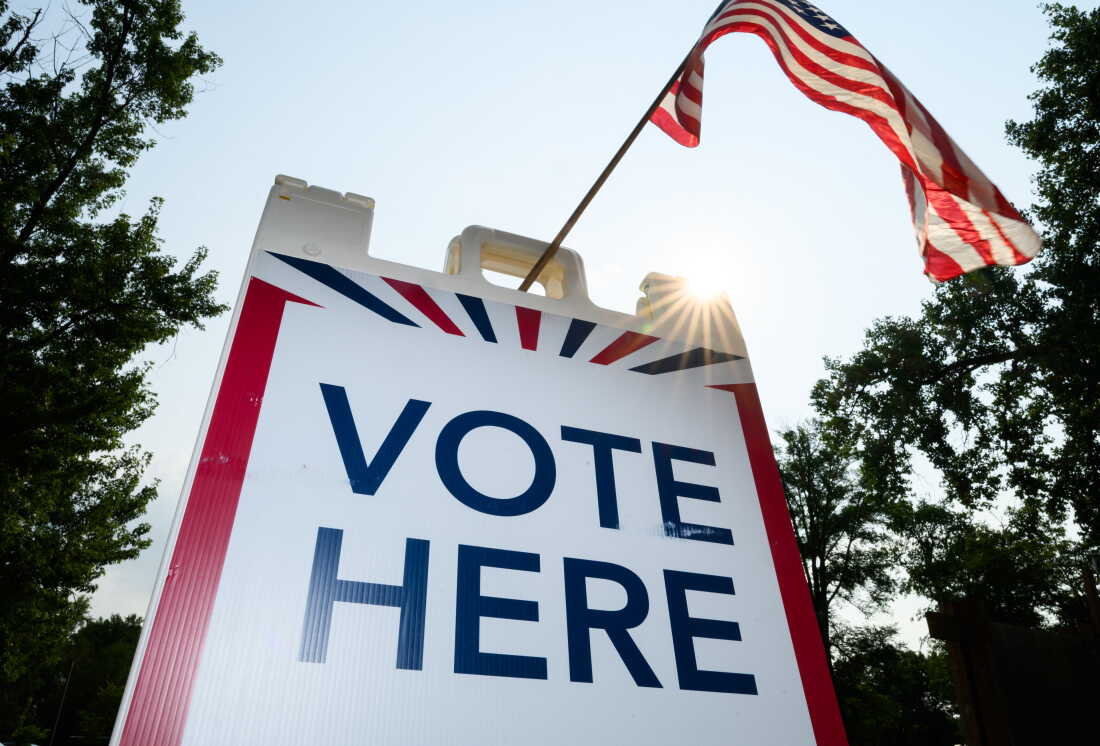
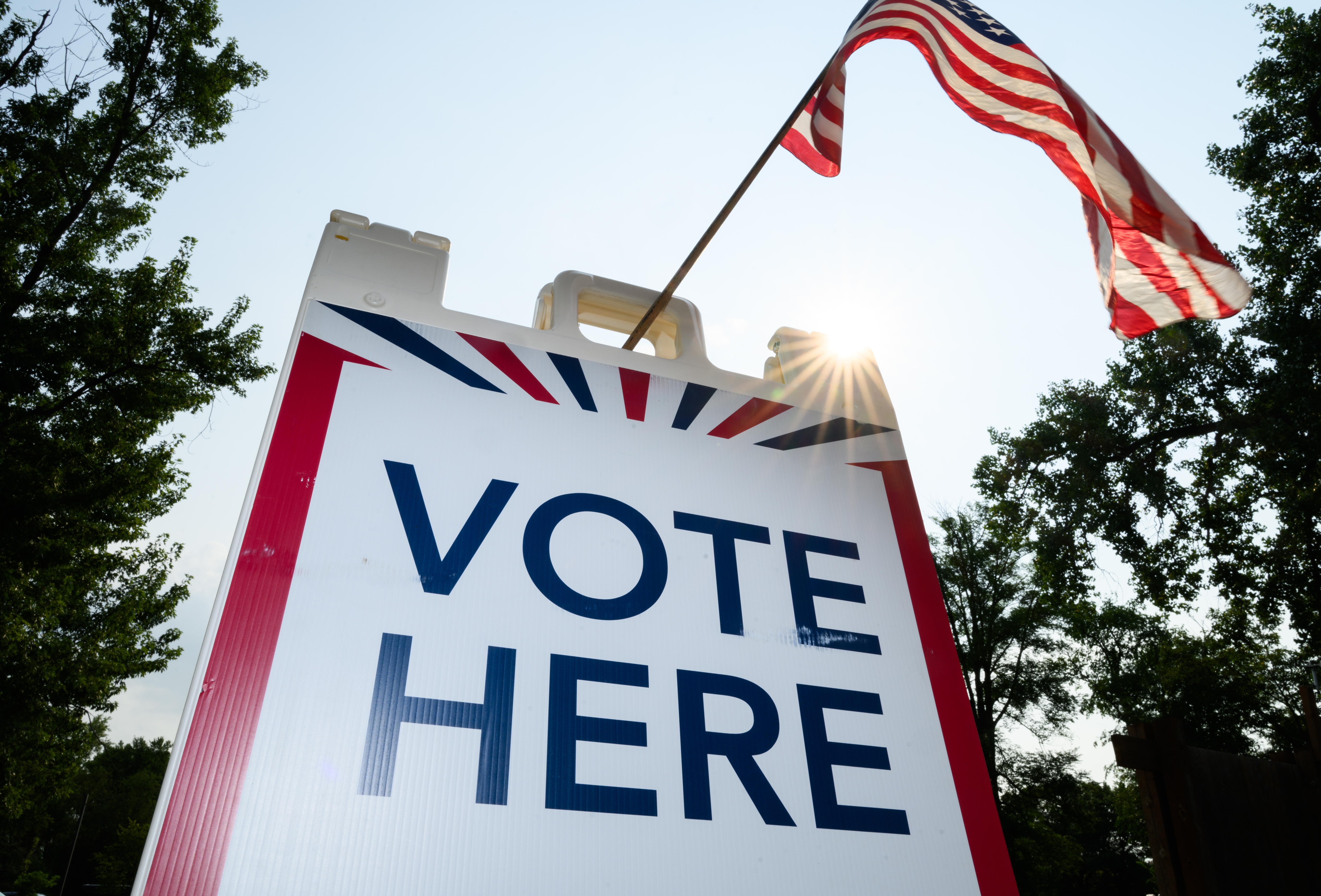
Signage directs voters at a polling place in White Bear Township, Minn., on Aug. 11. Stephen Maturen/Getty Images hide caption
toggle caption Stephen Maturen/Getty ImagesAn internal Department of Homeland Security email raises new questions about the agency's efforts to hunt for non-U.S. citizens who may be on state voter rolls or have cast ballots in the past.
In the email — which was sent last year, but is newly acquired by NPR — DHS personnel shared a 78-page document listing counties and states that offer election materials and ballots in non-English languages. The list of jurisdictions was attached alongside a Department of Justice criminal checklist outlining requirements for prosecution of voter-related charges.
The email was released as part of a tranche of materials after the Democratic National Committee filed suit over a public records request, and was then shared with NPR.
Democrats fear that the Trump administration's efforts to root out noncitizen voters will entangle or intimidate eligible voters and dampen turnout in this year's midterms. DHS has surged resources to investigate noncitizen voting, even as prior audits have found such fraud to be extremely rare.
Elections
Federal agents may have broken state laws in voter fraud hunt, whistleblower claims
Nothing in the document alludes to enforcement activity at the locations mentioned. The email is heavily redacted, so it's unclear why the list of non-English jurisdictions was attached. A court filing by DHS defending its redactions described the email as a "subordinate sharing initial thoughts and opinions with leadership."
When asked by NPR about the document, DHS said in a statement that anyone who votes illegally shouldn't be able to "use a purported lack of knowledge" of English to avoid prosecution.
Fears about the Trump administration's election plans have led civil rights coalitions to sue to stop DHS from deploying federal officers to the polls, which administration officials have at times suggested could happen.
Federal interference at the polls is against the law, but that concern is also what motivated the DNC to seek records from the Trump administration. Last year, it filed Freedom of Information Act requests across the federal government to learn if there were any plans to deploy federal agents or troops to polling places, drop boxes and election offices in the upcoming elections.
The document worries Dan Freeman, the DNC's litigation director and a former DOJ Voting Section attorney, especially when combined with the fact that DHS deemed the email responsive to the FOIA request about potential federal agents at the polls.
"The very simple connection that I logically drew is that they're targeting [these jurisdictions]," said Freeman. "We are hoping to learn more. But right now, the logical inference that I think anyone would make is that they are thinking about prosecution of federal election crimes in jurisdictions where elections are conducted in a language other than English."
DHS said in its statement that it "is not planning operations targeting polling locations."
But administration officials have also inflamed fears about the possibility. Earlier this month, Homeland Security Secretary Markwayne Mullin said Immigration and Customs Enforcement agents could serve warrants at polling places, and in May, President Trump said he would do "anything necessary" to make sure the U.S. has "honest" elections, when he was asked directly about the possibility of agents at the polls.
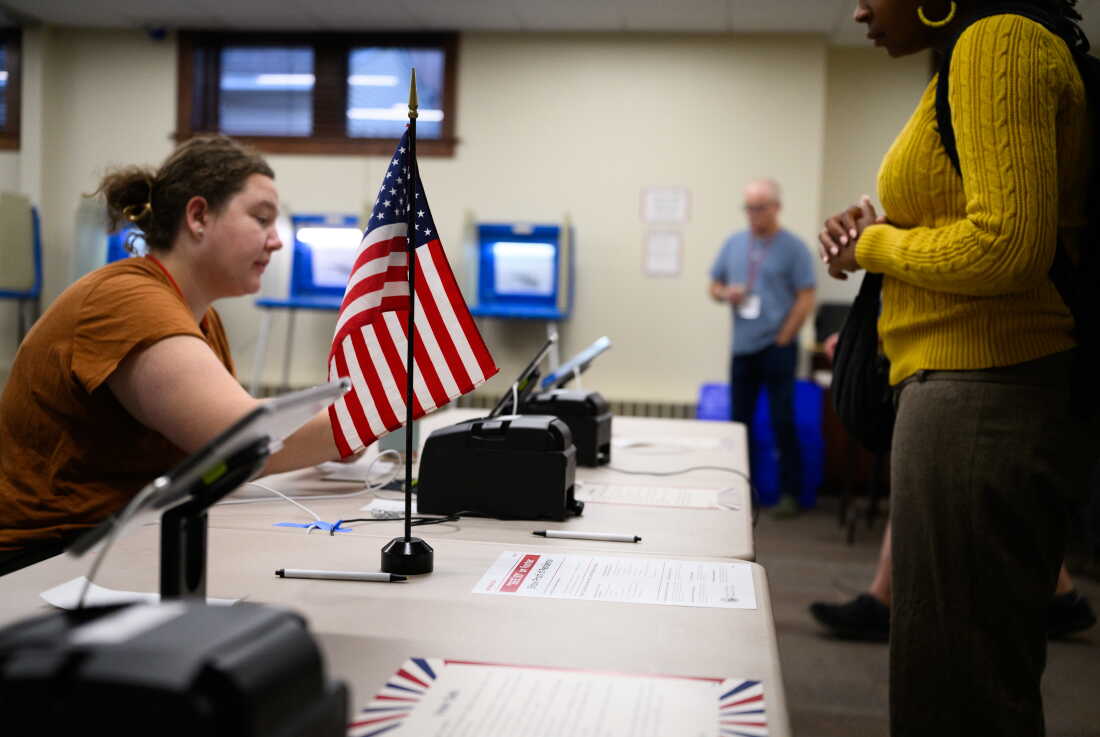
A voter checks in at a polling place in White Bear Township, Minn., on Aug. 11. Stephen Maturen/Getty Images hide caption
toggle caption Stephen Maturen/Getty ImagesIt's unclear who compiled the list of multilingual voting jurisdictions, but it was shared as part of an email dated Dec. 19 from a DHS border policy acting director, whose name is redacted, to Rob Law, the undersecretary for strategy, policy and plans. Other DHS officials from that office were included on the email, as well as Heather Honey, who is leading the administration's efforts to root out noncitizen voting.
In areas where more than 5% of voting-age citizens primarily speak a language other than English, the Voting Rights Act requires election officials to provide materials in that language. That information is public, and the document encompassed those jurisdictions as well as some state and local policies as well.
Much of the tranche of materials released to the DNC is redacted. The DNC is still litigating to get more records from the federal government.
But it's clear the rhetoric around possible administration plans is already impacting voters too.
Roughly 40% of voters now think it's likely ICE agents will be present at voting locations in their area, according to new polling released this week from the University of California San Diego. That includes roughly a third or more of Democrats, Republicans and independents.
The survey also found voters of color were significantly more likely than white voters to say they feared voting could put them at risk of being questioned by immigration authorities despite being U.S. citizens.
Voting officials worry that could impact turnout even if no enforcement efforts materialize.
"What they're trying to do is put it out there to discourage people from voting, to create an atmosphere of fear, and it creates a chilling effect on the democratic process," said Paul López, the top voting official in Denver and a plaintiff in a lawsuit looking to prevent federal agents from the polls.
Denver is one of many jurisdictions also mentioned in the DHS document as a place that offers multilingual election materials. Close to a third of the city's population is Hispanic or Latino, according to census data.
But when López was told by NPR about the document's existence and Denver's inclusion in it, he said he wasn't concerned, because federal law is on his side.
"It is illegal for folks to be targeted on the basis of their language," López said. "My message to voters is, 'Don't let these thugs scare you. Don't let them intimidate you. You're not going to be bullied and we're not going to be intimidated.'
"Democracy will happen."
NPR does not offer or accept money for coverage or interviews. Anyone who makes such an offer or request is not an NPR employee and does not represent NPR.


