Astronomers have solved the mystery of an extrasolar planet, or exoplanet, that "disappeared" after seven years of observations. New research suggests that the planet hasn't vanished at all, but has been dragged off its orbit by an unseen planet.
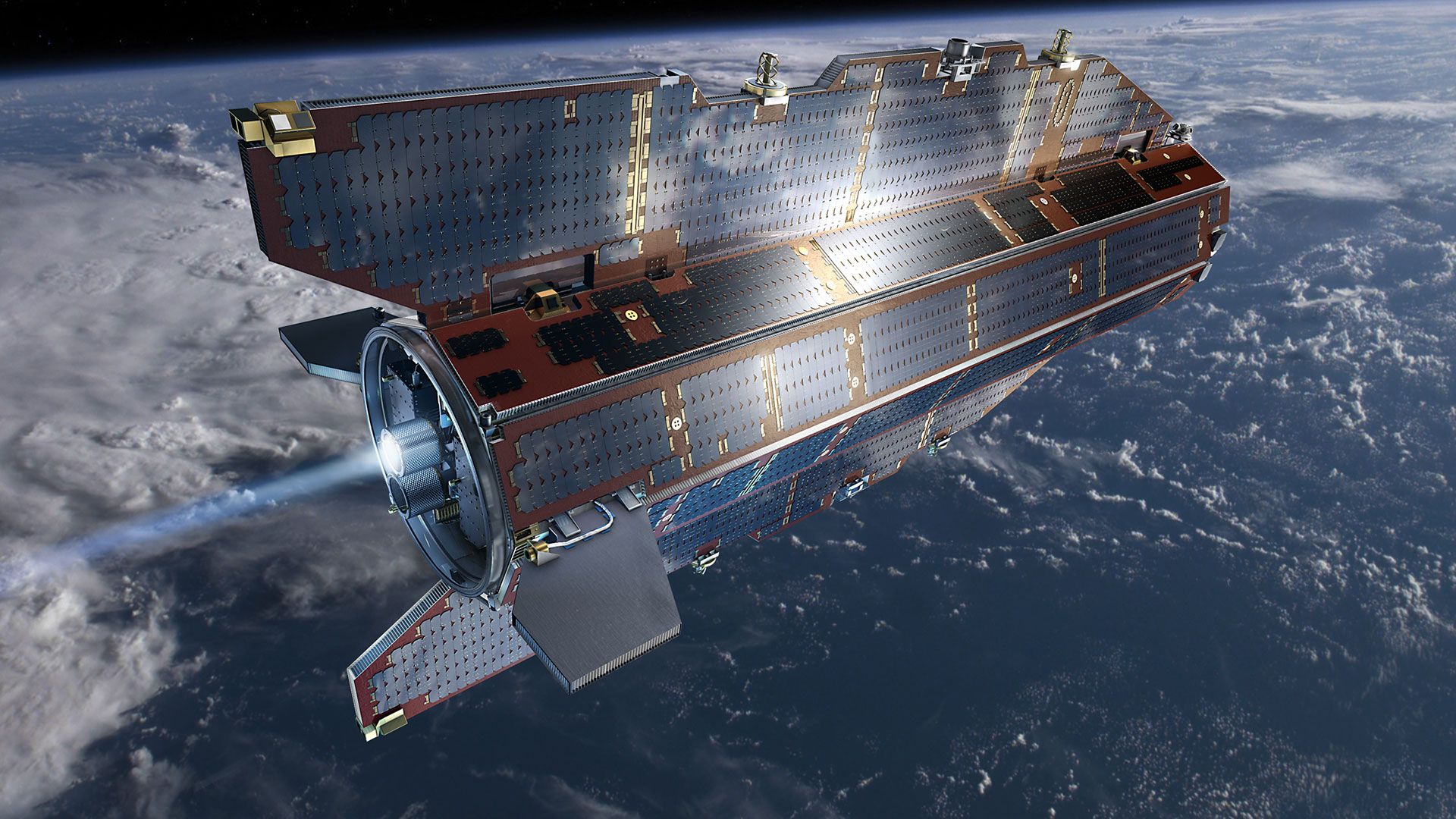
The exoplanet, designated TOI-2535 b, is located around 1,000 light-years away. TOI-2535 b was routinely observed with NASA's Transiting Exoplanet Survey Satellite (TESS) space telescope for seven years between April 2019 and March 2026 as it completed its 8.25-Earth day orbit of its parent star. That's 10 times quicker than the orbit of Mercury around the sun and means this blisteringly hot planet is classed as a "hot Jupiter."
However, something strange happened started to happen as astronomers observed the distant world. The orbits of the planet weren't regular like those of other planets, with TOI-2535 b often arriving six hours early or six hours later than when astronomers expected. Then, in March this year, TESS was no longer spotting the characteristic drops in starlight that TOI-2535 b caused as it crossed, or "transited," the face of its parent star. It seemed to have vanished.
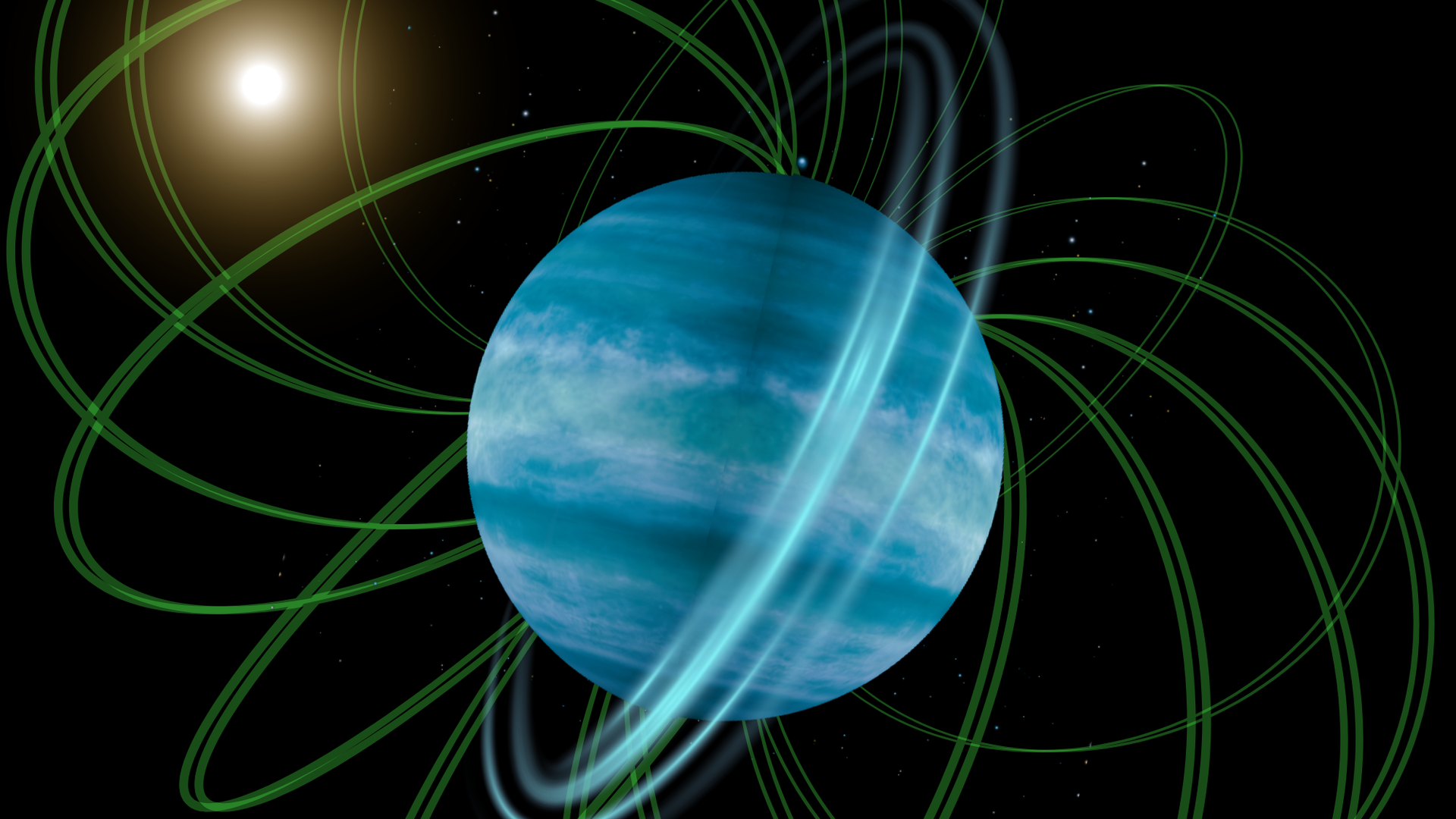
This team used TESS data to determine that TOI-2535 b is being pulled on by an unseen neighbor and is, in turn, pulling on that planet as well. This is causing the orbits of both worlds in the TOI-2535 system to "wobble." TOI-2535 b disappeared when that wobble tilted it out of alignment with its star.
"We think of the universe as resembling clockwork, where everything is regular, but that's not true. If there are multiple planets in a system, they can affect each other's orbits. We know of a few systems that are like this," team member Samuel Yee of the University of California, Los Angeles, said in a statement. "This is the most extreme example we've seen because the two planets are interacting so strongly. The planet's orbit is tilting so quickly that its transit disappeared while we were watching."
TOI-2535 b isn't expected to transit its parent star for at least 30 years, but the hidden neighbor tugging on it may cross the face of the star sooner than that.
In the meantime, scientists will attempt to decode what this extreme wobbling exoplanet system says about how it formed.
Hot Jupiters should be cool customers
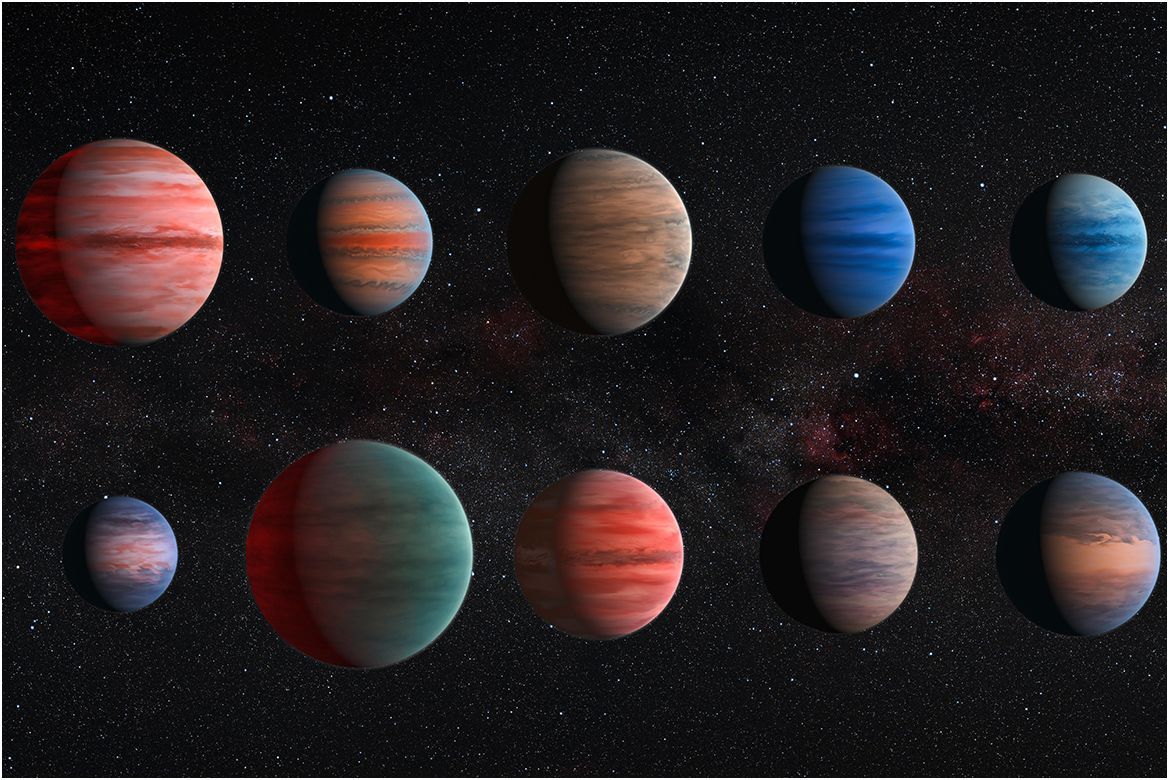
There is currently a lot of speculation about how hot Jupiter planets like TOI-2535 b form. That is because current routes of planet formation suggest planets like this would need to form around a great deal of ice. Obviously, ice isn't likely to be abundant as close to a star as TOI-2535 b is currently.
This means that hot Jupiters likely form far from their stars and then migrate inwards. There are two ways that this could happen. The planet could be excited into an elliptical orbit by violent events like a near-collision with another planetary object, and then interactions with the star pull the planet inwards.
Alternatively, the hot Jupiter may be pulled inwards along with the other planets while sitting in a flattened cloud of gas and dust around the infant star called a protoplanetary disk.
If this second, less turbulent route occurs to bring hot Jupiters close to their stars, then the resultant system should be very flat. In other words, there shouldn't be extreme tilts between the orbits of the planets in that system.
However, the tilt caused to TOI-2535 b by its unseen companion indicates that flattened systems can be twisted by more tilted orbits later in their existence. This makes the slower migration possible despite the orbital tilt.
"Because TOI-2535 b has a close neighbor, it probably migrated by slowly spiraling in instead of getting flung in," Yee said. "We may be seeing a formation channel that doesn’t happen very often but is very interesting."
The team's research was published on Monday (Nov. 9) in the Astrophysical Journal Letters.