 (Image credit: Private Division & NASA/Joel Kowsky) Share this article 0 Join the conversation Follow us Add us as a preferred source on Google Newsletter Get the Space.com Newsletter
 Breaking space news, the latest updates on rocket launches, skywatching events and more!
Contact me with news and offers from other Future brands Receive email from us on behalf of our trusted partners or sponsors By submitting your information you agree to the Terms & Conditions and Privacy Policy and are aged 16 or over.You are now subscribed
Your newsletter sign-up was successful
Want to add more newsletters?
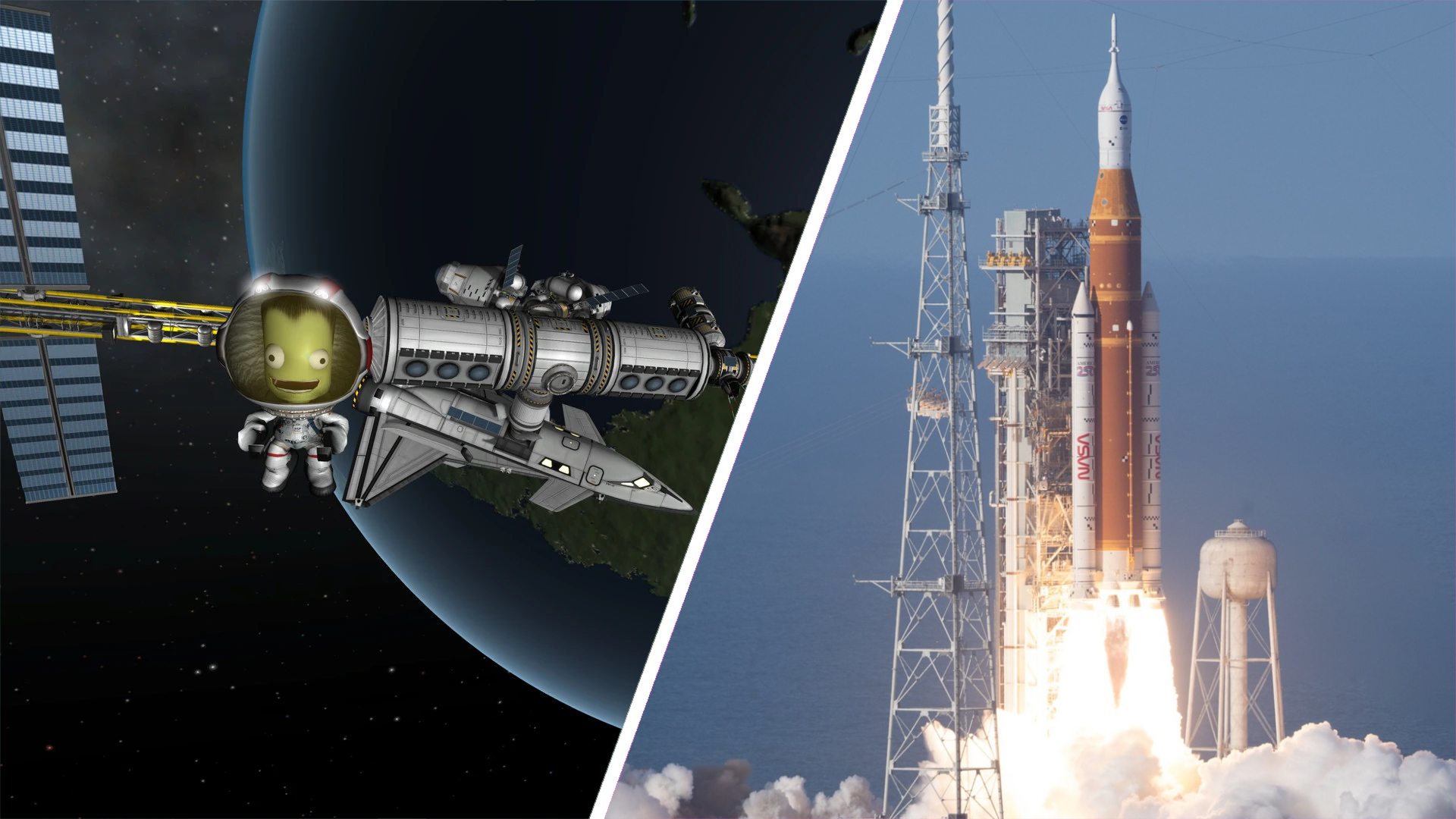
An account already exists for this email address, please log in. Subscribe to our newsletterArtemis II has launched, sending a crew of four astronauts on a mission to circle the moon and back to Earth, the first step toward planned lunar landings and eventual habitation on the lunar surface. The mission will take the crew of the Orion spacecraft farther from Earth than any manned mission in human history and will mark the first time humans have traveled beyond low-Earth orbit since the Apollo program.
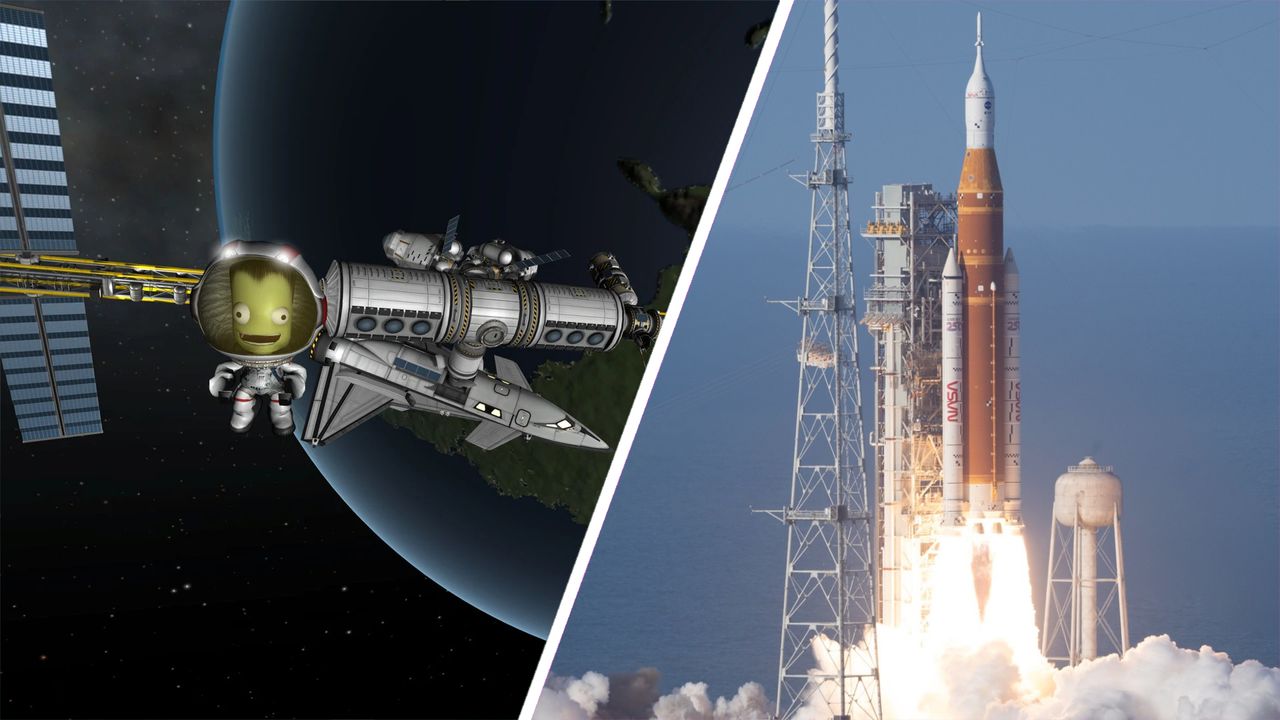
Perhaps not surprisingly, the launch has had some digital echoes, not least of which is a massive spike in interest in "Kerbal Space Program". The game, which allows for highly realistic simulations of manned (or Kerballed) missions to space (including lunar landings), has seen its second-highest number of concurrent Steam players ever, only beaten by its full launch way back in 2015.
Numbers began to skyrocket around the time of the Artemis II launch on April 1st, peaking at around 12,434 at time of writing— a huge jump against the game's standard average player count, which hovers around 3,000 to 4,000. The significantly less popular sequel, Kerbal Space Program 2, also saw a modest bump, though only up to 370 concurrents from a prior high of about 118 players a month earlier.
Article continues below 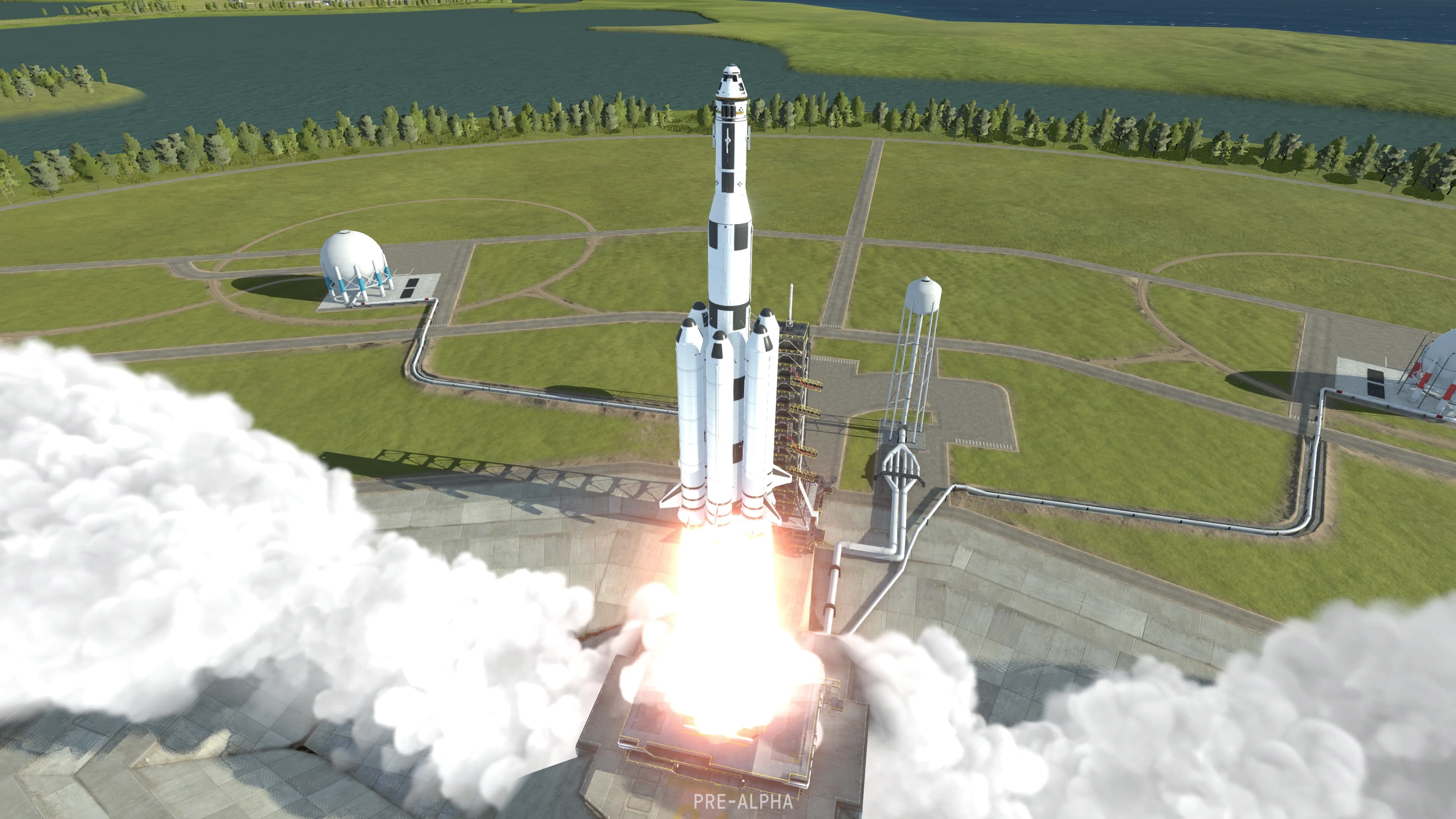
Kerbal Space Program (and KSP 2) is one of the most accessible ways to conduct your own proper space launch, with realistic orbital mechanics and requirements for staging and mission planning. It seems the sheer complexity of Artemis's human‑lunar return mission is inspiring players who want to experience concepts like trans‑lunar injection, landing stages, and orbital rendezvous.
While Kerbal incorporates a lot of advanced concepts that real-world astronauts actually grapple with, it's also delivered in a goofy, approachable shell (the eponymous Kerbals are closer to Minions than real people) that's been key to luring in newcomers.
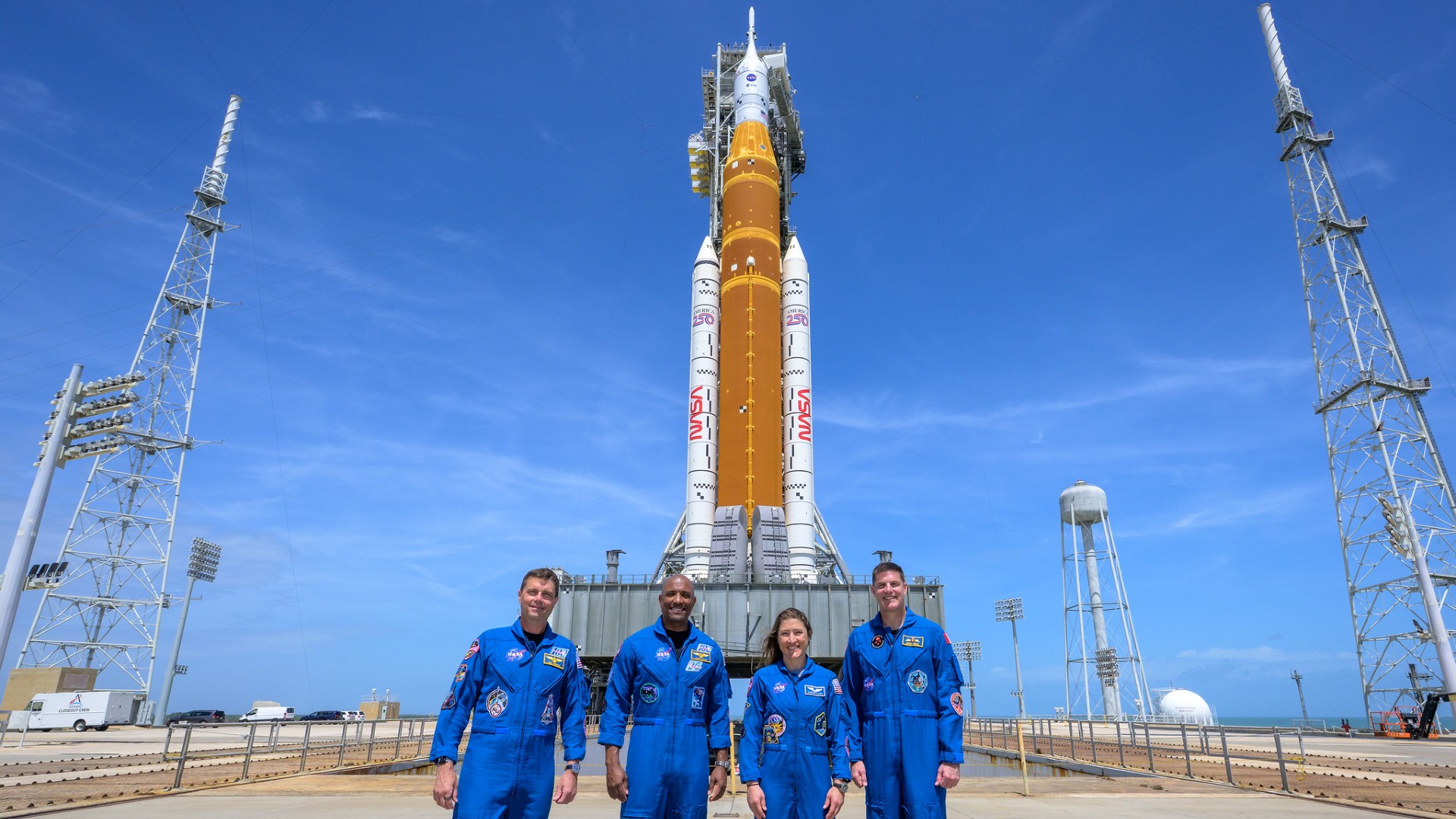
KSP also does an excellent job of tutorializing all the various steps and considerations that go into constructing a spaceworthy rocket. While the game lets players learn through incremental trial and error, our coverage of Artemis II breaks down how NASA sent humans swooping around the moon, and how the agency plans to eventually settle the lunar surface.
Humanity's return to our closest neighbor has clearly captured our collective imaginations, from civilians and gamers to NASA scientists themselves. Don't be surprised if we continue to see upticks in interest around games like KSP, space flight sims, and space settlement games in the coming months and years, particularly ahead of Artemis III and IV, which plan to develop, test, and finally deploy a lunar lander to the moon's surface.
Get the Space.com NewsletterContact me with news and offers from other Future brandsReceive email from us on behalf of our trusted partners or sponsorsKerbal Space Program is available on PC via Steam, MacOS, Linux, PS5, Xbox Series X/S, PS4, and Xbox One.
 Alan BradleyFreelance writer
Alan Bradley is an experienced tech and culture writer with more than 20 years covering gaming, tech, and hardware. His work has appeared in Rolling Stone, U.S. News & World Report, PCMag, TechRadar, GamesRadar+, CNET, Live Science, Variety, and many other outlets.
View MoreYou must confirm your public display name before commenting
Please logout and then login again, you will then be prompted to enter your display name.
Logout MORE FROM SPACE...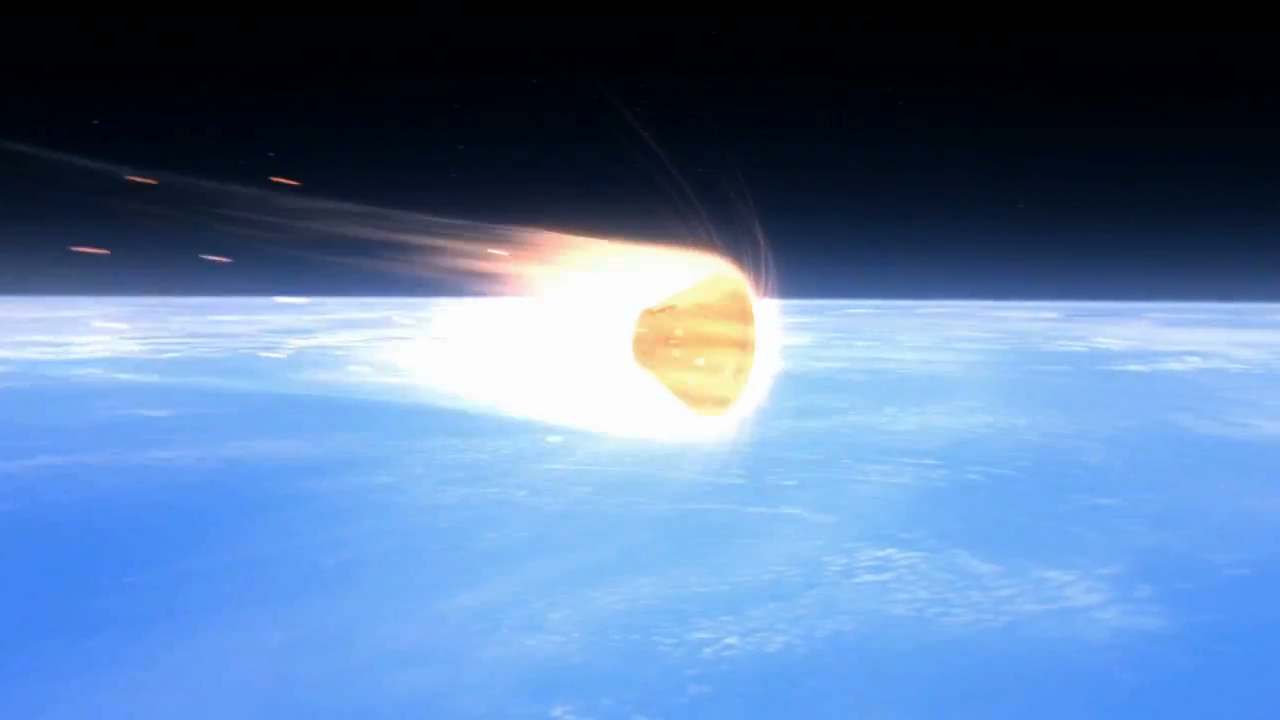 1All eyes on Orion’s heat shield: Artemis 2 astronauts will hit Earth's atmosphere at nearly 24,000 mph on April 10
- 2May full moon 2026: When, where and how to see the Flower Moon
- 3Large Hadron Collider gives scientists their best look yet at conditions right after the Big Bang
- 4'The Expanse: Osiris Reborn' has lots of 'Mass Effect' DNA, but its developers are teasing a far more grounded sci-fi RPG
- 5'Audible screams of delight' from NASA scientists over micrometeorite impacts on the moon witnessed by Artemis 2 astronauts