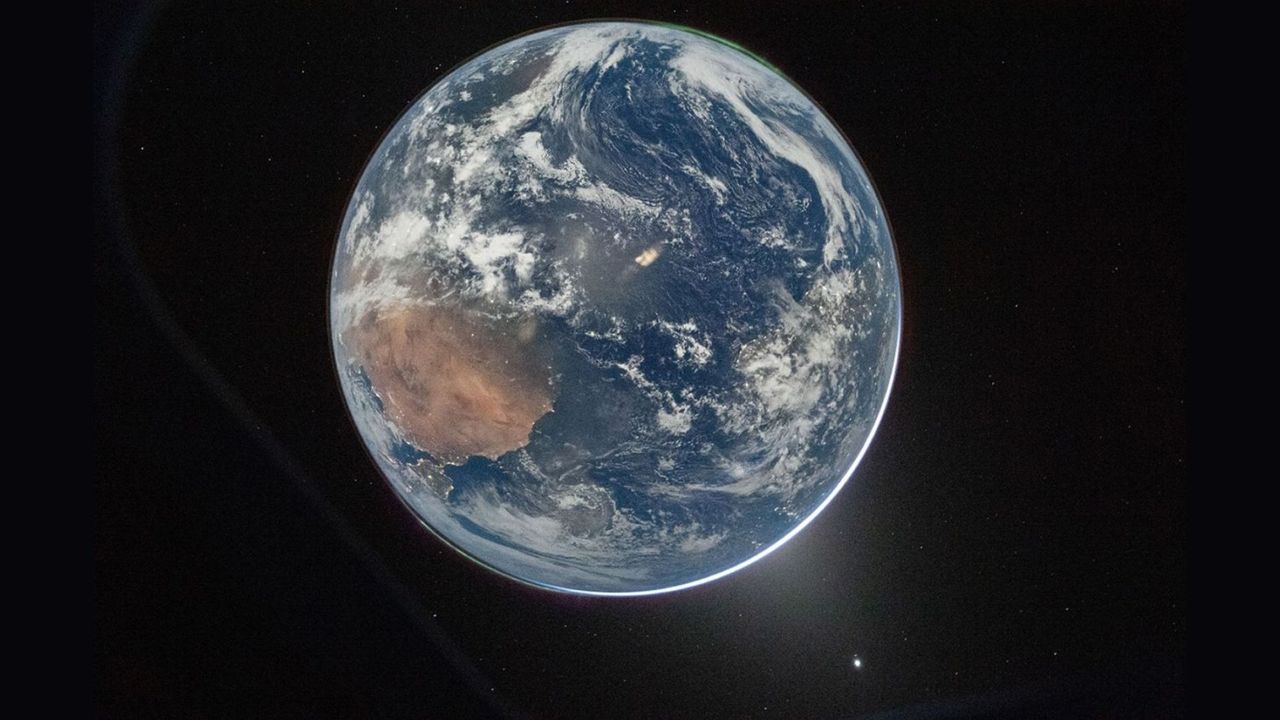
Earth as seen by the departing crew of Artemis II on April 2, 2026. (Image credit: Reid Wiseman/NASA)
Share this article Join the conversation
Follow us Add us as a preferred source on Google Newsletter Subscribe to our newsletter Quick Facts
What it is: A moonlit Earth.
Where it is: Image taken from Earth orbit.
When it was shared: June 4, 2026.
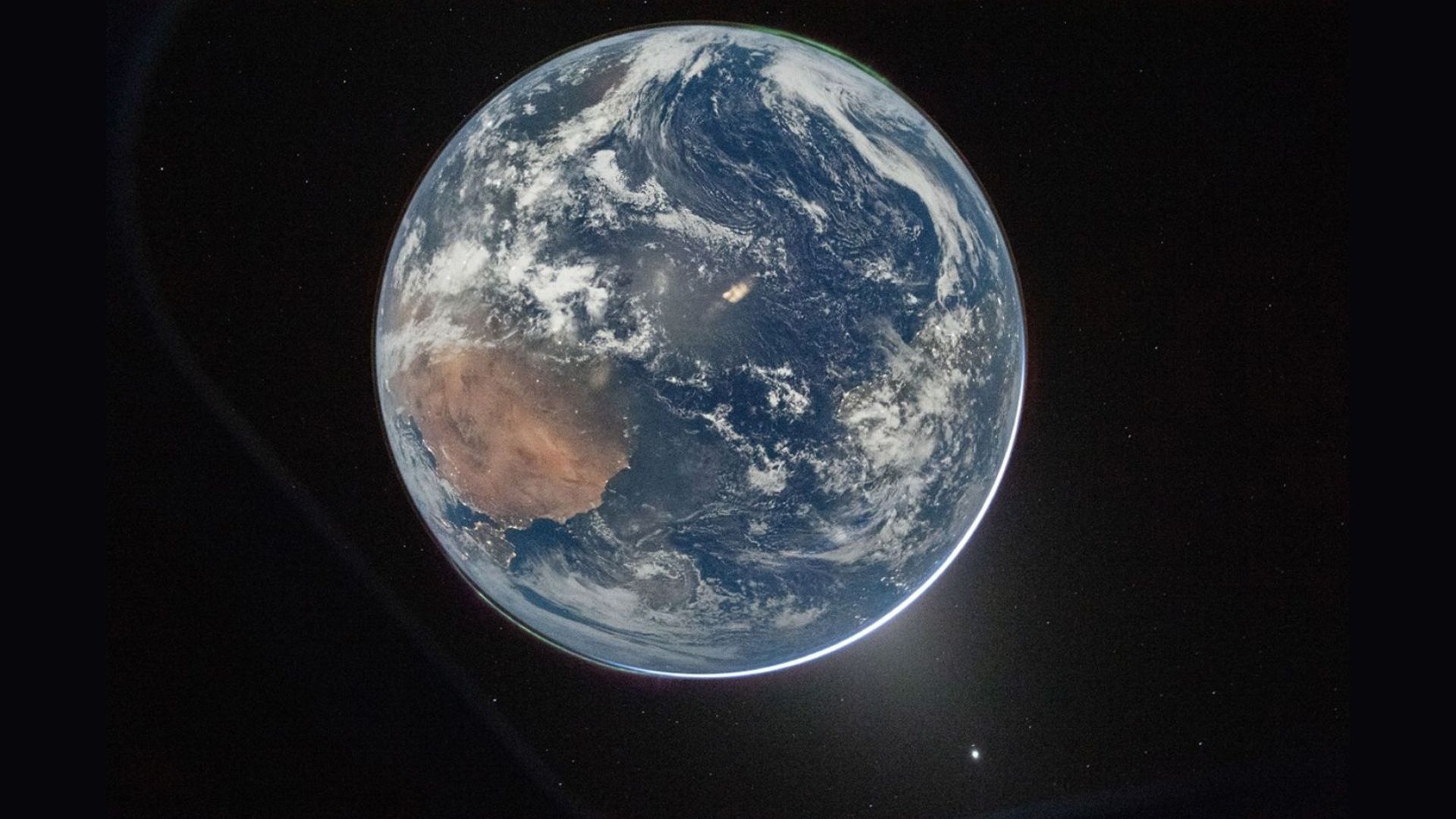
When NASA astronaut Reid Wiseman pointed his camera back at Earth — just as the Artemis II crew's Orion spacecraft departed for the moon on April 2 — he captured what looks, to the untrained eye, like a regular “Blue Marble” image. But look closer, and you will see a series of hidden details that make this one of the mission's most unique and poignant images.
When Wiseman took this photograph (with a Nikon D5 camera), he and his record-breaking crew were on the night side of Earth. Yet it looks very much like daytime, because the globe was lit by bright light from the Pink Moon, which had turned full on April 1 — the day before Artemis II launched from Florida's Kennedy Space Center.
What Wiseman's camera captured was sunlight reflected by the moon onto Earth, a subtle light he could only capture by maximizing his camera's sensitivity. Look at the originals, archived on the Gateway to Astronaut Photography of Earth, and you can see what this view looked like to the naked eye.
Being illuminated largely by moonlight allowed nighttime features to stand out in unusual detail. Look carefully, and you’ll see city lights. From the astronauts' position above the mid-Atlantic, urban lights can be seen in parts of Spain, Portugal, northern Africa, sub-Saharan Africa and Brazil.
But it’s not just the cities that are aglow. Because this global image includes both the North and South Poles, Wiseman managed to capture an extremely rare display of simultaneous auroras on opposite sides of the Earth. Look at the top left and bottom right segments of the planet, and you’ll spot rival bands of green — the northern and southern lights, generated as charged particles of solar wind race along magnetic field lines and collide with molecules in Earth’s atmosphere.
You can also see a sliver of sunlight shining through Earth's atmosphere on the bottom-right limb of our planet; evidence that it’s one day past full moon. In another, otherwise identical image taken with a faster shutter speed, the illuminated atmosphere appears only as a slim blue crescent.
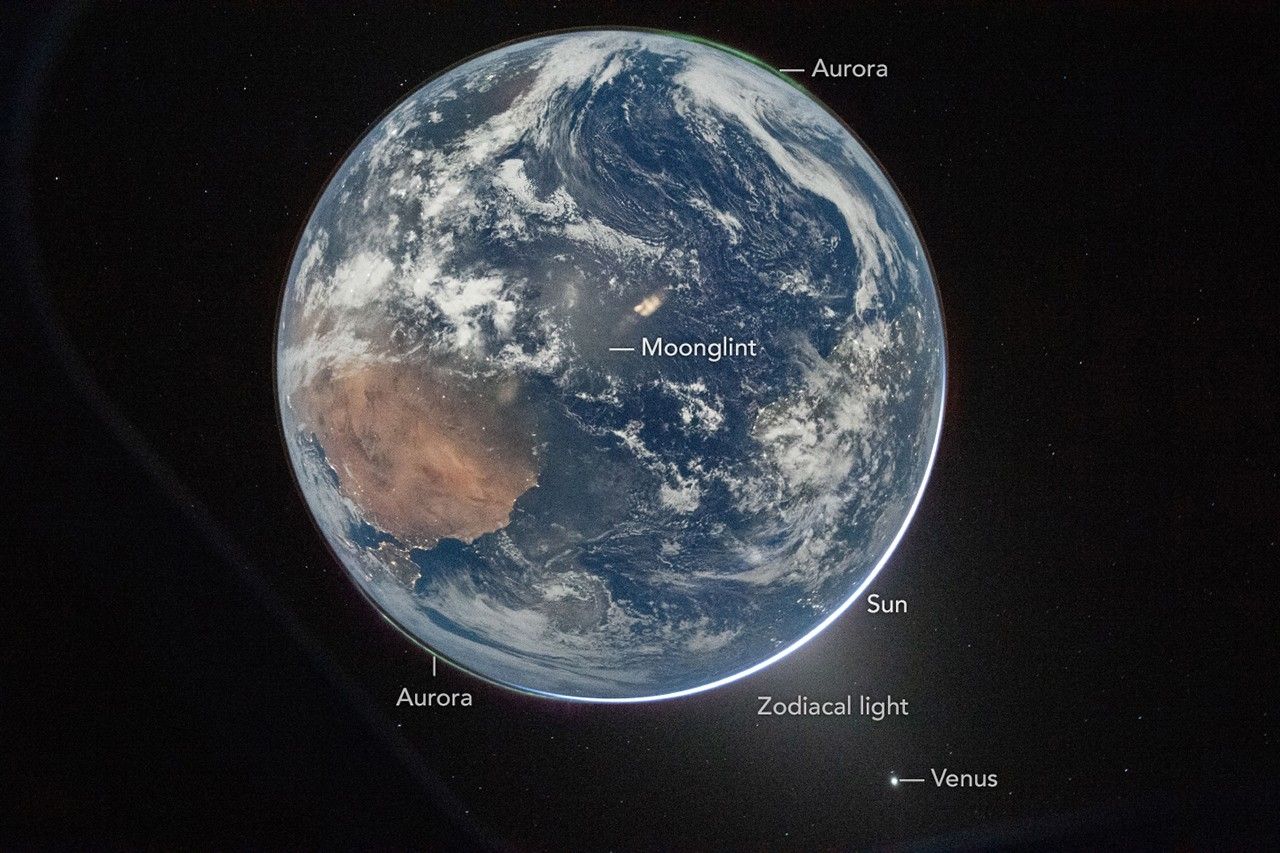
An annotated version of Wiseman’s image, showing the cavalcade of cosmic phenomena at play.
(Image credit: Reid Wiseman/NASA)
Beyond that crescent is a bright fuzzy patch of zodiacal light, a faint glow caused by sunlight scattering off interplanetary dust. It’s sometimes called “false dawn” and “false dusk” when it’s seen near the horizon in very dark locations on Earth (typically during twilight close to the equinoxes). Beyond that bright patch, in the bottom-right corner, shines the planet Venus.
Sign up for the Live Science daily newsletter now
Get the world’s most fascinating discoveries delivered straight to your inbox.
Contact me with news and offers from other Future brandsReceive email from us on behalf of our trusted partners or sponsors
The image of Earth in the foreground, auroras at the poles, sunlight bending through the atmosphere, glowing cosmic dust and Venus make this shot feel like a family portrait of the inner solar system.
In a single frame, Wiseman turns Earth from a familiar “Blue Marble” into something rarer: a moonlit, solar-charged, living planet seen in its true cosmic setting.
 'Human minds should not go through this'
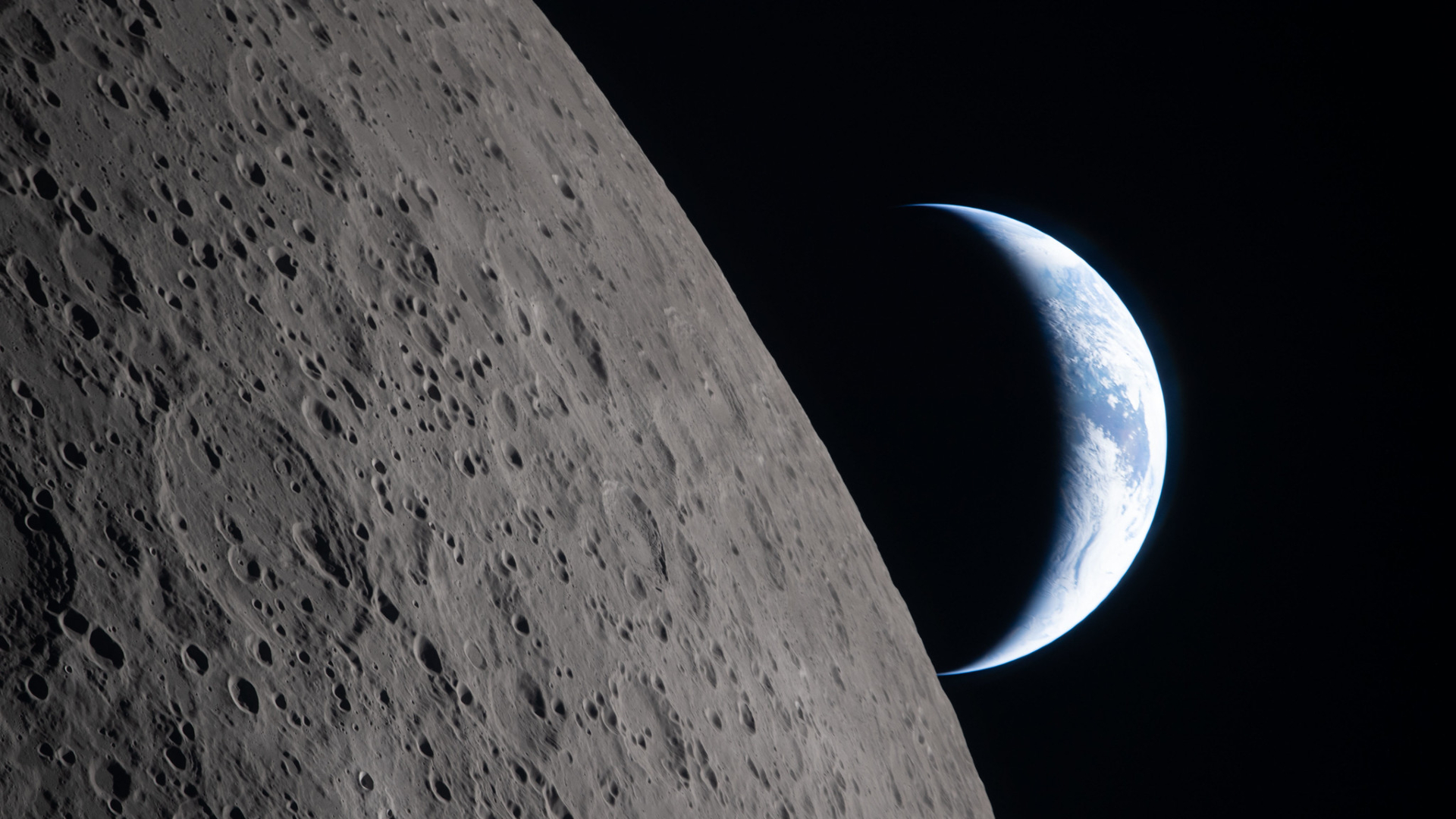
The Artemis II crew recalls the unreal moment when Earth disappeared
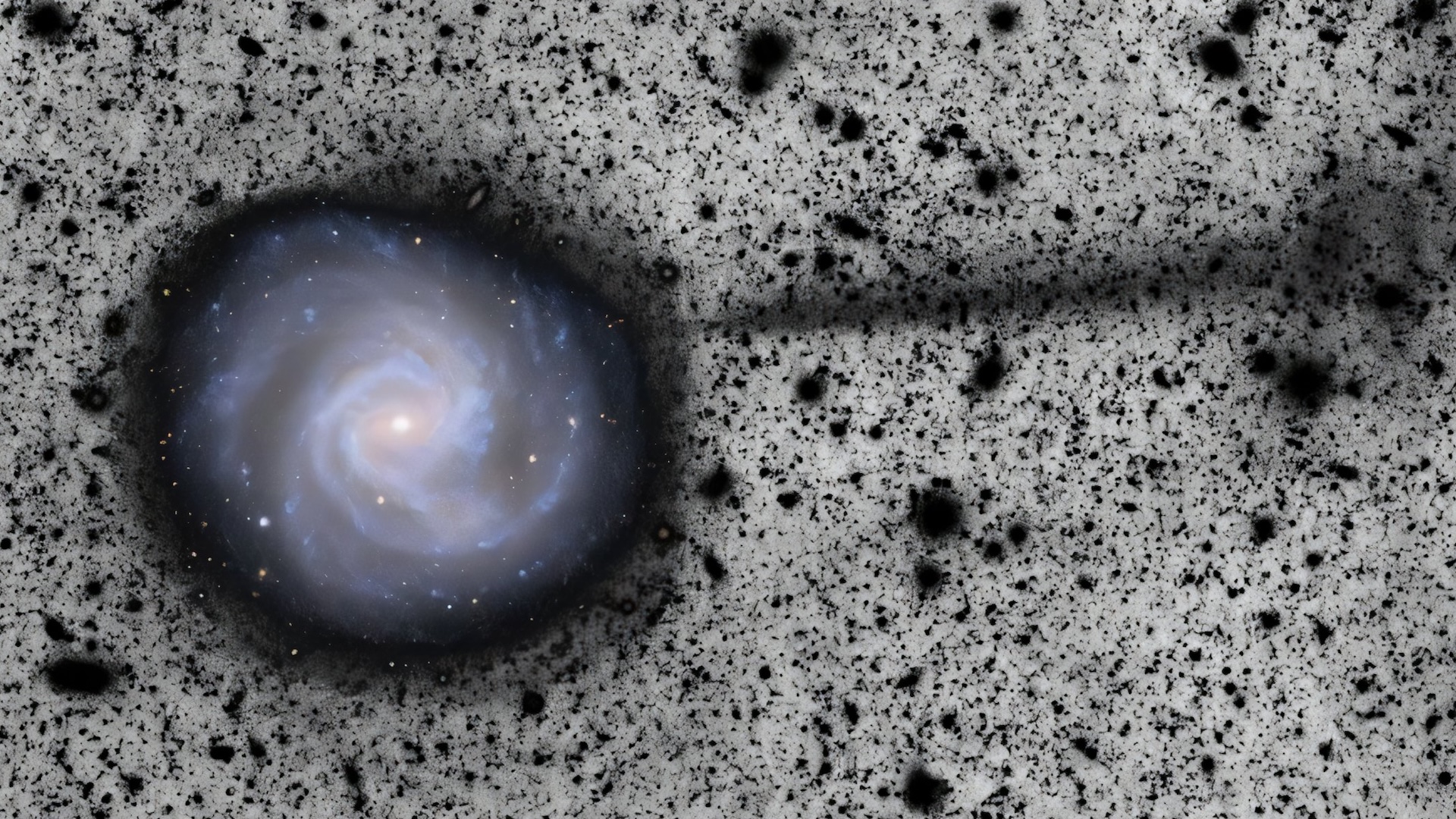 Hidden structure in 1st Vera Rubin image
First-light images from the Vera C. Rubin Observatory reveal a 163,000-light-year stream of stars emanating from a nearby galaxy.
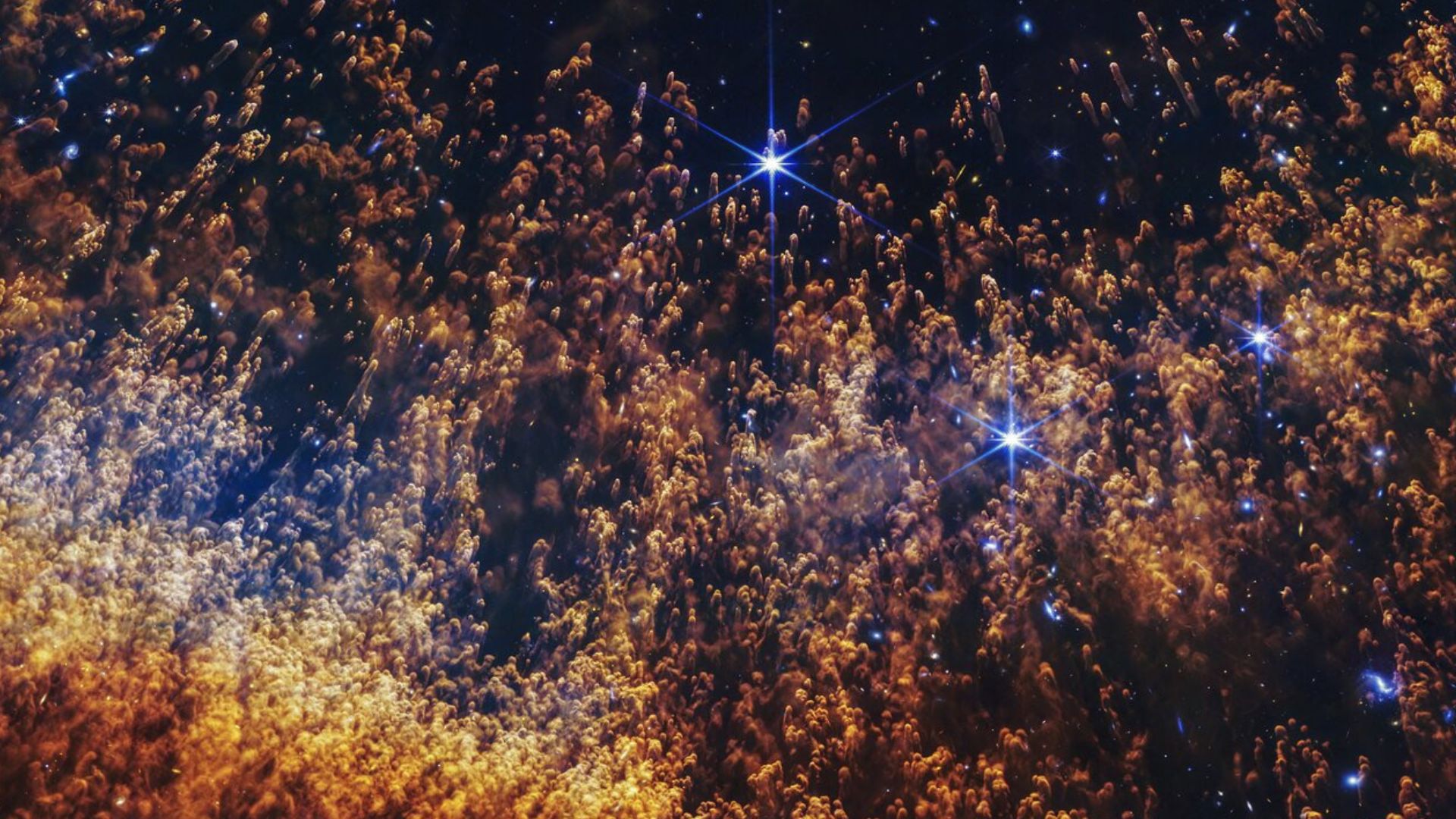 JWST peeps the 'Eye of God'
A spectacular James Webb telescope image reveals intricate structures inside the Helix Nebula.
TOPICS
 Jamie Carter
Live Science contributor
Jamie Carter is a Cardiff, U.K.-based freelance science journalist and a regular contributor to Live Science. He is the author of A Stargazing Program For Beginners and co-author of The Eclipse Effect, and leads international stargazing and eclipse-chasing tours. His work appears regularly in Space.com, Forbes, New Scientist, BBC Sky at Night, Sky & Telescope, and other major science and astronomy publications. He is also the editor of WhenIsTheNextEclipse.com.
View More
You must confirm your public display name before commenting
Please logout and then login again, you will then be prompted to enter your display name.
Logout