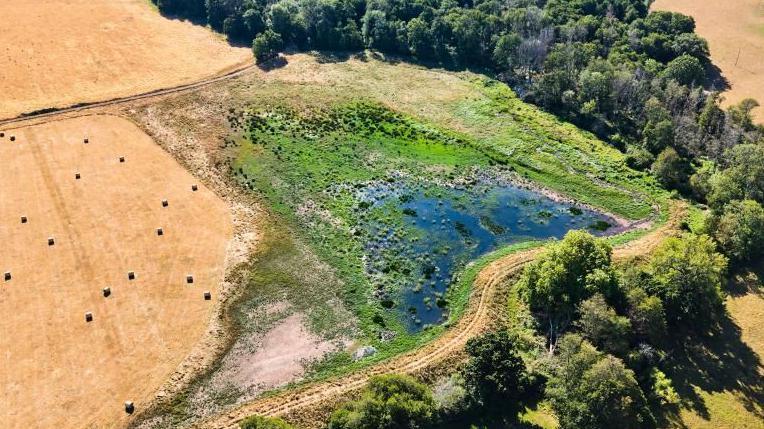
Image source, Beavers TrustImage caption,
 Beavers have been described as 'ecosystem engineers' that can help boost bio-diversity and drought resilience
ByJules HyamWest of England- Published4 minutes ago
Supporters of a plan to reintroduce beavers to a county say they could help landscapes become more resilient to drought and climate change.
Gloucestershire Wildlife Trust and Forestry England are surveying different parts of the county to assess their suitability for a new reintroduction programme.
"Beavers are a keystone species" said Emily Bowen of the Beaver Trust. "They are ecosystem engineers, which means that they can have a massive impact on the landscape around them."
The Department for Environment, Food and Rural Affairs (Defra), which would have to approve the measure, said it could make a "huge difference to nature recovery".
To play this video you need to enable JavaScript in your browser.
This video can not be played
Figure caption,How releasing more beavers could boost nature's recovery
More from Gloucestershire
Teen given life sentence for murdering man in alley
- Published12 hours ago
'We raised £26k in a week to fight developers'
- Published11 hours ago
Nurse said dementia patient 'didn't need birthday cake'
- Published15 hours ago
"By changing the land to suit their needs, they can change it in such a way that boosts biodiversity and increases resilience in terms of climate change," Bowen added.
As semi-aquatic mammals, beavers are known for building dams that create ponds and wetlands.
Even small streams can feed a substantial wetland habitat that will then support an abundant array of biodiversity.
Beavers are a native species, but have not been a regular sight in the west of England for around 400 years, after hunting for food and medical ingredients forced their numbers to dramatically decline.
A Defra spokesperson said: "Reintroducing beavers has the potential to make a huge difference to nature recovery, and we are proud to champion this work.
"We will continue to support our partners and ensure that the return of beavers benefits both wildlife and communities."
 Image caption,
 Beavers were introduced into an enclosure in the Forest of Dean in 2018
Beavers have already been living at Greathough Brook in the Forest of Dean since 2018 and regular surveys have revealed a dramatic increase in biodiversity.
"I've seen stoats, I've seen weasels, I've even seen pine martens," said Kate Wollen, from Forestry England.
"The beavers have created this amazing habitat that has brought in all the insects that are at the bottom of the food chain and then it brings in all the other animals that then feed on them, it's just a whole wonderful network of habitats."
 Image caption,
 Kate Wollen from Forestry England describes the transformation as a "watery wonderland"
A new re-introduction programme in the Severn Vale area would require a government licence.
Studies are being carried out to find suitable locations and a consultation is underway with landowners and users who might be affected by the change in the landscape.
"We have to make sure that we are working really closely with people who live, work and manage the areas that we're thinking about putting beavers," said Mega Adamou, of Gloucestershire Wildlife Trust.
"We'll be seeing more complex wetland habitats being created," she added.
"We'll be seeing a little bit more resilience to drought in those areas where the beavers might end up living."
"It's been really interesting to see how the general public have taken to beavers and getting people thinking about seeing them back in our countryside."
There have been three licensed releases of beavers in England to date, with about 100 animals expected to be released this year.
Get in touch
Tell us which stories we should cover in Gloucestershire
Contact formContact formFollow BBC Gloucestershire on Facebook, external, X, external and Instagram, external. Send your story ideas to us on email or via WhatsApp on 0800 313 4630.
Related topics
Areas getting 'beaver ready' for possible release
- Published21 April
Nature plan to support beavers, bats and dormice
- Published17 February

Experts battling extinctions after record heat
- Published21 August