How to get more out of your fitness tracker.
By Roger Fingas Nov. 14, 2026 3:00 pm EST Google/Fitbit Add Engadget on Google: Preferred Source Google Discover
For a while, the Fitbit brand seemingly had its back against the wall. After Google's takeover in 2019, it released a range of branded devices, like the Sense 2 and Charge 6, but the company really started to prioritize the Pixel Watch, to the point that people began questioning whether the brand would survive.
Recently, though, Google has reaffirmed its commitment to the Fitbit name with two new devices, led by the Fitbit Edge. It's arguably one of the best fitness trackers for people who don't want to spring for a full-fledged smartwatch. It might not be on par with something like the Garmin Forerunner 570 or Apple Watch Ultra 4, but it's not trying to be.
As with any tracker, there are a variety of settings on the Edge you can change to optimize your experience, from customizing its clock through to making it a bit more deadlift-friendly. None of these tweaks are strictly necessary, but you'll probably be glad to have them ready should the need arise.
The settings that immediately improve your Edge
 Google/Fitbit
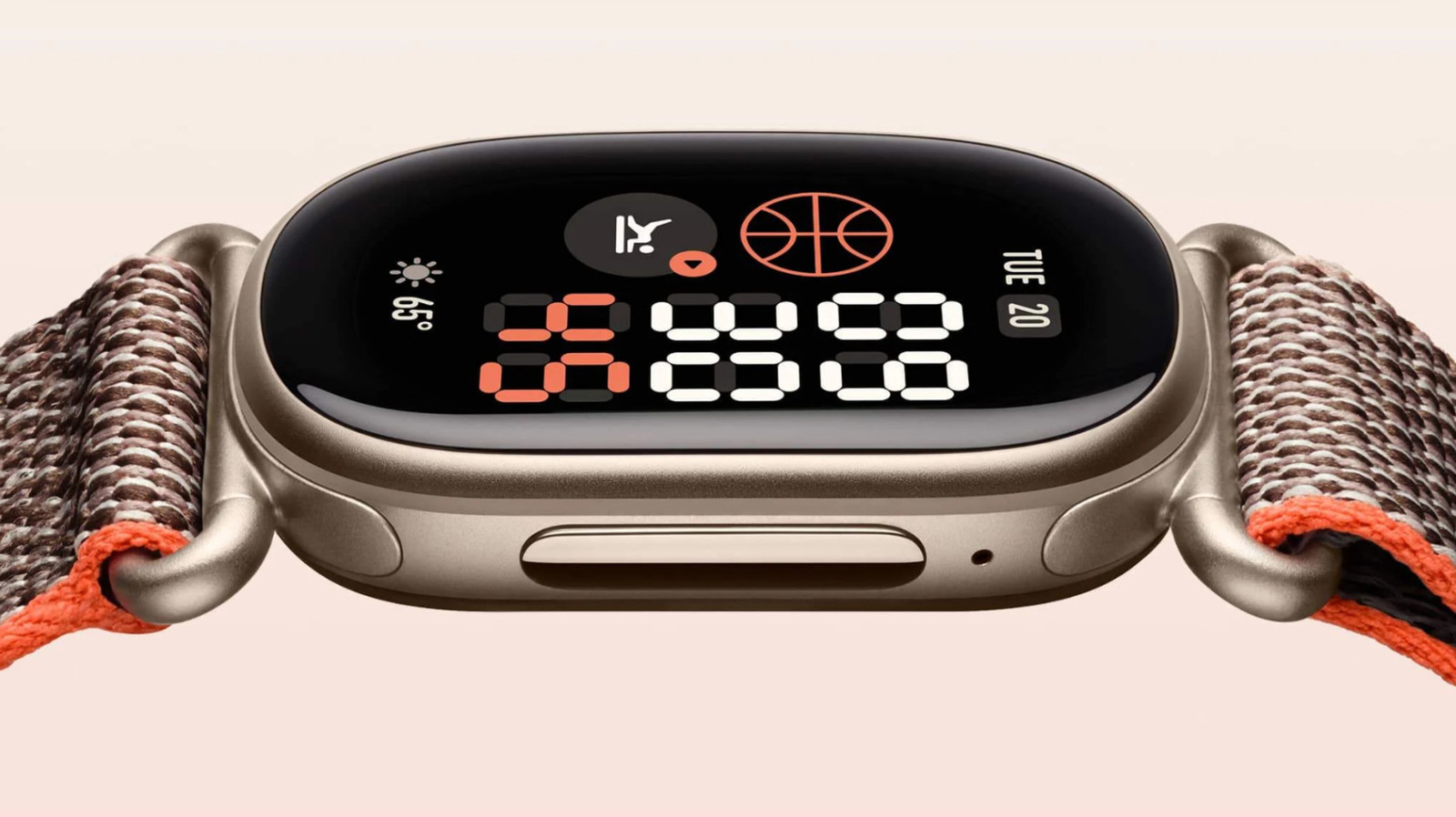
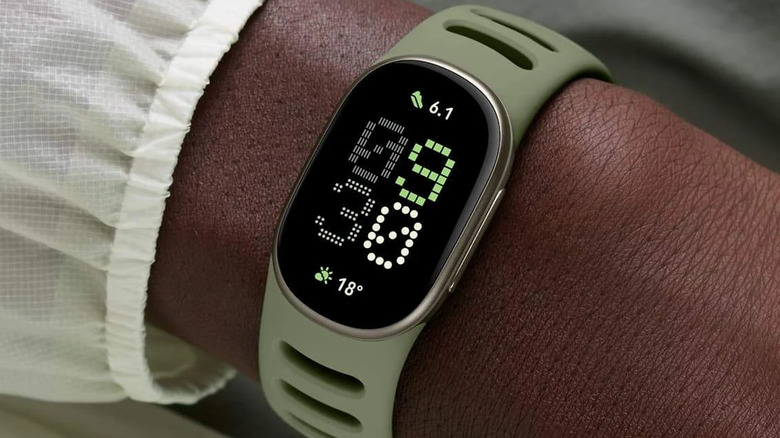
One of the first things you should change is your Edge's watch face, or as Google refers to it, clock face. It's not just about style — some faces support more tiles (complications or widgets) than others, letting you check stats like calorie burn and heart rate at a glance, not just the time or weather. The best ones in that regard are the Modular faces, which allow up to four or five tiles.
To browse and install faces, open Google Health, then navigate to Connections > [your device] > Watch faces > Clocks. Pick what you want, then tap Install. On your Edge, you can swap installed faces at will by tapping and holding the screen.
One tweak that's surprisingly important is Tracker Orientation, again found under device settings in the Health app. This determines whether the physical button is on the left or right relative to onscreen content. You may need to flip orientation if you find that you're accidentally hitting the button during certain activities. When deadlifting, for example, I find that the straps I wear can easily bump up against a tracker's buttons unless I wear the device higher up on my arm.
If you're syncing data with a third-party service or just want fewer distractions, it may be worth disabling Coach Insights in Google Health. In the app, go to [Profile icon] > Google Health Settings > Coaching and select No Coach Insights. That way, you won't get unprompted summaries and advice popping up on your phone during the day. These might be completely pointless if you're a fitness veteran — someone who can run a 10K or squat 400 pounds probably doesn't need to be told what their data means.
Ways to stretch out battery life on the Edge
 Google/Fitbit
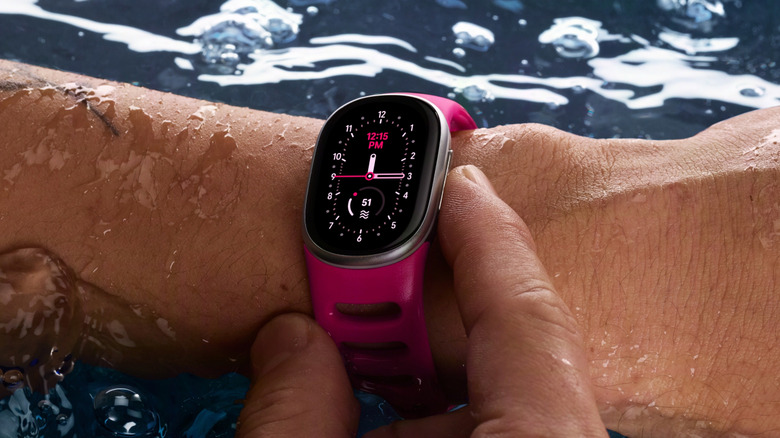
Under device settings in Google Health, you can configure GPS settings to always use your phone for location data instead of relying on the Edge's built-in GPS. This may significantly stretch out battery life, but be warned — you won't get any location data at all if you leave your phone behind. That could be a major problem with activities where carrying your phone is impractical, like swimming. If that's a concern, it's best to leave GPS settings on Dynamic, which will flip over to built-in GPS whenever your phone is missing.
If battery life is a high priority, be sure to also leave Always-On Display off. As convenient as it is, Google notes that the feature shrinks maximum battery life from seven days to around two. Real-world performance could be less, especially if onboard GPS is running. You should definitely switch the always-on display off if you're about to run a marathon or tend to forget about charging.
Lastly, consider charging your Edge a little bit every day. When your battery is running on fumes, even five minutes of charging may be enough to restore a full day's use. For those speeds, you do need to combine your cable with a 30W power adapter, but tossing your Edge on the charger while you shower is a great way to reduce battery anxiety.