 Image source, Luigino Da Silva De JesusImage caption,
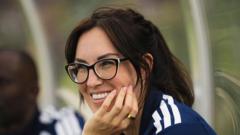
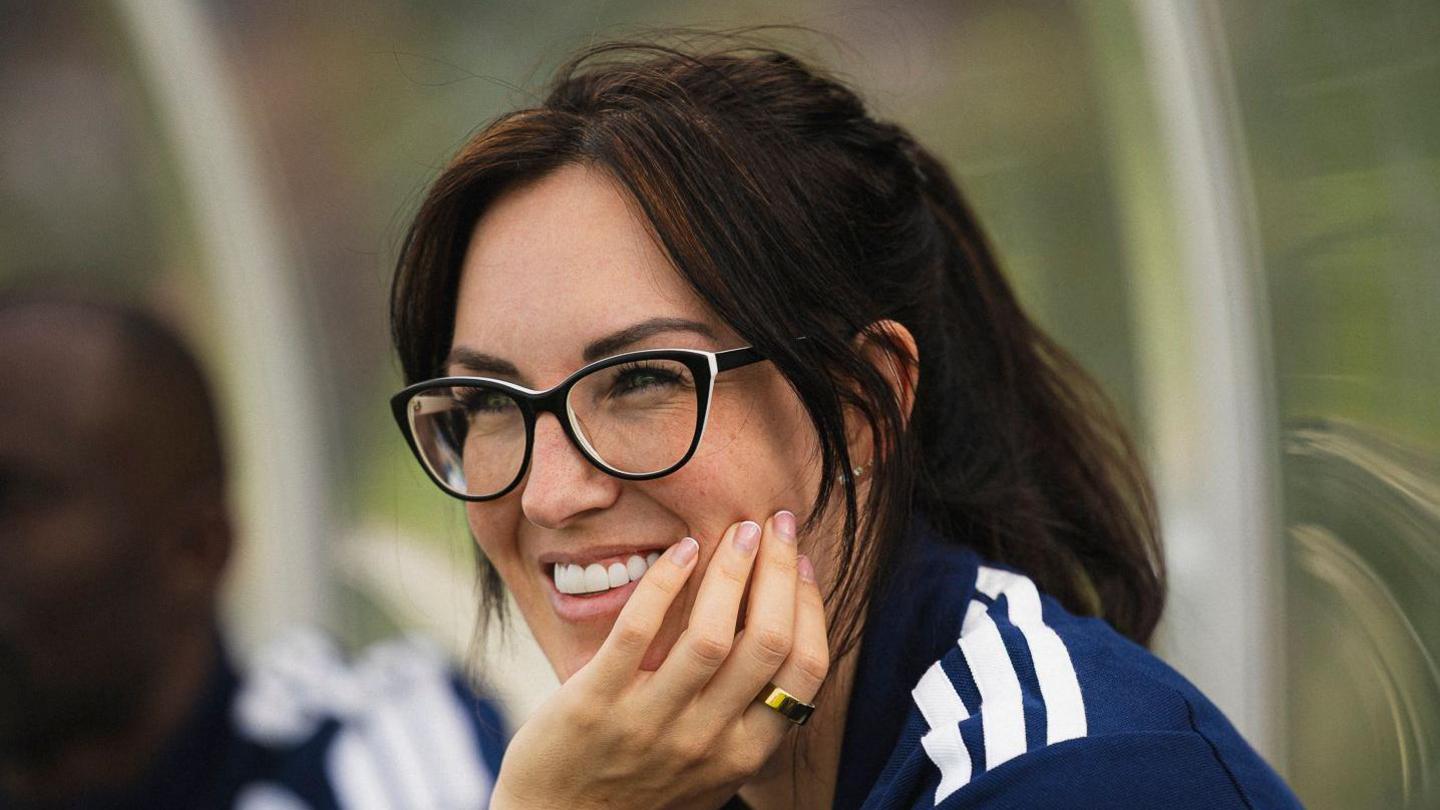
 Dr Suzanne Huurman supported the Netherlands team at the Paris 2024 Olympics
BySally FreedmanBBC Sport senior journalist- Published9 minutes ago
One woman and 47 men: that is the gender split for head of medical staff at the men's 2026 World Cup.
Dr Suzanne Huurman is only the third-ever female team doctor in the 96-year history of the tournament as head of medical staff for Curacao's national men's side - the World Cup's smallest-ever team by population and size.
In 2010, Dr Celeste Geertsema worked with the New Zealand men's national team and became the first female doctor for a participating team at the South Africa World Cup, while Dr Silja Schwarz has been a team doctor for Germany men's side since 2023.
When Fifa explained to Dr Huurman she was the only female head of medical staff in the 2026 World Cup, she didn't think much of it.
"I didn't realise in the beginning because it's so normal to be the only, or one of the few, women in the room.
"But I hope to see more women soon because there are a lot more women out there who are capable."
BBC Sport speaks to Dr Huurman around the challenges, the opportunities and what is needed to increase female representation in football.
Brazil-born Dr Huurman has worked with Real Madrid, Go Ahead Eagles and PSV Eindhoven as well as being medical lead for the Netherlands Under-16 boys and doctor for the Dutch women's handball team.
Curacao, a Caribbean island of about 158,000 people, is part of the Kingdom of the Netherlands and is culturally Dutch-influenced but not a full sovereign state. They qualified for the 2026 World Cup unbeaten, with seven wins and three draws.
Dr Huurman is not intimidated by working in a male-dominated field although she explains there are challenges.
"If you show them you're capable and you're good at what you do, then it's easy that they accept you because it's about quality and performing. If they see you're capable and you have the same goals, it's straightforward," she said.
"But you have to prove yourself. It's hard to get in because in the beginning you always have a lot of people that say no, this cannot be possible. How can women work in a male environment?
"With Curacao, the whole federation was completely male - no females, not only in the medical team but anywhere. We travel with 49 people - players and staff. I'm the only woman."
Watch live as Ecuador take on Curacao in Kansas
Oh, brother! The sibling rivals lining up for different World Cup teams
- Published49 minutes ago
A 7-1 defeat but the Curacao fans are just happy to be there
- Published5 days ago
What are the challenges?
Dr Huurman studied medicine in the Netherlands in 2008 and she recounts the gender split on her course as female heavy.
She said: "When I studied medicine, it was around 70-75% women and the rest were men.
"I did my speciality in sports medicine in 2014 and then it skewed the other way - it was only 20-30% women. So it was in this [sport] speciality that I saw the difference."
Female doctors did not support every squad at the 2023 Women's World Cup, with England and Sweden among the nations represented by male team doctors.
When asked why there are so few female doctors working within football, Dr Huurman identified the 'always-on' culture as a barrier.
She said: "It's not only your capabilities - if you're a good professional that's one thing, but it's the travel, the lifestyle which can affect your personal life.
"If you have a family [or] you're pregnant, you will be out of work for a certain period – and you cannot time it perfectly with a professional football season. There must be someone who can cover. And that's hard as you want to be there for the team.
"It's not only in football, but the whole elite sports world, which is demanding 24/7."
Image gallerySkip image gallery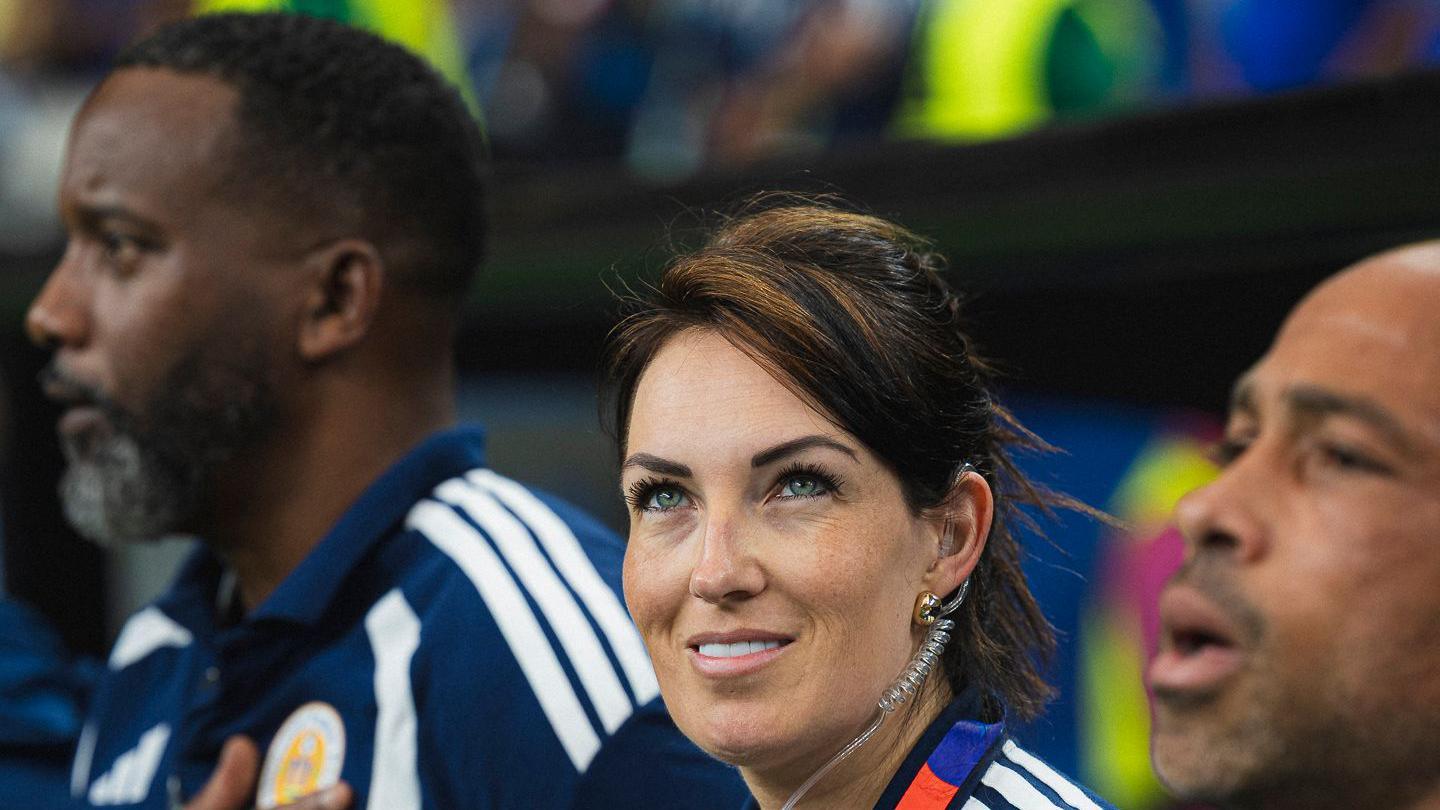 Image source, Luigino Da Silva De JesusImage caption,
 Dr Huurman became the team doctor for the Curacao men's football team in 2026
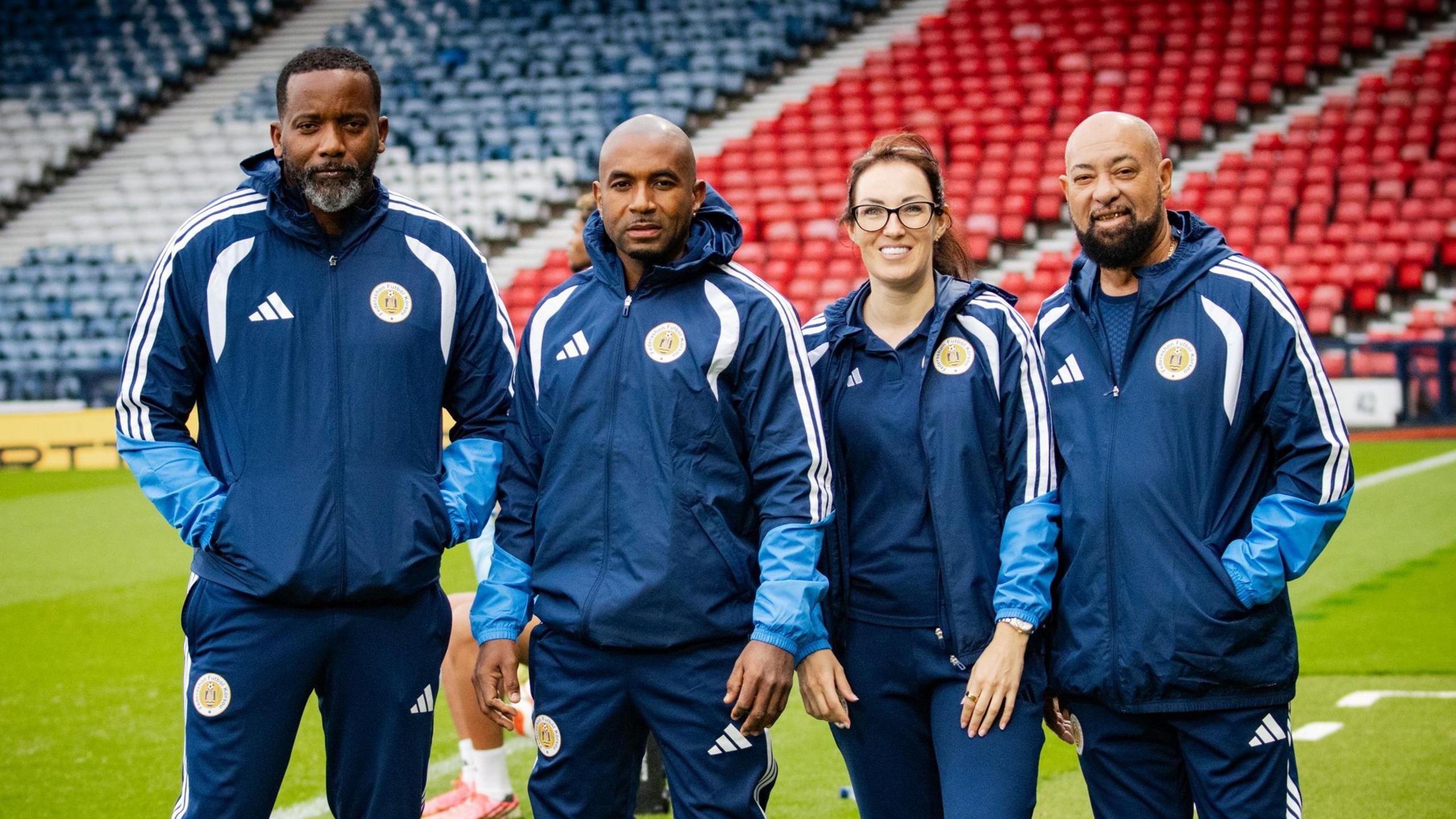 Image source, Luigino Da Silva De JesusImage caption,
 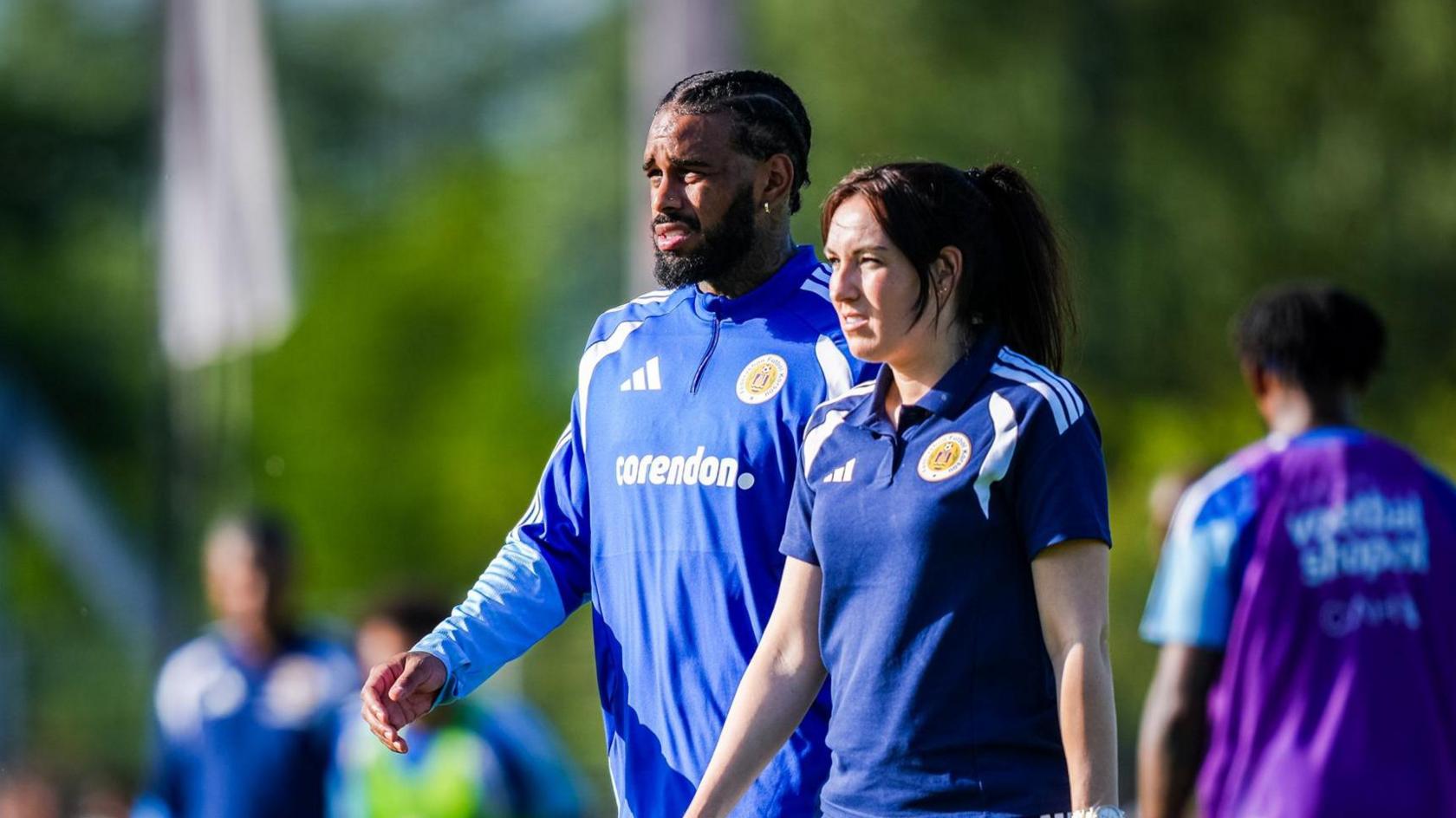 Image source, Luigino Da Silva De JesusImage caption,
 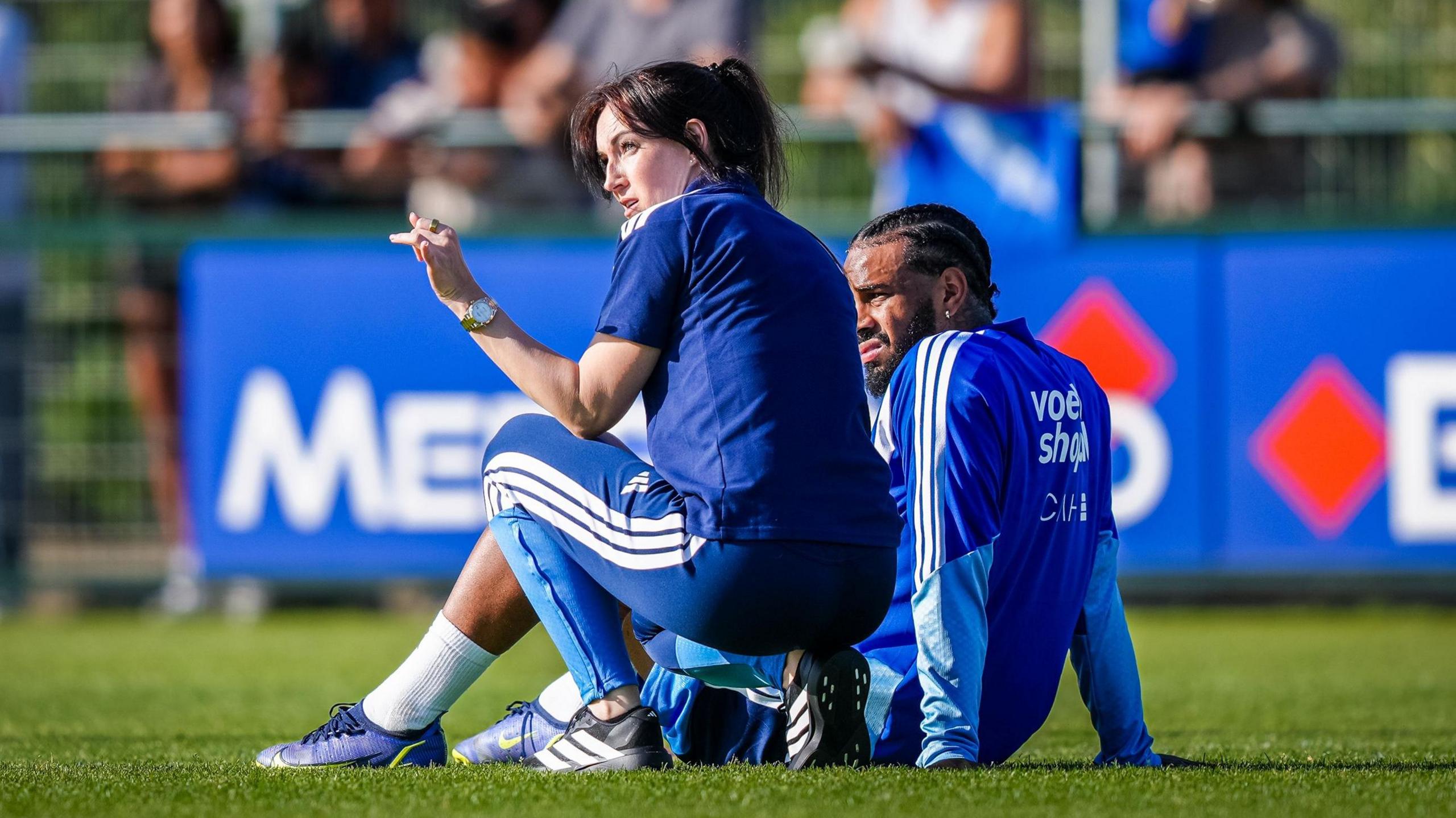 Image source, Luigino Da Silva De JesusImage caption,
 1 of 4
Previous imageNext imageSlide 1 of 4, Dr Suzanne Huurman , Dr Huurman became the team doctor for the Curacao men's football team in 2026End of image galleryWhat more can football do?
In 2026, in an effort to accelerate change, Fifa introduced new rules, external for women's tournaments. The regulations state at least one member of medical staff must be female and at least one coach must be a woman.
At the match between Curacao and Germany, for the first time in men's World Cup history, there was an all-female, external medical team - Fifa match doctor Dr Emma Lunan, Curacao head of medical Dr Suzanne Huurman, Germany team doctor Dr Silja Schwarz, emergency medicine doctor Dr Carrie Bakunas and Dr Kerry Peek, the injury spotter.
Dr Lunan told Fifa: "Hopefully this is a springboard to show that expertise in sports medicine and performance medicine is not dependent on your sex or gender and the opportunities to progress can be based on your competence."
Dr Huurman thinks the new regulations are positive.
"When I started with Real Madrid in 2020, I worked with the women's team and after that I switched to the men's. When they started the women's team, all the staff except me were male," she said.
When asked how football could improve, Dr Huurman suggested considering agile-working options.
"I know countries like Sweden have a rotating system with different doctors – week one, one doctor, week two, a different doctor and so on. This flexible-working approach might suit female doctors better, although elite sport is not used to it yet - they are used to having one permanent doctor with one team."
For women who are told no, Dr Huurman urged females to prove themselves: "I heard it a million times - you cannot do this because you're a woman - especially in professional football.
"But if you prove your quality and you're a good professional, you can do it. "
Known as the Blue Wave, Curacao made history last Sunday when they scored their first-ever World Cup goal against Germany in Houston.
However, their celebrations were short-lived, as the four-time winners cruised to a 7-1 win.
Curacao will look to increase their goal tally against Ecuador and Ivory Coast in their remaining group games, and Huurman says the squad remains upbeat.
"We are optimistic for our next two games," she added. "They're happy, they're focused. I saw Spain drew 0-0 with Cape Verde, so you never know."
Related topics
Play BBC Sport's new World Cup predictor game
- Published9 June

World Cup fixtures and group standings

How to watch the World Cup on the BBC
- Published6 June

Everything you need to know about the World Cup
- Published1 April