Join us for a trip down memory lane on the 25th anniversary of the GBA's US release.
By Igor Bonifacic June 11, 2026 8:00 am EST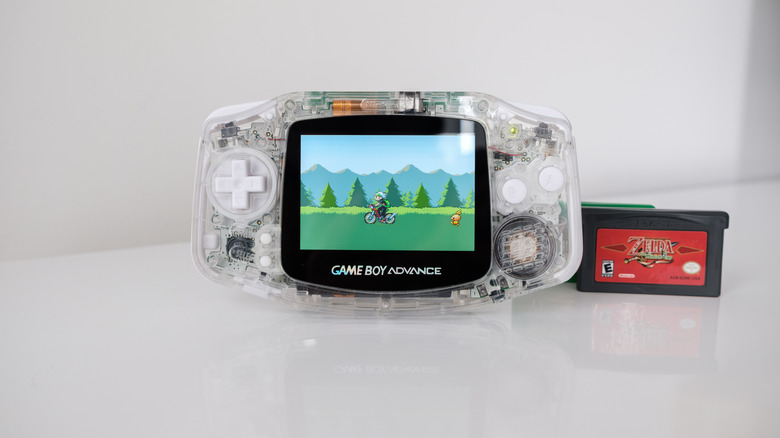 Igor Bonifacic for Engadget
 Today marks the 25th anniversary of the Game Boy Advance, so to celebrate we wanted to revisit some of the best and most memorable titles on the platform. We're talking about legendary games like Golden Sun to iconic franchises such as Advance Wars that got their start on the GBA.
However, before we get into specific titles, we also wanted to take some time to look back at what is arguably Nintendo's most diverse and interesting pure handheld platform of all time, despite follow-ups like the DS and 3DS. (And yes, technically we're a bit late as the Game Boy Advance originally first went on sale in Japan in March, but folks in the US had to wait another few months for it to finally arrive on June 11, 2001.)
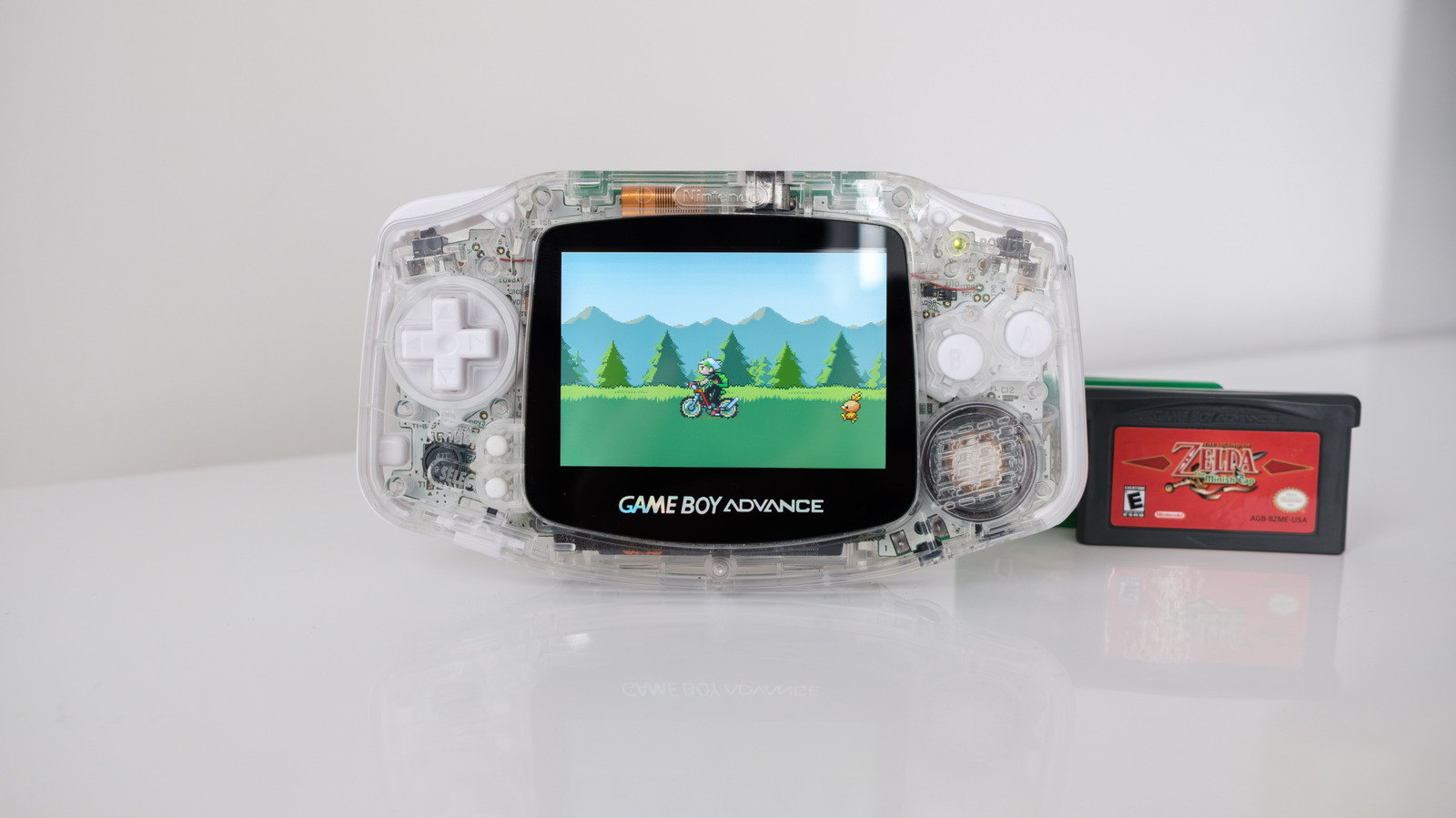
Packing a custom SoC with not one but two processors running at a blistering 16.7MHz and up to 8.3MHz (the latter of which was used for backwards compatibility) with a whopping 288 kilobytes of combined RAM, the original GBA represented a massive leap in performance compared to the previous generation. Suddenly, Nintendo had a portable console that could handle SNES-level graphics while also supporting a huge catalog of existing games dating all the way back to 1989. It also had a higher resolution 240 x 160 TFT display that finally brought rich colors to Nintendo's handheld games. This isn't meant as shade to the Game Boy Color, but even as kids, we knew the GBC was merely a stopgap.
Meanwhile, Nintendo basically up-ended the original Game Boy's design by shifting from portrait orientation to a horizontal layout, which allowed for the addition of handy new shoulder buttons while keeping the classic cross-shaped D-pad and just two primary face buttons (A and B). And then there were the colors. Between the solid indigo and orange (which was exclusive to Japan) models and the translucent glacier blue and fuchsia versions, you basically had the early 2000s color palette encapsulated in plastic, and it was glorious.
But Nintendo didn't stop there, because in 2003, the GBA SP (the SP stands for special) came along and added a wonderful clamshell design and a dedicated backlight. This boosted the handheld's portability even more while letting you play games in any lighting condition without the need for silly attachments. Then came the GBA Micro in 2005, which shrunk the entire system down to Lilliputian proportions and served as the last official Game Boy release on record.
In a lot of ways, the Game Boy Advance represented the peak of classic 2D sprite-based graphics long after home consoles like the N64 and PlayStation had moved into the polygonal era. It wasn't the most powerful or sophisticated handheld of its generation, but it was compact, sturdily built and had one of the greatest library games of any system. And with a launch price of $100, which translates to about $190 in today's money, it was relatively affordable too. But enough about the hardware, let's move onto the games.
Advance Wars
 Nintendo
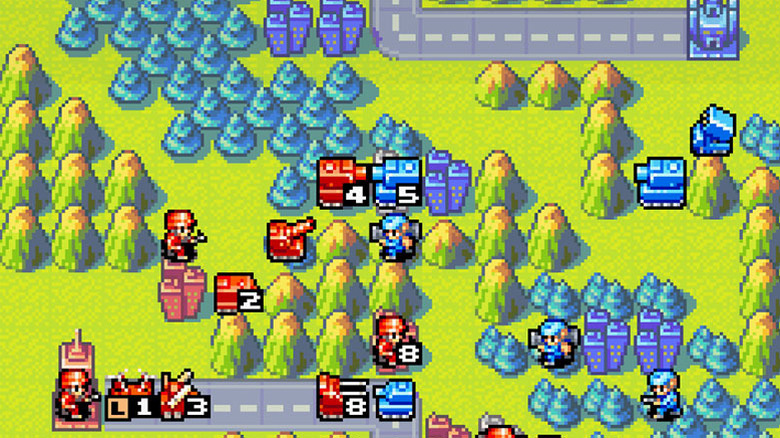
 Before I played the Fire Emblem series, let alone newer tactical titles like Into The Breach or Mario + Rabbids, it all started with Advance Wars. With cute infantry icons and tanks that squished around grid-based skirmishes, this was Game Boy Does War. Intelligent Systems' Advance Wars series is the perfect first turn-based strategy game.
With initially simple rules of what each unit does, contrasting human soldiers to tanks, then bigger tanks, artillery, ships and planes, the game holds your hand throughout. No, you can't just order your units toward the enemy — you have to think it out. The first few levels demonstrate the benefits of fortified structures, high mobility units and setting up your base before pitting you against more capable generals and threats. It's easy to pick up and play, and forgiving enough for beginners to make their first tentative steps into the hugely satisfying tactics genre. Unlike games like Wargroove, which acts as a spiritual successor of sorts for Advance Wars, each move wasn't necessarily make-or-break either. The original Advance Wars knows you're only human, or at least not old enough to drink alcohol.
A lot of games were constrained by the limits of the Game Boy Advance, which is a meandering way of saying it had a small screen and not many buttons. Advance Wars didn't really suffer, though: The unit icons and split-screen battles were more than adequate, and you didn't need many buttons to bark orders to your forces. It was streamlined to perfection.
I haven't played the original for years (more than a decade, if I'm honest), but it prepared me for the more complicated, richer sequels that came after it, with their increased challenges. Advance Wars is probably why I'm still contending with Into The Breach.
— Mat Smith, UK Bureau Chief
Fire Emblem
 Nintendo
 In 2021, I wrote about Fire Emblem for our 20th anniversary GBA story. Over the past five years, I've played it from start to finish two times, and can once again confirm that it is my favorite Game Boy Advance game.
I hadn't even heard about Fire Emblem as a series until I got into Advance Wars, another Intelligent Systems game. From there, I discovered that a whole series of fantasy-inspired games with similar gameplay existed, but had never been translated into English. Thirsty for more, but with a distinct lack of Japanese language skills, I spent a year getting deep into Final Fantasy Tactics, old Shining Force games, Vandal Hearts and basically anything vaguely Fire Emblem-shaped that was available in English. Then, off the back of Advance Wars' success, Nintendo decided to release a Fire Emblem game in the west, and simply called it Fire Emblem.
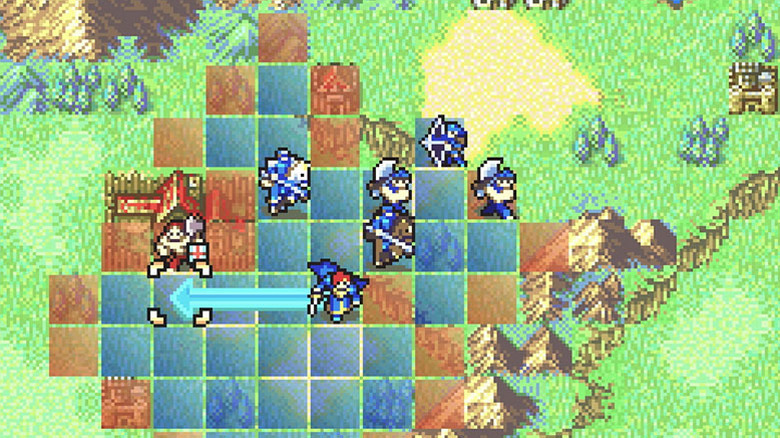
Released as Fire Emblem: The Blazing Blade in Japan, Fire Emblem was technically the second GBA FE title and the seventh overall. The battles were challenging, and its RPG elements drew me in much more than Advance Wars ever did. With a vast story full of twists and turns, and a cast of characters I truly cared about, I was instantly hooked. Which made it all the more tough when I encountered perhaps FE's most famous mechanic: permadeath. The loss of a character who's seen you through thick and thin dying a pathetic and meaningless death, all because you left them one square away from safety, is memorable.
Despite a few missteps, over the years Fire Emblem became my favorite series, and I am deeply excited by Fortune's Weave finally getting a release date. But I still come back to the GBA game to relive that love-at-first-sight moment.
In 2026, I'm so familiar with the game that it's very rare for me to lose a party member by accident. Those once-challenging battles are now more of a warm embrace. Unfortunately, playing it has become harder in recent years. Though I still have my original cart, both my Game Boy Advance and my old DS Lite are really worse for wear. I tried to play on the Switch 2's online library recently, but I think the screen size just isn't a great match for GBA games.
In that respect, modern retro handhelds have been a godsend. I spent way too much on the Aya Neo Pocket Micro Classic, a machine with the same aspect ratio of the original GBA, and loved my playthrough of Fire Emblem on that. It does feel weird playing it on anything but a Game Boy Advance, though. I've been saying this for the best part of a decade at this point, but I do wish Nintendo would take advantage of this deep thirst for its old games and produce a bespoke console similar to the Classic Editions of the SNES and NES.
— Aaron Souppouris, Editor-in-Chief
Final Fantasy Tactics Advance
 Square Enix
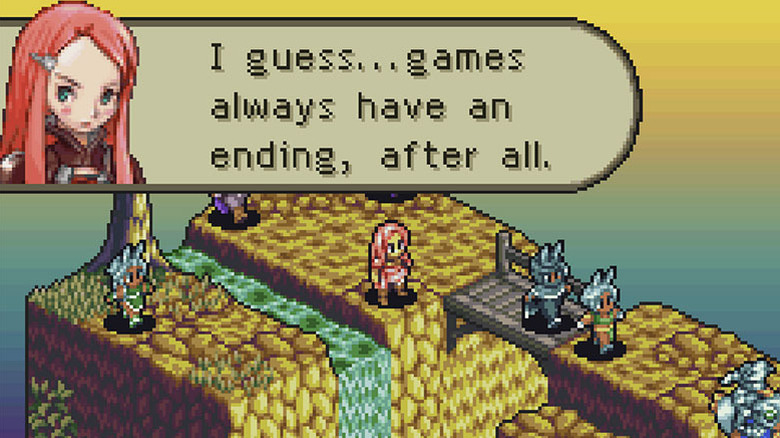
 The original Final Fantasy Tactics was my introduction to the wonders of strategy RPGs, with its morally complex characters, excellent soundtrack and rich political intrigue. I eagerly snapped up FFT Advance when it debuted, thinking it was a direct sequel. Boy, was I in for a surprise. Instead of a brutal world of political violence, FFTA focused on children and an imaginary world.
At first, it felt like a dumbed-down version of the original game, meant to appeal to younger audiences and portable game sessions. But as I played more of it, I learned to love FFTA for what it did well: Its gorgeous pastel art, its rich class system and yet another banger of a score from Hitoshi Sakimoto. It was the first handheld game that felt like an epic adventure to me, and it was a lesson not to judge games too quickly.
— Devindra Hardawar, Senior Editor
Golden Sun and Golden Sun: The Lost Age
 Nintendo
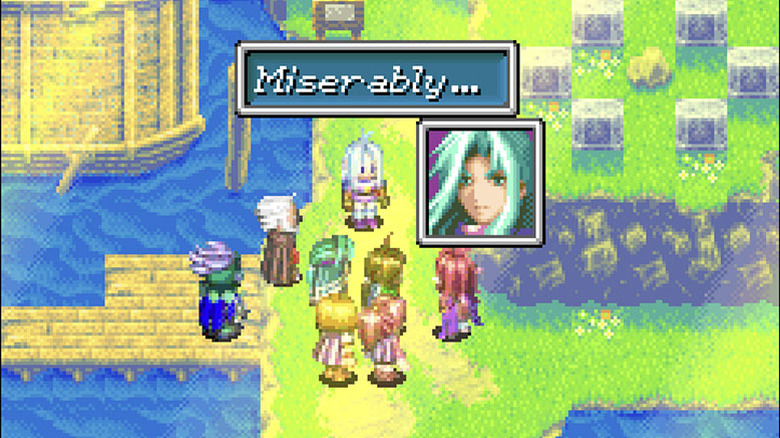
 The GBA may be known for ports of classic RPGs like Final Fantasy VI and Breath of Fire, but it also introduced a brand-new franchise that Nintendo has (mostly) slept on for over two decades. I'm talking about Golden Sun and the sequel Golden Sun: The Lost Age.
These are fantastic turn-based RPGs, but with a very Nintendo-like emphasis on puzzles. The characters have the usual spate of element-based spells and powers, but they can also be used outside of battle to unlock secrets and pass through dungeons. It's a very fun system that rewards experimentation. The graphics also look great for the time, with a little dash of the company's Mode 7 technology on the world map.
The first one ended on a cliffhanger, which is unique for turn-based RPGs, and the sequel used a password system to carry over levels and items. Now how about finishing up that trilogy? It's only been, checks notes, 23 years. At least we get franchise protagonist Isaac popping up in Super Smash Bros. games every now and then. Both of these games are available to play on modern consoles via the Nintendo Switch Online + Expansion Pack membership.
— Lawrence Bonk, Contributing Reporter
Metroid Fusion
 Nintendo
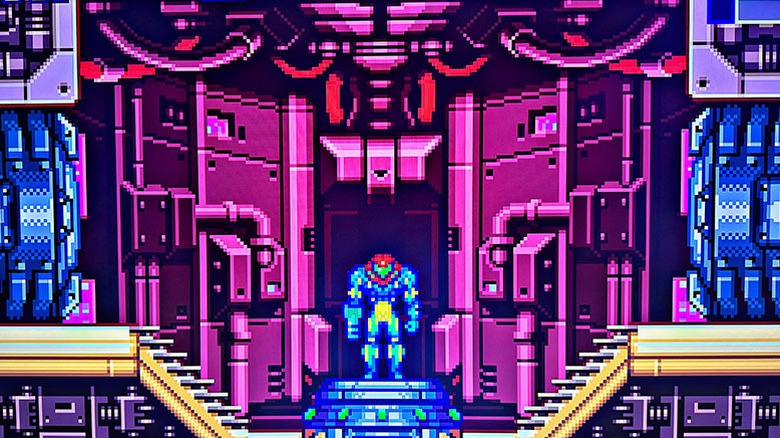
 This is the only from the ground-up new Metroid game for the GBA, though the console is home to a remake of the first title. Metroid Fusion is technically the fourth game in the franchise's convoluted timeline and finds Samus Aran exploring the home planet of the titular Metroid aliens when she's infected by an alien parasite. She's saved by an injection of Metroid DNA, but this also creates a deadly doppelganger called SA-X.
The gameplay is classic Metroid, with Super Metroid being the most obvious inspiration. The iconic moveset is here, but Samus is also faster than ever before. The controls are so smooth and responsive, which is why Fusion is typically ranked high on lists of the best Metroidvania games. It's just a joy to play and replay.
Some people ding Fusion for having a bit more direction than previous installments, as the narrative guides players to the next major objective. There's still plenty of exploration and backtracking to do, though. This is available to play on the Switch and Switch 2 with a Nintendo Switch Online + Expansion Pack subscription. Metroidvania fans should absolutely see what all the fuss is about.
— L.B.
Metroid: Zero Mission
 Nintendo
 The original Metroid is one of the most influential games of all time; after all, how many games can claim to have an entire genre half-named after them? But as someone who came to Nintendo's sci-fi series late, I was disappointed to discover that few people recommend playing the 1986 entry now, largely owing to its clunky gameplay and overly punishing design.
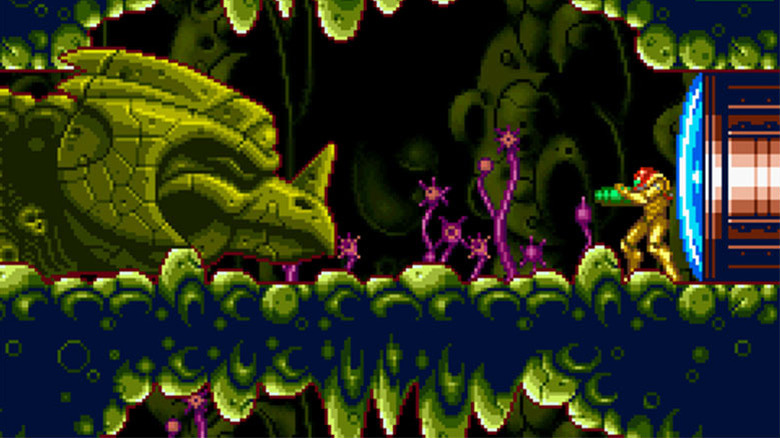
Luckily, Nintendo clearly acknowledged this, as it eventually gave Samus Aran's debut the full remake treatment on the Game Boy Advance. Metroid: Zero Mission mostly tells the same story as the NES game, introducing us to the enigmatic bounty hunter, Space Pirates and titular alien organisms that have come to define the long-running series.
The remake adds all new visuals and plays more like the SNES's Super Metroid, which many still regard as the pinnacle of the series. Nintendo also added a map, which was cruelly lacking in the original.
There are a lot of Metroidvanias competing for your attention these days, so it's a testament to Metroid: Zero Mission's peerlessly intricate design that it still holds its own. Samus feels wonderful to control, every powerup changes the game in a meaningful way, and the difficulty is perfectly pitched. 2021's Metroid Dread might be slickest take on the 2D Metroid formula you can play today, but a lot of its best ideas are present in a GBA game that came out nearly two decades earlier.
— Matt Tate, Contributing Reporter
Pokémon FireRed and LeafGreen
 Game Freak
 How do you pick just one best GBA Pokémon game when the series was, in many ways, at its best on Nintendo's final Game Boy? Game Freak added so many features and gameplay tweaks with Ruby, Sapphire and later Emerald to tweak the Pokémon formula in new and interesting ways that even with the 3DS remakes of Ruby and Sapphire, Emerald still feels like the definitive Hoenn experience.
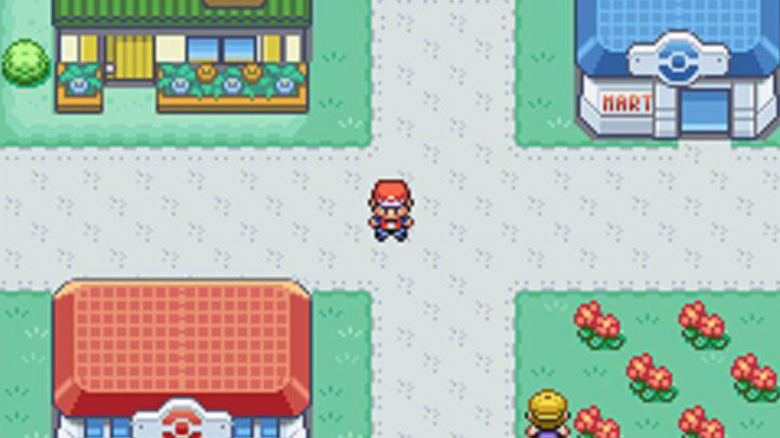
But as someone who has played Pokémon since the very beginning, there's just something special about the FireRed and LeafGreen remakes. A lot of that had to do with the way Game Freak brought the Kanto region to life using the GBA's new hardware. It felt magical to see your favorite Gen 1 locales and Pokémon rendered in a vibrant pixel art style that has since become iconic. And then there was the gameplay. Game Freak found a way to make the familiar feel new again. And nowhere did that feel more essential than when going back to the original roster of 150 Pokémon.
Many people complain there are too many Pokémon now, but the problem with Gen 1 was that there were too few. You can only face so many Pidgey and Rattata before things get boring. On that front, FireRed and LeafGreen greatly benefited from being Gen 3 games, with Ruby and Sapphire introducing mechanics that would become series staples, including Pokémon abilities and natures. Then there was the post-game, which expanded the roster to include all the Pokémon that Game Freak had added up to that point in the series. It's been amazing to watch people rediscover or play for the first FireRed and LeafGreen on the Switch, and come to the conclusion Game Freak was cooking during the GBA era.
— Igor Bonifacic, Senior Reporter
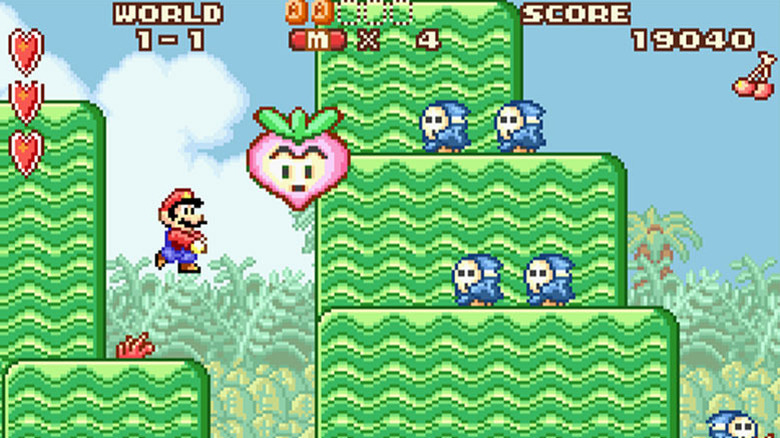
Super Mario Advance
 Nintendo
 Call me basic, but Super Mario Advance will always have a special place in my heart. Mostly, that's because it was one of the first things I imported from Japan, alongside the Game Boy Advance itself. The console originally launched in Japan on March 21, 2001, and I ended up buying it from a random online store in April. That gave me a few months of geek cred before the GBA's June 11 US debut.
I was raised on the NES and SNES, but the latter felt to me like the apex of 2D gaming. So having a system that was just as powerful and small enough to fit in my pocket was simply astounding. I remember playing the GBA on the city bus one day, when a younger kid asked sheepishly if he could check it out. He played around five minutes of Super Mario Advance with a look of sheer wonder on his face. That moment is something I think about often whenever I encounter new tech — can it inspire that same sense of awe?
As for the game itself, Super Mario Advance is basically just the souped-up Super Mario All-Stars version of Mario 2. That means it looks and feels great, and it has a sensibility unlike any other early Mario title. As a kid, I was only able to play Mario 2 for a bit at a friend's house, so it felt like an entirely new adventure when I finally got to play through Super Mario Advance as a teenager. Back then, it was clear that Nintendo had a bright future in handheld consoles — what I didn't know was that it would eventually bet its entire business on a portable system.
— D.H.
The Legend of Zelda: The Minish Cap
 Nintendo/Capcom
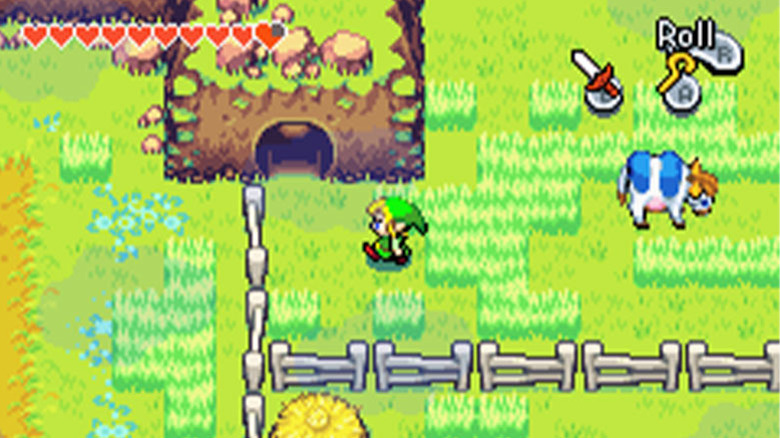
 Would you believe me if I told you one of the best Zelda games ever was made not by Nintendo but by Capcom? In North America, The Minish Cap and Resident Evil 4 were released just over two days at the start of 2005. It's a shame then the former is so often glossed over by Zelda fans. Is it a perfect game? No, there are some frustrations, with many of them stemming from the Kinstone system, but what Minish Cap does well, it does great.
To start, there's Ezlo, the magical talking cap Link finds toward the start of his adventure. He's one of Link's most memorable companions to date, with a wit that's sarcastic and funny. He also allows our pointy-eared protagonist to glide and shrink down to the size of a Minish. The latter allows Link to explore Hyrule in a way he's never done before or since, and some of Minish Cap's best puzzles require you to switch repeatedly between sizes. The Minish Cap also offers a beautiful rendition of Hyrule, taking equal parts inspiration from A Link to the Past and Ocarina of Time. Let me also just say it's the perfect length, never overstaying its welcome.
— I.B.
WarioWare, Inc.: Mega Microgames!
 Nintendo
 Like many people my age, some of my earliest gaming memories revolve around the Game Boy and Game Boy Color, but Santa Claus sadly never deemed me worthy of the Game Boy Advance. Over the last few years, I've had a lot of fun discovering the beloved little handheld's incredible library via Nintendo Switch Online, but one game I wasn't sure I would bother with is WarioWare, Inc.: Mega Microgames!
That isn't because I didn't think I'd like it, nor is it because I knew I'd have to Google its ridiculous full name every time I wrote about it in articles like this one. No, it's because I had already played pretty much every subsequent WarioWare game and assumed the original would be little more than a proof of concept. How wrong I was.
While later entries introduced gimmicks tailored to their native hardware, such as motion controls and touchscreen gameplay, the first WarioWare (I will not play your silly game, Nintendo) is ingeniously simple. None of the more than 200 absurd microgames you're given a few seconds to complete require nothing more of you than pressing the A button or the D-Pad, showcasing the wacky series in its purest minimalistic form.
The microgames themselves vary wildly, from nose-picking simulators to quickfire bomb defusal games and wacky remixes of classic NES titles. And the whole experience is elevated by the scrappy punk rock art style, which I'd argue has never been better than it was in the GBA entry. If you want to see Nintendo at its most deliriously playful, revisit this game.
— M.T.