 Image source, Getty ImagesImage caption,
 Northern Ireland's Environmental Improvement Plan has been in place since September 2024
ByLouise CullenAgriculture and environment correspondent, BBC News NI- Published35 minutes ago
Almost all of the objectives in Northern Ireland's environmental plan are largely off track, the UK's environment watchdog has warned.
It found good progress had been made towards just two of the 38 targets - air quality and climate change mitigation, mixed progress towards six, limited progress towards 27 and three others could not be assessed.
The watchdog said the current pace and scale of action would not deliver the change that was needed for the plan to be effective.
Environment Minister Andrew Muir said the assessments reinforced the "urgent need for sustained, evidence-led, fully funded action for years to come from across government".
Prof Robbie MacDonald, chief scientist at the Office for Environmental Protection (OEP), said many of the measures were "well within the reach" of the Northern Ireland Executive, and it was a matter of "moving away from planning and strategies into delivery".
 Image caption,
 Prof Robbie MacDonald is the OEP's chief scientist
This is the OEP's first report on the Environmental Improvement Plan (EIP), which has been in place since September 2024.
The report acknowledges that some progress has been made in air quality and climate change mitigation.
McDonald said that showed that "difficult decisions can be made".
But he said while pollutants from vehicles were being reduced, ammonia was still going up, so although there was good news in some areas, it was not a story of everything going well.
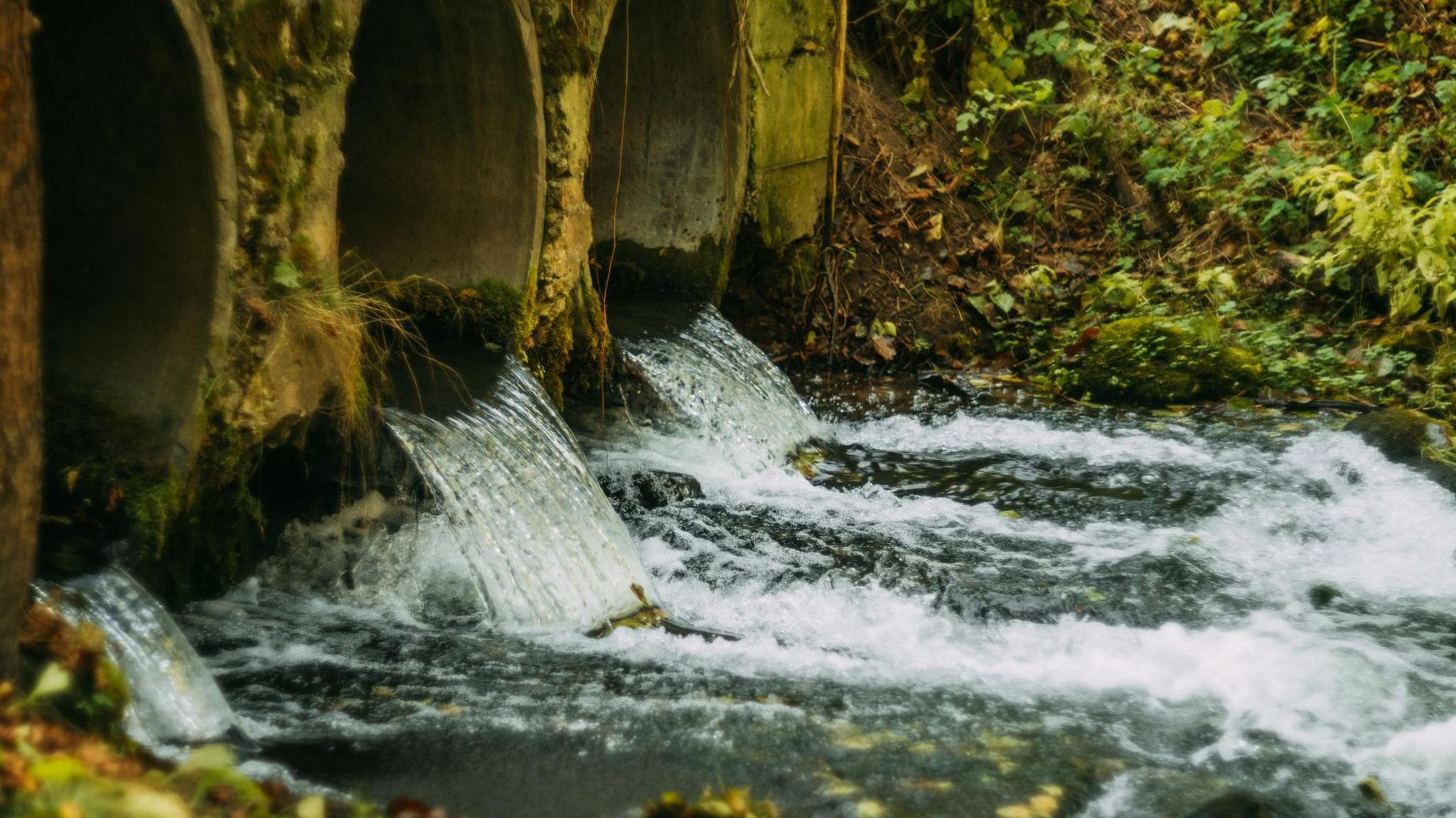
And he highlighted that the EIP did not address the key challenge of the failing wastewater system.
Three priority areas identified
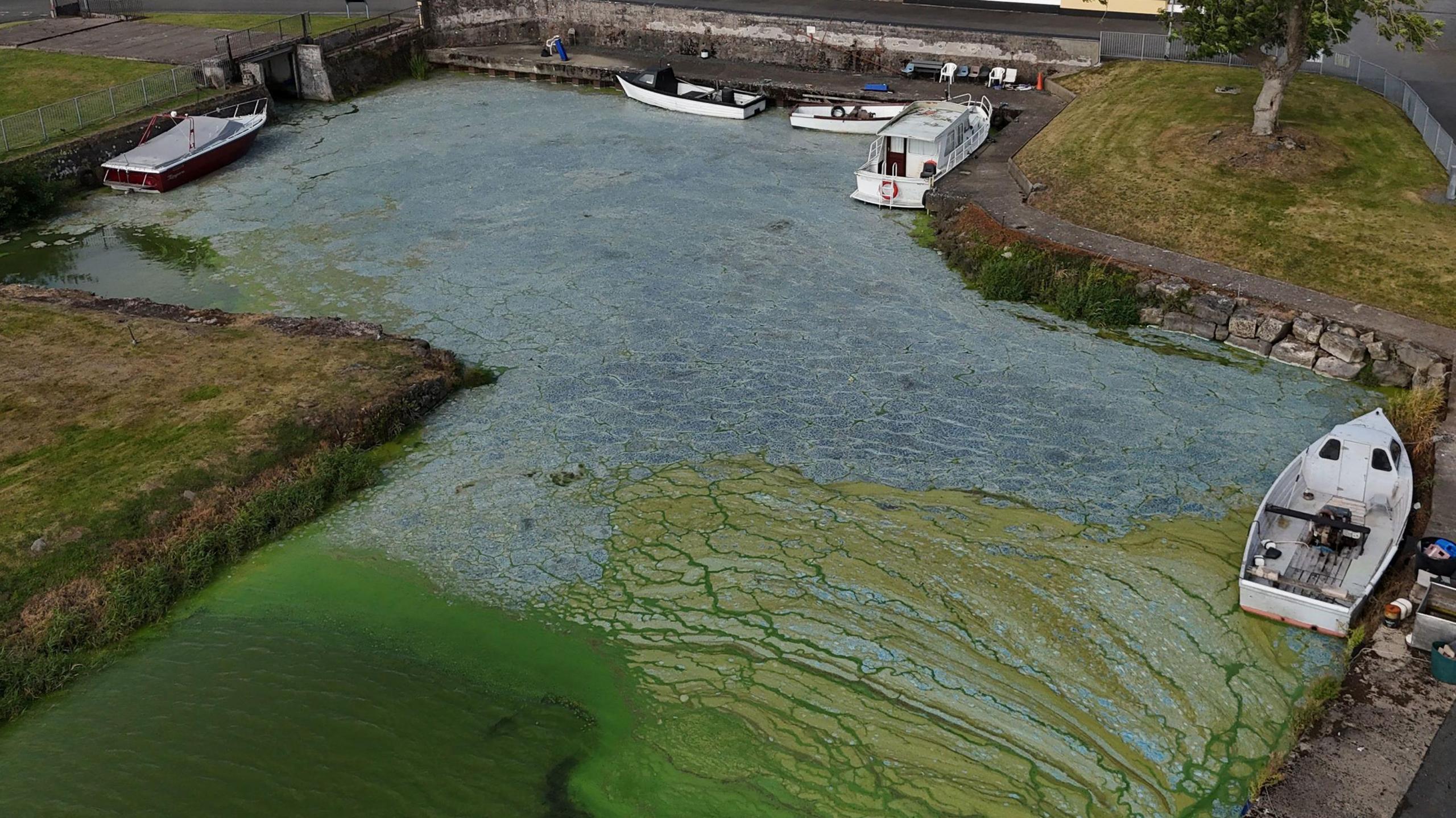 Image source, PA MediaImage caption,
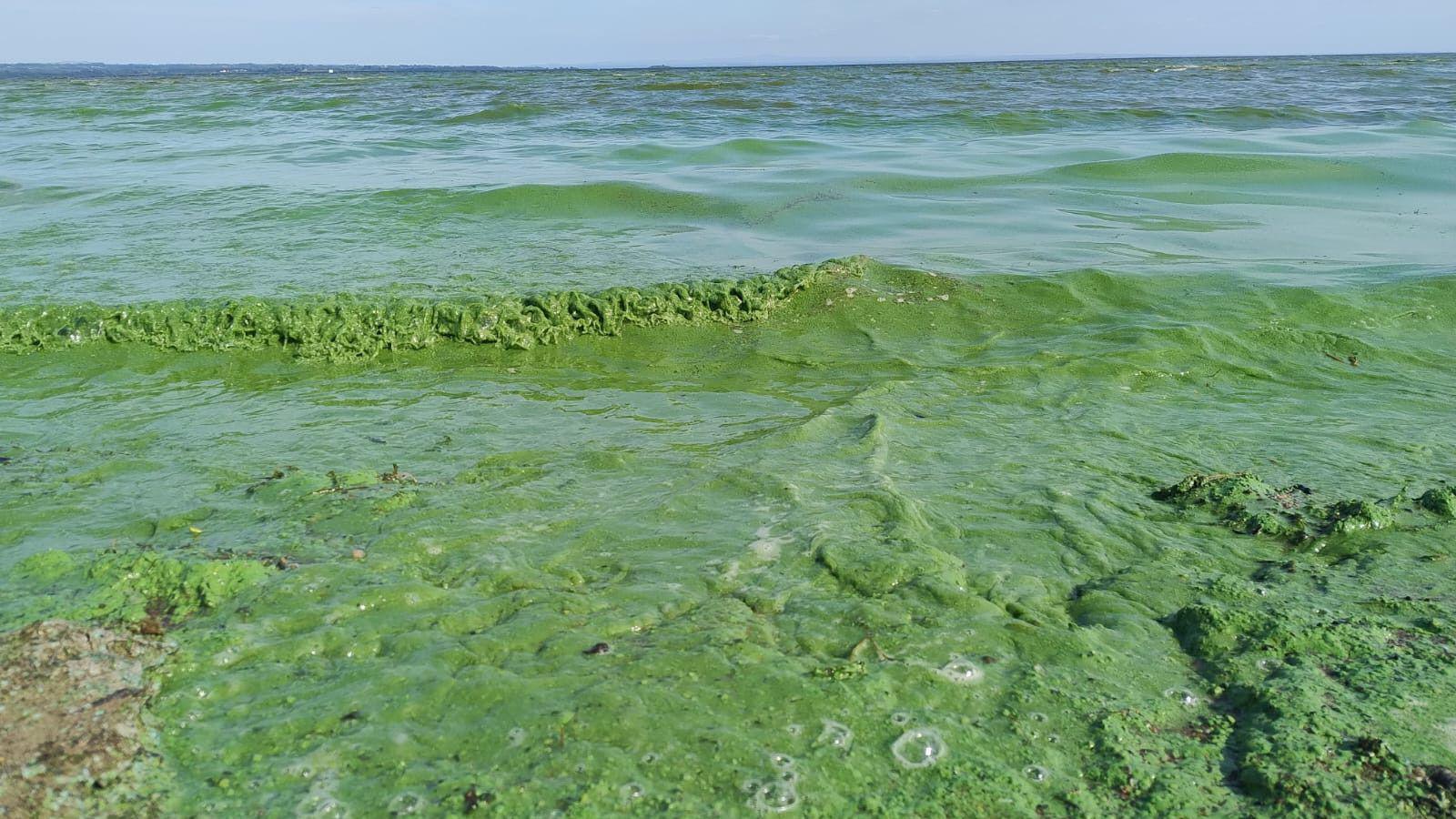
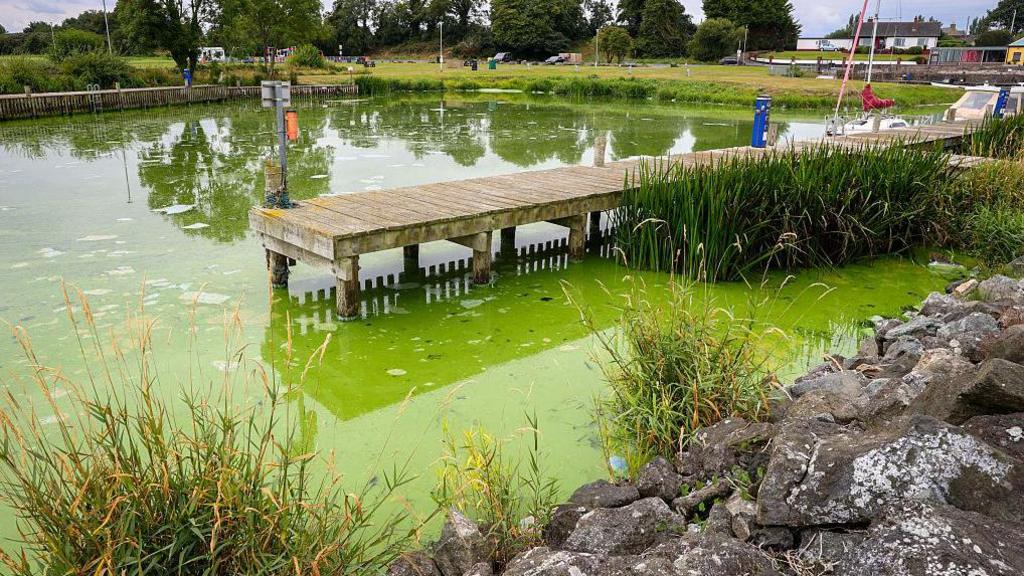
 A main priority is addressing nutrient pollution - the main cause of the blue-green algal crisis in Lough Neagh
The first is effectively addressing nutrient pollution, which is the main cause of the blue-green algal crisis in Lough Neagh.
The report said that pollution by nutrients from agriculture and wastewater was "a longstanding, severe and chronic problem that affects the economy, society and environment".
And it said tackling nutrient pollution was crucial to achieving the EIP's targets and outcomes for air, water and land quality, or for nature's recovery, and climate change.
The second priority area is speeding up action on the circular economy - this approach seeks to keep products in use for as long as possible, reducing waste.
The OEP said this was essential to address the underlying drivers of environmental degradation and nature loss.
And the third priority is ensuring nature's recovery.
Northern Ireland is regarded as one of the most nature-depleted parts of the world, with 12% of species at risk of extinction.
The OEP said a focus on restoration and nature-positive use of land and sea was key to delivering the EIP's strategic environmental outcomes.
'There is hope'
McDonald said there were good examples of people working together with the executive departments to improve things.
"There are good examples in the Antrim Hills of improving peat restoration, and that improves water quality and nature's recovery - similarly in the Lough Derg catchment, working with farmers to reduce herbicide inputs," he said.
"So those small projects can be very successful and it shows that there is hope, things can be turned around if you put the right effort and the right resource into them."
But the report calls for urgent and sustained action, with some key targets in 2030 rapidly approaching.
 Image caption,
 Environment Minister Andrew Muir said there were no quick fixes for the wider issues
The Department of Agriculture, Environment and Rural Affairs (Daera) acknowledged that "serious challenges" remained when it published its first progress report in January.
Daera Minister Andrew Muir said there were "no quick fixes for the wider issues threatening our environment".
"I am hopeful that we can collectively take the steps required to allow nature to recover with a change in perspective from everyone that recognises the importance of investing in environmental protection," he said.
He said there must be a "collective endeavour across government, especially in relation to wastewater".
Related topics
Water problems are stopping me from moving back to my home village
- Published22 March
How can Lough Neagh's blue-green algae problem be solved?
- Published22 October 2025
Who will pay for NI's water infrastructure?
- Published29 June 2025

'Significant change' needed to tackle agri pollution
- Published30 April