 Image source, AFP via Getty ImagesImage caption,
 Beaufort is among the French cheeses to be covered by temporarily relaxed rules
ByHugh SchofieldParis- Published30 minutes ago
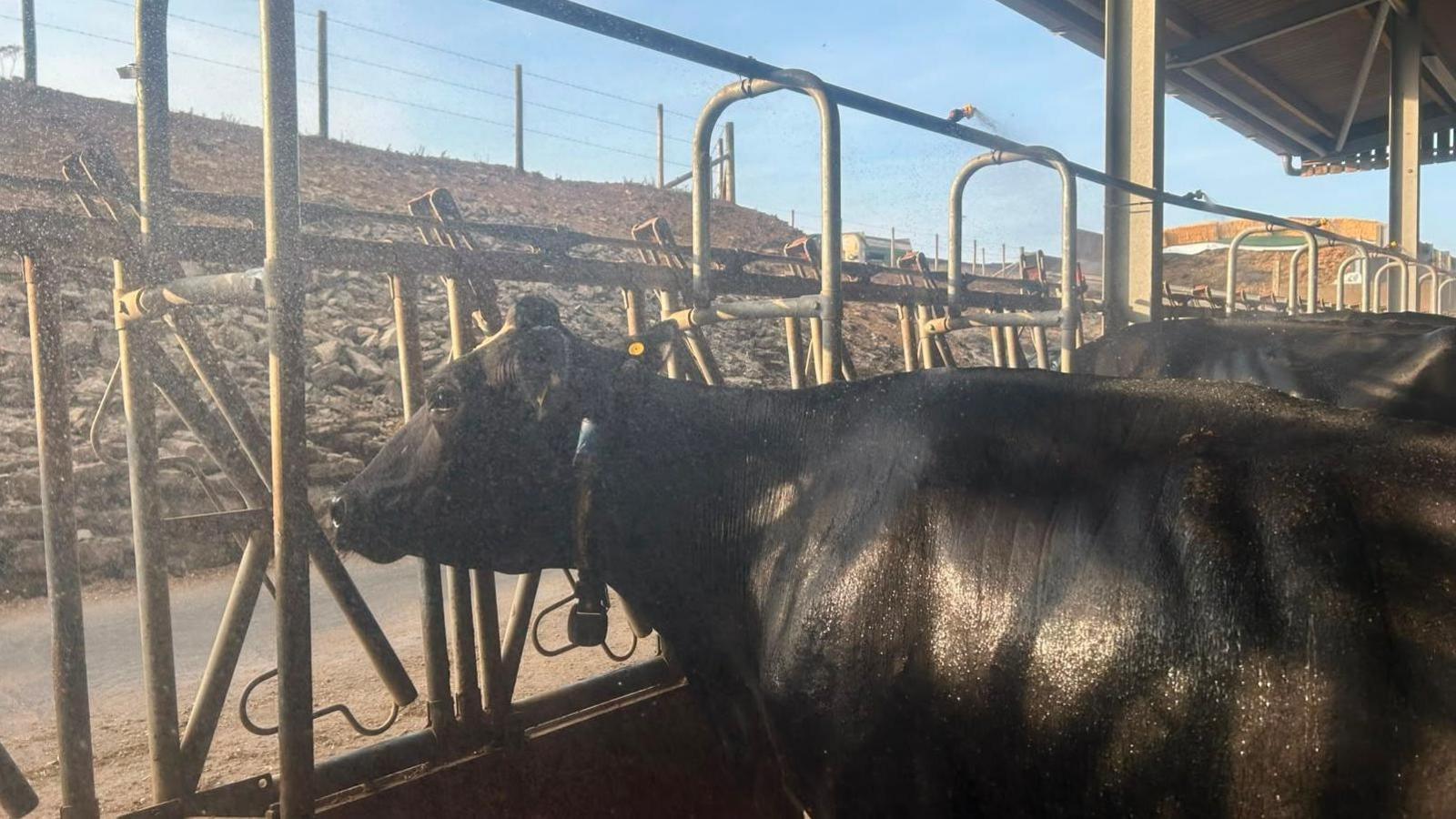
France has temporarily relaxed rules for making some of its best-known cheeses after the summer drought drastically reduced the amount of grass available to feed milk herds.
Government decrees to grant dispensations to manufacturers of Abondance, Beaufort and Comté cheeses - which come from mountains in eastern France - appeared on Wednesday.
Several other cheeses are expected to receive similar waivers, allowing farmers to feed livestock with grass and hay brought in from outside their strict geographical zone.
These include Cantal, Bleu d'Auvergne, Fourme d'Ambert, Bleu du Vercors-Sassenage, Reblochon and the goats cheese Rocamadour.
 Image source, AFP via Getty ImagesImage caption,
 This summer's drought has left much of France's pastures parched
The National Institute for Origin and Quality (INAO), which regulates France's labels of origin, has also approved temporary changes to the rules for other protected produce because of the effects of the summer heat.
Products that will benefit include some types of Calvados and cider from Normandy, Crémant d'Alsace fizzy wine, lamb from Poitou-Charentes, and Reine-Claude plums.
Certificates of origin allow farmers to sell at a premium, but they come with strict regulations governing the location and method of production.
The aim is to preserve the unique identity of cheeses, wines and other foodstuffs, supposedly linked to their particular terroir - a French concept that links locality and tradition.
Because of a 2026 drought - which the INAO now describes as "historic" - farmers are being allowed to bend the rules for a short period.
Makers of Abondance cheese in the Alps, for example, will be authorised to reduce the amount of pastured grass in their animals' diet from 50% to 15%. They will be entitled to import forage from outside their zone, and use some supplements.
Makers of Comté cheese in the Jura mountains will be able to replace the local green maize they usually give to their cattle with maize from elsewhere.
The derogations are allowed in French and European law for periods of exceptional weather. Similar measures came in after the dry summer of 2022.
It will be interesting to see if the changes lead to any detectable change in the taste or quality of the cheeses - or to the quantity produced and how it is priced.
Longer term, the measures raise questions over the viability of the existing labels of origin in France and elsewhere.
If changing climate means that certain foodstuffs can no longer be produced in their traditional localities, then the idea of terroir will be stretched to its limits.
Related topics
France links sharp rise in drownings to heatwaves
- Published4 days ago

Wildfires in south-west France flare up as region braces for new 40C heatwave
- Published29 July

How cow showers and fans help farmers keep cattle cool
- Published29 July