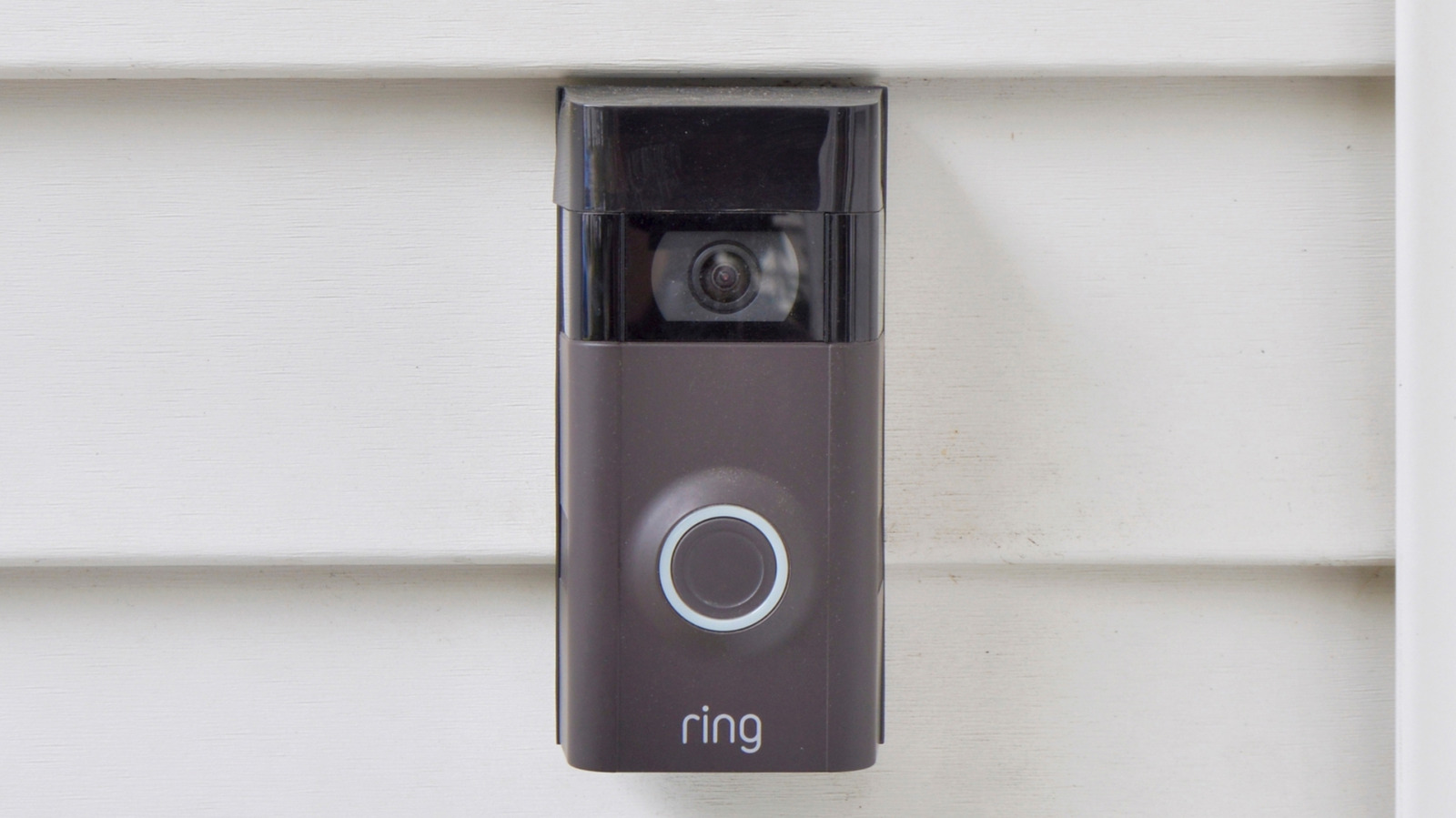
Simply putting the camera on your front door may not be enough.
By Roger Fingas Nov. 15, 2026 4:30 pm EST Jonathan Park/Shutterstock Add Engadget on Google: Preferred Source Google Discover
Let's be blunt here. There are good reasons to skip Ring for your home security, from ongoing privacy concerns to some key features relying on a subscription. At the same time, it remains the most practical security platform for a lot of people, at least in the US. That's especially true if your smart home platform of choice is Alexa, which is likewise owned by Amazon.
If you are going to use Ring, it's vital to maximize your setup's efficiency. Some of the company's products can be costly, and your goal here is to deter and record intruders (although you'll need a Ring subscription to do this), not just maintain an illusion of security. If that's all you care about, you might as well slap a few ADT stickers on your home along with a "Beware of Dog" sign.
Efficiency isn't about covering the widest area — it's about thinking like a thief, yet spending as little as possible for the results you need. You also need to be concerned about minimizing false alerts.
The principles you need to know for your Ring system
 Frame Stock Footage/Shutterstock
Your first consideration should be capturing all possible points of entry — and we mean all of them. Don't just position cameras over your doorways. If you've got a side alley, for example, it's possible that an intruder could climb a fence and break in without ever appearing on your door-based video feeds. Give your outdoor cameras overlapping views when possible, and make sure they're installed around 9 feet high, excluding doorbells. This will not only ensure a wide field of view, but make it harder for intruders to smash or tamper with your equipment. That said, cameras should also be easily visible beyond your property. Any halfway intelligent thief is going to think twice if they know they're being recorded.
Ring is eager to sell you indoor cameras, but these aren't actually necessary unless you're hoping to monitor a child, pet or guests. By the time an intruder makes it indoors, all you're really doing is capturing further evidence of their crimes. If you do buy indoor cameras, position them high in the corners for broad coverage, with an eye toward entryways.
Once cameras are in position, be sure to spend time customizing their Motion Zones via the Ring app. This can prevent unwanted motion detection from objects such as passing traffic or trees blowing in the wind. But really, you'll also want to turn on Advanced Motion Detection if a camera supports it, and most importantly, Smart Alerts. These let you narrow alerts to people, packages and/or vehicles, so when you receive notifications on your phone, you'll know to take them seriously instead of tuning them out. Smart Alerts do require a subscription, so remember that before you come to depend on them.
Redundancy can be a lifesaver
 Craig Russell/Shutterstock
A factor that's all too easy to neglect is redundancy. You should always have a backup battery available for your cameras powered by removable batteries, for example, because it can take hours to fully recharge one. You may also want spare cables or installation tools.
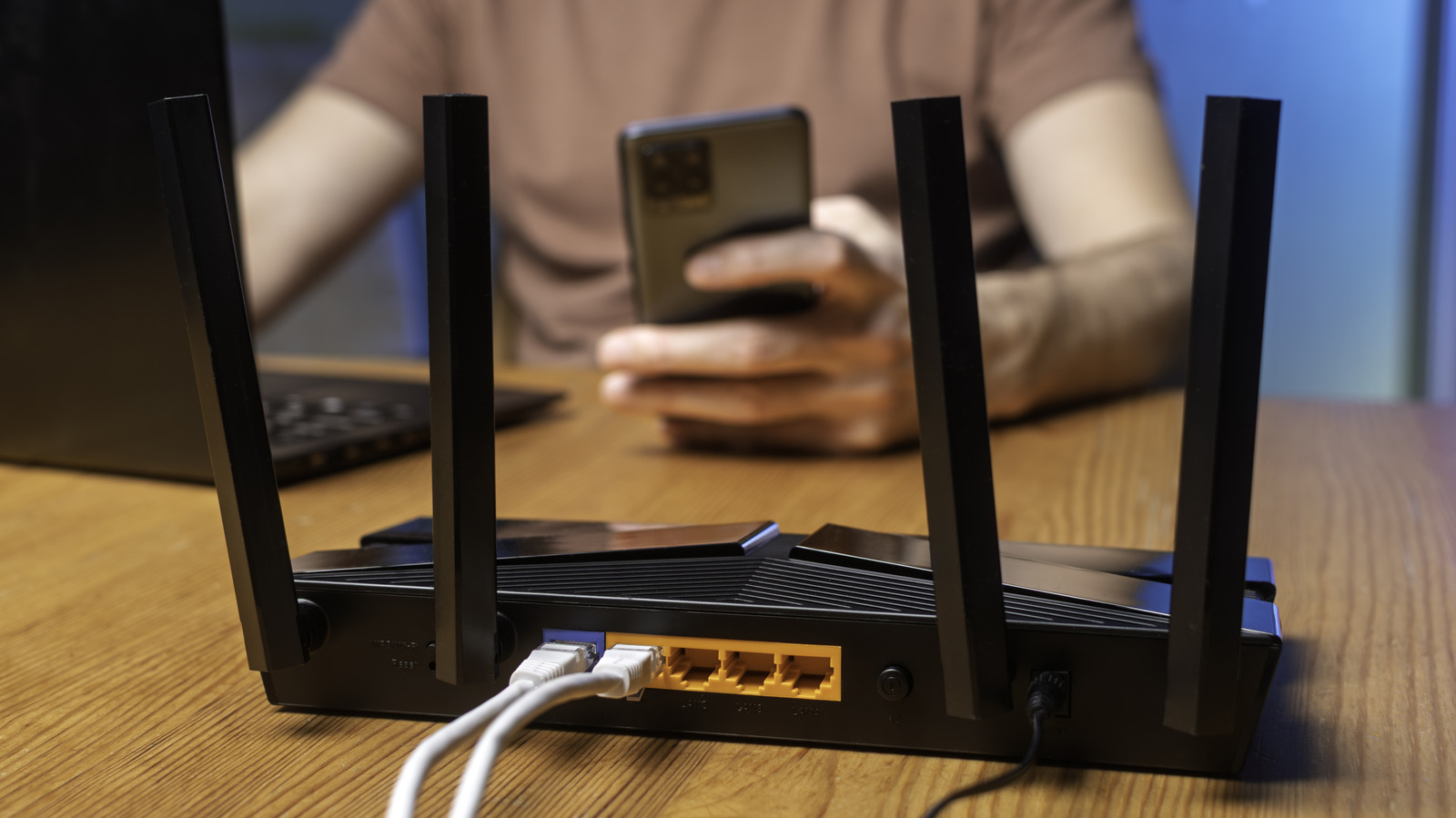
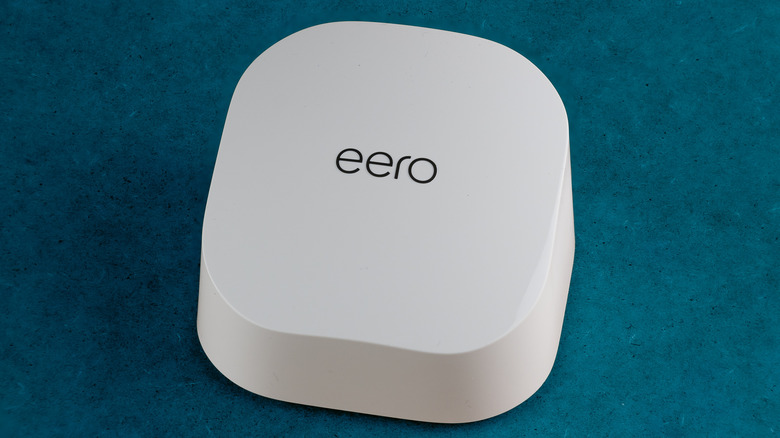
Even more critical is the quality of your Wi-Fi network, since you need a stable signal for uninterrupted video. Be sure to test for any weak spots or dead zones, and consider upgrading to a mesh system if you can't fix them with better router placement. You don't need to go with Amazon's eero routers, but if you can't afford any downtime whatsoever, look into models with cellular backup features. These can keep your entire network online at the cost of a monthly fee. You may want power backup too, however, and that can get very expensive on the whole-home level.
Lastly, don't forget to consider supplementing your cameras with door and window sensors (tied to a Ring Alarm system), as well as automatic lighting. While newer Ring cameras do have great night vision, lights from Ring or otherwise can improve video clarity further and make intruders visible to everyone. Just make sure lights aren't blaring into your neighbor's windows or too easily triggered by people passing by.