
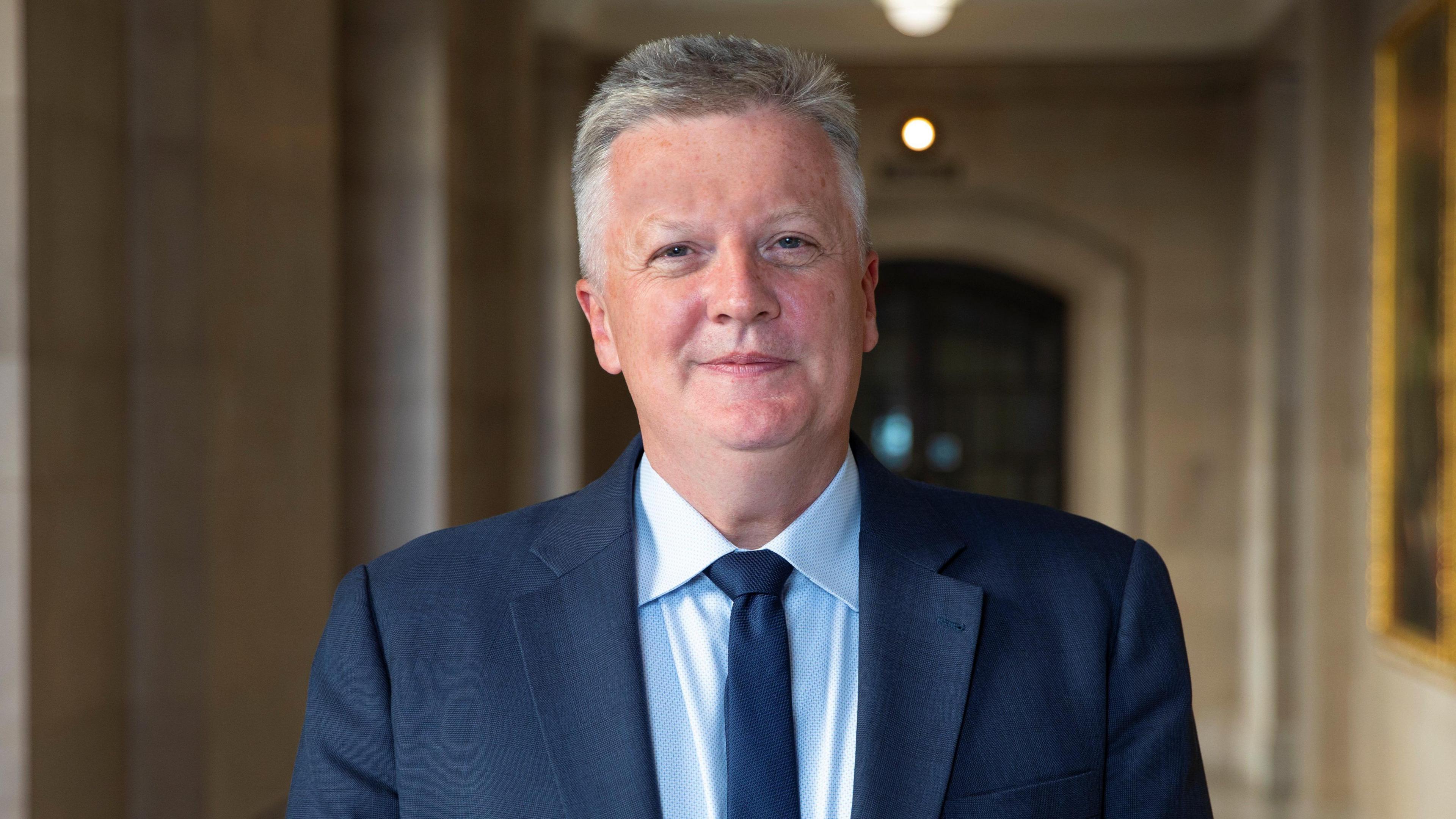
 Image source, PA MediaImage caption,
 Huw Pill went to Whitchurch High School in Cardiff
ByFelicity EvansWales money editor- Published1 hour ago
Interest rates may need to increase this year to keep rising prices under control, according to the Bank of England's chief economist.
Huw Pill, who is from Cardiff, told the Walescast podcast that the "speed limit at which you can run the economy is a bit lower than it's been in the past".
Pill is one of only nine people in the UK who decide what the Bank of England's interest rate should be - something which affects the cost of mortgages and the rates at which prices rise.
He went to Whitchurch High School in Cardiff, whose alumni include some of Wales' best known sporting heroes.
Unlike them, he has had a chance to see the 400,000 bars of gold bullion stored at the Bank and has confirmed that they're "amazingly shiny."
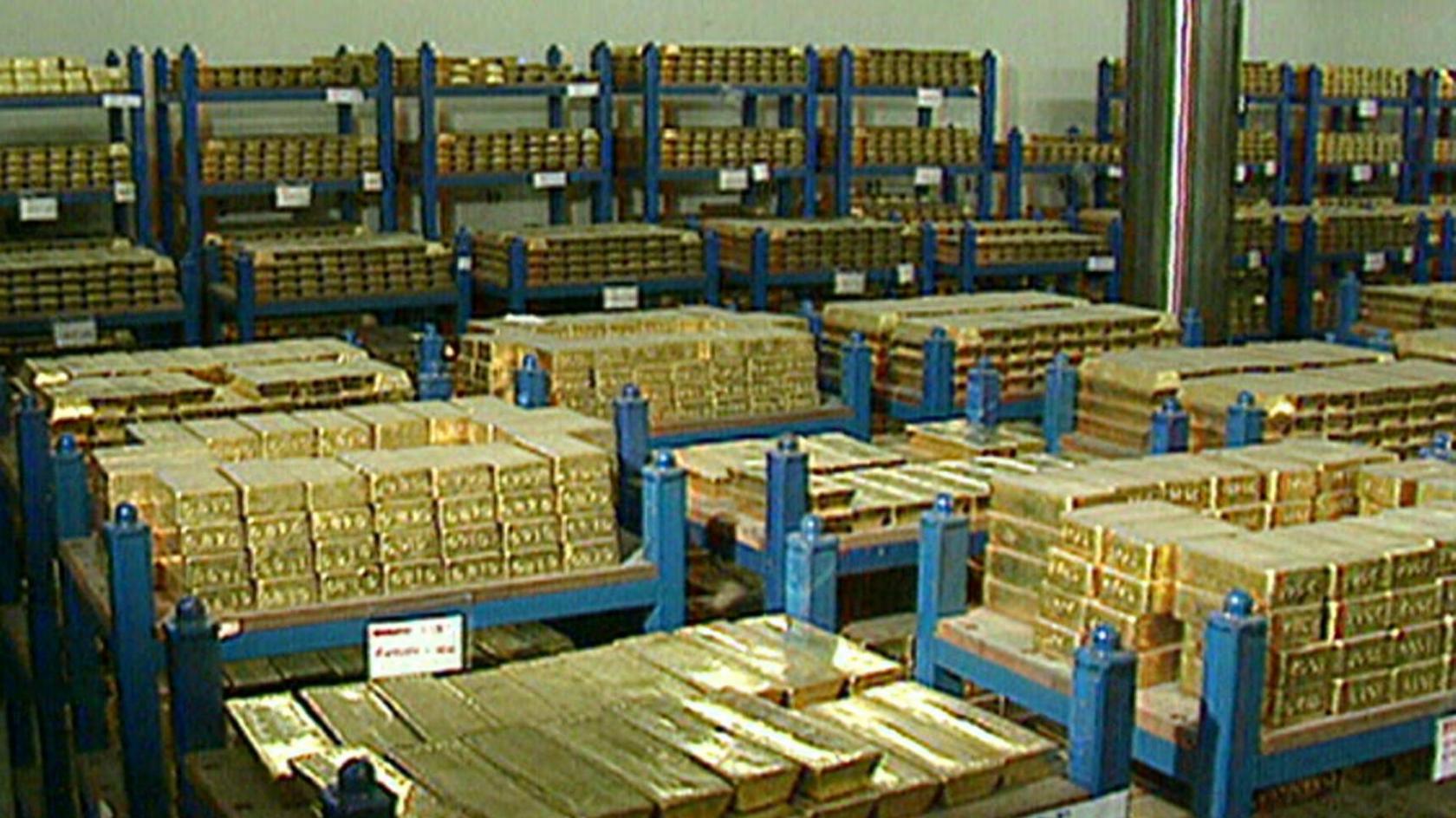 Image caption,
 The Bank of England keeps billions of pounds worth of gold bullion in its vault
Pill is a member of the Monetary Policy Committee (MPC) which decides whether to raise or lower the Bank of England interest rate.
This rate helps determine the cost of mortgages, other borrowing and the return savers get on their money. It also controls inflation which is the rate at which prices are rising.
The Bank of England has an inflation target of 2%, but the rate currently stands at 2.8%.
In Conversation with the Bank of England's Chief Economist
Fliss and James speak to Huw Pill about his Welsh roots and his journey from Cardiff to one of the most influential economic roles in the country
Listen on SoundsPill believes interest rates will need to increase this year to keep inflation down.
He was in a minority of MPC members who voted for an increase in interest rates in June.
"I've been at the bank for 56 months, inflation's been at or below target for three months, it's been above target for 53 months," he said.
"So I think that's a reflection of the fact that, in part, we've had some bad luck, we've been subject to challenges, but perhaps we've been a little bit over optimistic about what the trend growth in the economy is."
What is happening to UK prices?
- Published17 June
Raising productivity key to higher Welsh wages, says minister
- Published3 June
Interest rates held as Bank warns of impact of high energy prices
- Published18 June
He said that productivity, which measures how efficiently people work, has slowed down in the UK.
It is also a particular problem in Wales where it is the lowest of the four home nations and around 15 percent lower than the UK average, external.
People in Wales also earn lower wages than the UK average, and the country has some of the highest rates of welfare claims.
Pill said improving the efficiency of the Welsh economy is the key to raising living standards.
Things like better infrastructure "to link places together" and creating "a better educated workforce" are recognised drivers of productivity.
But he acknowledged that it is "a very difficult thing to deliver" in an uncertain world, where "public finances are constrained" and politicians face "hard decisions".
Before joining the Bank of England, Pill previously worked at the European Central Bank from its inception through to the Eurozone crisis, when the survival of the single currency was in jeopardy.
He said the ability of a central bank to set interest rates and print money were powerful tools, but they were also blunt tools.
"It doesn't allow you to solve all problems," he said.
Pill said countries like Greece, Spain Portugal and Ireland had to go through "a lot of pain", with politicians making "difficult decisions" about changing their economies.
But "they have come out the other side in stronger shape," he argued.
Inside the century-old building standing above 400,000 gold bars
- Published16 September 2025
Since taking up his role at the Bank of England, Pill said he had only seen the billions of pounds worth of gold bullion stored in the vaults once, when the MPs on the Treasury Select Committee visited.
"Perhaps unsurprisingly, they're not encouraging people to go down there too often," he said.
But "it's very heavy and it's amazingly shiny," he added.
You can listen to the full interview with Huw Pill on Walescast on BBC Sounds.


