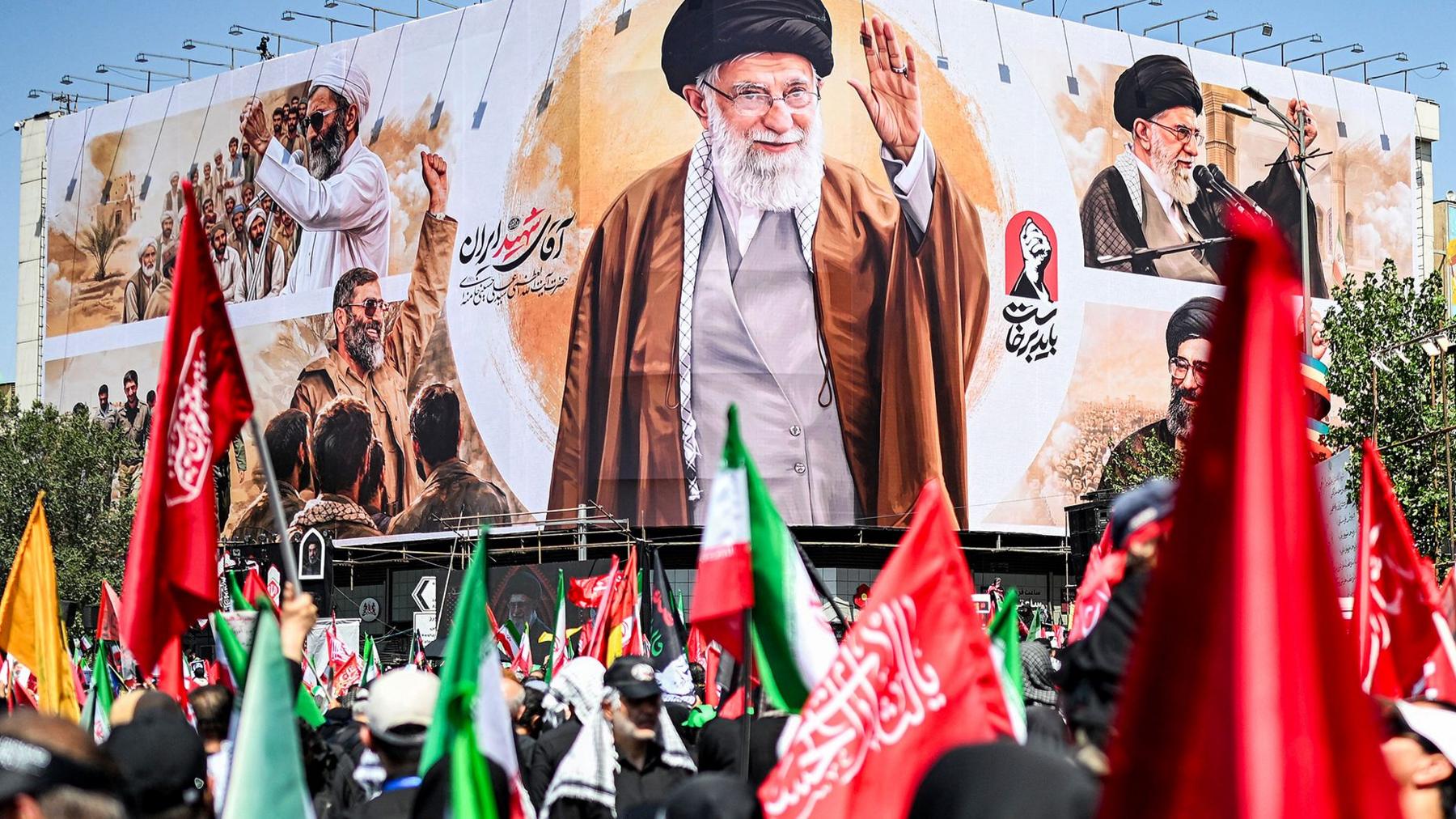
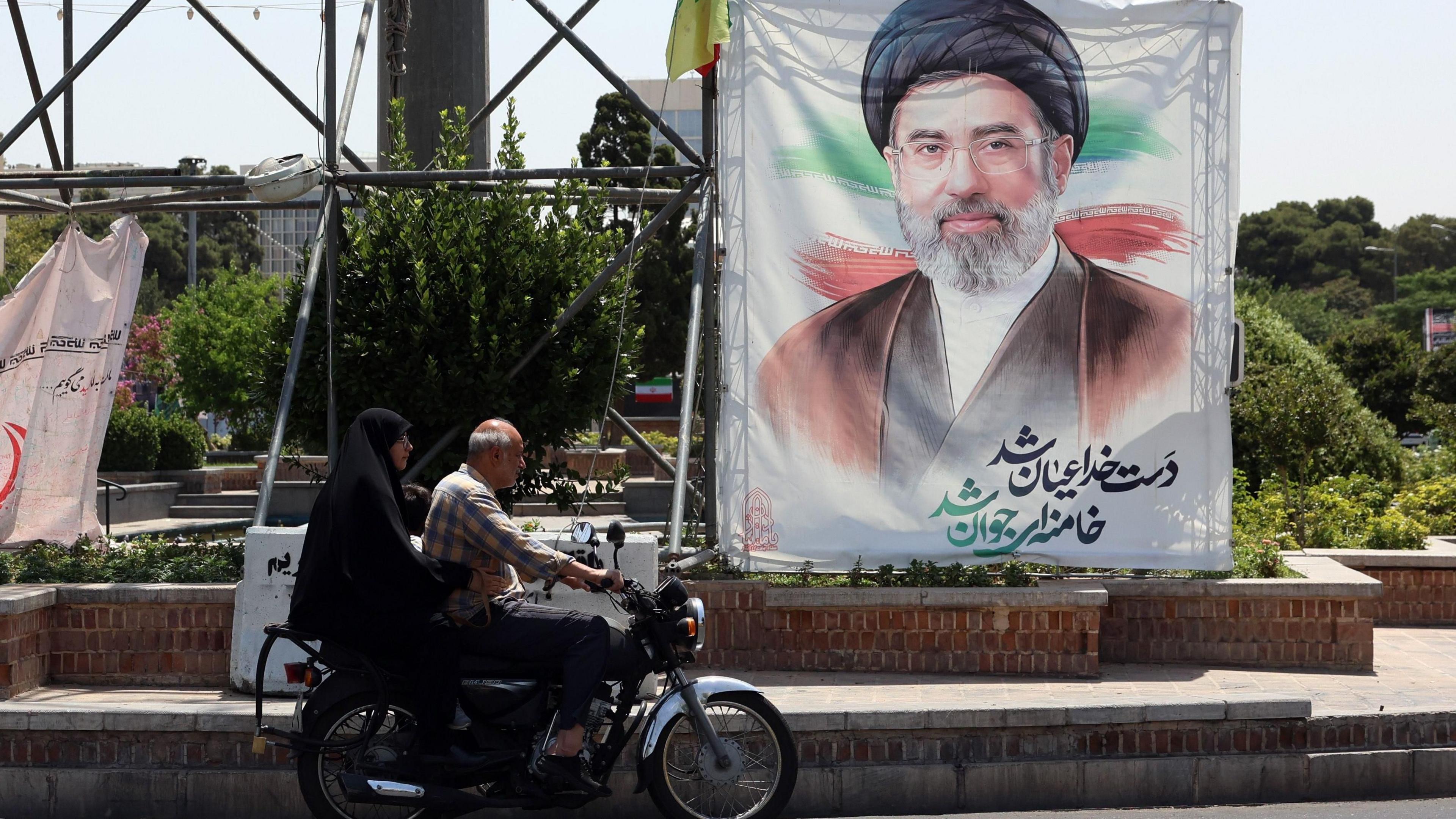
 Image source, EPAImage caption,
 Mojtaba Khamenei has not been seen in public since the conflict started in February.
ByRobert Greenall- Published15 minutes ago
Iranian Supreme Leader Ayatollah Mojtaba Khamenei has called for revenge for the death of his father and predecessor Ayatollah Ali Khamenei.
He said vengeance was the "will of the nation" in a written statement read out on state TV. It was his first public message since his father's funeral ceremonies began this week.
Khamenei senior, 86, was killed in an air strike on 28 February, the first day of the US-Israeli war against Iran.
Meanwhile US President Donald Trump has warned any Iranian plans to kill him would see the US "decimate and destroy all areas" of Iran in response.
How Iran's new regime is very different to what came before
- Published6 days ago
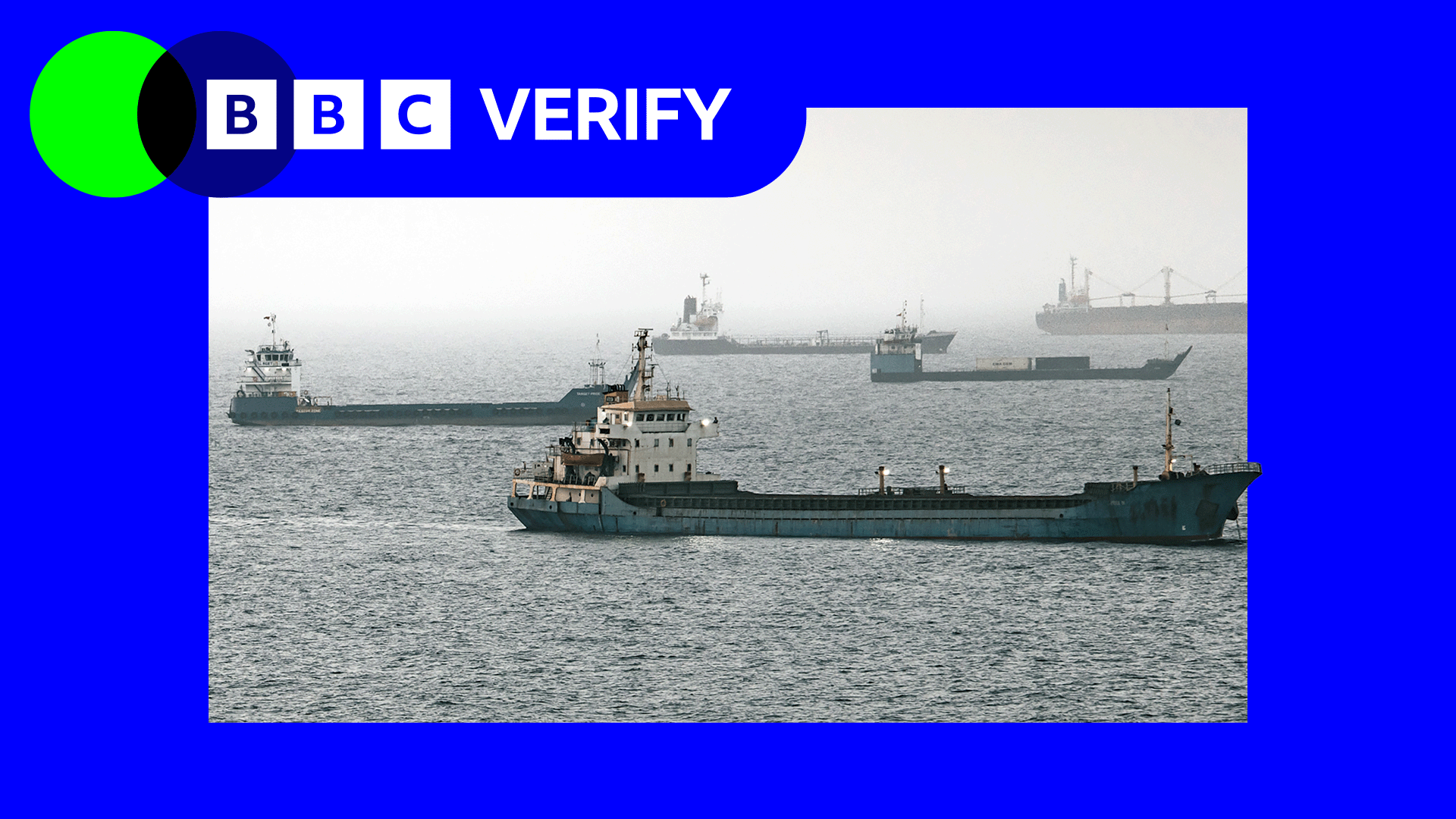
The threats came after an exchange of strikes between the US and Iran earlier this week, sparked by attacks on three commercial tankers, purportedly by Iran.
The exchanges have raised tensions between the two sides, prompting Trump to declare the ceasefire over, though he said talks aimed at ending the war would continue.
Ali Khamenei was buried in his home city of Mashhad on Friday after nearly a week of funeral ceremonies.
His son has not been seen in public since before the war, and is rumoured to have been disfigured in the strike which killed his father.
But his statement on Saturday was uncompromising.
"We pledge to avenge the blood of the martyred leader and all the martyrs of these two wars from the criminal and disgraced killers," he was quoted as saying.
"Vengeance is the will of our nation and must inevitably be carried out.
"The matter depends neither on my personal existence nor on that of other officials. Whether we are present or not, it will come to pass."
Those responsible "will take the wish for a peaceful death in their beds to their graves", he added.
There have been open calls for Trump's assassination at the funeral.
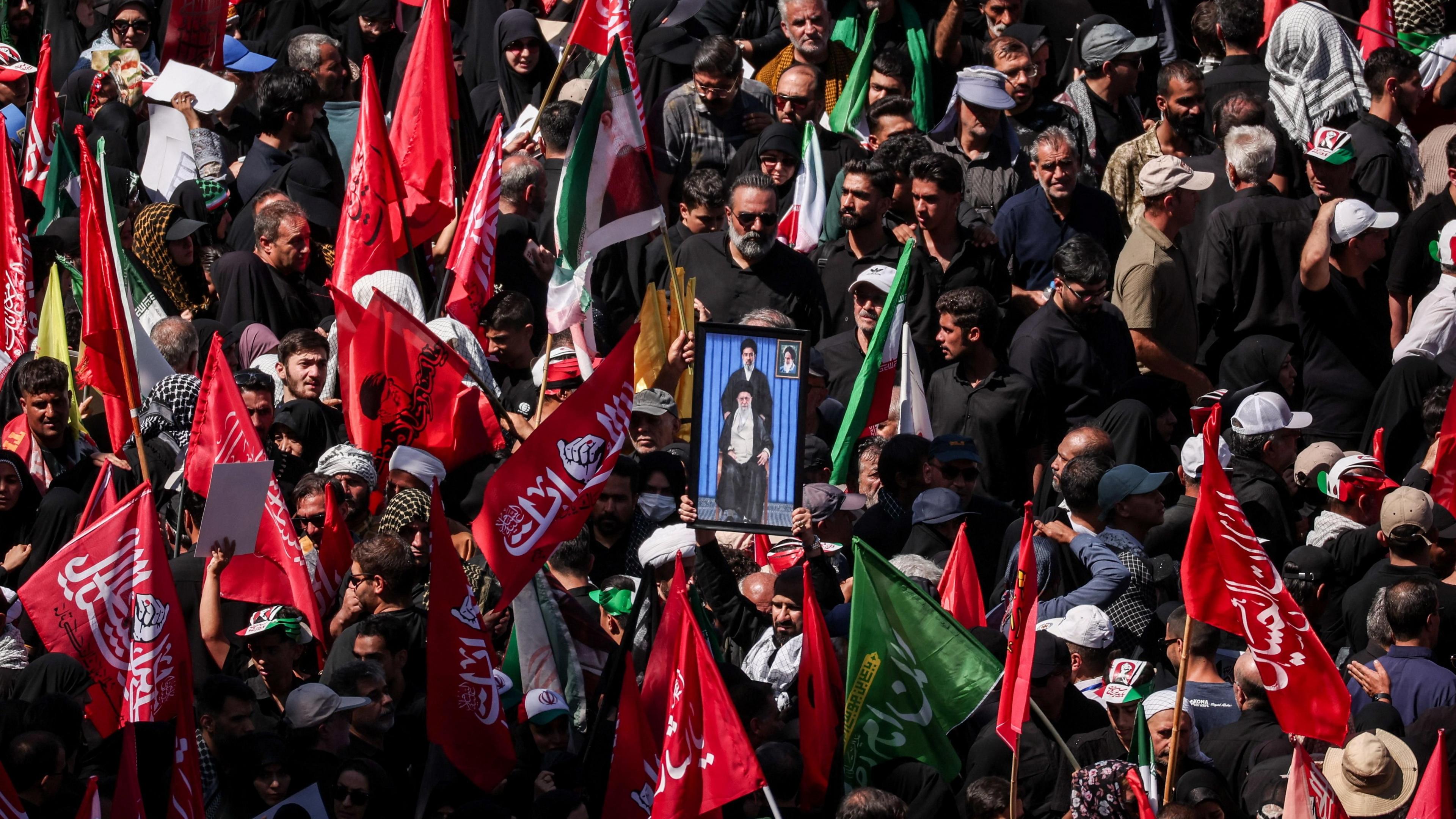 Image source, ReutersImage caption,
 Calls for the assassination of Donald Trump were heard at funeral ceremonies for Ayatollah Ali Khamenei in Mashhad
In the early hours of Saturday, Trump responded to reports that Iran had plans to assassinate him.
The US would "completely decimate and destroy all areas" of the country in retaliation to such an attack, he said.
The Wall Street Journal and other US media reported this week that Israel had shared intelligence with Washington that Iran had recently devised a plan to assassinate the US president.
However, Trump denied that Tehran had made a fresh plan or that Israel was the source of any intelligence. He told the New York Post in an interview that he had been "No. 1 [on Iran's kill list] for a long time".
To play this video you need to enable JavaScript in your browser.
This video can not be played
Figure caption,Fire blazes in Iran after "powerful" US strikes
Despite the threats being traded, mediators are still working to revive talks, and Iranian Foreign Minister Abbas Araghchi is currently in Oman for discussions.
US officials say they have conveyed through mediators the demand that Iran publicly state that the Strait of Hormuz, a vital international shipping route, is open and pledge to stop firing on commercial ships.
According to US media, Iran told American officials the attacks on tankers were a mistake and blamed a rogue internal group.
The incident prompted a series of US strikes on around 90 targets across Iran. On Saturday Iran's Health Ministry said 17 people were killed in the strikes and 115 injured. Iran responded with strikes on US allies in the Gulf.
The war began with US and Israeli attacks on 28 February, prompting Iran to attack Israel and US targets and allies in the Gulf.
In June, the US and Iran signed a ceasefire agreement where Iran would, in part, give safe passage to commercial ships.