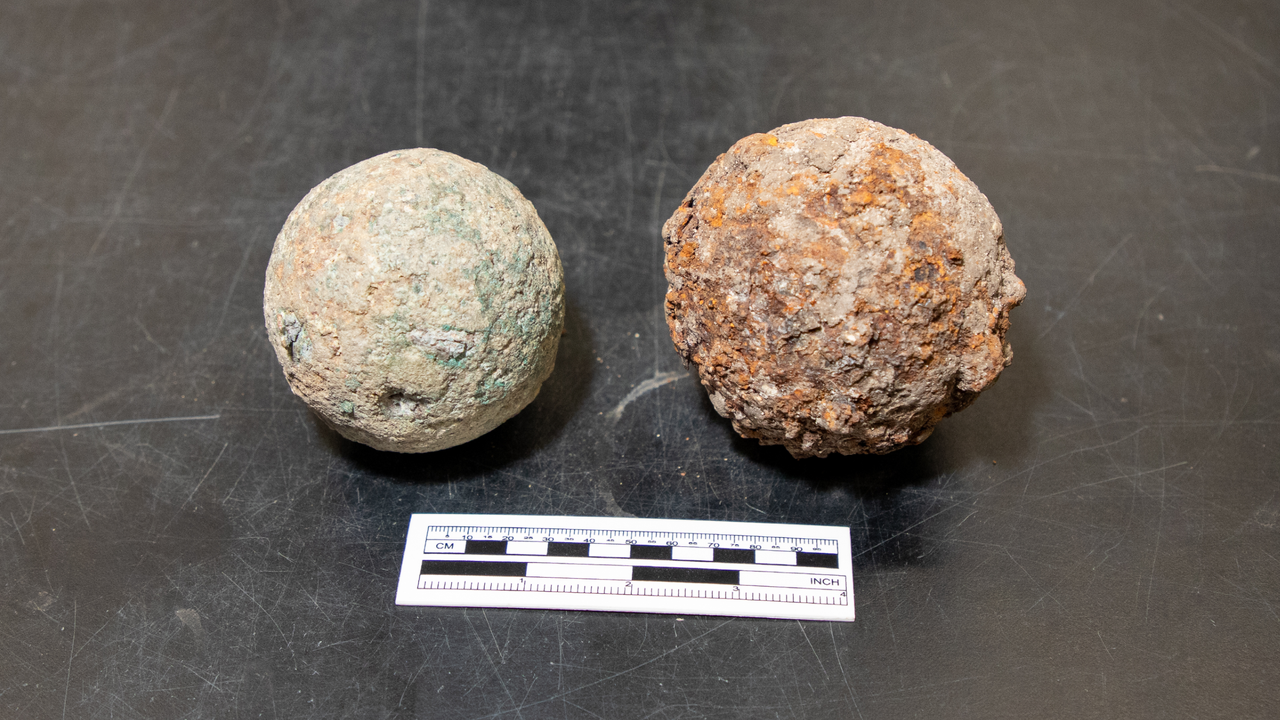
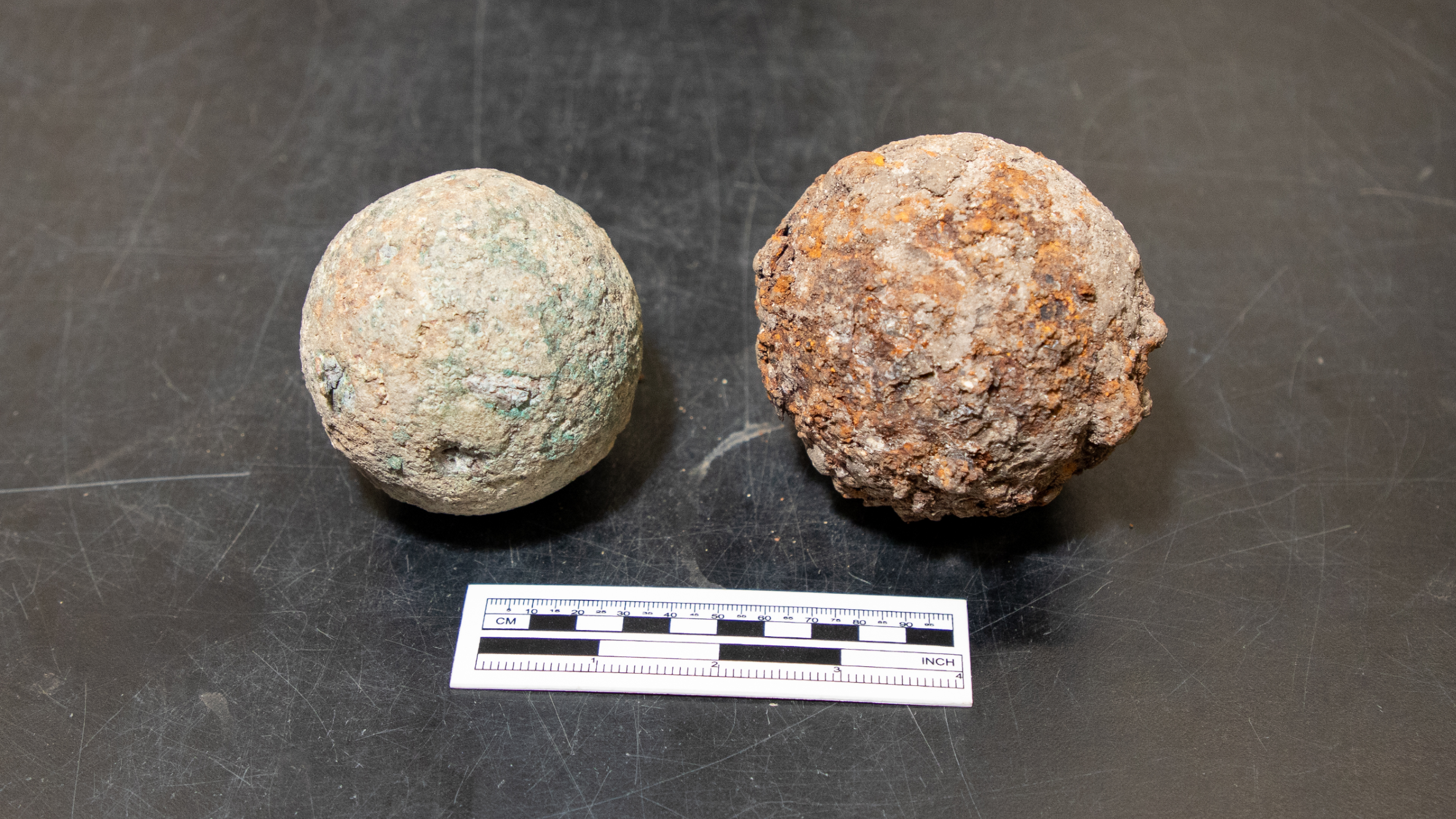
 Archaeologists at the Alamo have found two cannonballs from the famous battle in the past three months — one from the Mexican side (left) and one from the Texas side (right). (Image credit: Alamo Trust) Share this article 0 Join the conversation Add us as a preferred source on Google Newsletter Subscribe to our newsletter
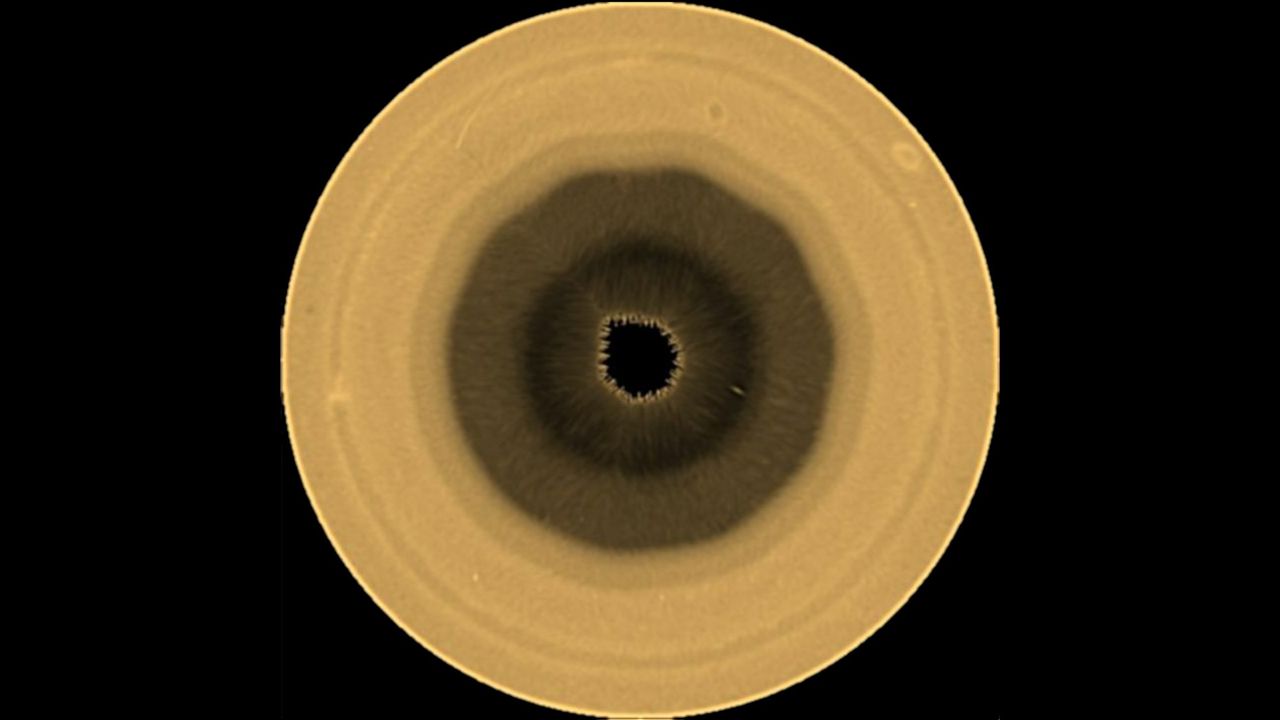
 Archaeologists have discovered an iron cannonball fired by Texans at the Battle of the Alamo in 1836. This is the second intact cannonball they have discovered from the famous conflict. The first one, a bronze cannonball, was found earlier this year and was likely fired by the Mexican army.
"It's a huge deal," Tiffany Lindley, director of archaeology at the Alamo, said in a video statement from Alamo Trust. "We all thought, 'There's no way we can top it,'" she said, referring to the bronze cannonball discovered March 5, just a day before the 190th anniversary of the conflict that killed Davy Crockett, "and then we found another one."
Sign up for the Live Science daily newsletter nowContact me with news and offers from other Future brandsReceive email from us on behalf of our trusted partners or sponsors 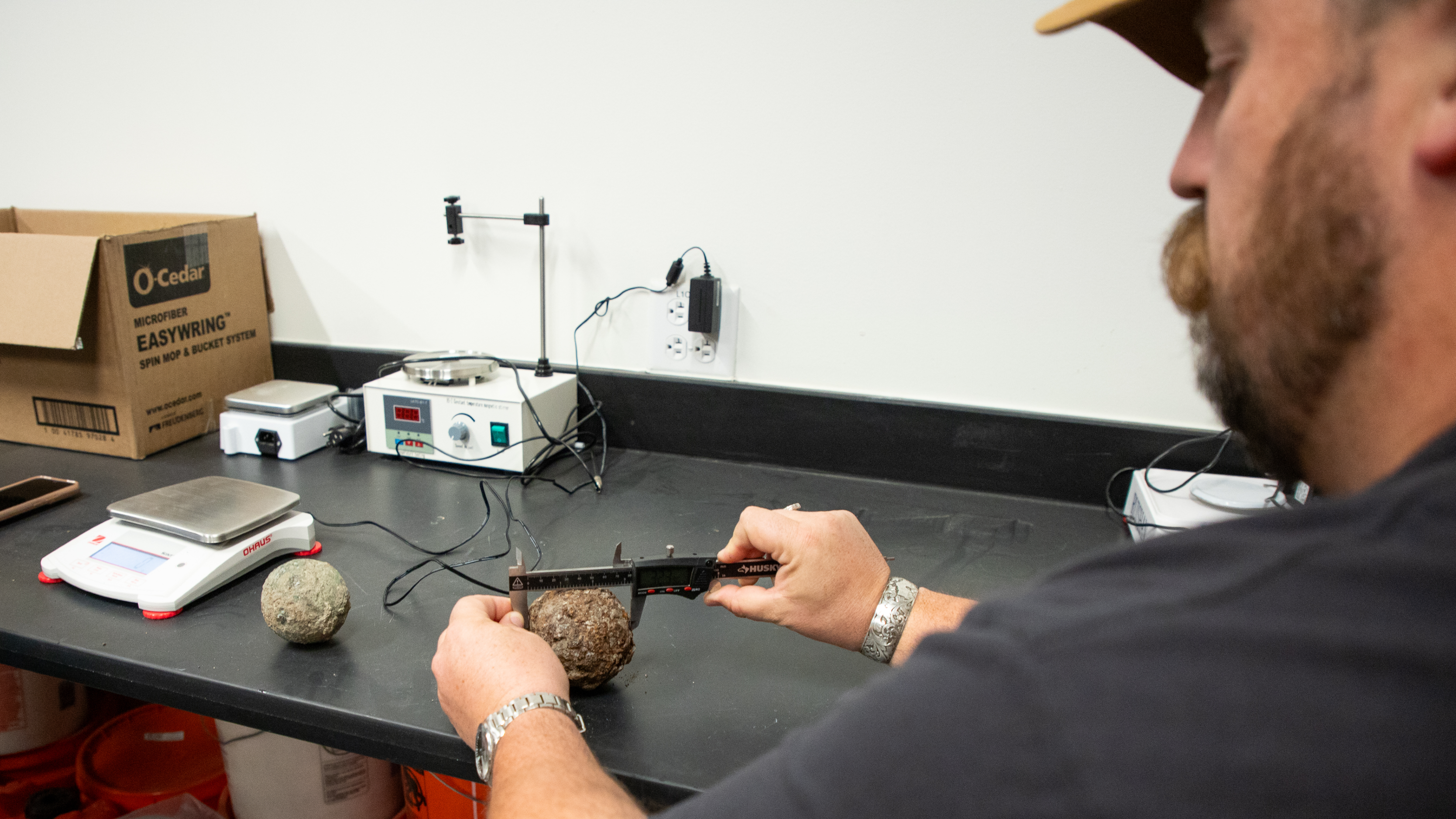
The size and weight of the cannonball suggests it was fired by a cannon that shot 6-pound cannonballs.
(Image credit: Alamo Trust)RELATED STORIES- 3 bodies found inside Alamo cathedral, reigniting dispute over Native American burial ground
- 6,500-year-old hunting weapons found in Texas cave are among the oldest known in North America
- Ancient rock art along US-Mexico border persisted for more than 4,000 years — and it depicts Indigenous views of the universe
 Kristina KillgroveStaff writer
Kristina Killgrove is a staff writer at Live Science with a focus on archaeology and paleoanthropology news. Her articles have also appeared in venues such as Forbes, Smithsonian, and Mental Floss. Kristina holds a Ph.D. in biological anthropology and an M.A. in classical archaeology from the University of North Carolina, as well as a B.A. in Latin from the University of Virginia, and she was formerly a university professor and researcher. She has received awards from the Society for American Archaeology and the American Anthropological Association for her science writing.
View MoreYou must confirm your public display name before commenting
Please logout and then login again, you will then be prompted to enter your display name.
Logout