- Today's top story
- The trend
- Science on the go
- Photo of the day
- Say it, said it
- Fun & games
- Follow Live Science on social media
Get the world’s most fascinating discoveries delivered straight to your inbox.
Become a Member in Seconds
Unlock instant access to exclusive member features.
Contact me with news and offers from other Future brands Receive email from us on behalf of our trusted partners or sponsors By submitting your information you agree to the Terms & Conditions and Privacy Policy and are aged 16 or over.You are now subscribed
Your newsletter sign-up was successful
Want to add more newsletters?
Join the club
Get full access to premium articles, exclusive features and a growing list of member rewards.
Explore An account already exists for this email address, please log in. Subscribe to our newsletterToday's top story
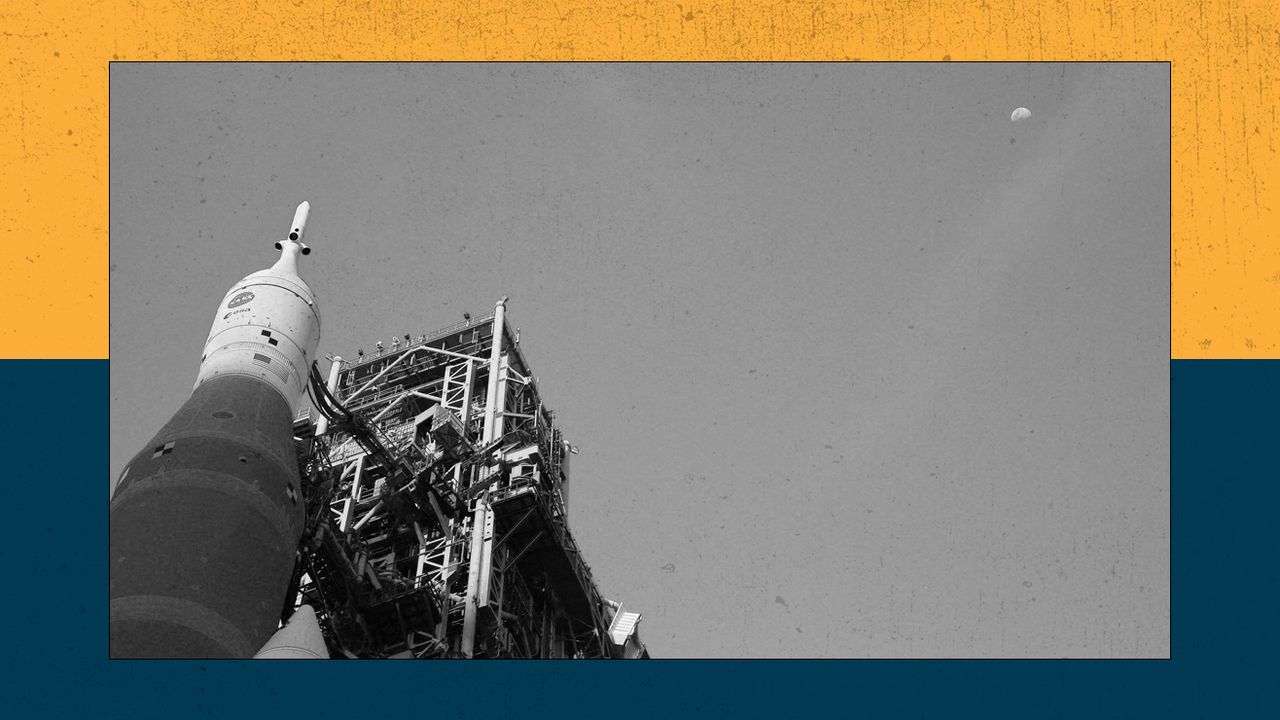
Artemis II rolls out, again
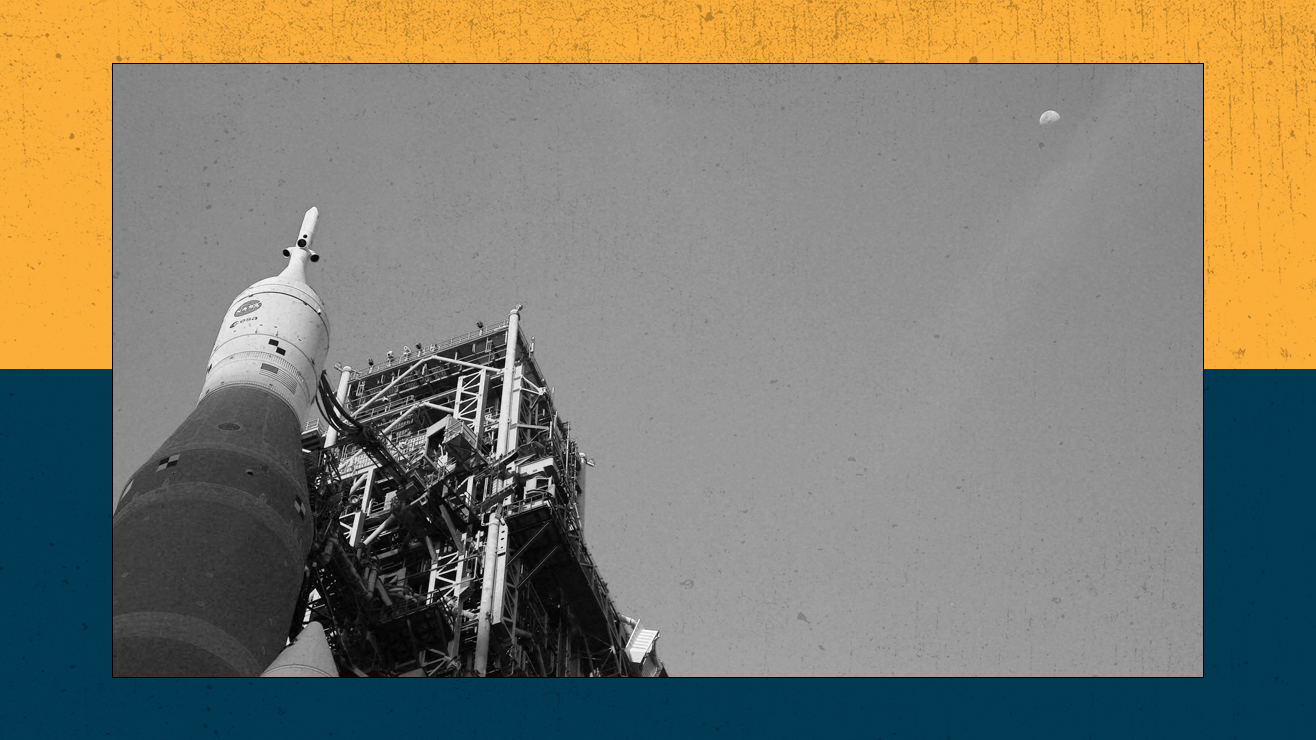
NASA is set to roll its Artemis II moon rocket back to the launch pad today, as the mission's four-astronaut crew enters quarantine ahead of a planned April 1 liftoff.
This is the second rollout of the enormous Space Launch System (SLS) and the Orion capsule perched atop it, the first having taken place on Jan. 17. But following two wet dress rehearsals and two leaks, NASA decided to wheel the rocket back to the Vehicle Assembly Building for repairs.
And that wasn't the first time an Artemis rocket had been sent back to the shop. The Artemis I SLS rocket went back to the Vehicle Assembly Building more than once in 2022, before eventually taking off and completing its uncrewed test flight around the moon later that year. The cumulative delays led NASA to announce a major overhaul of the Artemis program with the agency now aiming for annual launches, potentially dropping SpaceX and Boeing from its mission plans, and targeting two lunar landings in 2028.
Once Artemis II reaches the launchpad, NASA will conduct another wet dress rehearsal and a flight readiness review before it announces a launch window.
The trend
Auroring good time

The northern lights could be visible in the skies above 20 U.S. states near the Canadian border this week, after the National Oceanic and Atmospheric Administration (NOAA) issued a warning that two coronal mass ejections (CMEs) are due to strike Earth.
CMEs are plasma bursts ejected by the sun. If they clash with Earth's magnetic field they can trigger geomagnetic storms, disrupting satellites and communication systems, and causing auroras.
Thermospheric lightshows have been incredibly common this month, thanks to a hyperactive sun and Earth's side-on position relative to the sun during the spring equinox. Both phenomena have made March 2026 the best month for northern lights in nearly a decade.
Three to read
- All 5 'letters' of DNA found on an asteroid speeding through our solar system. What do they tell us about the origins of life? [Live Science]
- More than 150,000 uncounted COVID-19 deaths occurred early in the pandemic, a study finds [The Associated Press]
- Iran war could push global food insecurity to record levels, leaving 363 million people hungry [Live Science]
Photo of the day
Don't talk to me or my fry ever again
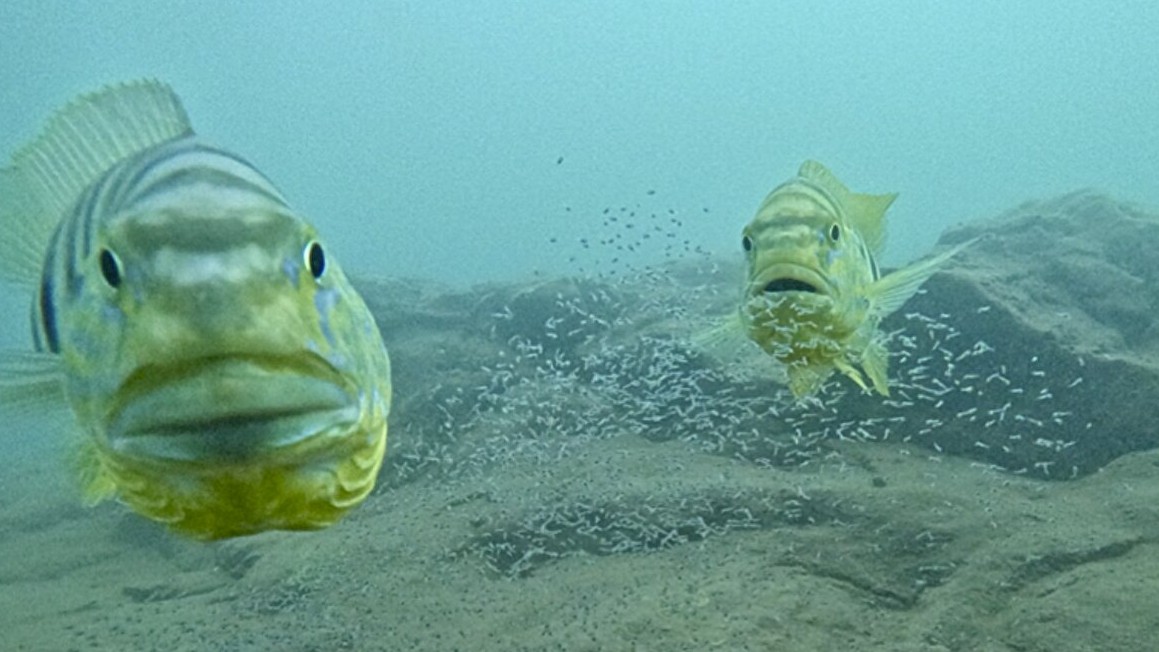
Emperor cichlids, which dwell in east Africa's Lake Tanganyika, don't take kindly to being stared at — being more likely to attack human divers who gaze at them.
Interestingly, the fish also responded with equal aggression when divers looked at their eggs or fry. This suggests they share the ability to infer intent from a gaze with primates and some birds.
Say it, said it
Word of the day
Doggerland — Named after a medieval Dutch fishing boat called a dogger, this now-sunken forest realm once connected Britain to mainland Europe during the last ice age.
Quote of the day
"We feed them tuna; like royalty, they dine on the ocean's top predators. In exchange, what do we get back?"
Rob Dunn, a professor of applied ecology at North Carolina State University, on our relationship with cats.
Fun and games
NASA is gearing up to return to the moon. But how quickly can you name all 12 Apollo astronauts who walked on the moon?
Follow Live Science on social media
Want more science news? Follow our Live Science WhatsApp Channel for the latest discoveries as they happen. It's the best way to get our expert reporting on the go, but if you don't use WhatsApp we're also on Facebook, X (formerly Twitter), Flipboard, Instagram, TikTok, YouTube, Bluesky and LinkedIn.
 Ben TurnerActing Trending News Editor
Ben Turner is a U.K. based writer and editor at Live Science. He covers physics and astronomy, tech and climate change. He graduated from University College London with a degree in particle physics before training as a journalist. When he's not writing, Ben enjoys reading literature, playing the guitar and embarrassing himself with chess.
View MoreYou must confirm your public display name before commenting
Please logout and then login again, you will then be prompted to enter your display name.
Logout LATEST ARTICLES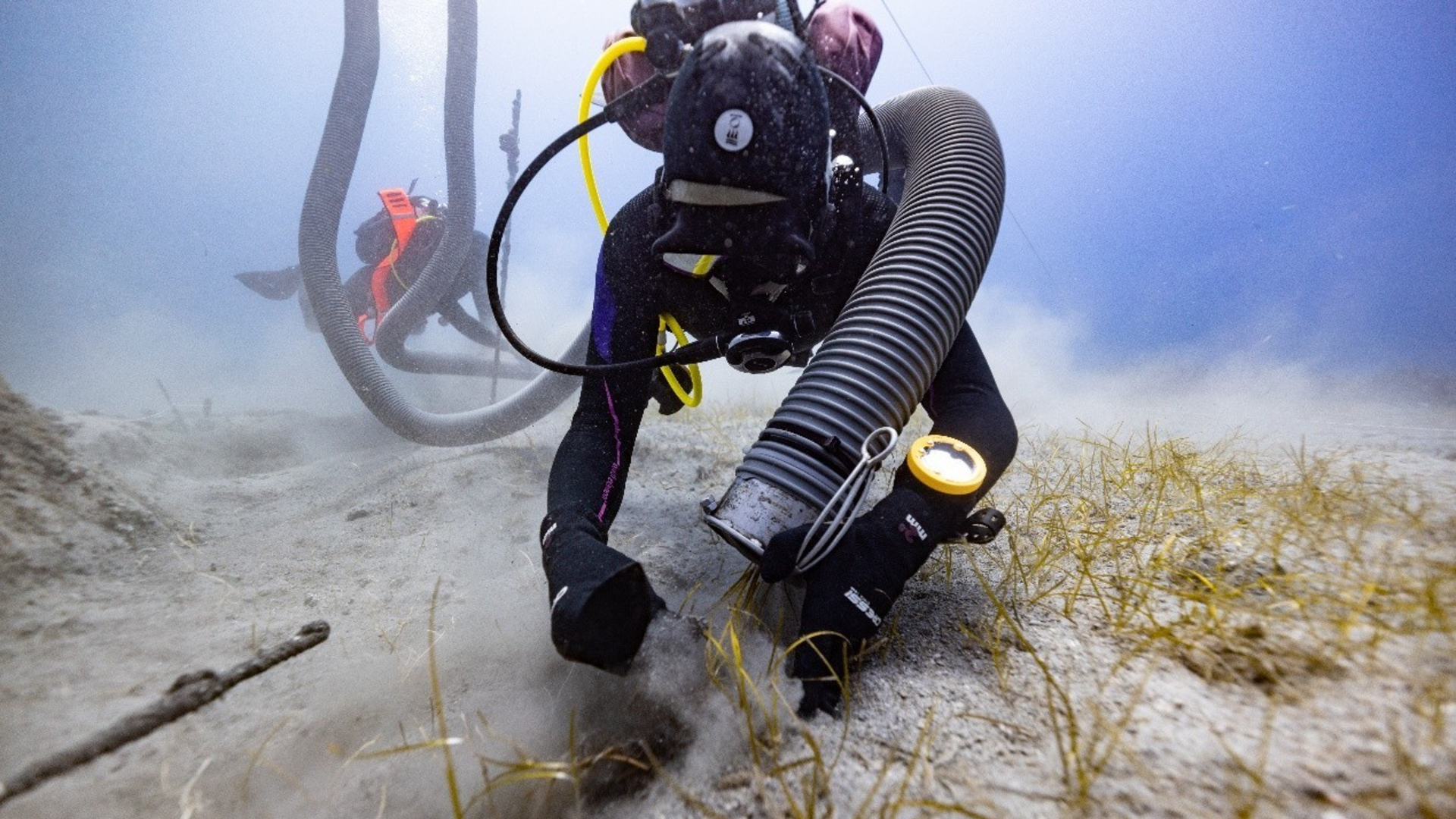 1Divers find marble treasure from Athens' Acropolis in Lord Elgin's shipwrecked brig at the bottom of the Aegean Sea
- 2All 5 'letters' of DNA found on an asteroid speeding through our solar system. What do they tell us about the origins of life?
- 3Artemis II: NASA is preparing for a return to the moon, but why is it going back?
- 4Forget about the Big Spring Sale — these 9 early fitness deals leave Amazon far behind
- 5Iran war could push global food insecurity to record levels, leaving 363 million people hungry