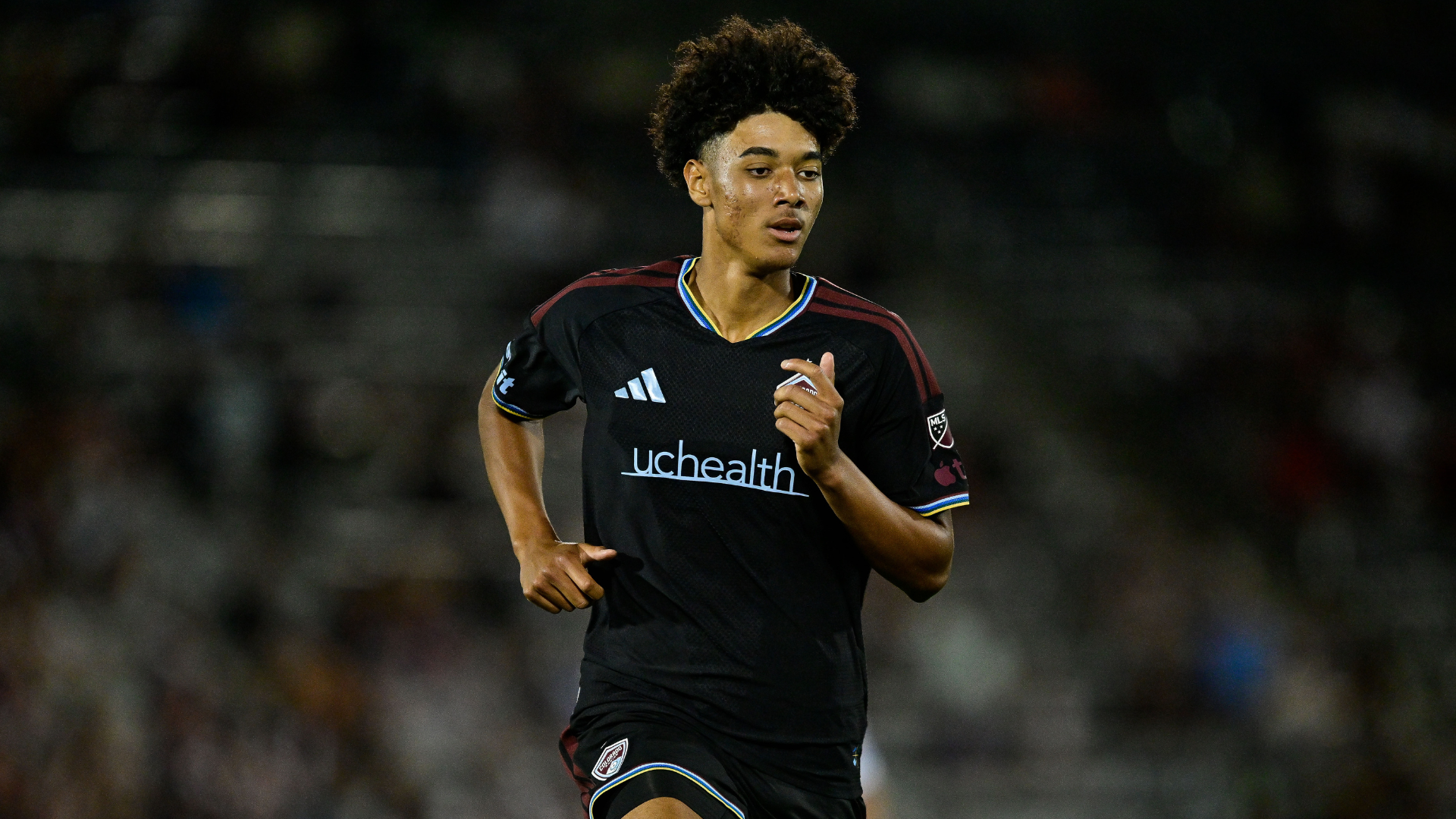
In reportedly selling Lucas Herrington to Hull City in the Premier League, the Colorado Rapids have set a new standard in Major League Soccer. But, still needing to field a team, only time will tell if they're selling just to sell or actually turning a page as a club.
Make no mistake, when a team offers $17 million for a 19-year-old defender, that's almost always the kind of money you can't turn down, but both for the Rapids and MLS, it's what comes next that is important. The Rapids signed Herrington from Brisbane Roar only a year ago for around $1 million, and now, after making it to the World Cup with Australia and showcasing what he can do on the big stage, he's on the way to the Premier League. To put this fee into perspective, not only is it a top 10 fee in MLS history for an outgoing MLS player, but it's also the highest ever for a non-attacker, surpassing Djordje Petrovic from the New England Revolution to Chelsea ($15.7 million) and Alphonso Davies from the Vancouver Whitecaps to Bayern Munich ($13.5 million). This is an attack-driven league, and it shows, but that also exemplifies how important this deal is in the history of MLS.
It's an important time in the league, with a new commissioner and a switch to a European schedule on the horizon. That might make it easier to sell players in the future, but there's a balance that must be struck. This same Rapids side have gotten serious fees for Djordje Mihailovic, Moïse Bombito, Auston Trusty and Cole Bassett in recent years, but they sit in 11th place in the Western Conference, two points out of a playoff place. It's not for lack of spending, with Paxten Aaronson and Loic Williams costing serious fees to be brought to the club, but the spending hasn't yielded results for the Rapids.
With the rise in power of the Premier League and the pull of Barcelona and Real Madrid, there are few leagues in the world that aren't truly selling leagues, and MLS is no exception. There's no shame in clubs being able to pull in fees for their best players. But for the league to take the next step, they need to utilize these fees to push teams forward. Selling players just for the sake of securing a fee isn't going to push the league forward, but turning that into sustained success for teams who are good at developing players will. With MLS teams still looking to bridge the gap with Liga MX in Concacaf Champions Cup play, being able to develop and spend as much as their counterparts is important. Monterrey being able to buy MLS stars Diego Rossi and Hugo Cuypers to build a talented attack without breaking up their team structure is a great example of what MLS is chasing.
While some of that is limited by MLS having a salary cap, even when spending is happening, it's not always the correct spending. The Chicago Fire, Atlanta United, FC Dallas, and, soon, the Colorado Rapids will hold six of the top 10 transfer fees in league history. But in the past five seasons, the four teams have only made the playoffs a combined eight times despite playing in a league where more than half the teams in each conference make it to the postseason.
Looking at this deal, the Rapids are still selling a starting defender who is critical to their setup while also needing to win soccer games. This is the balance that comes with being a selling club. The Rapids deserve plaudits for getting this deal for Herrington, and it will help them recruit other young players like him, but what's important is what comes next. If the Rapids miss the playoffs again while pocketing the money, it's not really a sign that anything is changing, but if they reload and become a better team in the long run from a deal like this, that's where the test will be. It's too early to tell which way things will lean, but as soccer infrastructure improves in America and stronger prospects are coming out of the United States by the day, teams still need to use them to actually win something, and that has continued to be a challenge for most of the teams in the league.
Add CBS Sports on Google Join the Conversation comments