This week’s science news.
By Cheyenne MacDonald May 30, 2026 12:30 pm EST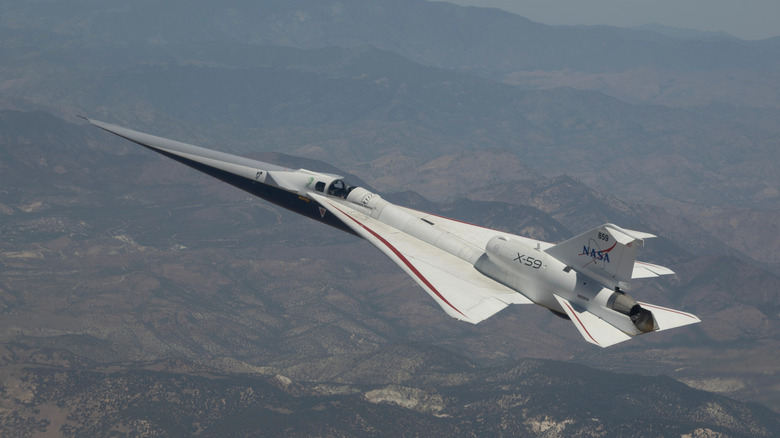 NASA/Jim Ross
 This week, NASA shared more information about its planned moon base missions, Blue Origin's New Glenn rocket exploded on the launchpad and the James Webb Space Telescope spotted a supermassive black hole that researchers say "may have formed within the first second after the big bang." But first, we have updates on NASA's X-59 quiet supersonic research plane and SpaceX's Starship following last week's test flight. Catch up here on this week's science news.
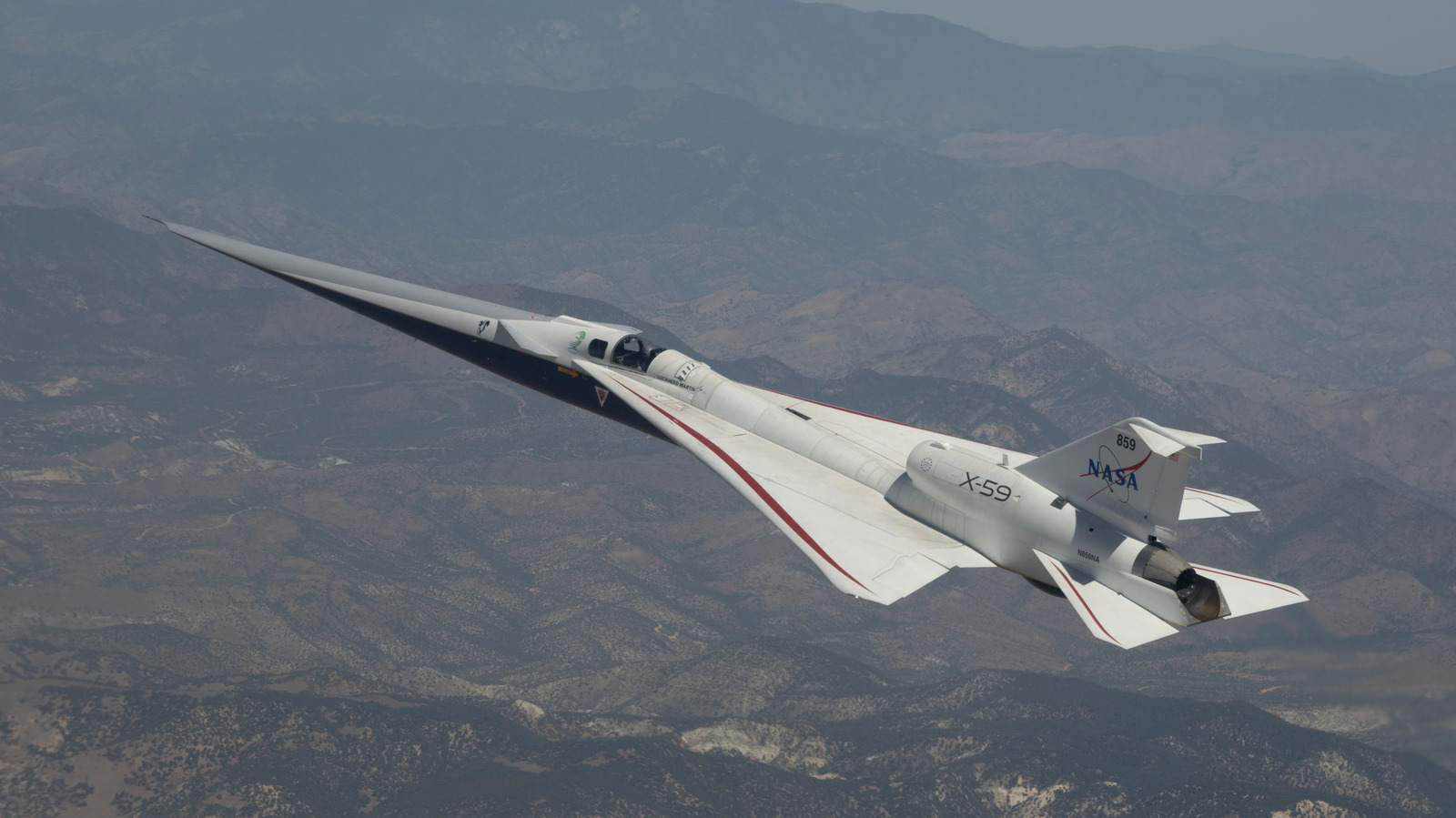
Key test flights approach for NASA's quiet supersonic plane
Over the last decade, NASA has been developing an aircraft that could one day reach supersonic speeds — or travel faster than the speed of sound — without producing the thunderous sonic booms typically associated with this feat. The plane, called the X-59, took its first ever flight back in October and has conducted several more in the months since. Now, NASA says it's ready to go supersonic. The X-59 is scheduled to take its first supersonic flight, hitting over 630 mph at an altitude of about 43,000 feet, in early June, according to the space agency.
Then, in a followup "mission conditions" test, it will reach 925 mph (Mach 1.4) at about 55,000 feet. After that, it'll go for its max speed: Mach 1.6, or 1,218 mph, at an altitude of 60,000 feet. NASA isn't ready to show off the X-59's quiet supersonic capabilities yet, though. For this phase of testing, NASA noted in a blog post, "The X-59 will be accompanied by a traditional supersonic chase plane, so any quiet thump it produces in the current phase of testing will be obscured by louder, traditional sonic booms from the chase."
FAA grounds Starship after 'mishap'
SpaceX's Starship V3 launched for the first time last week in a test flight that achieved much of what the company set out to do. But, it wasn't entirely without hiccups, and the Federal Aviation Administration (FAA) has since ordered a pause on Starship flights while it investigates what went wrong and prevented the Super Heavy booster from making a soft splashdown as intended.
The issue arose after Starship separated from Super Heavy. "Following stage separation, the Super Heavy booster performed a directional flip maneuver and attempted its boostback burn," SpaceX explained in a blog post following the launch. "It was unable to light all planned engines and performed a partial boostback burn that ended early. Super Heavy attempted to reignite its engines for the landing burn before experiencing a hard splashdown in the Gulf of America." Starship went on to complete its journey and splashed down at the planned site in the Indian Ocean.
Liftoff of Starship! pic.twitter.com/LQLdjK5V6K
— SpaceX (@SpaceX) May 22, 2026
"After a thorough assessment of the operation, the FAA has determined the May 22 SpaceX Starship Flight 12 launch resulted in a mishap," the agency said in a statement released this week. "The mishap involved the Super Heavy booster as it flew back to the Gulf of America after stage separation. There are no reports of public injury or damage to public property." It added, "The FAA is requiring SpaceX to conduct a mishap investigation. The FAA will oversee the SpaceX-led investigation, be involved in every step of the process, and approve SpaceX's final report, including any corrective actions."
It's not an uncommon move on the FAA's part, and SpaceX has faced several such groundings over the years, many of which have been wrapped up fairly quickly. It likely won't be very long before we see Starship back in action. "A return to flight of the Starship-Super Heavy vehicle is based on the FAA determining that any system, process, or procedure related to the mishap does not affect public safety," the FAA noted in its statement.
The FAA grounded SpaceX competitor Blue Origin's New Glenn rocket last month following its third mission, and it was just cleared earlier this week to resume flights. But, during a hotfire test on Friday, New Glenn exploded on the launch pad at Cape Canaveral. You can read more about that below.


