NASA has released a pair of sweeping new panoramas from its two active Mars rovers, Curiosity and Perseverance, offering a vivid look at how dramatically different regions of the Red Planet can be — and how each mission is uncovering a distinct chapter of Martian history.
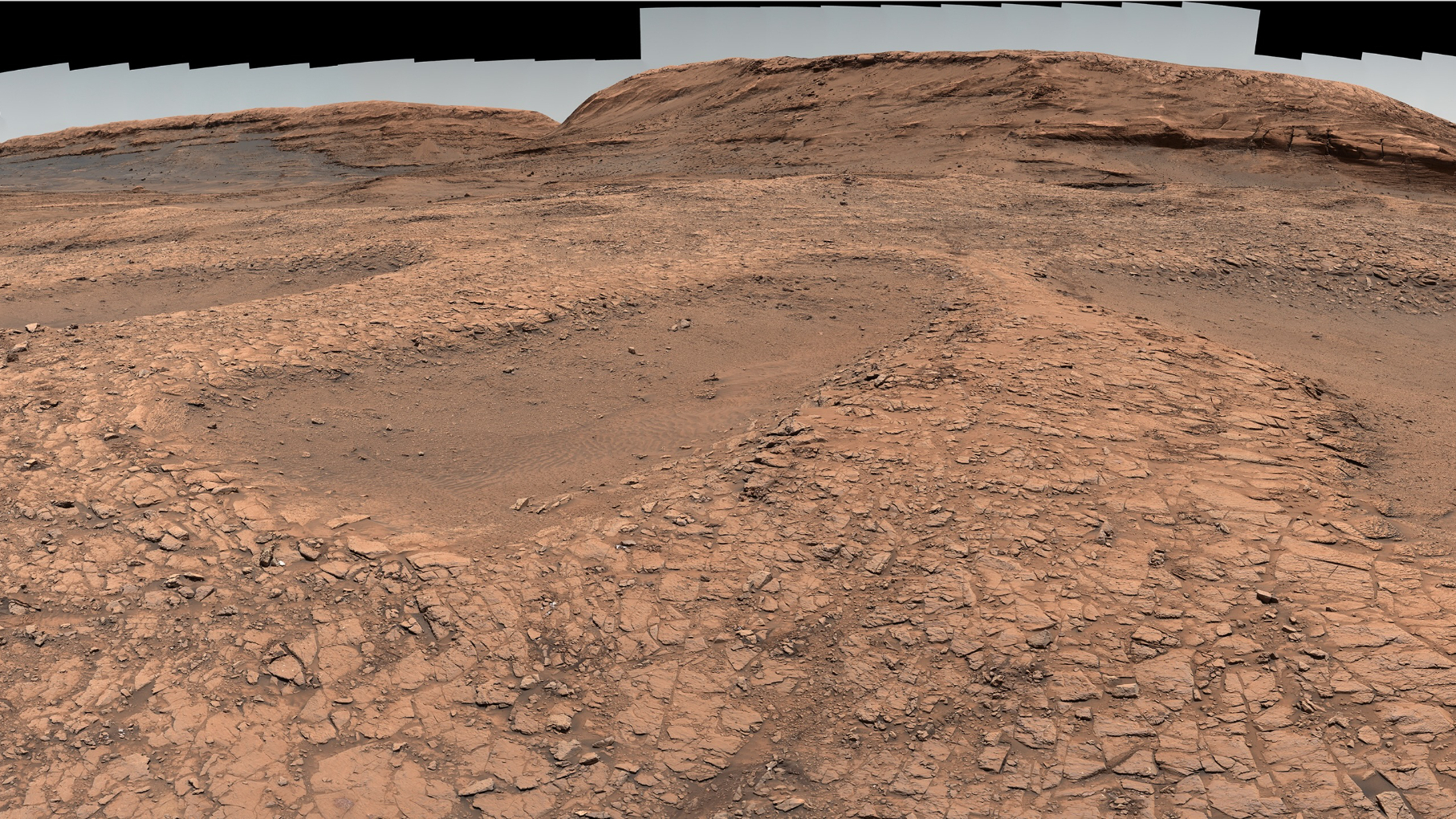
"These rocks were here long before water filled the crater," according to a NASA video illustrating the significance of the recent images. "Scientists even believe some rocks in this area formed when Mars was still shaping its crust and atmosphere — and massive asteroids were pummeling the planet's surface. This terrain is a time capsule from the earliest period of the solar system."
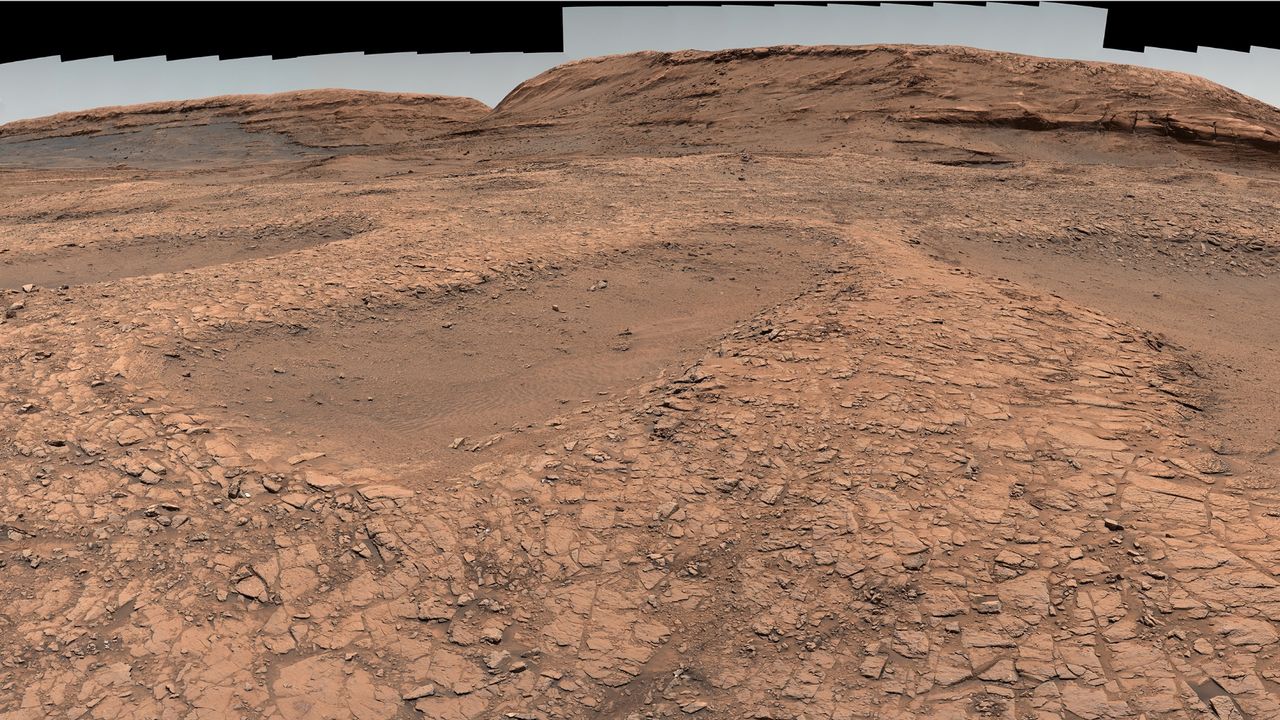
Curiosity, by contrast, offers a view from deep within Gale Crater, where it has spent years climbing the foothills of Mount Sharp. Its latest panorama, comprising 1,031 images taken between Nov. 9 and Dec. 7, 2025, highlights a network of low ridges known as "boxwork" formations. These surface patterns were formed by groundwater that once flowed through large fractures in the bedrock and left behind minerals that later resisted erosion, creating a crisscrossing landscape for the rover to explore.
Over the course of its nearly 15-year mission on Mars, Curiosity has identified carbonate minerals like siderite that may have trapped carbon dioxide from a once-thicker atmosphere, along with an increasingly diverse array of organic molecules — including some of the largest and most complex ever detected on the planet — pointing to a richer history of prebiotic chemistry than previously known, according to the statement from NASA.
"Each layer is younger than the one below it, creating a geological timeline that records how Mars changed," officials said in the video.
Though the two rovers are separated by about 2,345 miles (3,775 kilometers) — roughly the distance between Los Angeles and Washington, D.C. — the new panoramas effectively place them side by side, offering a planetary comparison in unprecedented detail. The video shared by NASA also stitches together the imagery, guiding viewers across both scenes and simulating what Mars' ancient past may have looked like.
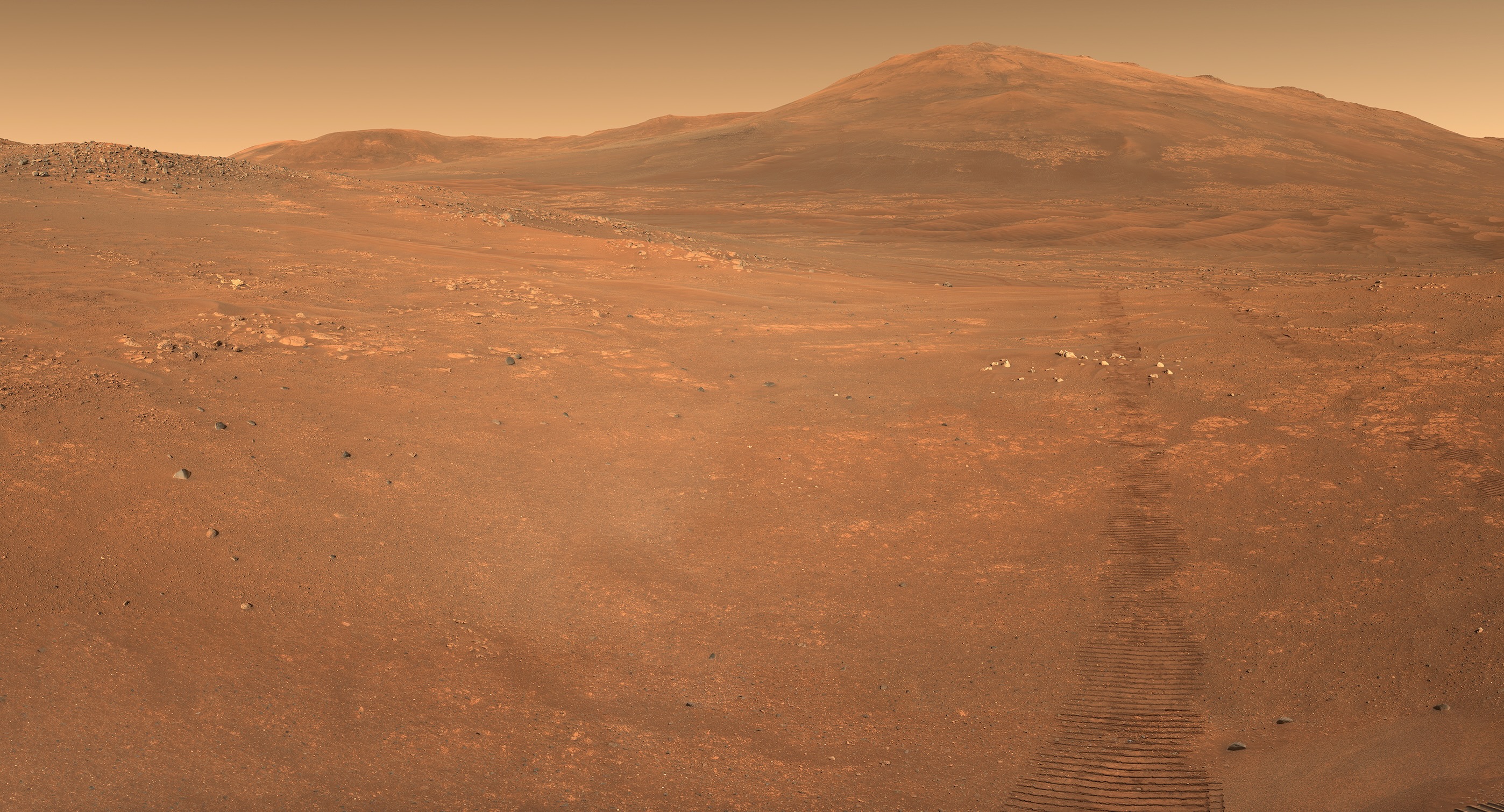
The contrast underscores the complementary goals of the missions. Curiosity is focused on understanding whether Mars once offered habitable conditions, studying ancient environments that could have supported microbial life. Perseverance is taking the next step, seeking direct signs of past life while collecting rock samples that could one day be returned to Earth.
Together, the panoramas reveal what NASA describes as "two sides of Mars" — not just geographically, but scientifically. One landscape preserves traces of surface water in lakes and rivers; the other exposes the mineral fingerprints of groundwater moving through rock. Both are crucial to reconstructing how Mars transitioned from a wetter, potentially habitable world to the cold, dry planet we see today.
As the missions continue — with Curiosity climbing higher along Mount Sharp and Perseverance scouting new terrain along Jezero's rim — more high-resolution panoramas are expected. Each one adds another piece to the puzzle, bringing scientists closer to understanding the Red Planet's history and whether it could ever have hosted life.
View MoreYou must confirm your public display name before commenting
Please logout and then login again, you will then be prompted to enter your display name.
Logout Samantha MathewsonContributing Writer
Samantha Mathewson joined Space.com as an intern in the summer of 2016. She received a B.A. in Journalism and Environmental Science at the University of New Haven, in Connecticut. Previously, her work has been published in Nature World News. When not writing or reading about science, Samantha enjoys traveling to new places and taking photos! You can follow her on Twitter @Sam_Ashley13.