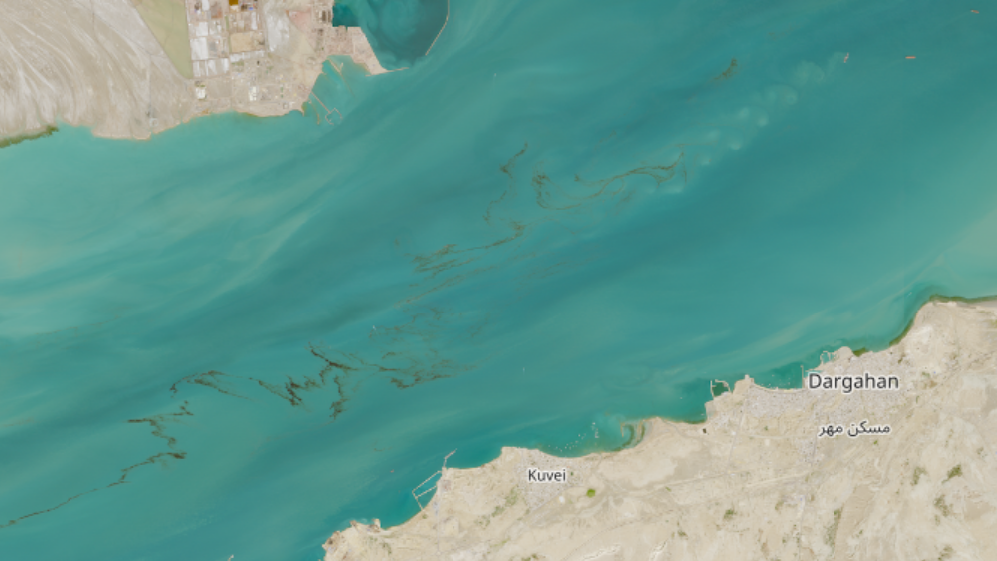
 Oil spills are visible from space in the Persian Gulf due to Iranian and U.S.-Israeli air strikes in the region. (Image credit: Copernicus Sentinel-2/ESA) Share this article 0 Join the conversation Follow us Add us as a preferred source on Google Newsletter Sign up for the Live Science daily newsletter now
 Get the world’s most fascinating discoveries delivered straight to your inbox.
Become a Member in Seconds
Unlock instant access to exclusive member features.
Contact me with news and offers from other Future brands Receive email from us on behalf of our trusted partners or sponsors By submitting your information you agree to the Terms & Conditions and Privacy Policy and are aged 16 or over.You are now subscribed
Your newsletter sign-up was successful
Want to add more newsletters?
Join the club
Get full access to premium articles, exclusive features and a growing list of member rewards.
Explore An account already exists for this email address, please log in. Subscribe to our newsletterOil spills in the Persian Gulf are visible from space after Iranian and U.S.-Israeli air strikes hit oil facilities and tankers across the region, satellite images reveal.
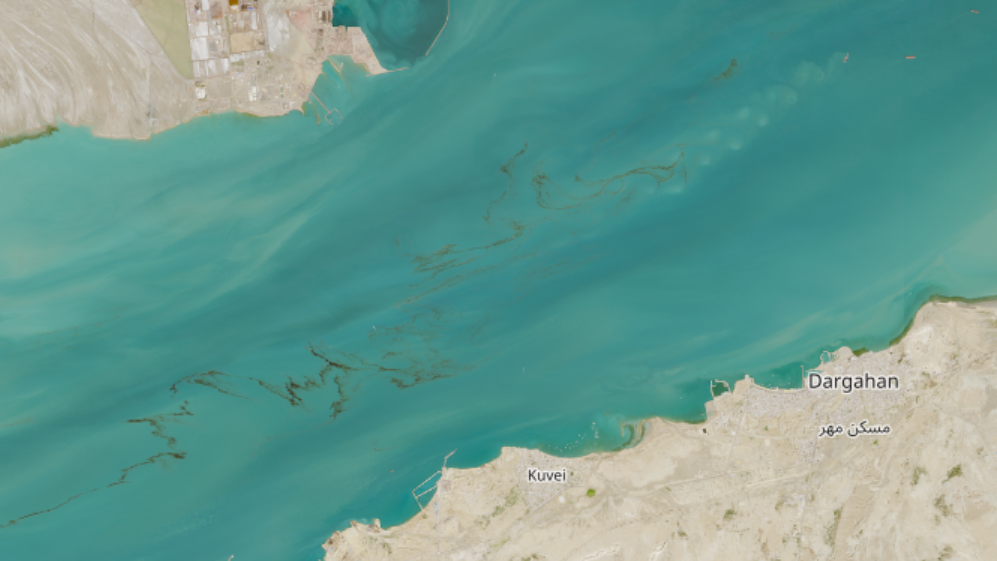
One image, taken April 10, shows oil leaking into the waters off Iran's Lavan Island and heading toward Shidvar Island, a protected wildlife refuge known as "Iran's Maldives." Another snap from April 6 captures an oil trail leaving Kuwait's Port of Shuaiba, located about 30 miles (50 kilometers) south of Kuwait City, after Iran said it targeted energy and petrochemical facilities in the Gulf countries April 5. And on March 18, April 2 and April 7, huge oil spills were visible in the Strait of Hormuz off Iran's Qeshm Island, which houses key military and civilian infrastructure.
A satellite image taken April 10 shows oil floating off Iran's Lavan Island (left) and toward Shidvar Island (right), which is a protected wildlife refuge. (Image credit: Copernicus Sentinel-2/ESA)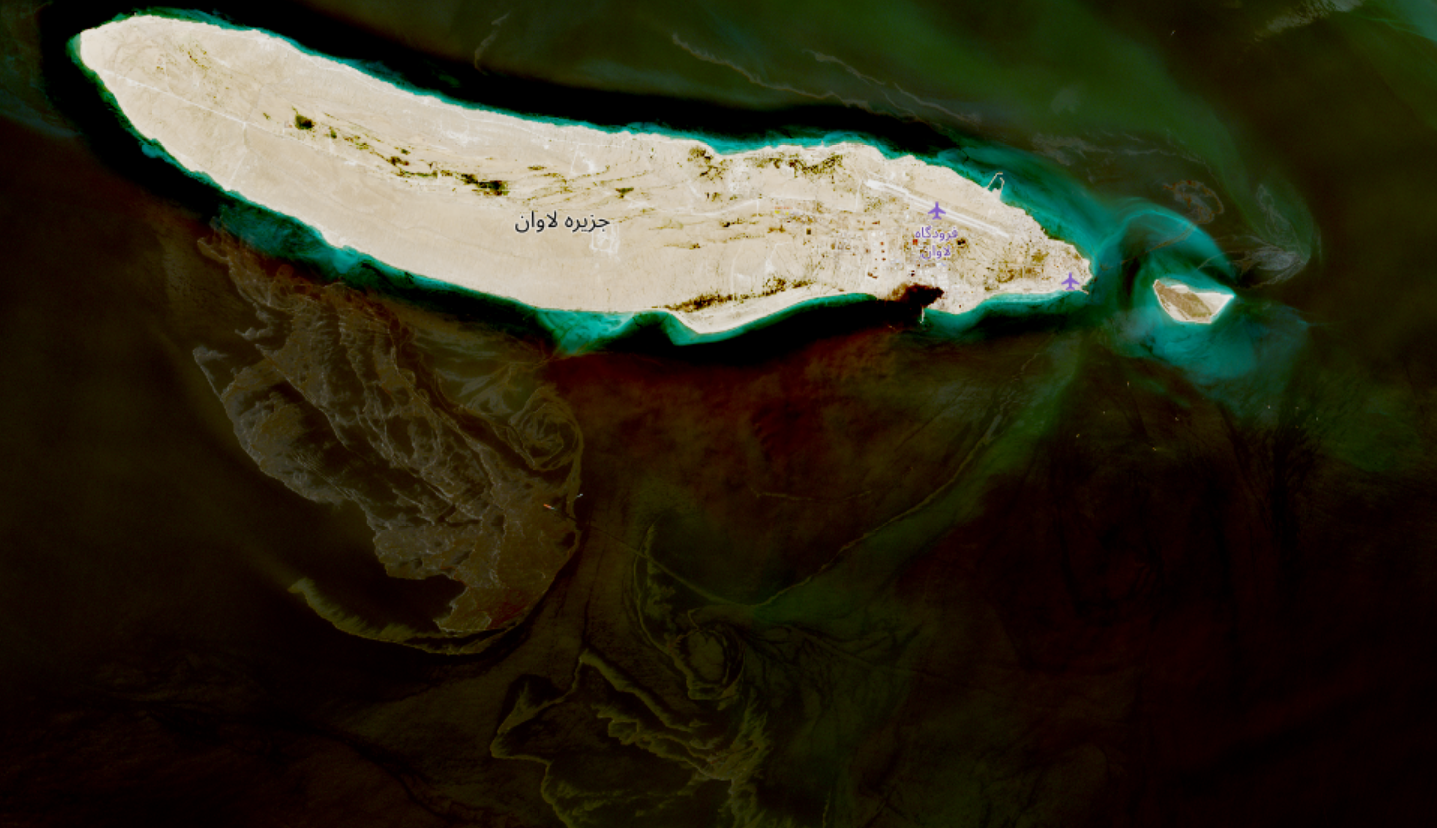
The oil spill off Lavan Island, in particular, is a "major environmental emergency" due to its proximity to Shidvar Island, Wim Zwijnenburg, a project leader in humanitarian disarmament at the Dutch peace organization PAX, told CNN. Shidvar Island is an uninhabited coral island that hosts seabird colonies and turtle nesting grounds. At least five locations on Lavan Island have been hit by U.S.-Israeli forces, Zwijnenburg said, including an oil refinery.
Pools of oil off Qeshm Island measured more than 5 miles (8 km) long, threatening the entire marine ecosystem, from microorganisms to dolphins and whales. It also includes fish, which thousands of people living along the coast of Iran rely on for income and food, CNN reported.
Satellites captured images of oil spills near Iran's Qeshm Island on March 18, April 2 and April 7, 2026. (Image credit: Copernicus Sentinel-2/ESA)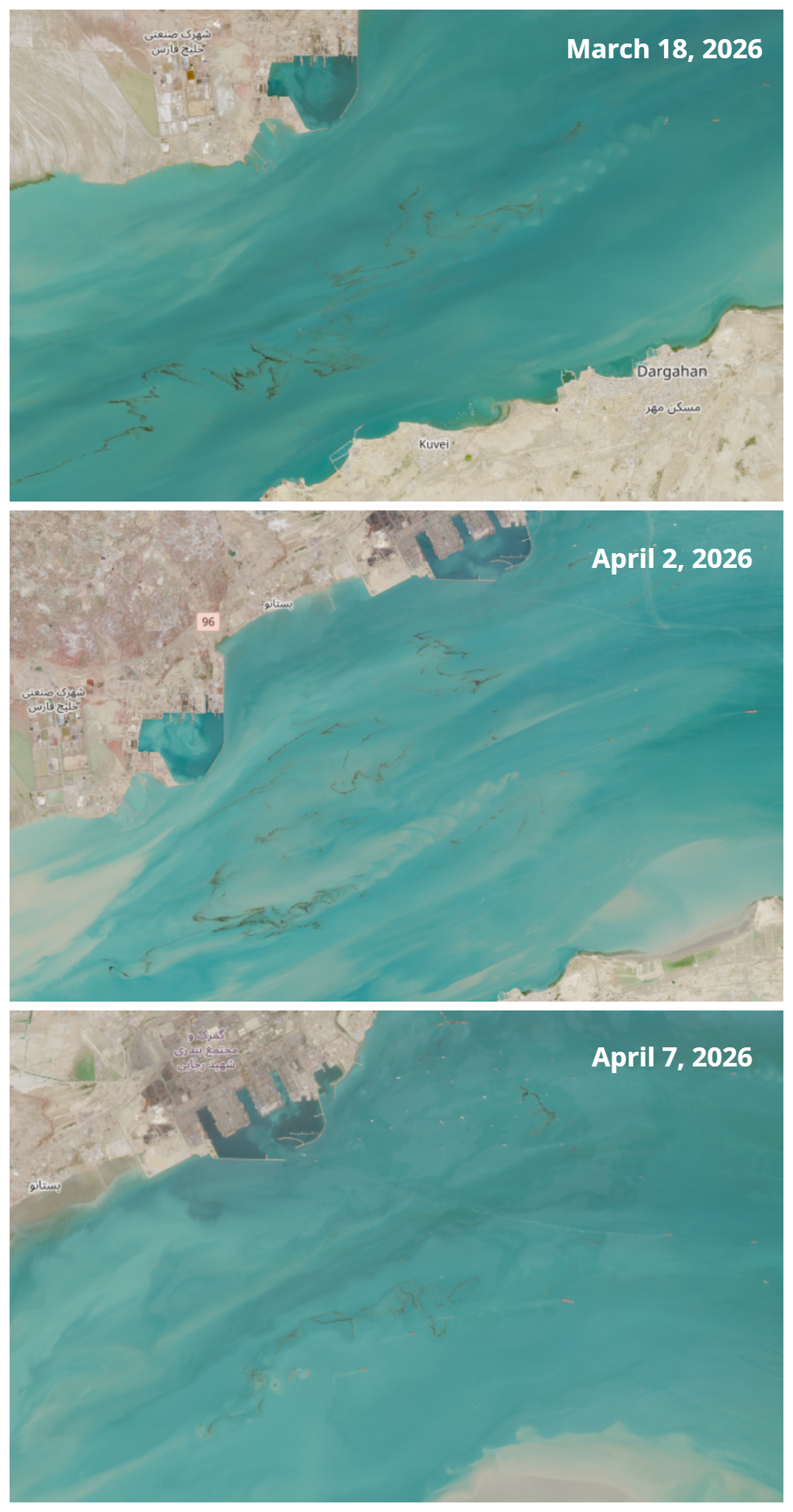
Oil spills devastate marine life by coating animals in harmful sludge, destroying the water repellency of birds' feathers and the insulating effects of mammals' fur, which can cause hypothermia. It also induces poisoning, leading to mass die-offs. The 1991 Gulf War oil spill, which was caused by Iraqi forces intentionally dumping 6 to 8 million barrels of crude oil into the Persian Gulf, harmed or killed an estimated 114,000 animals, including birds, turtles, bottlenose dolphins and whales.
The Persian Gulf is home to dugongs (Dugong dugong), green sea turtles (Chelonia mydas), hawksbill sea turtles (Eretmochelys imbricata) and Arabian Sea humpback whales (Megaptera novaeangliae).
Sign up for the Live Science daily newsletter nowContact me with news and offers from other Future brandsReceive email from us on behalf of our trusted partners or sponsorsOn April 6, an oil spill off the coast of Kuwait was visible from space. (Image credit: Copernicus Sentinel-2/ESA)RELATED STORIES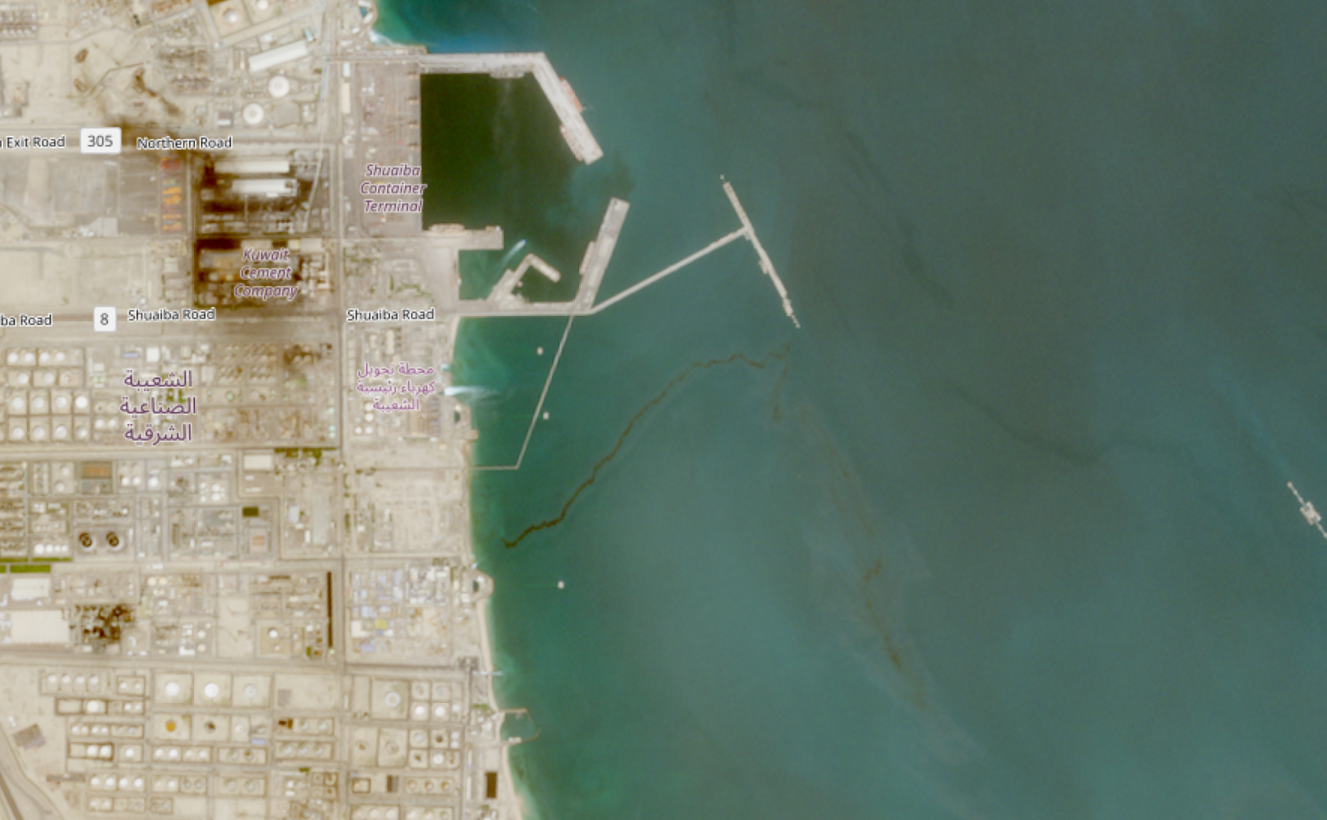
- Iran war has already released a staggering amount of CO2 — and the destruction of schools, homes and buildings is the biggest source
- Iran war could create a 'fertilizer shock' that impacts agriculture and raises food prices
- Iran war could push global food insecurity to record levels, leaving 363 million people hungry
It's unclear exactly how much damage these oil spills will do, and there may be more on the horizon, especially if the warring parties continue to target ships carrying oil. Dozens of oil tankers filled with a total of around 5 trillion gallons (20 billion liters) of crude oil are currently trapped in the Persian Gulf, waiting to exit through the Strait of Hormuz.
Due to the conflict, it's unlikely that the existing oil spills will be cleaned up in time to prevent the worst impacts, Nina Noelle, a spokesperson for Greenpeace Germany, told CNN.
 Sascha PareStaff writer
 Sascha is a U.K.-based staff writer at Live Science. She holds a bachelor’s degree in biology from the University of Southampton in England and a master’s degree in science communication from Imperial College London. Her work has appeared in The Guardian and the health website Zoe. Besides writing, she enjoys playing tennis, bread-making and browsing second-hand shops for hidden gems.
View MoreYou must confirm your public display name before commenting
Please logout and then login again, you will then be prompted to enter your display name.
Logout LATEST ARTICLES 1NASA's Curiosity rover finds a surprising number of giant 'dragon scales' littered across Mars
- 2Watch an AI-powered table tennis robot beat elite players
- 3Earth quiz: What do you know about our planet's most amazing features?
- 4A teen's classic diabetes symptoms didn't improve with treatment — revealing she also had a much rarer syndrome
- 5NASA shuts off another Voyager 1 instrument ahead of risky 'Big Bang' maneuver to save power