 Image source, Getty ImagesByVicky Wong
- Published8 July 2026, 16:05 BST
Potentially dangerous baby products - including self-feeding devices, pillows and sleeping bags - are still being sold on online marketplaces in the UK, according to Which?.
The consumer group found 150 such products listed for sale by third parties on sites like Amazon, eBay and TikTok - despite having been subject to official safety warnings and product recalls.
Sue Davies, the head of consumer protection policy at Which?, said the investigation had shown "how easy it is to find these unsafe products" and urged the government to make marketplaces liable for the safety of items sold on their sites.
Most of the companies concerned said they have removed some of the products Which? had flagged.
The investigation looked at three types of products - sleeping bags, self-feeders and sleep pillows - that have been the subject of warnings from the Office for Product Safety and Standards (OPSS).
It found unsafe products were listed on eight online marketplaces - Alibaba, AliExpress, Amazon, eBay, Etsy, TikTok, OnBuy and Wish.
Of the 150 unsafe products it found, more than a third were designed to feed a baby from a bottle with little or no assistance despite an "obvious" risk of choking, Which? said.
Thirty-three involved a long straw design and 21 were pillow bottle-holders designed to fasten around a baby's neck.
These bottle-feeders were available on several platforms despite an OPSS alert from 2022 calling on businesses to remove such products.
The probe also found 59 sleeping bags with hoods or without armholes and 37 sleep pillows marketed for newborns, despite concerns about suffocation and overheating, as well as NHS safe sleep guidance.
OPSS also issued an alert for baby sleep pillows - some of which have been marketed with claims of improving night-time sleep - in December 2025.
Davies said: "The lives of babies are at risk because these platforms won't stop dangerous products from reaching their customers - even though they are well aware that these products can be deadly."
She added that the government "must urgently use the new powers it has under the Product Regulation and Metrology Act" to "impose a clear legal duty on online marketplaces for ensuring the safety of products sold through their third-party sellers, with tough enforcement for those that fall short".
'Most vulnerable consumers'
Ruth Watts, a registered health visitor who posts advice on social media, told the BBC that she was not surprised that a number of unsafe baby products were still on the market.
"Parents are the most vulnerable consumers out there," she said. "We want what's best for our babies, we're desperate for sleep - and if a product is promising you that it will help or your baby sleep better... it's of course tempting."
When shopping for baby products, Which? advises parents not to buy any self-feeding aid, and that babies under the age of one do not need a pillow to sleep at night.
It also says never to buy a baby sleeping bag with a hood or without armholes, or one with excess material or attachments, and to make sure to buy the right size sleeping bag.
Watts' advice for parents struggling to figure out whether a sleep-related product is safe for babies is to check whether that item is recommended by the baby sleep safety charity the Lullaby Trust.
"If something seems too good to be true, if someone is promising you a quick fix of a problem, then chances are it's too good to be true," she said.
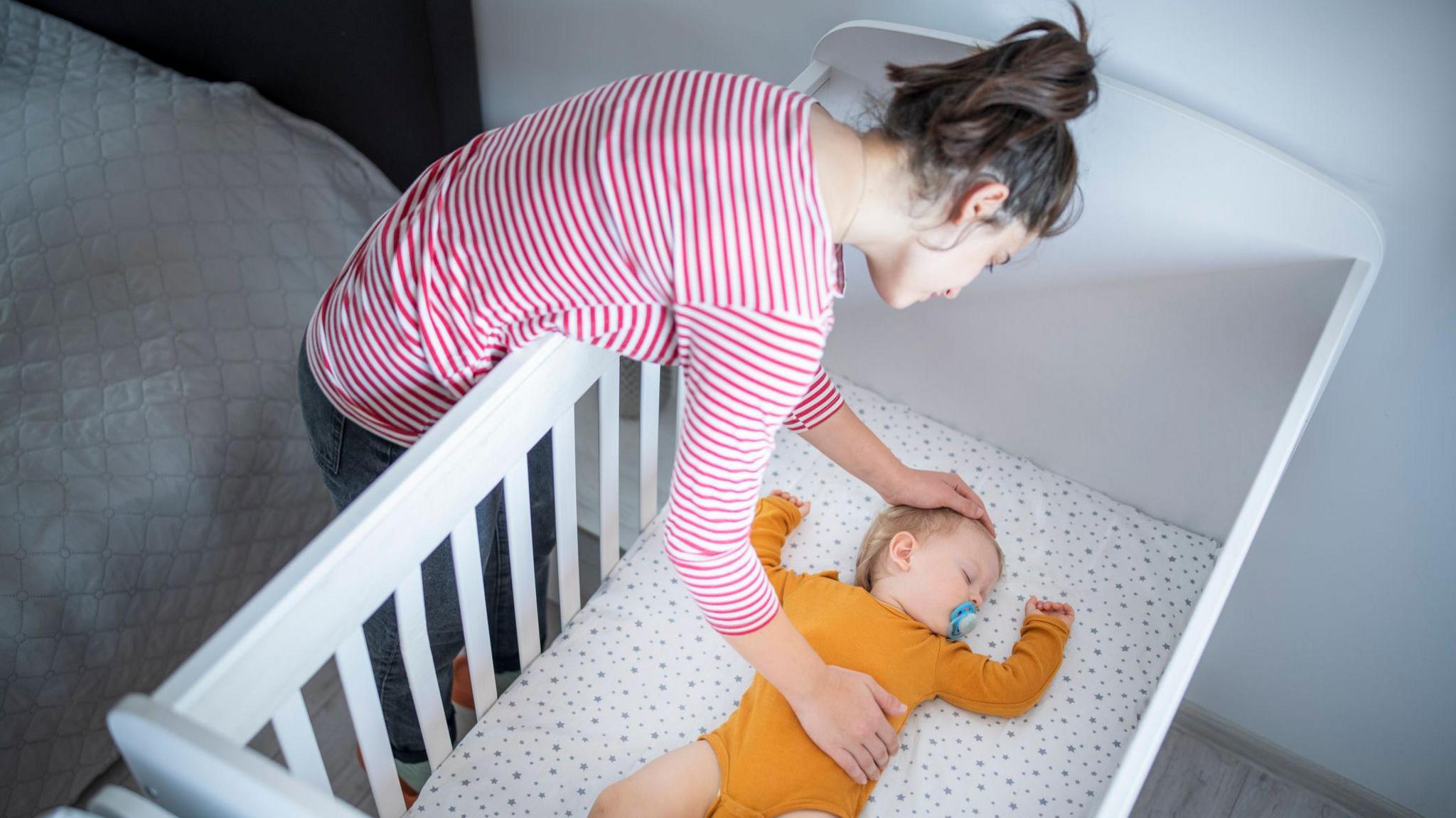
The safest place for a baby to sleep is on a firm, flat mattress on their back in a clear cot with no toys inside, according to the Lullaby Trust.
Seven of the online marketplaces issued statements in response to the findings.
An Amazon spokesperson said it had removed the products highlighted by Which?, adding that it continuously monitored products being put on sale on its site and took swift action when alerted to potential issues.
"Parents trust Amazon because we take customers' safety incredibly seriously, particularly when it comes to babies and infants," they said.
Alibaba said it had removed any "non-compliant products" and that it would "continue to educate sellers, and take action against those who violate our terms of use".
AliExpress said it "takes customer safety and product compliance extremely seriously", that the relevant products had been removed from the UK market and that it will be making "necessary enhancements to our existing control measures" to ensure these products did not reappear.
EBay said it uses "technology, AI and expert teams" to keep unsafe items off its platform, that it had removed some of the items flagged and was carrying out wider checks to remove similar items.
An Etsy spokesperson said it had removed all the listings flagged by Which?, adding: "Keeping our users safe is paramount."
TikTok said the products flagged by the investigation have been removed and that it had notified customers.
OnBuy said all relevant products had been removed and that it had been working closely with OPSS to ensure that unsafe and non-compliant products were removed from its marketplace as quickly as possible.
The BBC has contacted Wish and the Department for Business and Trade for comment.