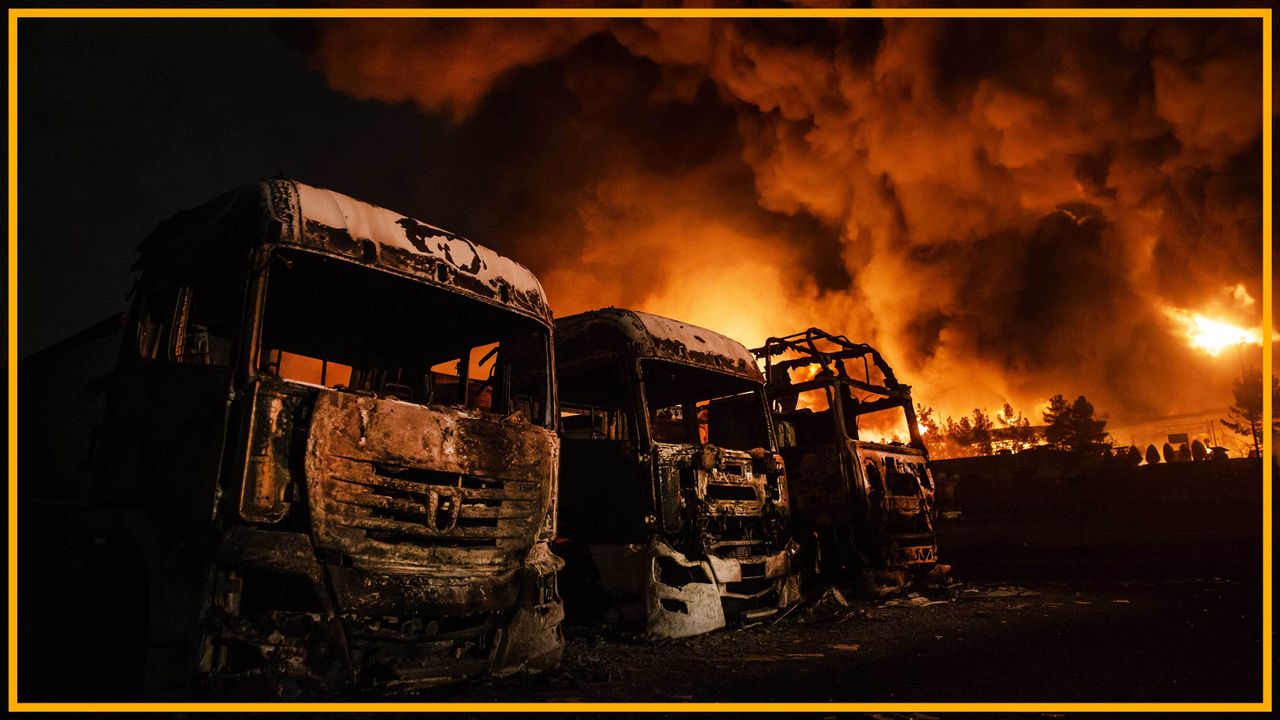
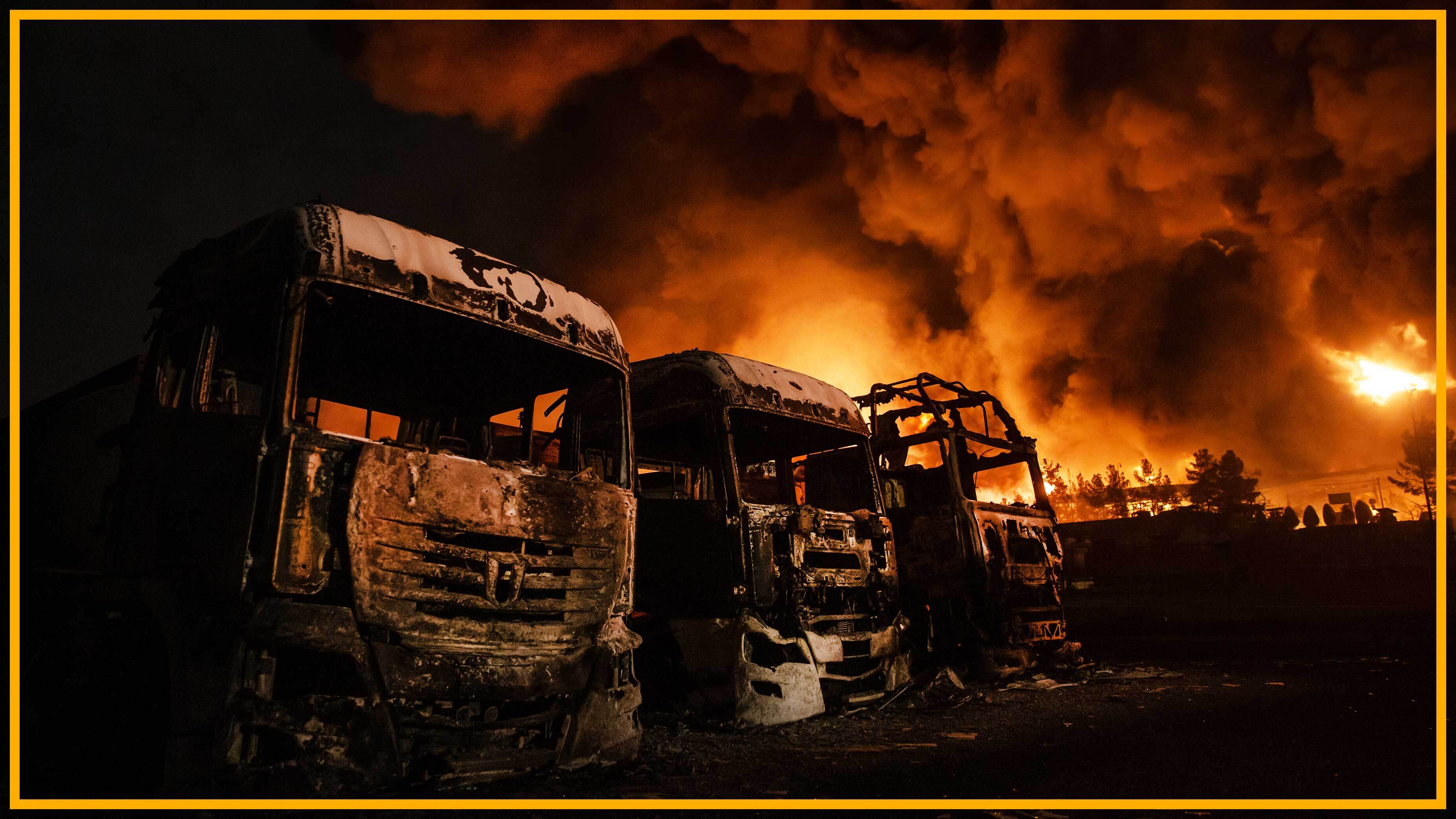
 Fire at an oil depot in Iran following attacks on March 8. Energy infrastructure has been heavily targeted since the war broke out at the end of February. (Image credit: Anadolu/Getty Images) Share this article 0 Join the conversation Follow us Add us as a preferred source on Google Newsletter Sign up for the Live Science daily newsletter now
 Get the world’s most fascinating discoveries delivered straight to your inbox.
Become a Member in Seconds
Unlock instant access to exclusive member features.
Contact me with news and offers from other Future brands Receive email from us on behalf of our trusted partners or sponsors By submitting your information you agree to the Terms & Conditions and Privacy Policy and are aged 16 or over.You are now subscribed
Your newsletter sign-up was successful
Want to add more newsletters?
Join the club
Get full access to premium articles, exclusive features and a growing list of member rewards.
Explore An account already exists for this email address, please log in. Subscribe to our newsletterPresident Donald Trump's war on Iran is the perfect embodiment of all that is wrong with our ongoing fossil fuel dependence. And it puts an exclamation mark on the case for a clean energy transition. Renewable energy promises a more secure, domestically sustainable and inexhaustible energy source — via wind, solar, geothermal and energy storage technology.
It doesn't lead to the further warming of our planet and the destabilization of our climate. And it doesn't lead to us fighting dangerous, often misguided, wars in far-flung lands.
Article continues below Michael E. Mann
Professor Michael Mann is Presidential Distinguished Professor and Director of the Penn Center for Science, Sustainability and the Media at the University of Pennsylvania. His most recent book, co-authored with Peter Hotez, is Science Under Siege: How to Fight the Five Most Powerful Forces that Threaten Our World
The pandemic, and lockdowns that ensued, saw oil prices dropping for the first time ever. We didn't need fossil fuels to get around because no one could go anywhere. Renewables, however, are largely unaffected by demand and proved resistant to the global economic shock.
As governments sought to jump start the economy, it seemed an opportune time to retire our dirty fossil fuel energy infrastructure and rebuild in its place a clean, green global economy, tackling the greatest challenge we face today — the climate crisis.
But it was not to be. As my co-author Dr. Peter Hotez and I detail in our recent book "Science Under Siege" (PublicAffairs, 2025), petrostates, plutocrats and bad actors who benefit from the fossil fuel status quo simply doubled down in their efforts to spread propaganda and disinformation, turning the idea of a "great reset" into a boogie man of the right-wing conspiracy theory fever swamps.
Another reason for this failed opportunity was that the connection between the immediate crisis and the underlying environmental factors was subtle. Habitat destruction and climate change both favor the conditions that allow for the type of zoonotic transmission (e.g. from bats or pangolins to humans) involved in the spread of novel coronaviruses. But look at how long that last sentence was.
Sign up for the Live Science daily newsletter nowContact me with news and offers from other Future brandsReceive email from us on behalf of our trusted partners or sponsorsIn the case of Trump's war on Iran (and his previous attack on Venezuela for that matter), the connection is comparatively simple: It's about the fossil fuels, stupid!
The warming of the planet poses an unprecedented threat in the form of more dangerous storms, rising sea levels, coastal inundation and deadly, damaging extreme weather events. It is a direct consequence of the continued extraction and burning of fossil fuels. And Trump's war on Iran is fundamentally about fossil fuels.
The war against Iran advances the interests of petrostates like Saudi Arabia and Russia and supports the fossil fuel industry by attempting to seize from Iran control of the flow of oil and liquified natural gas through the Strait of Hormuz.
The U.S. itself is a petrostate under Trump and GOP rule — with the administration actively opposing green energy projects that could help make the country's energy supply self-sufficient. And our continued fossil fuel dependence poses a great threat to our nation. It's a double whammy. It makes us dependent on buying oil and gas from dangerous foreign nations, as epitomized by this unpopular war, expending tremendous amounts of blood and treasure in the effort to maintain access to fossil fuel reserves around the world. And it damages the climate, pushing us toward a dangerous, unstable planetary future.
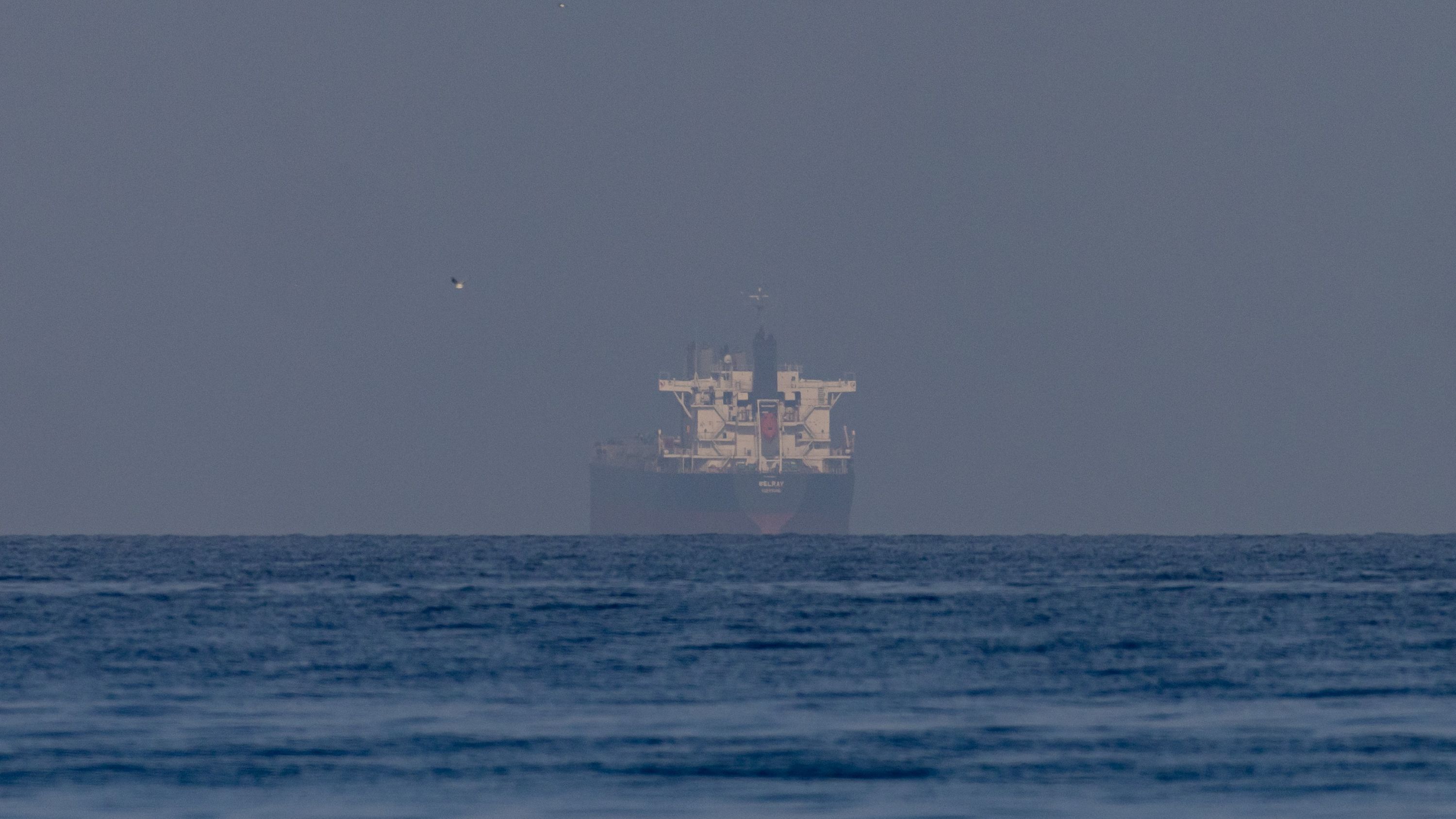
We now understand the market instability associated with our continued reliance on fossil fuels, as the closure of the Strait of Hormuz causes gasoline prices in the U.S. spike to levels not seen in years, driving a broader increase in the cost of goods and services that is propagating through the economy and negatively impacting consumers.
Renewable energy is actually cheaper than fossil fuel energy now on a levelized basis (and that’s not even accounting for the tremendous cost of climate damages). They can be produced on a domestic level and provide something fossil fuels cannot — predictability and security.
That's why the fossil fuel-driven Trump administration has put its thumb on the scales to block, or at least slow down, the inevitable transition to clean energy. The absurdity of these efforts has reached new levels with the recent report that the Trump administration paid a major energy company $1 billion to stop a project to build wind farms off the U.S. East Coast and invest the money in a Texas natural gas facility instead.
Related stories—Iran war could push global food insecurity to record levels, leaving 363 million people hungry
—Climate wars are approaching — and they will redefine global conflict
Trump's assault on renewable energy, meanwhile, is raising energy prices, along with his tariffs. His war of choice against Iran is adding to the affordability crisis that, ironically, now threatens his presidency.
Fortunately, we are seeing progress at the state and regional level. Virginia, for example, with its Democratic, climate-forward governor Abigail Spanberger, is forging ahead with a new offshore wind farm that has just begun producing electric power, having prevailed against the Trump administration and its effort to block the project.
Elections have consequences, and the midterm election — less than a year from now — will be an opportunity to put a check on a misguided administration that is taking us down an ever-more-treacherous road of fossil fuel dependence, war and economic devastation.
We need, in the meantime, to envision a better future — a clean energy future with a livable climate, in which we don't start dangerous foreign wars in a desperate effort to extract every last bit of fossil fuel.
Opinion on Live Science gives you insight on the most important issues in science that affect you and the world around you today, written by experts and leading scientists in their field.
 Michael E. MannContributor
Professor Michael Mann is Presidential Distinguished Professor and Director of the Penn Center for Science, Sustainability and the Media at the University of Pennsylvania. His most recent book, co-authored with Peter Hotez, is "Science Under Siege: How to Fight the Five Most Powerful Forces that Threaten Our World"
View More
You must confirm your public display name before commenting
Please logout and then login again, you will then be prompted to enter your display name.
Logout LATEST ARTICLES 1Here's the stargazing gear you need for April 2026 — don't miss the Lyrids, two comets and the full moon
- 2DNA shed by every living thing is lurking in the environment — and it could tell us how Earth is changing in real time
- 3Lençóis Maranhenses: Brazil's dune-filled expanse that sits at the intersection of 3 biomes
- 4Synesthesia isn't just in your mind. The body reacts as if the colors were real.
- 5Save 20% on our all-time favorite air purifier ahead of the hay fever season