Breaking space news, the latest updates on rocket launches, skywatching events and more!
Contact me with news and offers from other Future brands Receive email from us on behalf of our trusted partners or sponsors By submitting your information you agree to the Terms & Conditions and Privacy Policy and are aged 16 or over.You are now subscribed
Your newsletter sign-up was successful
Want to add more newsletters?
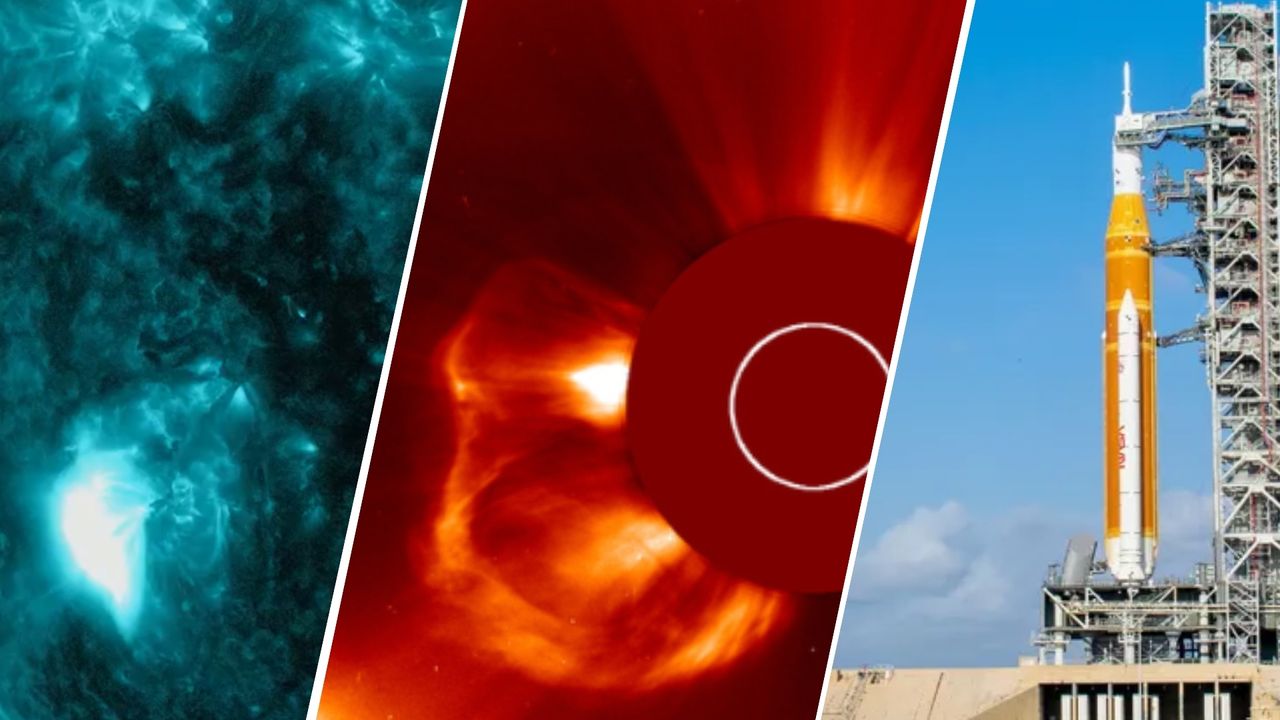
An account already exists for this email address, please log in. Subscribe to our newsletter X-flare eruption (left) and on the right is the billowing CME released during the eruption. (Image credit: Left: GOES SUVI satellite, right: SOHO Lasco C2 imagery)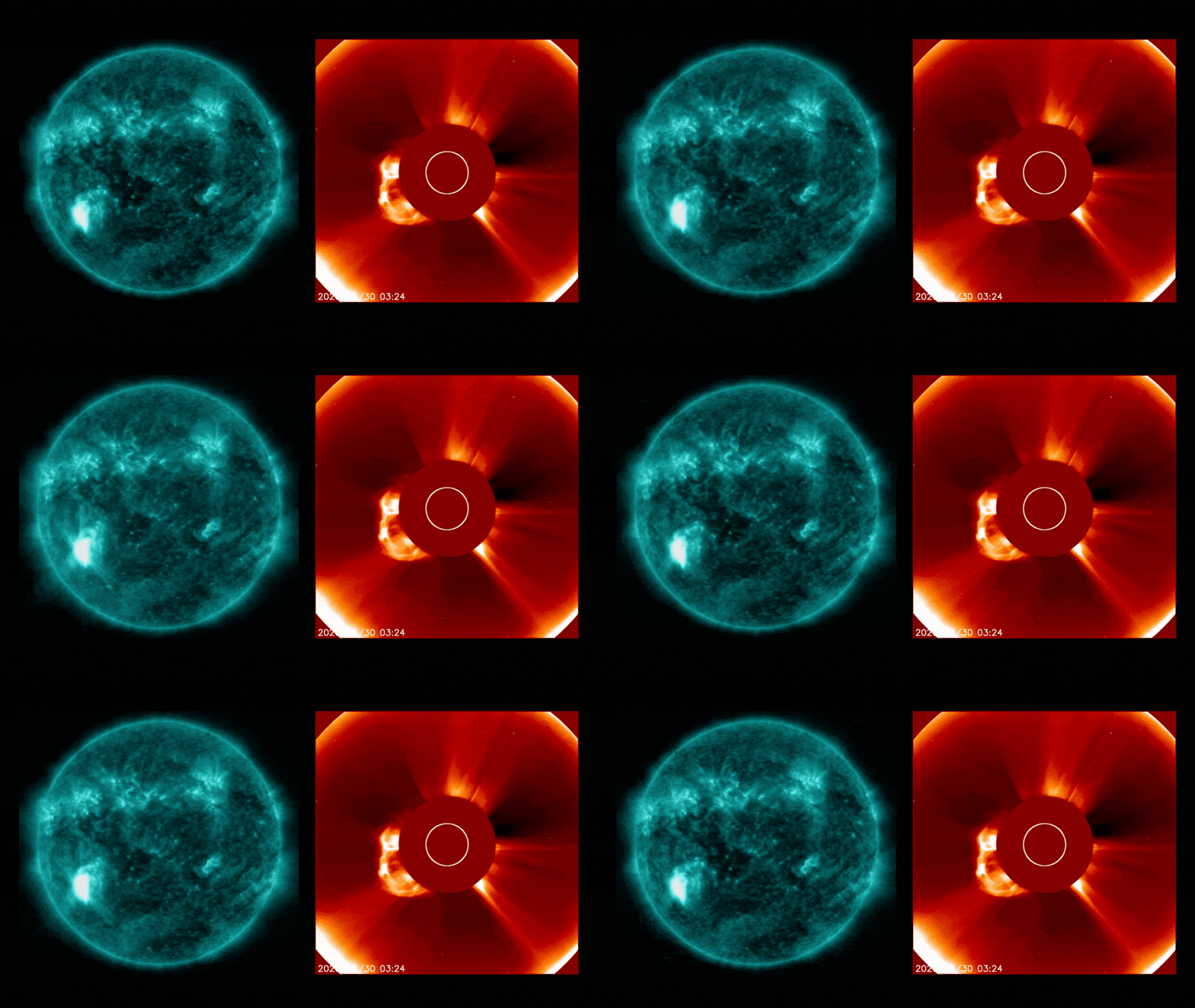
The sun unleashed a powerful X1.4 solar flare in the early hours today (March 30), triggering radio blackouts on Earth and raising potential concerns for NASA's Artemis 2 mission preparations.
The eruption came from active region 4405, a magnetically complex sunspot group now rotating further into Earth's view — meaning any continued activity could have more direct impacts on Earth and Artemis 2 preparations in the coming days. The flare also launched a coronal mass ejection (CME) with a possible Earth-directed component.
Article continues belowNASA is preparing to launch Artemis 2, its first astronaut mission to the moon since 1972, with liftoff set for no earlier than April 1, at 6:24 p.m. EDT (2224 GMT). The mission will send four astronauts on a 10-day journey around the moon, but heightened solar activity could complicate preparations if conditions intensify.
Read more: Could bad space weather endanger the Artemis 2 moon astronauts?
"NASA is paying attention regarding the upcoming Artemis 2 launch," solar physicist Tamitha Skov told Space.com in a reply to a comment on X. "We need to pay attention to radio bursts now. Those can really impact HF/VHF as well as satellite radio communications during critical launch operations and early orbit maneuvers!" Skov continued.
You can keep up to date with the latest Artemis 2 news with our Artemis 2 live blog.
NASA's M2M WSA-ENLIL+Cone model prediction for the CME released during the X1.4 flare. Note the speed of the CME! It's a fast one! (Image credit: NASA)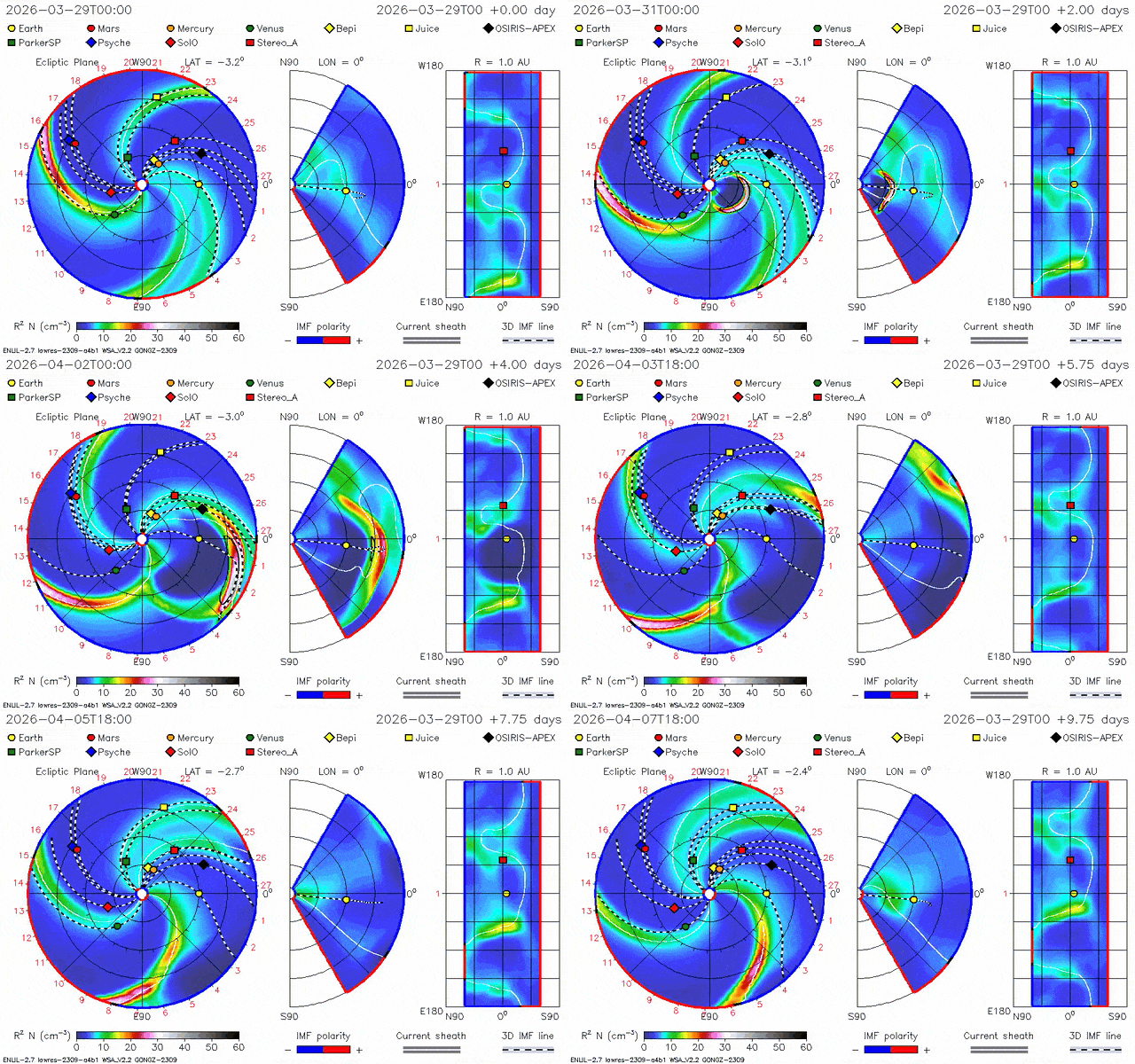
NASA officials aren't the only ones paying close attention to the sun's outbursts this week. Aurora chasers will also be getting excited about the prospect of a possible glancing blow from the speedy CME released during the eruption. NOAA's Space Weather Prediction Center has issued a moderate (G2) geomagnetic storm watch for March 31, with minor (G1) storm conditions possible on March 30 and April 1.
NOAA's X1.4 solar flare bulletin issued on March 29, 2026. (Image credit: NOAA Space Weather Prediction Center)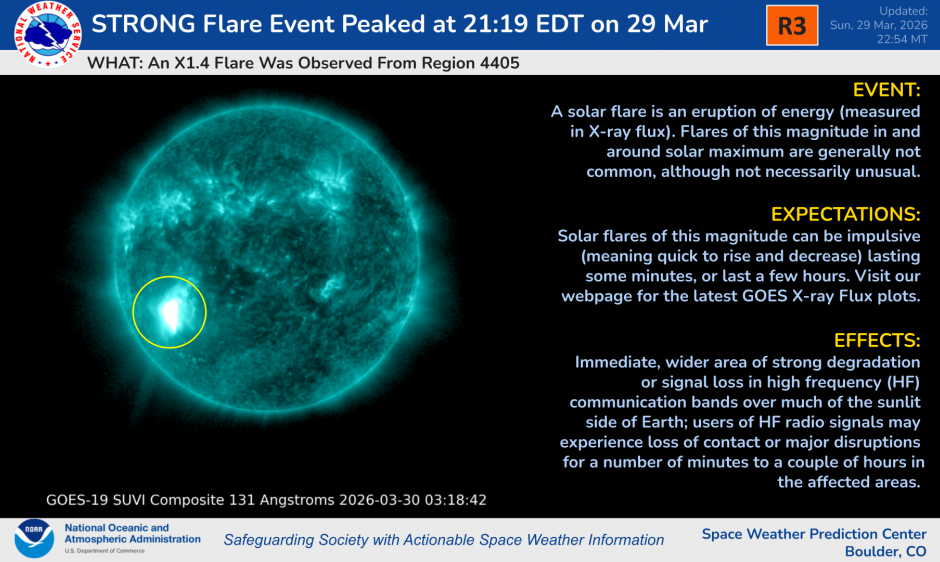
If the CME delivers a glancing blow to Earth, it could trigger geomagnetic storm conditions and lead to auroras visible at lower latitudes than usual. If conditions align, auroras could be visible as far south as New York, Wisconsin and Washington state under G2 conditions, according to NOAA.
 Daisy DobrijevicReference Editor
Daisy Dobrijevic joined Space.com in February 2022 having previously worked for our sister publication All About Space magazine as a staff writer. Before joining us, Daisy completed an editorial internship with the BBC Sky at Night Magazine and worked at the National Space Centre in Leicester, U.K., where she enjoyed communicating space science to the public. In 2021, Daisy completed a PhD in plant physiology and also holds a Master's in Environmental Science, she is currently based in Nottingham, U.K. Daisy is passionate about all things space, with a penchant for solar activity and space weather. She has a strong interest in astrotourism and loves nothing more than a good northern lights chase!
View MoreYou must confirm your public display name before commenting
Please logout and then login again, you will then be prompted to enter your display name.
Logout MORE FROM SPACE...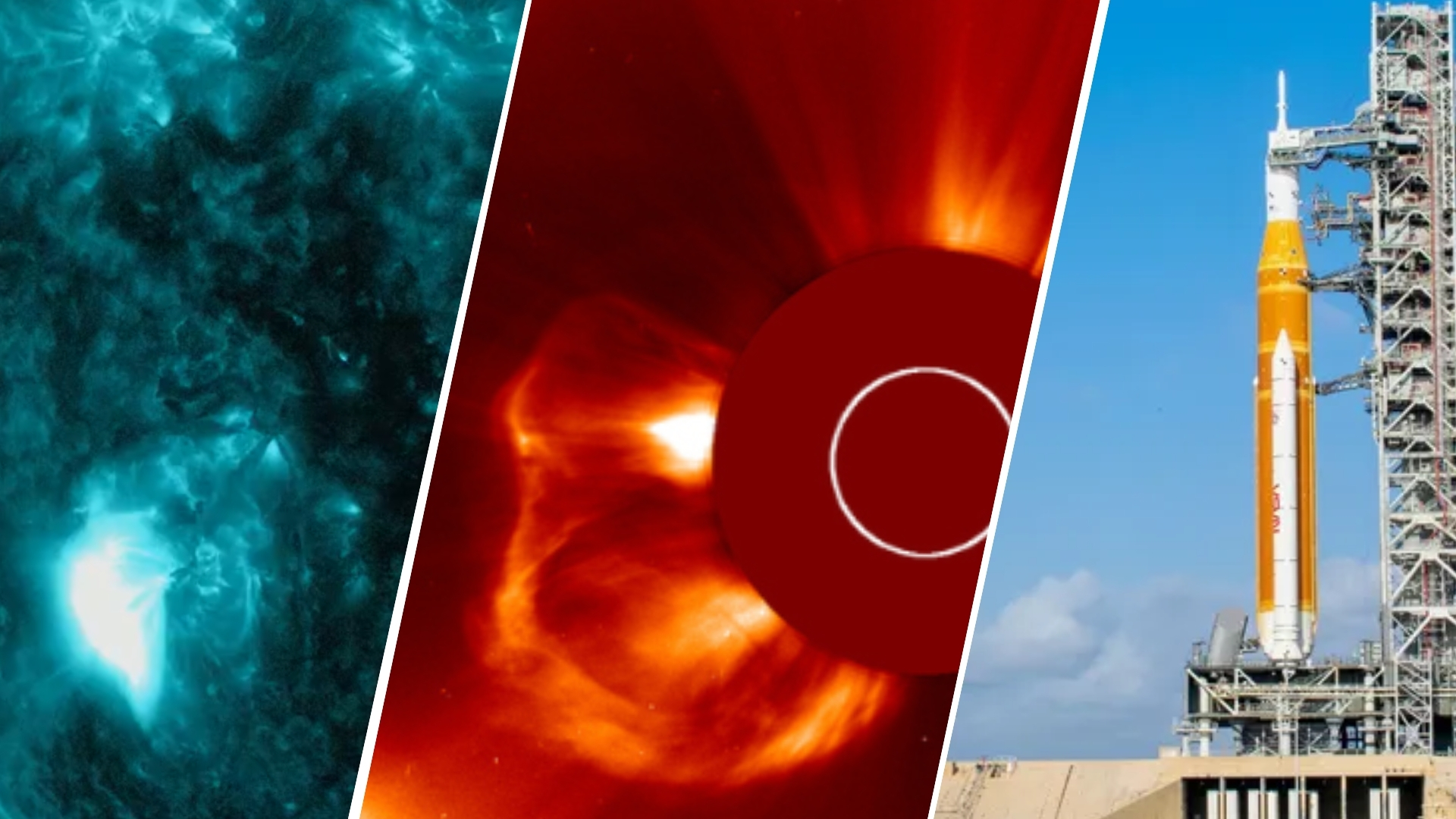 1Powerful X-class solar flare triggers radio blackout ahead of Artemis 2 launch
- 2Could bad space weather endanger the Artemis 2 moon astronauts?
- 3How will Artemis 2 be different from NASA's Apollo moon missions?
- 4Finished Starfleet Academy? Explore the animated antics of Star Trek: Lower Decks for just $2.99 a month
- 5Watch SpaceX launch 119 payloads to orbit from California early on March 30