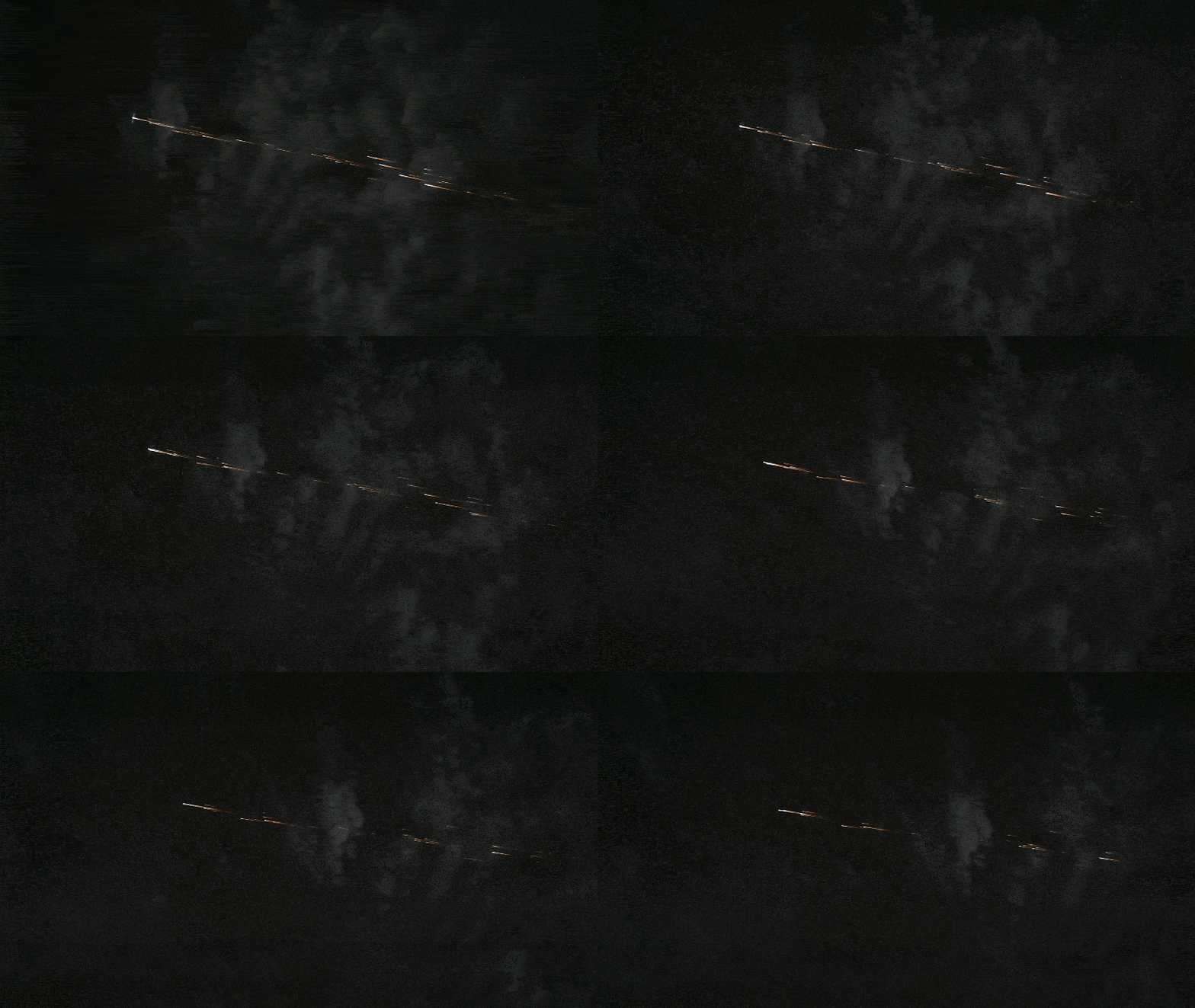
Where is it? Somewhere over West Africa
What's in the photos? Space debris from a Russian rocket burning up upon reentry
Who took the photos? NASA astronaut Chris Williams
When were they taken? April 27, 2026
Earlier this year, an astronaut on board the International Space Station (ISS) snapped some striking photos, and an eerily beautiful video, of a "fireball" streaking over Earth as chunks of space debris burned up in the nighttime sky.
NASA's Chris Williams, who lived and worked on the ISS between November 2025 and July 2026, captured the eye-catching images from the station's cupola — a large, roughly dome-shaped series of windows that constantly points down at our planet — and later shared them on the social media platform X.
"Just as we were passing over West Africa, I saw a bright object directly below us, streaking through the upper atmosphere," Williams wrote in the post. "I saw its tail grow and then split apart into a shower of smaller pieces," he added. "It was quite a light show!"
Williams initially peered down at Earth to catch a glimpse of the Russian cargo spacecraft Progress 95, which successfully delivered essential supplies and additional equipment to the ISS later the same day. Instead, he saw what he believed was "some piece of orbital debris or a satellite breaking up as it entered the atmosphere."
Live Science's sister site Space.com later revealed that Williams had actually witnessed the burning remains of the Russian Soyuz rocket that had carried Progress 95 into space, after it lifted off from a recently repaired launchpad at the Baikonur Cosmodrome in Kazakhstan.
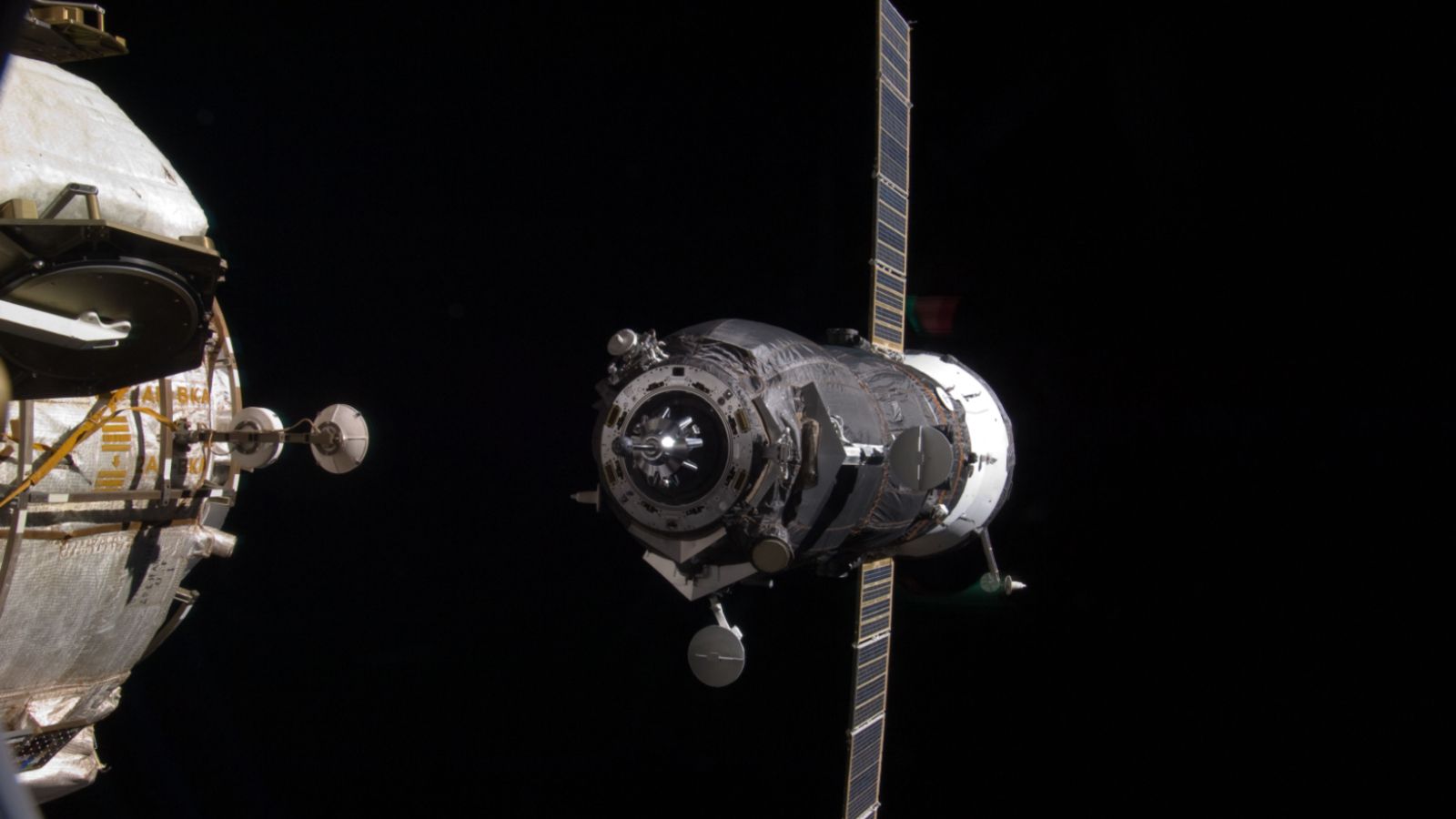
Shortly after deploying the resupply shuttle into low Earth orbit, the rocket's fairings and booster fell back toward our planet as expected, breaking apart into smaller pieces that were superheated and later vaporized by intense friction as they hit the upper atmosphere, according to Space.com. A very similar fireball was seen above Australia in August 2023, when another Soyuz rocket reentered the atmosphere.
Russia's prior resupply mission, Progress 94, also made headlines earlier this year when one of its antennae failed to deploy after separation from its Soyuz rocket, forcing cosmonauts (Russian astronauts) to use a remote control "backup system" to dock the spacecraft to the ISS.
Historically, the only fireballs visible in Earth's skies have been those caused by meteors, which can similarly break apart in flames. We were recently reminded of this when fireballs were spotted above the U.S. this spring, including one space rock that exploded with a massive sonic boom over Ohio and another that crashed through the roof of a house in Houston. (A NASA statement said the fireball Williams witnessed also may have been caused by meteor activity but was more likely to be the Soyuz rocket.)
However, fireballs from human-made objects are becoming more common. The number of spacecraft orbiting Earth has skyrocketed (pun intended) in recent decades, and "what goes up must come down."
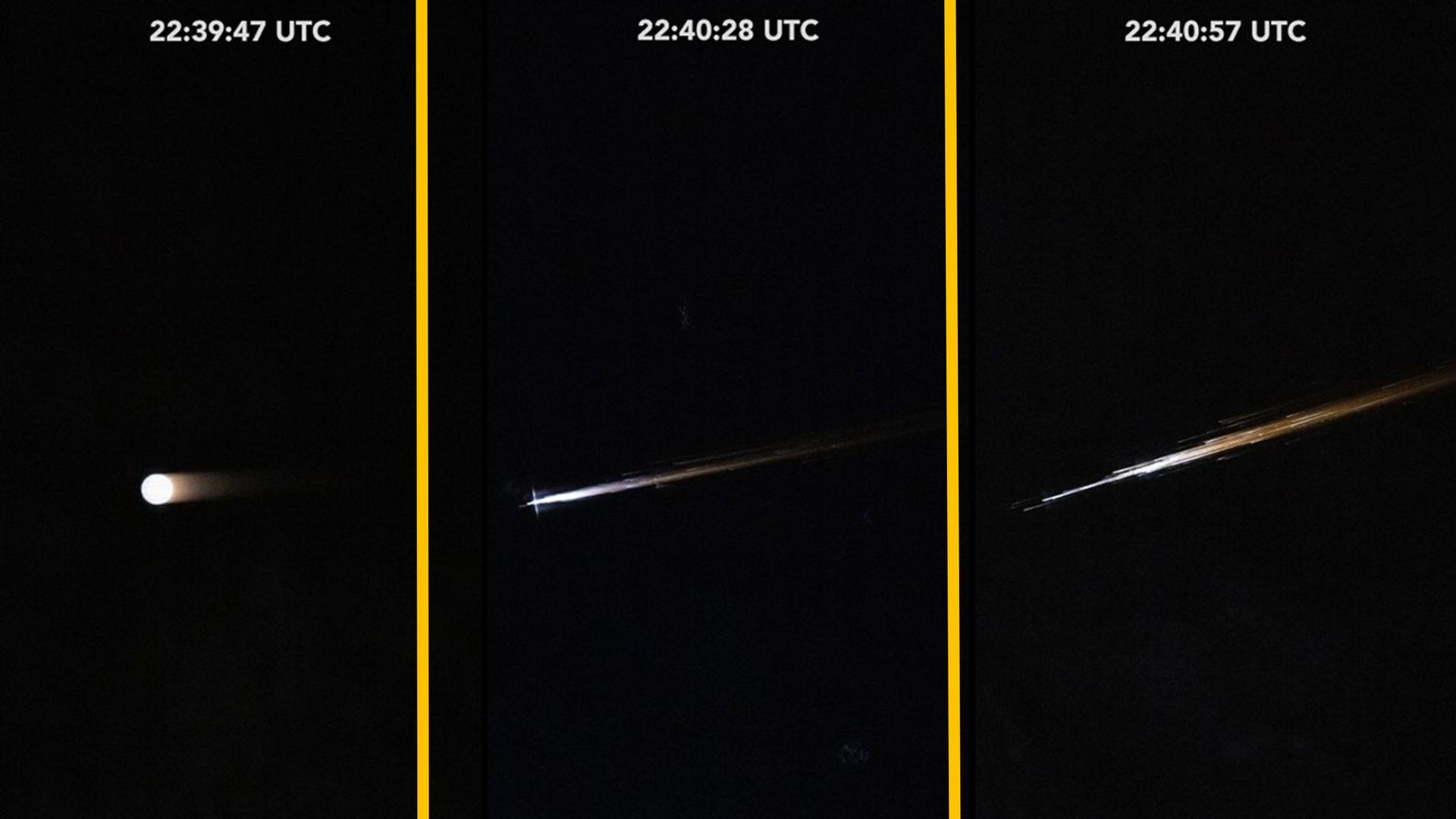
Most spacecraft and large pieces of space junk burn up around 50 miles (80 kilometers) above Earth's surface — just below the imaginary boundary with space, known as the Kármán line. While this may lead to visually stunning spectacles like the one Williams captured, scientists are starting to realize that these fireballs may be having a bigger impact on the upper atmosphere than they previously expected.
In recent years, researchers have detected a sharp increase in atmospheric metal pollution from vaporized spacecraft. And while they are still trying to figure out what effect this may have, some scientists have proposed that it could affect the ozone layer or potentially alter Earth's magnetic field.
Additionally, as the number of falling spacecraft rises, the chances that debris may fall to Earth's surface — after failing to properly burn up upon reentry — also increase. This came to the fore in March 2024, when the remains of a 3-ton battery pack that was discarded from the ISS crashed into a family home in Florida.
See more Earth from space

Space Shuttle's final 'photobomb' turns 15
This 2011 astronaut photo captured one of NASA's iconic space shuttles passing between Earth and the International Space Station for the very last time.
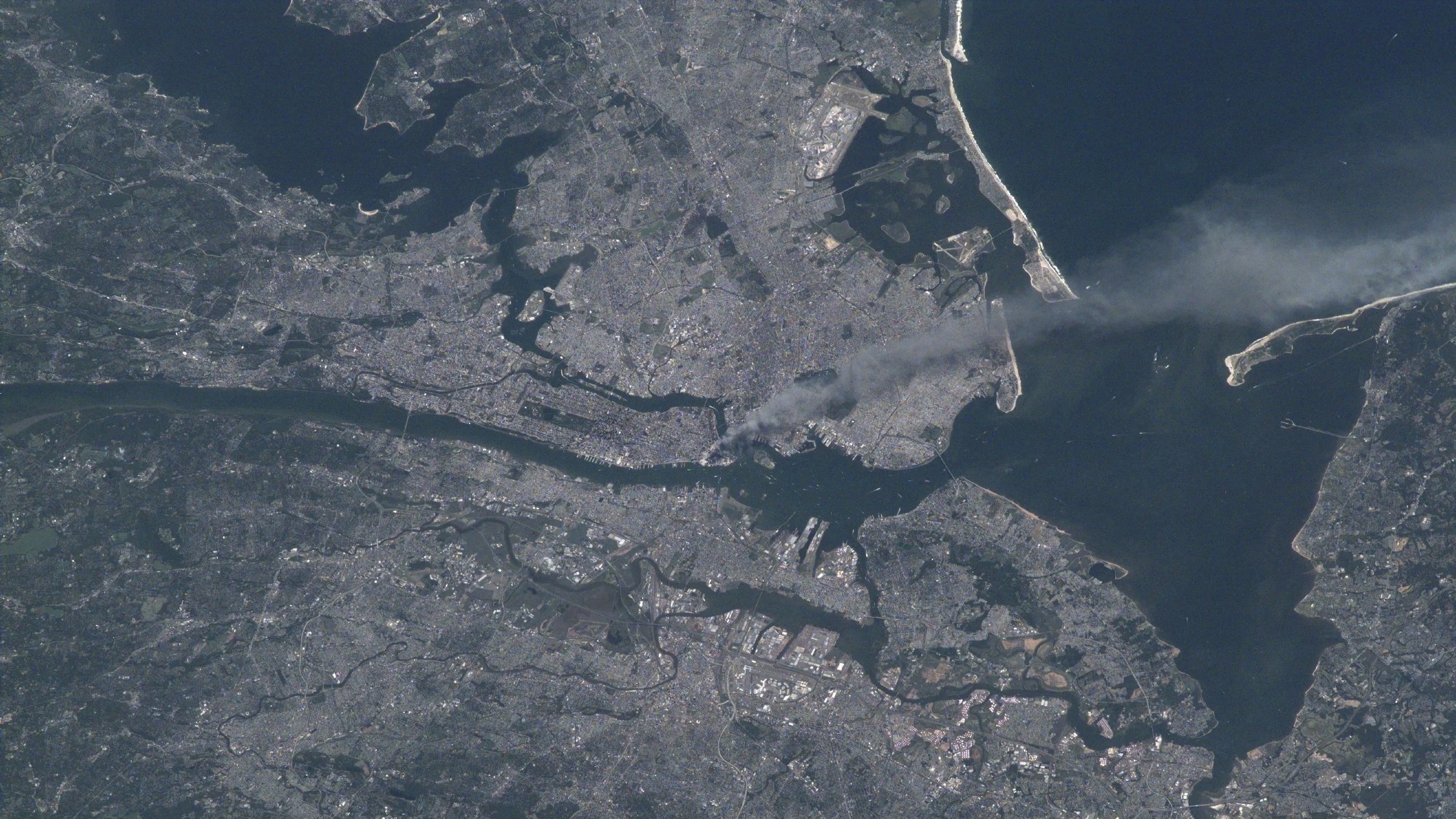
American astronaut's haunting 9/11 snap
During the Sept. 11 attacks, NASA astronaut Frank Culbertson — the only American not on Earth at the time — snapped a "sobering" shot of smoke pouring across New York City as the second tower fell.
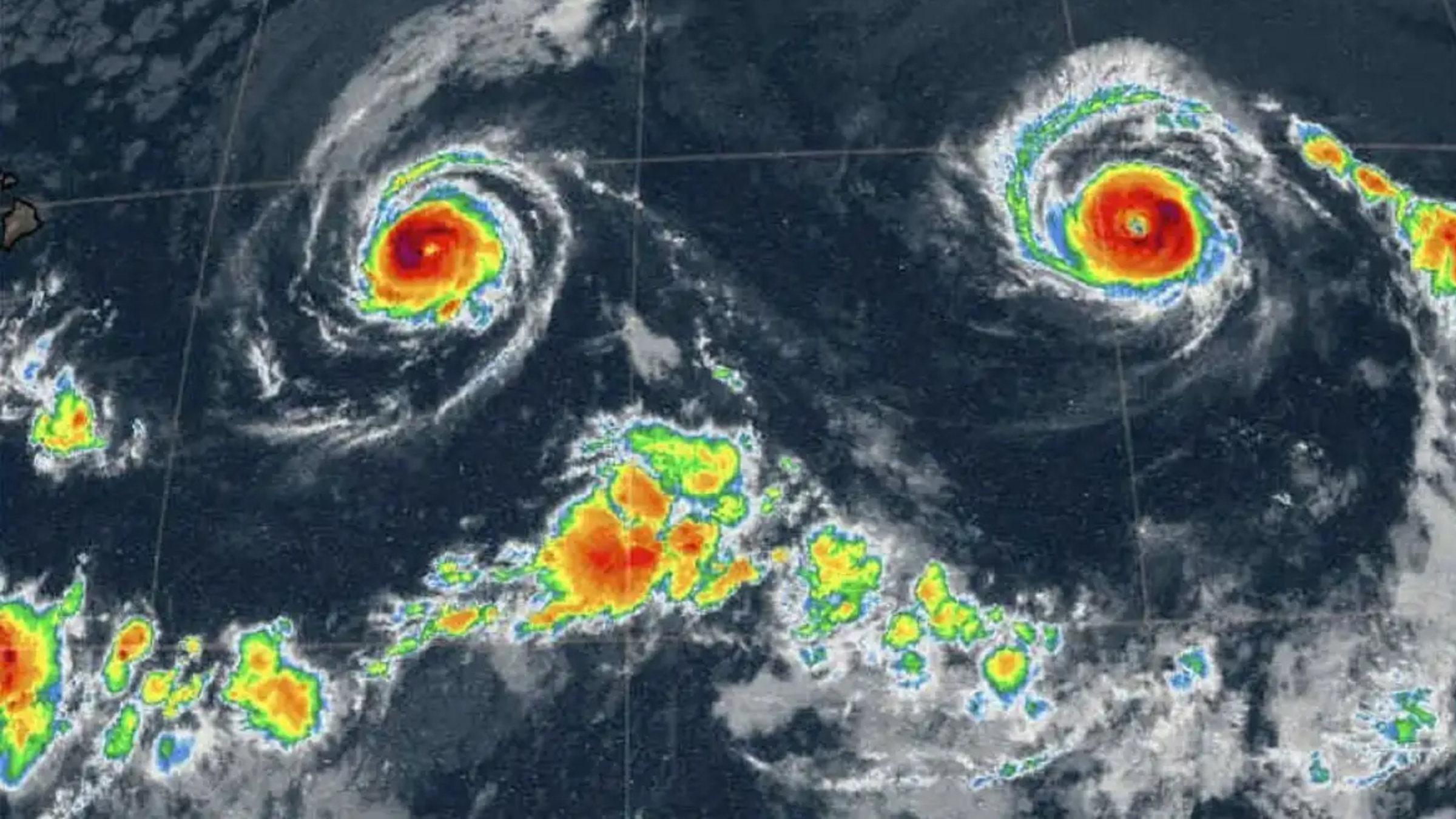
Twin cyclones stare out into space
A 2016 satellite photo shows Hurricane Madeline and Hurricane Lester heading straight toward Hawaii. When viewed from above, the twin cyclones and the surrounding clouds look eerily like a giant smiley face.