 NASA announces moon base, Iran war releases staggering carbon emissions, why weed gives people munchies, and Artemis II preps for liftoff. (Image credit: Gregg Newton/AFP via Getty Images | NASA/Terra/Landsat) Jump to:
 - NASA announces nuclear rocket
- Life's Little Mysteries
- The Iran war is a climate catastrophe
- Also in science news this week
- Science long read
- Something for the weekend
- Science news in pictures
- Follow Live Science on social media
Get the world’s most fascinating discoveries delivered straight to your inbox.
Become a Member in Seconds
Unlock instant access to exclusive member features.
Contact me with news and offers from other Future brands Receive email from us on behalf of our trusted partners or sponsors By submitting your information you agree to the Terms & Conditions and Privacy Policy and are aged 16 or over.You are now subscribed
Your newsletter sign-up was successful
Want to add more newsletters?
Join the club
Get full access to premium articles, exclusive features and a growing list of member rewards.
Explore An account already exists for this email address, please log in. Subscribe to our newsletterThis week's science news was crammed with fascinating revelations about the workings of the human body, leading with the finding that zero gravity means zero game for humans looking to reproduce in space.
A new study revealed that sperm navigation, fertilization and embryo development were severely hampered in simulated microgravity. The findings could pose a serious problem for future space colonization.
NASA announces nuclear rocket
NASA announces 'near‑impossible' space plans, including $20B moon base and humanity's first nuclear-powered interplanetary spacecraft
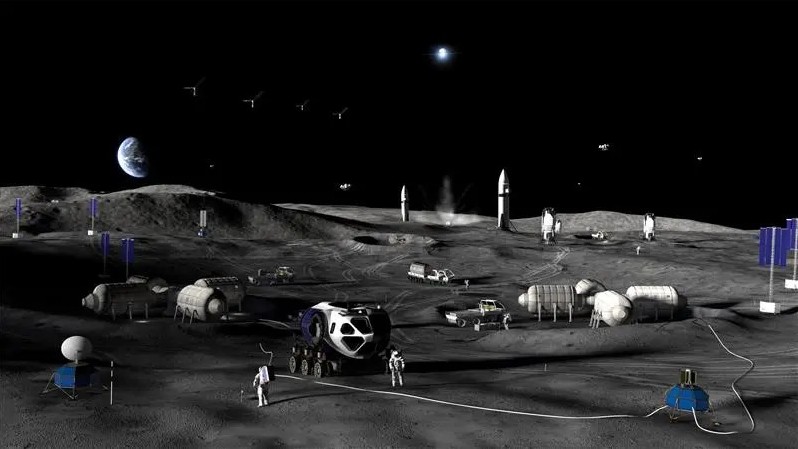
This week, NASA laid out some ambitious plans for its return to the moon. The space agency's administrator, Jared Isaacman, announced he was canceling a planned space station in lunar orbit to use its parts for a $20 billion permanent base on the moon's surface, while also sending a nuclear-powered spacecraft to Mars.
The new lunar-base plans, which will use a fleet of drones and robotic landers to establish a nuclear power station on the moon's surface by 2036, may be partially motivated by a desire to stay ahead of China in the new space race.
Whether the plans are realistic, or simple lunacy will likely come into clearer focus next week, as the space agency's Artemis II moon rocket makes its final bid to launch before its April 30 deadline.
Sign up for the Live Science daily newsletter nowContact me with news and offers from other Future brandsReceive email from us on behalf of our trusted partners or sponsorsDiscover more space news
Life's Little Mysteries
Why does cannabis give people 'the munchies'?

A common side effect of smoking cannabis is being incredibly ravenous. So what explains this effect? Live Science's Kenna Hughes-Castleberry investigated why cannabis gives people "the munchies."
—If you enjoyed this, sign up for our Life's Little Mysteries newsletter
The Iran war is a climate catastrophe
Iran war has already released a staggering amount of CO2 — and the destruction of schools, homes and buildings is the biggest source

As the war in Iran enters its fifth week with scant signs of a letup, we reported on an alarming finding: The first two weeks of the war had already released a staggering amount of carbon dioxide, and the biggest source of the emissions was in the destruction of buildings that will need to be cleared and rebuilt.
The war has drained the global carbon budget faster than 84 countries — the lowest carbon emitters — combined. The aftershocks of the war are expected to have an even bigger climate impact than the fighting itself, as countries seek to buffer against fuel and fertilizer shocks caused by Iran's blockade of the Strait of Hormuz.
Discover more planet Earth news
—Scientists are racing to save Australia's 'zombie tree' from a fast-spreading fungal disease
Also in science news this week
—Brain aging results from a loss of control over how genes are regulated, mouse study suggests
—Roman mosaic shows topless woman battling leopard in arena, study finds
—1,000-year-old altar and human sacrifices from Toltec Empire discovered in Mexico
Science long read
DNA shed by every living thing is lurking in the environment — and it could tell us how Earth is changing in real time

Genetical material is everywhere around us — in the soil, water and air — and it leaves behind invisible fingerprints for entire ecosystems. Tracing it could enable scientists to detect species, map food webs and chart biodiversity without tracking a single organism.
But analyzing the ingredients of this ambient DNA soup is an overwhelming task. In this long read, Live Science investigated the scientific breakthroughs that could soon bring about real-time monitoring of Earth's biosphere.
Something for the weekend
If you're looking for something a little longer to read over the weekend, here are some of the best analyses, crosswords and opinion pieces published this week.
—Live Science crossword puzzle #36: America's national bird — 11 across [Crossword]
Science news in pictures
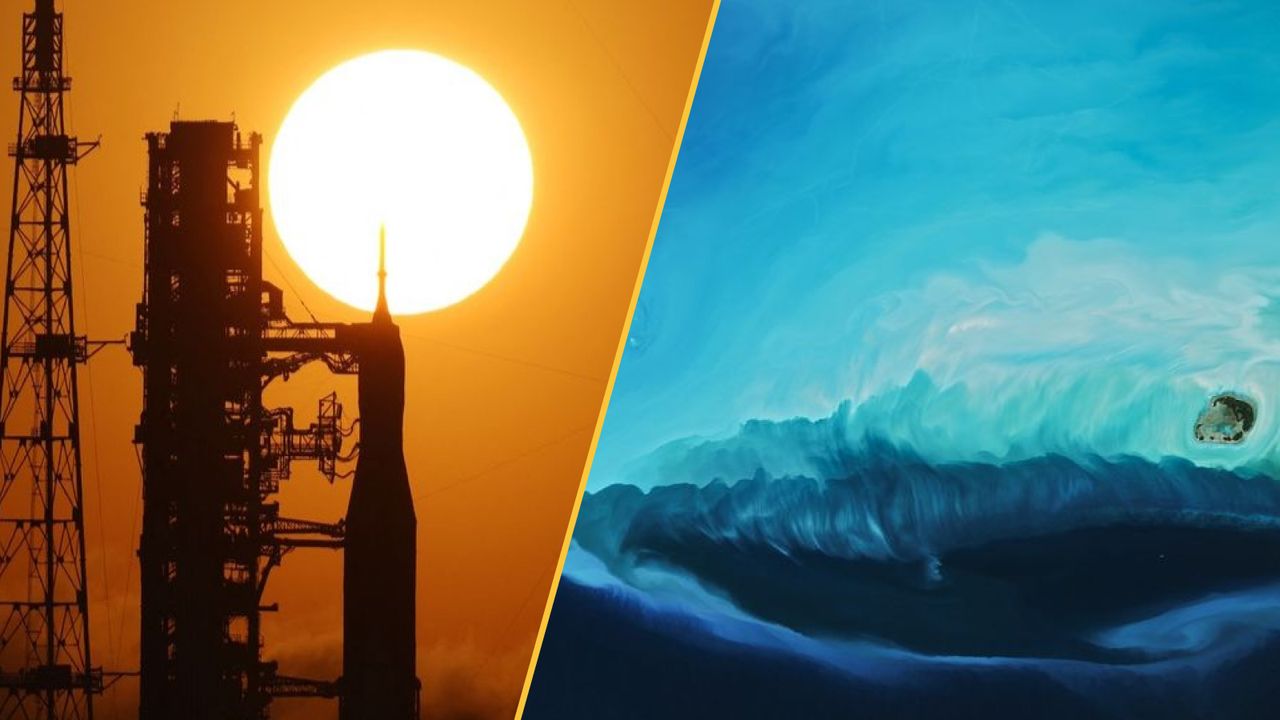
Extreme blast of Arctic air from polar vortex paints a picturesque plume off Florida coast — Earth from space

This photo, snapped by NASA's Terra satellite in February, shows a bright plume of swirling marine mud that was whipped up off the coast of Florida following an Arctic blast that brought severe winter weather to large parts of the U.S. earlier this year.
Artemis II stands ready for launch
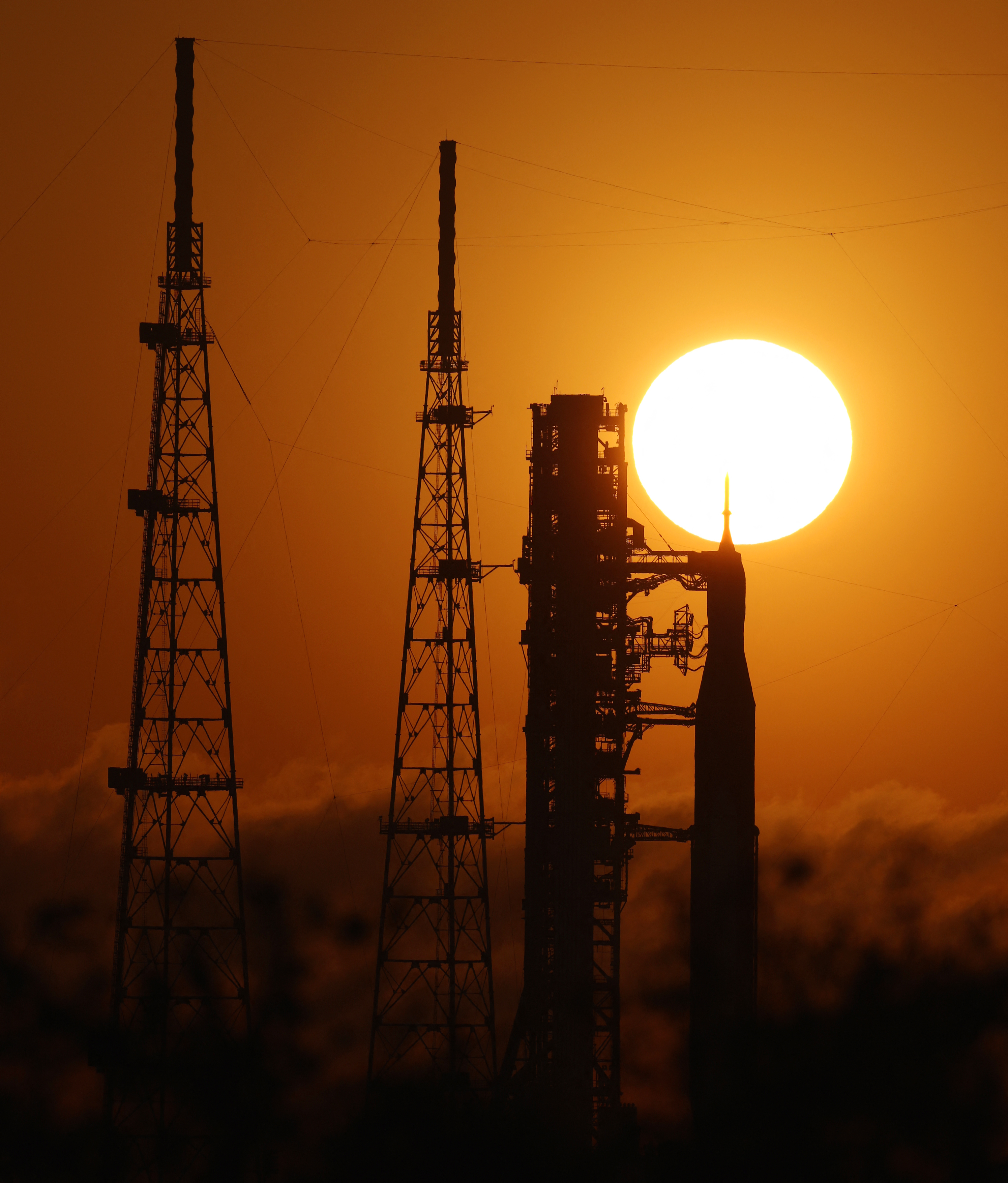
NASA's Artemis II rocket stands poised at Launch Pad 39B at NASA's Kennedy Space Center in Florida. The 322-foot-tall (98 meters) Space Launch System and Orion crew capsule stack is ready to launch the mission's four-astronaut crew on a 10-day flight around the moon and back as soon as April 1.
Science in motion
Rare video shows female sperm whales working together during a birth - YouTube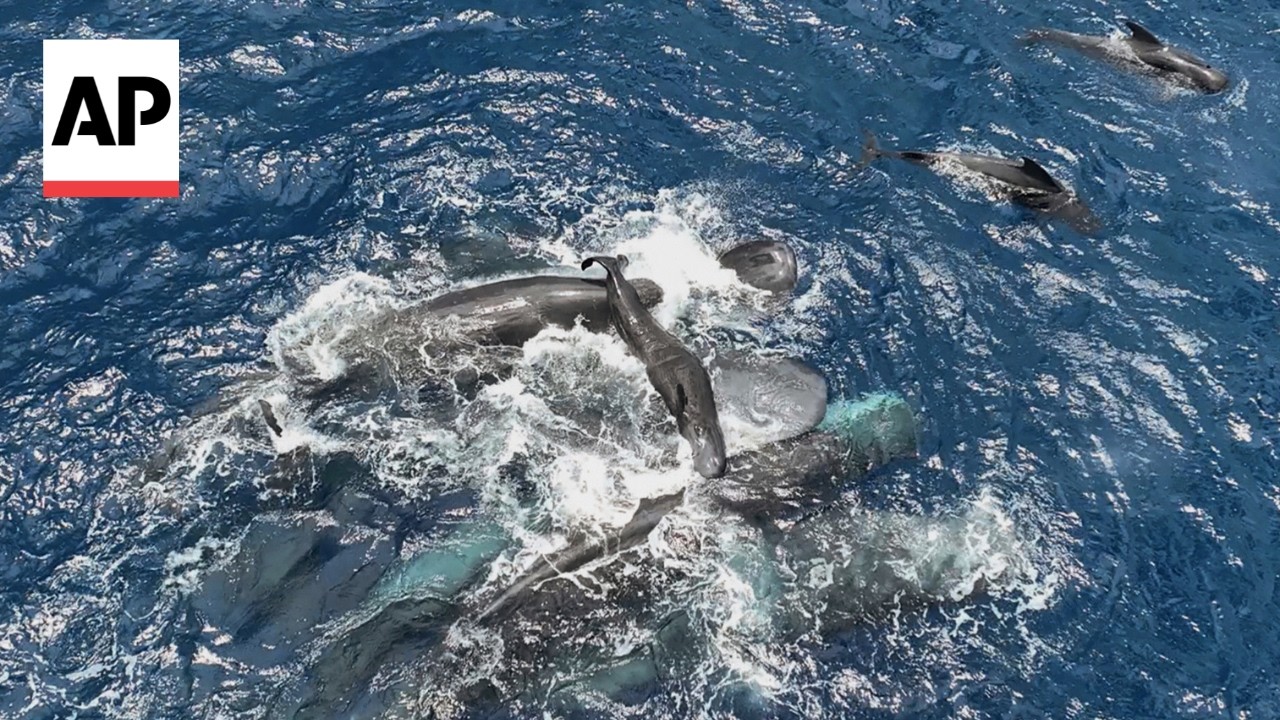 Watch On
 Researchers have filmed a sperm whale giving birth while being assisted by 10 other females in her social unit. It's the first time an event of this kind has ever been seen in non-primates.
The birth, captured by airborne drones in July 2023, took place over the course of an hour, during which time females surrounded the mother and newborn in a protective circle, taking turns to raise the calf to the surface — giving it time for its flukes to unfurl and acquire its own natural buoyancy control.
Sperm whale social groups are matriarchies, with life-long bonds formed between mothers, daughters, grandmothers and unrelated females. The males, meanwhile, primarily roam the oceans alone, creating one of the most extreme geographical separations between the sexes in nature.
Follow Live Science on social media
Want more science news? Follow our Live Science WhatsApp Channel for the latest discoveries as they happen. It's the best way to get our expert reporting on the go, but if you don't use WhatsApp we're also on Facebook, X (formerly Twitter), Flipboard, Instagram, TikTok, Bluesky and LinkedIn.
TOPICS Ben TurnerActing Trending News Editor
Ben Turner is a U.K. based writer and editor at Live Science. He covers physics and astronomy, tech and climate change. He graduated from University College London with a degree in particle physics before training as a journalist. When he's not writing, Ben enjoys reading literature, playing the guitar and embarrassing himself with chess.
View MoreYou must confirm your public display name before commenting
Please logout and then login again, you will then be prompted to enter your display name.
Logout LATEST ARTICLES 1How to catch the full 'Pink Moon' in April followed by a 'Blue Moon' in May
- 2Why does cannabis give people 'the munchies'?
- 3Mystery medical episode that left astronaut unable to speak shows one of NASA's biggest risks as moon missions ramp up
- 4Our fossil fuel economy is a house of cards and Trump's war in Iran is about to topple it. The need for a clean energy transition has never been clearer.
- 5Here's the stargazing gear you need for April 2026 — don't miss the Lyrids, two comets and the full moon