A SpaceX rocket just inched closer to the record books.
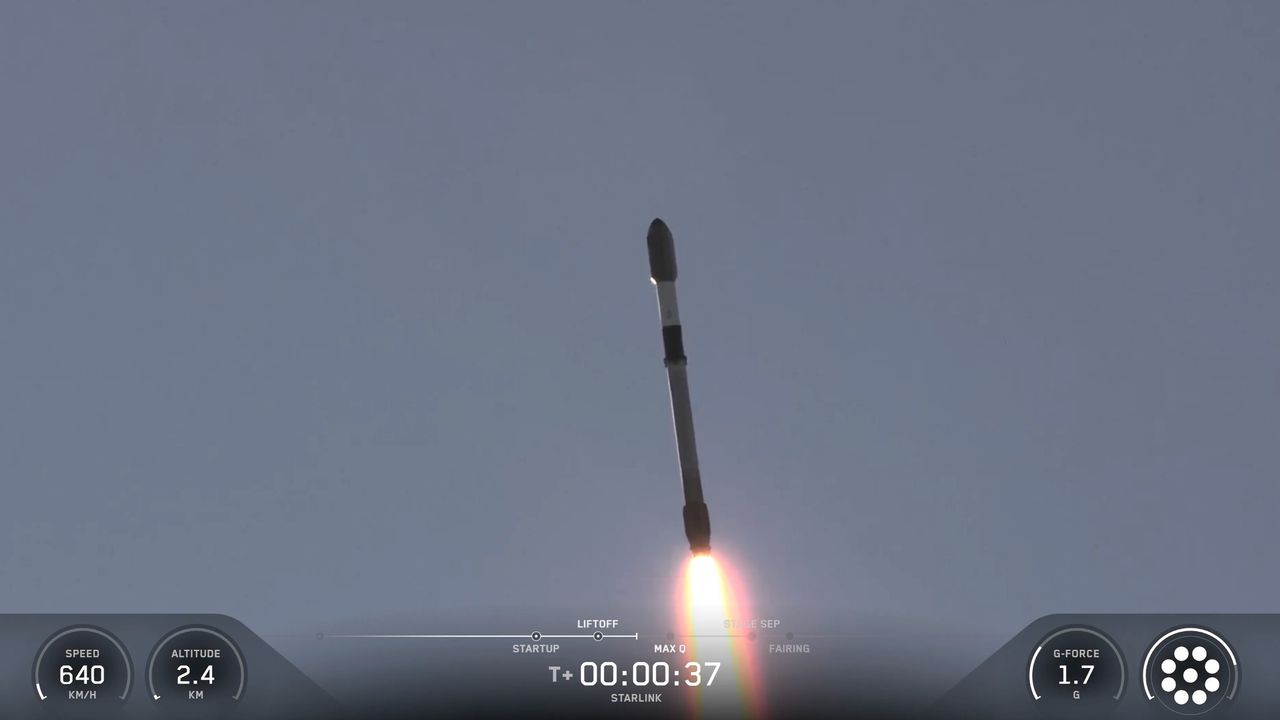
A Falcon 9 vehicle lifted off from Vandenberg Space Force Base in California tonight (July 10) at 11:01 p.m. EDT (8:01 p.m. local time; 0301 GMT on July 11), carrying 29 of SpaceX's Starlink broadband satellites toward low Earth orbit (LEO).
It was the 35th flight for this rocket's first stage, a booster designated B1071. The SpaceX record is 36, set just a few days ago by B1067 on another Starlink mission.
Previous Booster B1071 launchesNROL-87 | NROL-85 | SARah-1 | SWOT | Transporter-8 | Transporter-9 | NROL-146 | Bandwagon-2 | NROL-153 | NROL-192 | Transporter-14 | Transporter-15 | CAS500-2 | 21 Starlink missions
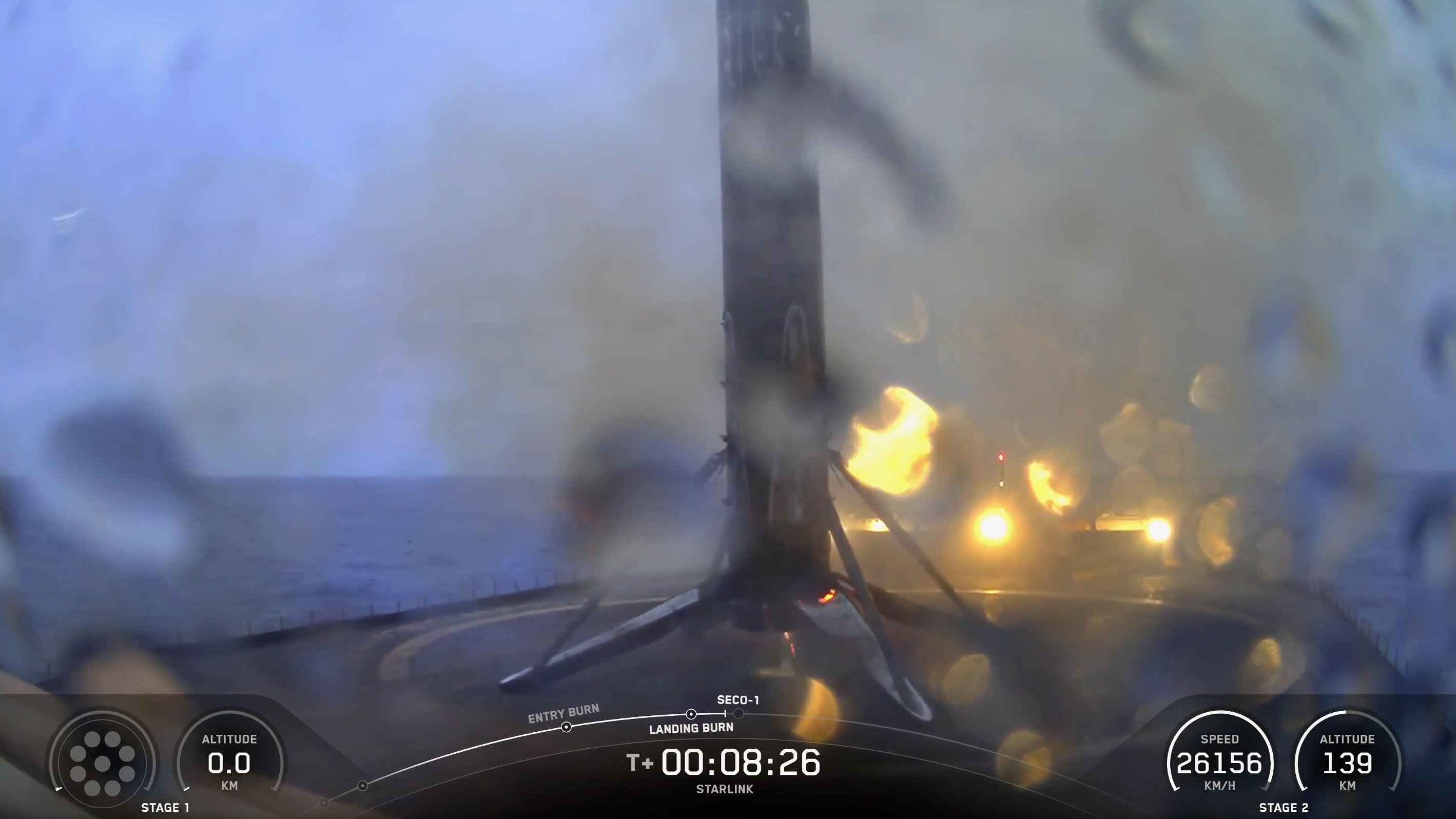
And, there will likely be more flights for B1071 down the road. The booster came back to Earth for a touchdown tonight as planned, landing in the Pacific Ocean on the SpaceX droneship "Of Course I Still Love You" about 8.5 minutes after launch.
The Falcon 9's upper stage, meanwhile, continued carrying the 29 Starlink satellites aloft. They're scheduled to be deployed in LEO about 62 minutes after launch.
The Starlink megaconstellation currently consists of more than 10,700 active satellites, according to tracker Jonathan McDowell. The network is growing all the time, however, and it could eventually get very large indeed; SpaceX recently applied for approval to operate 100,000 of the spacecraft in LEO.
Tonight's launch was the 81st Falcon 9 mission of 2026. About 80% of them have been Starlink flights.