SpaceX launched the world's most powerful rocket on a critical 13th test flight late Friday, but there was no triskaidekaphobia on this mission.
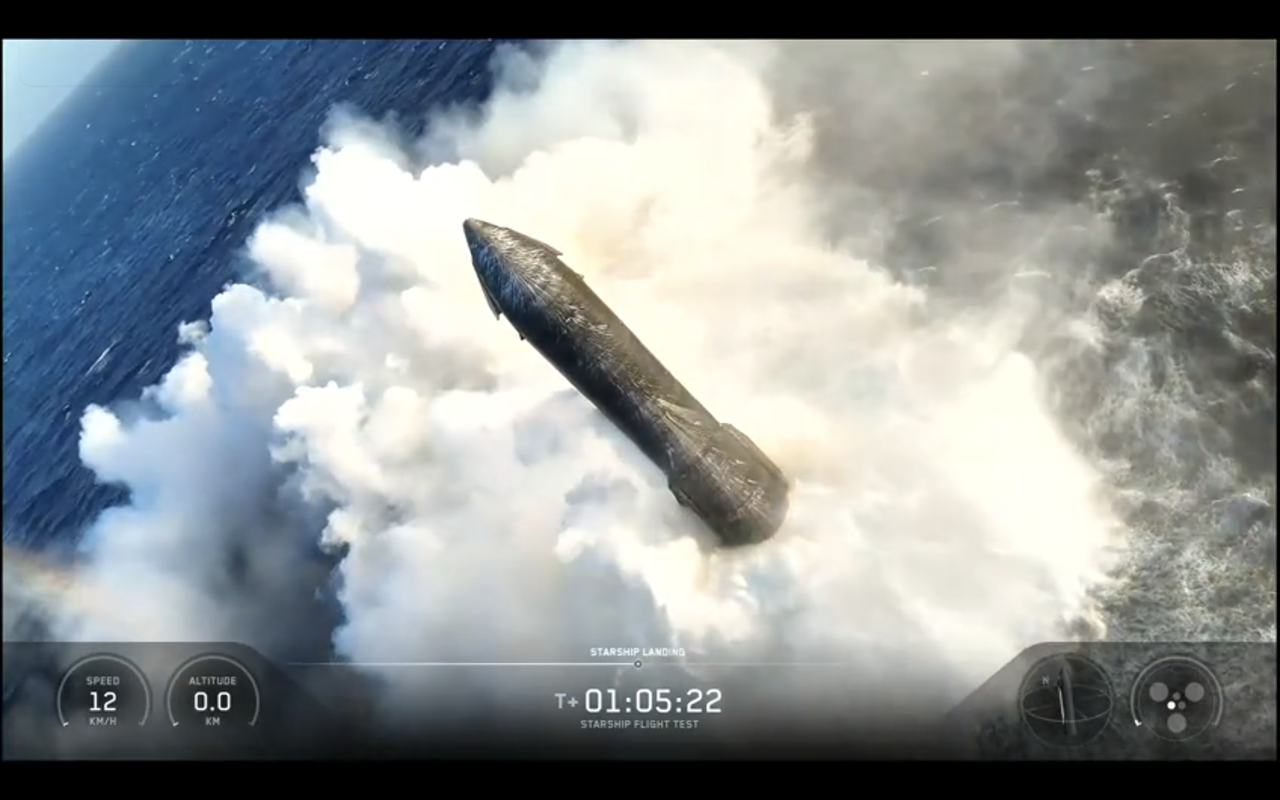
The July 24 test launch, Space's Starship Flight 13 mission, sent a towering rocket the size of a 40-story skyscraper into space from South Texas, returned its massive Booster to Earth, and then — in a feat perhaps none saw coming — gently landed its Starship upper stage in the Indian Ocean, where it tipped over to float belly up on the sea.
"Starship is intact, floating in the ocean and transmitting telemetry!" SpaceX CEO Elon Musk wrote on X.
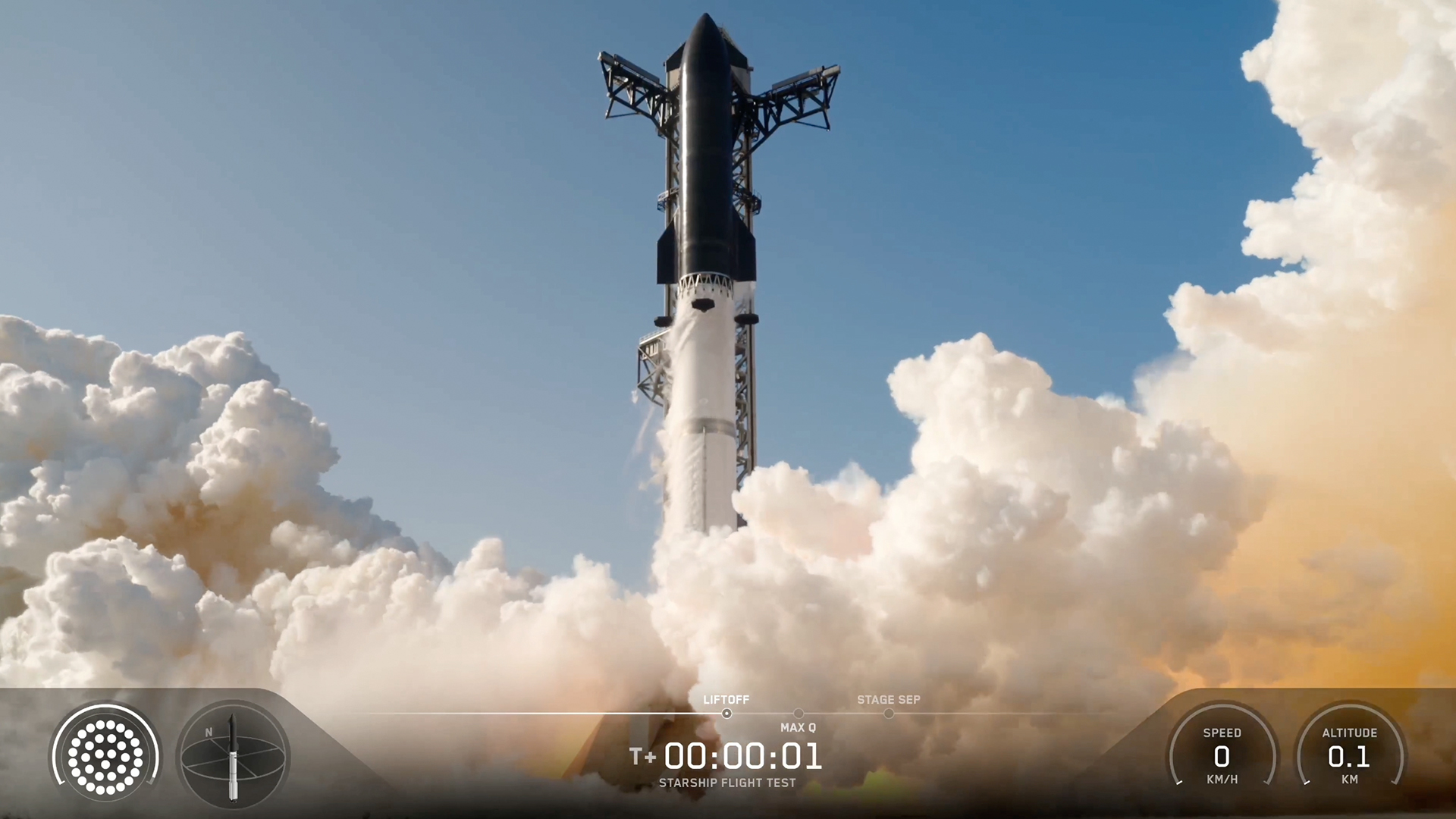 SpaceX's Starship Flight 13 test flight lifts off from Starbase, Texas on July 24, 2026.SpaceX
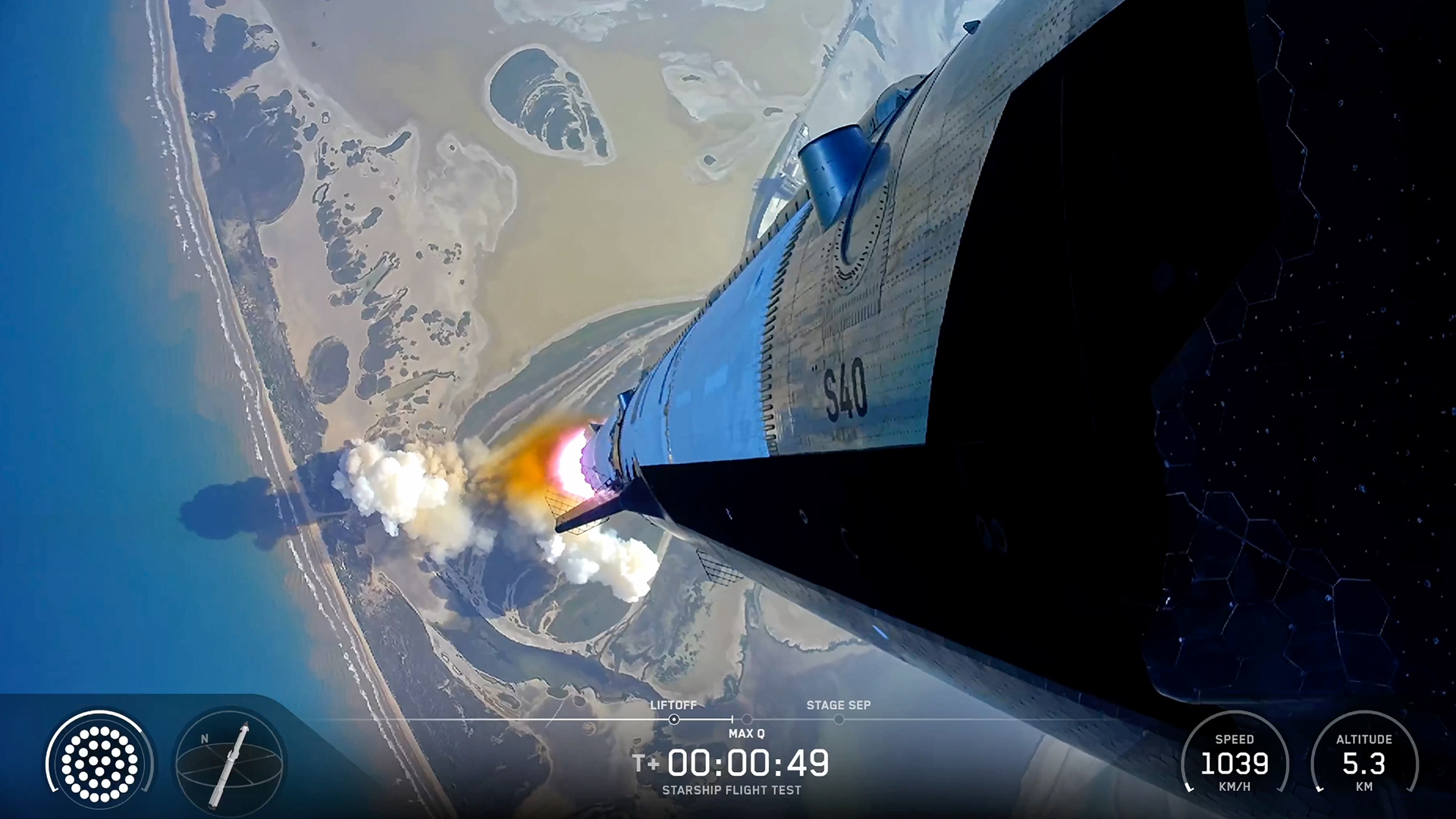 SpaceX's Starship Flight 13 test flight lifts off from Starbase, Texas on July 24, 2026.SpaceX
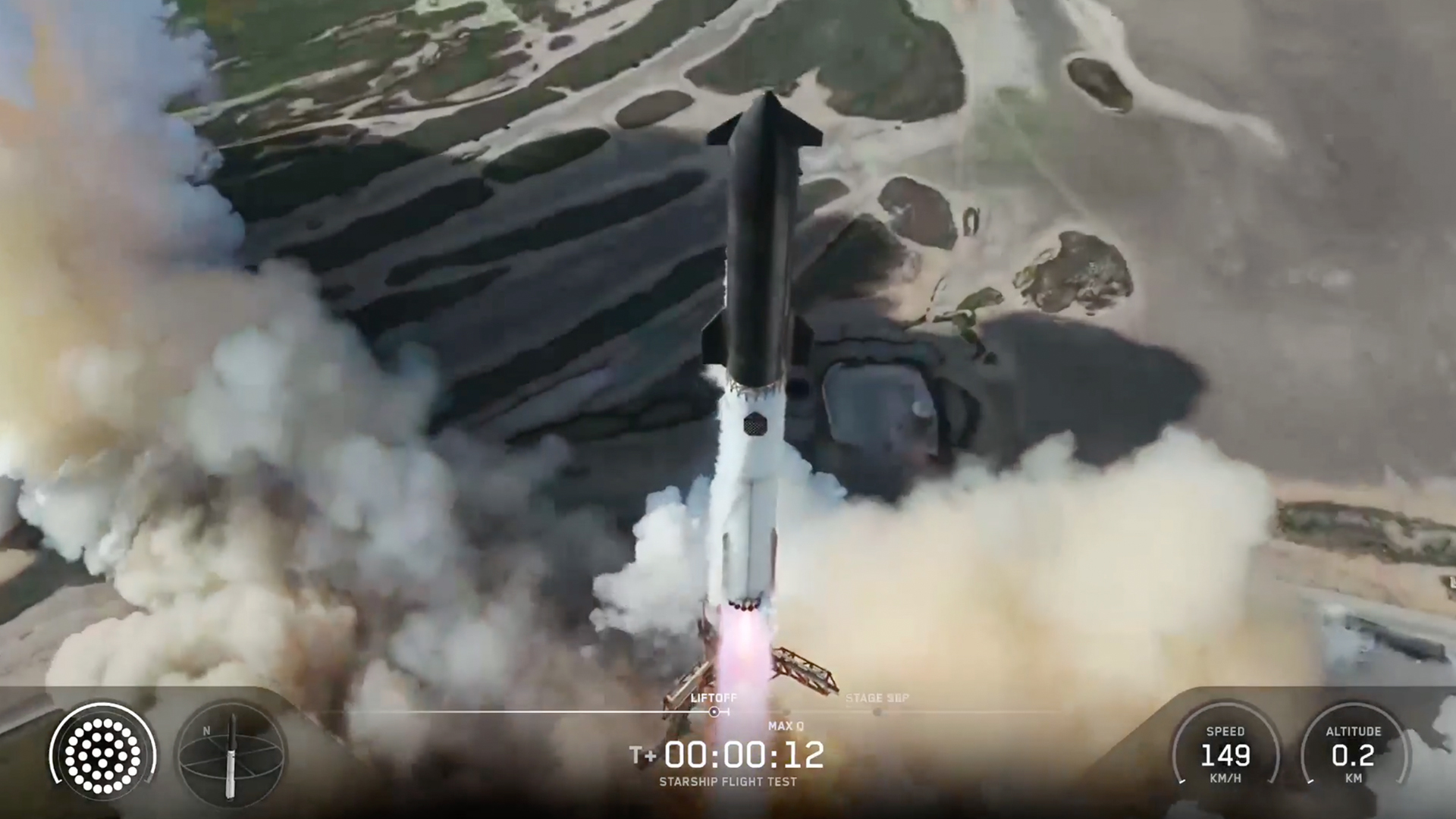 SpaceX's Starship Flight 13 test flight lifts off from Starbase, Texas on July 24, 2026.SpaceX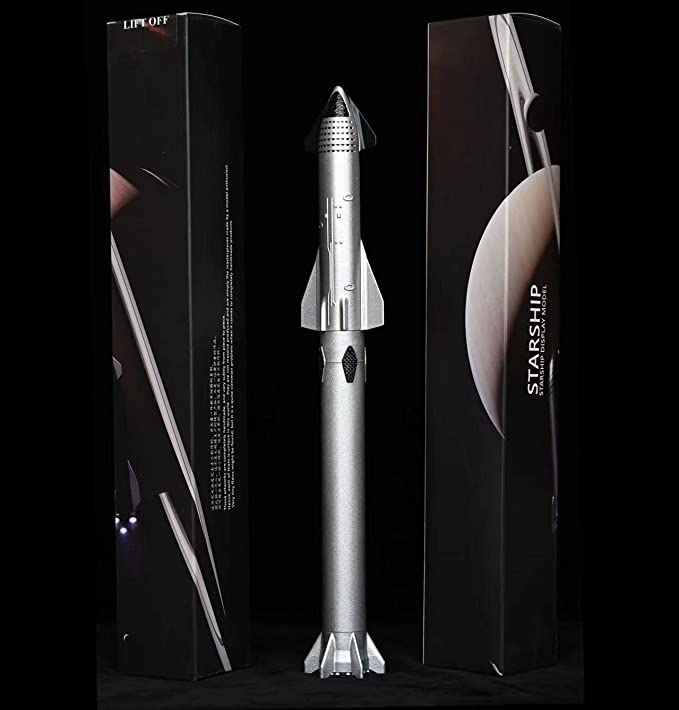
Starship Die Cast Rocket Model Was $47.99 Now $39.99 on Amazon.
Even if you can't see SpaceX's Starship in person, you can score a model of your own. Standing at 13.77 inches (35 cm), this is a 1:375 ratio of SpaceX's Starship as a desktop model. The materials here are alloy steel and it weighs just 225g.View Deal
"That is a first," SpaceX spokesperson Dan Huot added in live commentary as a drone beamed stunning views of Starship bobbing in the waves. "That is the softest splashdown we have ever had with Starship in the Indian Ocean."
The splashdown capped what appeared to be a mostly successful test flight of SpaceX's biggest Starship ever. With a mighty roar, Starship Flight 13 lifted off from SpaceX's Starbase, Texas launch site at 6:51 p.m. EDT (2251 GMT) on a test flight that lasted just over one hour.
It was only the second flight of the company's new Starship Version 3 design, or V3, and SpaceX was hoping for a better outing than its first attempt in May. During that previous test, the Starship Flight 12 mission, the massive Super Heavy first-stage Booster suffered engine problems after stage separation and failed to make a water landing in the Gulf of Mexico. It crashed instead.
Lucky Flight 13
Friday's Starship Flight 13 mission fared a bit better.
SpaceX initially tried to launch Flight 13 on July 16, but the rocket aborted the try at the last second due to engine issues. SpaceX replaced some first-stage Raptor engines in time for a July 23 launch attempt, but waved off due to weather, setting the stage for Friday's successful liftoff.
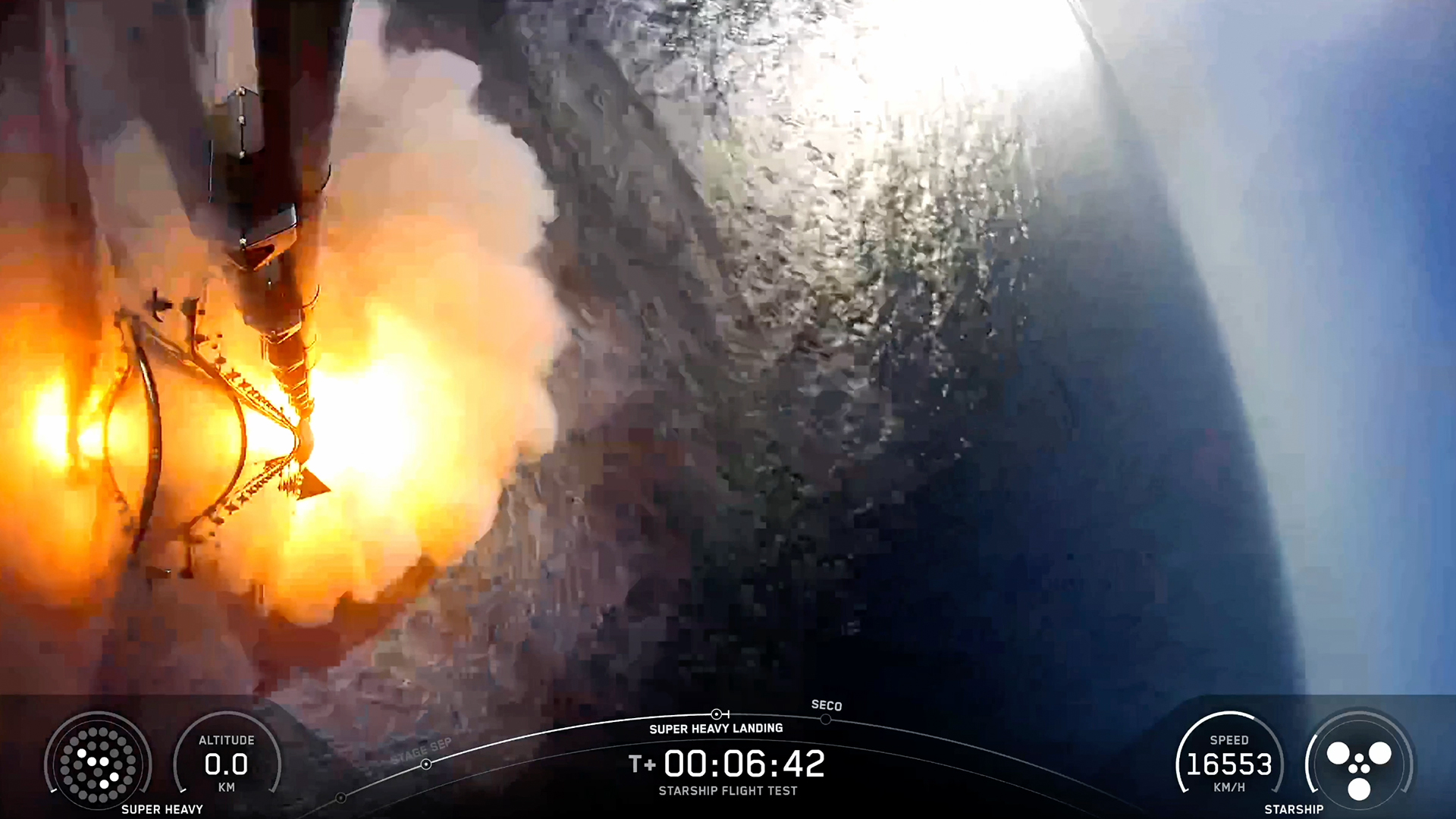
Minutes into the flight, the Super Heavy Booster successfully separated from its Ship upper stage, aced a flip maneuver and returned to Earth. There was a problem during the landing burn. Only five engines appeared to fire when 13 were required to slow the Booster to landing speed. It hit the Gulf waters harder than planned, its camera views cutting out.
"It didn't look like we lit all 13 engines that we were planning for that initial landing burn," Huot said. "We were targeting a softer splashdown and, as you saw, it came in with quite a bit of velocity."
Starlink V3 makes a debut
Starship is intact, floating in the ocean...'
- Elon Musk, SpaceX CEO
Despite the Booster's rough landing, there were clear successes on Starship Flight 13.
While sailing on its suborbital trajectory, Flight 13's Ship upper stage deployed 20 next-generation Starlink Version 3 internet satellites — large, flat satellites equipped with laser communications links and expansive solar arrays that will replace SpaceX's current Starlink internet megaconstellation.
Starship is designed to launch 60 Starlink V3 satellites at a time, spitting them out through a slit-like payload bay door like a giant PEZ candy dispenser. All 20 Starlink V3 satellites deployed smoothly, with the last two switching on flashlights and looking back at their Ship carrier before floating off into orbital darkness. The satellites did not stay in space. They fell to Earth and burned up (by design) due to their suborbital flight path.
The Ship upper stage (which SpaceX also refers to as Starship) then reignited one of its six Raptor engines to test a critical engine relight capability that will allow future Starships to enter and leave orbit. The burn went off without a hitch — a milestone since SpaceX had not always performed the burn if a test didn't go smoothly.
Then it was time for reentry, with cameras beaming back stunning views of Starship wrapped in super-hot plasma as it fell back to Earth. The spacecraft executed a three-engine burn to flip over into a vertical landing position, but did shift down to two engines, then one before it toppled over to rest on the waves.
The sight of a floating Starship triggered a cacophony of cheers from SpaceX teams at Starbase and its Hawthorne, California rocket factory in the company's livestream. After all, Starships usually explode after they tip over.
"This is just the first time we've put a Starship into the water," SpaceX's Dan Huot said during live commentary. He called it SpaceX's "softest splashdown" ever. "This is a dream scenario for this team that's trying to get this heat shield data."
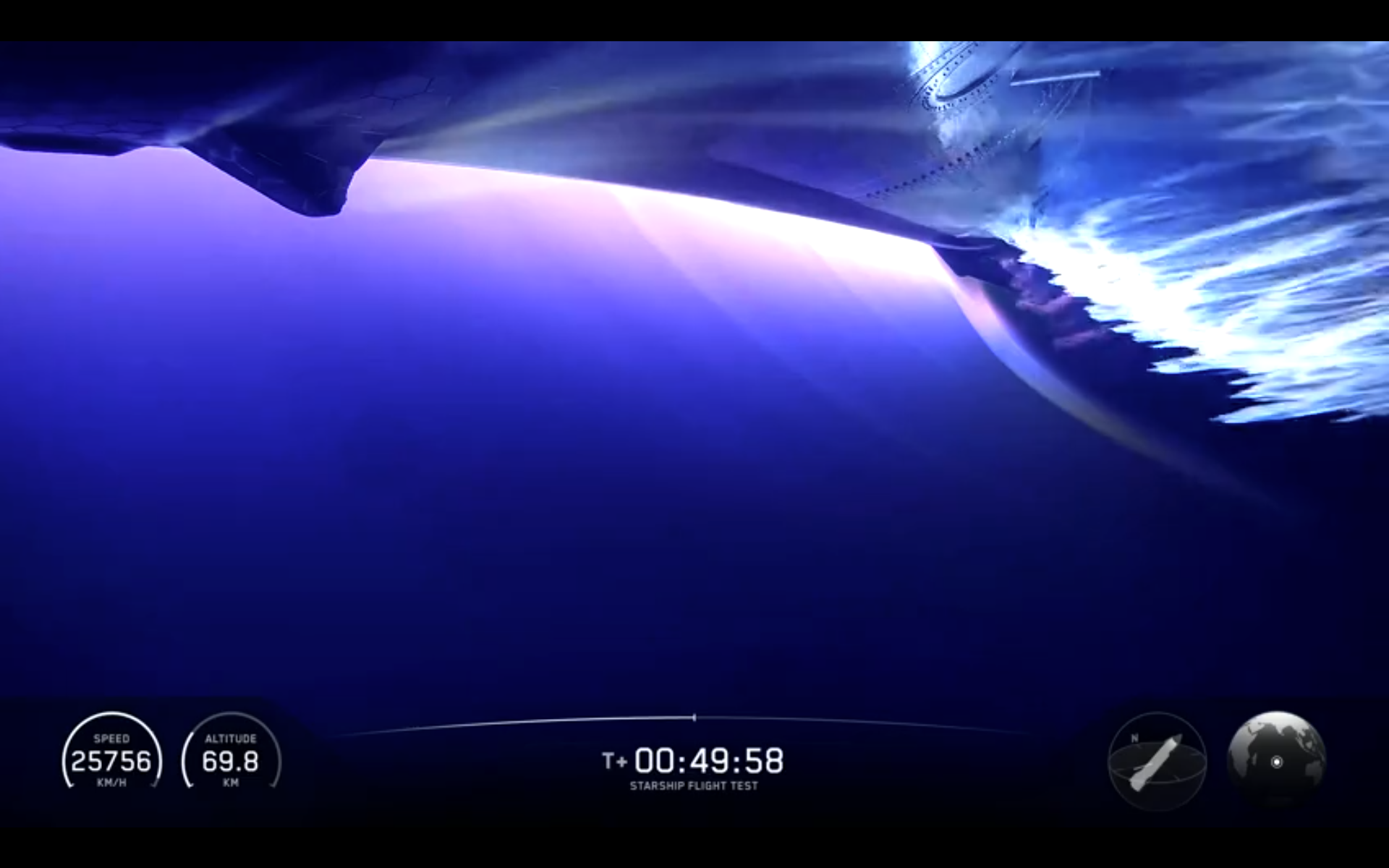
The heat shield isn't the only thing SpaceX's recovery team will be looking at.
Live views from Starship showed its six engines intact along with its flaps and other systems. Teams will be poring over what they can retrieve from the sea to help improve future Starship upgrades.
SpaceX is developing Starship to be a fully reusable launch system, a 407-foot-tall (124 meters) megarocket capable of taking Starlink fleets to orbit as easily as it lands NASA astronauts on the moon. That part is key.
NASA has tapped SpaceX's Starship to land its Artemis IV astronauts on the moon in 2028, but SpaceX has yet to ever complete an entire Earth orbit with Starship after 13 test flights and three years of launches. It's been a decade since Elon Musk first unveiled what SpaceX now calls Starship during a 2016 speech.
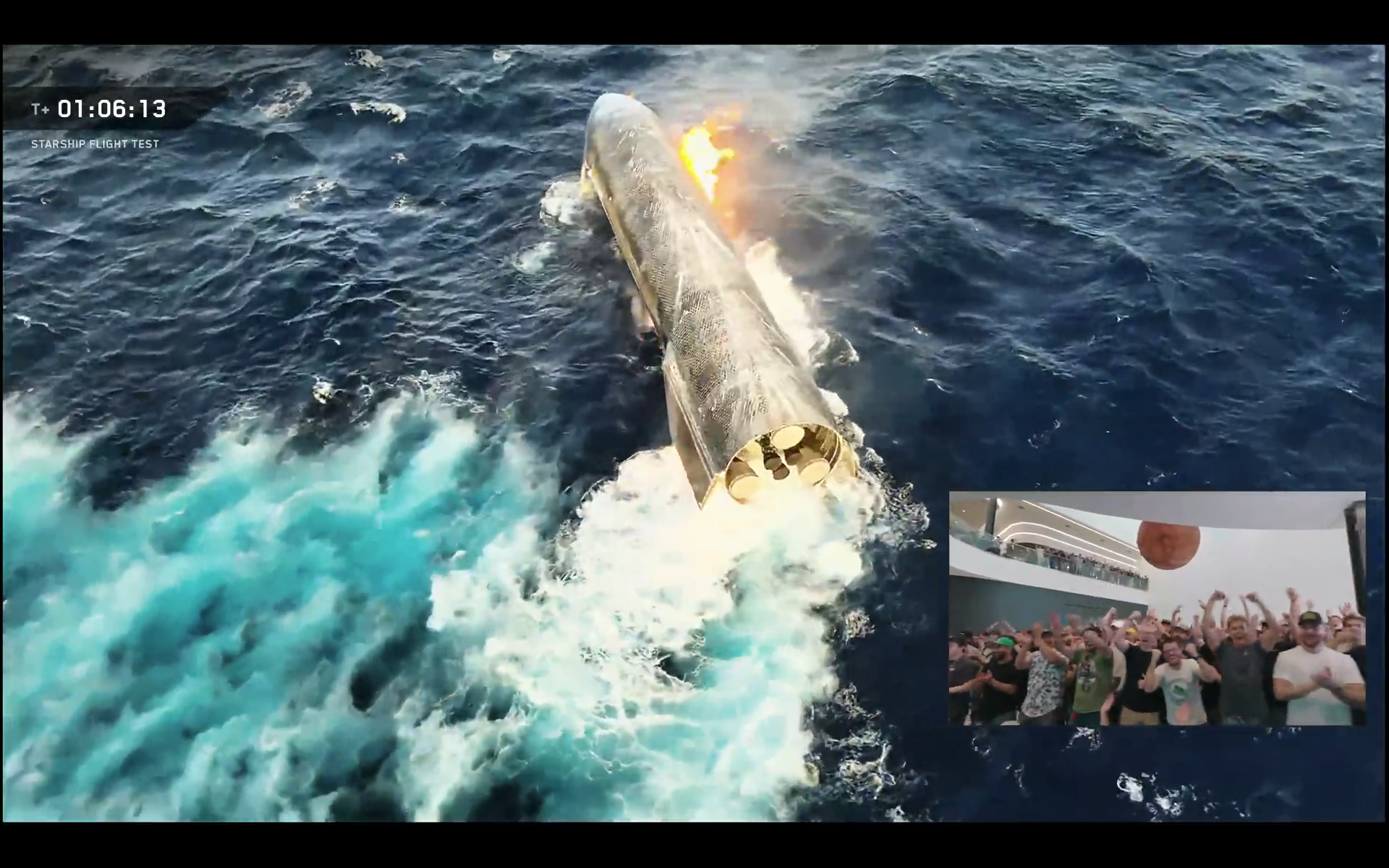 SpaceX's Starship Flight 13 Ship vehicle floats in the Indian Ocean just after splashdown on July 24, 2026.SpaceX
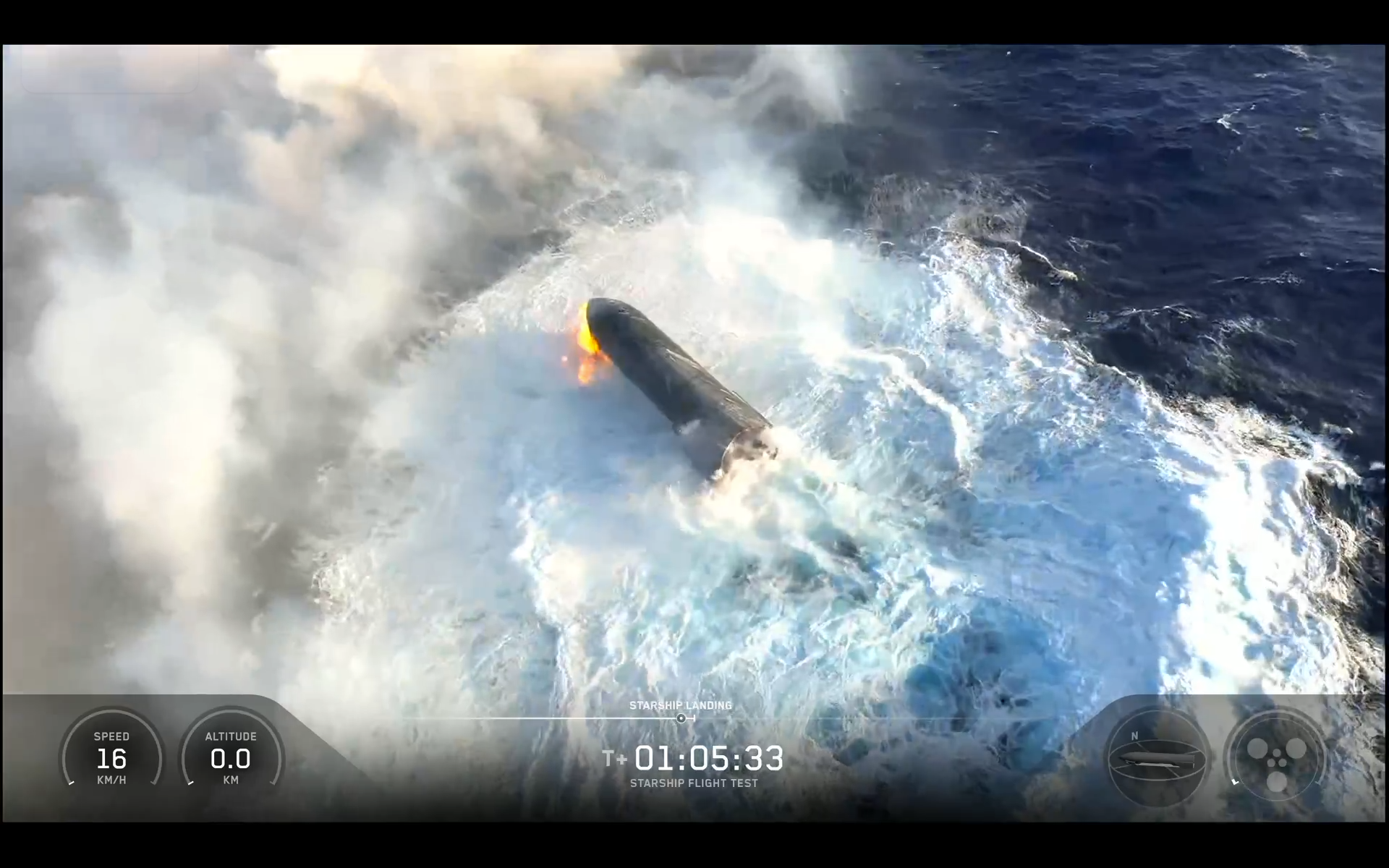 SpaceX's Starship Flight 13 Ship vehicle floats in the Indian Ocean just after splashdown on July 24, 2026. Some flames are visible at the nose. SpaceX
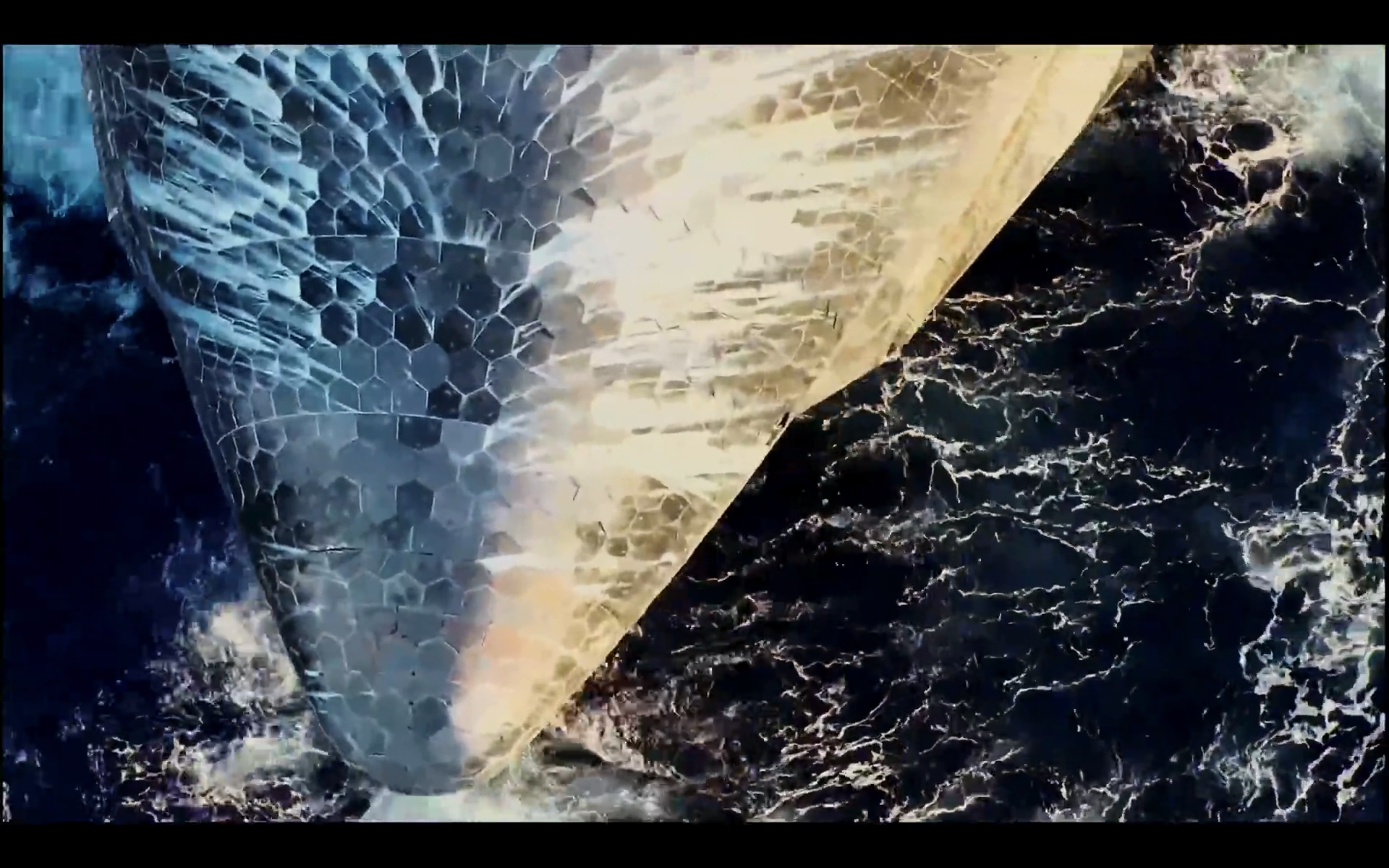 SpaceX's Starship Flight 13 Ship vehicle floats in the Indian Ocean just after splashdown on July 24, 2026. The flames near the nose are now gone.SpaceX
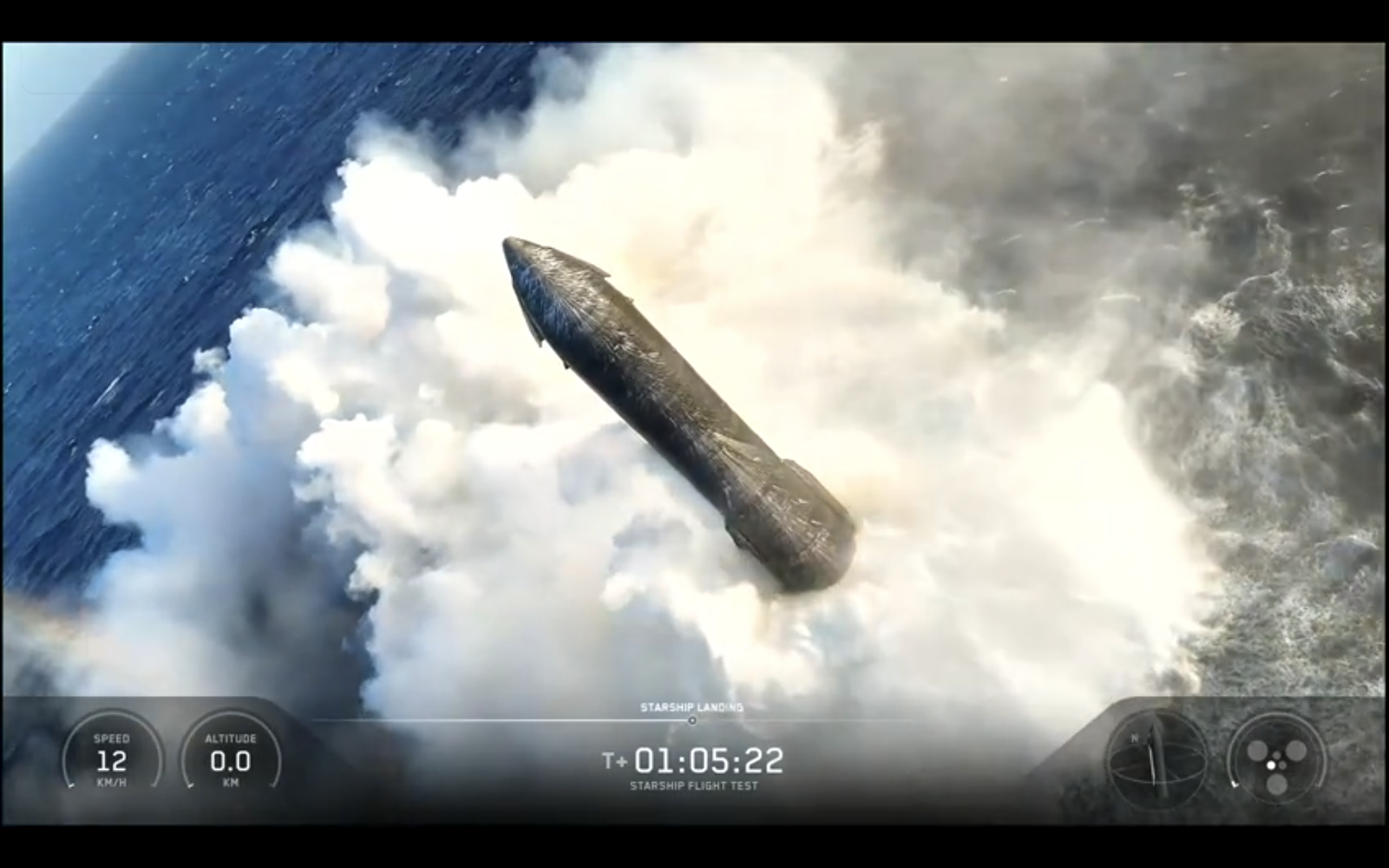 A view of SpaceX's Starship Flight 13 Ship during its final landing and splashdown in the Indian Ocean on July 24, 2026.SpaceX
Over the next two years, SpaceX must not only send a Starship into orbit. The company also aims to return a Ship to Earth to catch it in the "chopsticks" of its Mechazilla launch pad at Starbase. (The company has already done so with its Super Heavy Booster stages.)
SpaceX also must successfully demonstrate in-space Starship refueling, complete an orbital tanker version of Starship, and finish a crewed lander version complete with a life support system that can keep astronauts alive on the moon. That's a lot on the Starship to-do list and NASA is watching.
"Congrats on getting Flight 13 underway," NASA Administrator Jared Isaacman wrote on X after the launch. "Excited for what will be learned from this mission. When Starship comes online, its capabilities will be game-changing, not least of which will be ensuring we never give up the Moon again!" In a lunar coincidence, Friday's launch coincided with the 57th anniversary of the Apollo 11 astronauts' return to Earth after their historic moon landing flight.
But for now, SpaceX is clearly celebrating.
"I'm a little over the moon right now," Huot said. "Wow. Lucky number 13. Hell of a great day for Starship."
Starship Die Cast Rocket Model Was $47.99 Now $39.99 on Amazon.
Even if you can't see SpaceX's Starship in person, you can score a model of your own. Standing at 13.77 inches (35 cm), this is a 1:375 ratio of SpaceX's Starship as a desktop model. The materials here are alloy steel and it weighs just 225g.View Deal