 The June Bootids usually produce just a handful of meteors, but this notoriously unpredictable shower has a history of surprise outbursts. (Image credit: Created in Canva Pro) Jump To: Share this article 0 Join the conversation Add us as a preferred source on Google Newsletter Subscribe to our newsletter
 Heads up, stargazers! The notoriously unpredictable June Bootid meteor shower is set to peak next week — and anything could happen.
While most annual meteor showers follow a fairly predictable script, the June Bootids have a habit of surprising astronomers. Most years, the shower produces only a few meteors per hour. Occasionally, however, it erupts into an unexpected display.
In 1998, skywatchers were treated to an outburst of up to 100 meteors per hour, while another burst in 2004 produced an estimated 20-50 meteors per hour, according to the Royal Museums Greenwich. Yet the shower remains notoriously difficult to predict. In 2010, astronomers anticipated another outburst, but fewer than 10 meteors per hour were reported.
What causes the Bootids?
The June Bootids occur when Earth passes through debris left behind by comet 7P/Pons-Winnecke, which orbits the sun approximately every six years. As fragments of this icy wanderer's trail enter Earth's atmosphere, they burn up and create bright streaks of light we call meteors, or shooting stars.
When is it?
The shower is active through late June, with the peak of the shower predicted for between June 20 and June 27, according to the American Meteor Society.
How can I see it?
Most years, the June Bootids put on a very modest show with just one or two meteors per hour. However, they have earned a reputation for the unexpected, which is why many skywatchers keep an eye on them despite their modest rates. You never really know what the June Bootids have in store.
Boötes remains visible throughout the summer. (Image credit: StellariumWeb)Camera Pick: Nikon Z8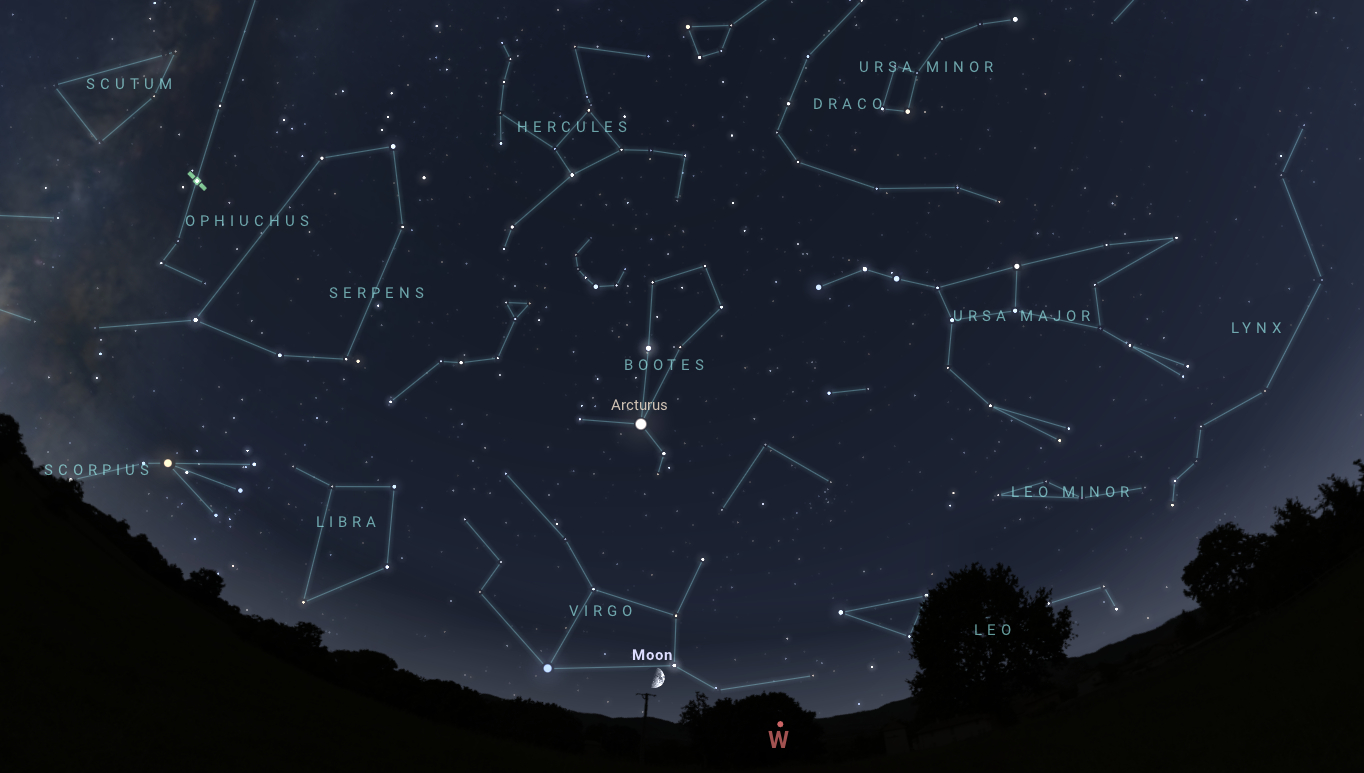
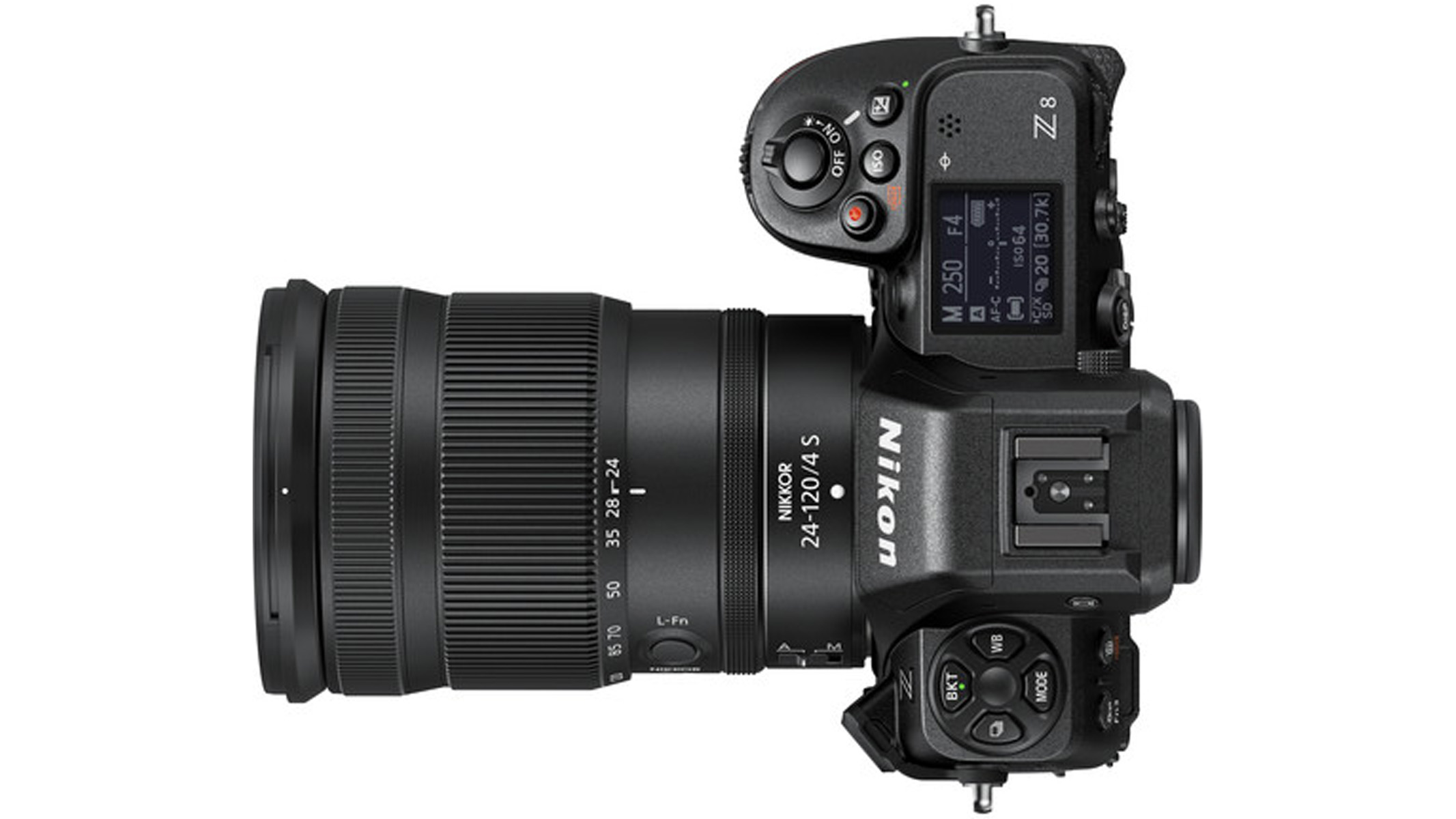
If you're looking for a great camera to photograph meteors, we recommend the Sony A7R IV, which we've named the best mirrorless camera in our guide to the best cameras for astrophotography.
For the best chance of spotting a June Bootid, head to a dark location away from city lights if you can. The shower's radiant — the point from which the meteors appear to originate — lies in the constellation Boötes, which sits high in the western and southwestern sky during the evening for observers in the Northern Hemisphere.
While the radiant can help you identify June Bootids, you don't want to look directly at it. Instead, find a comfortable spot with a wide view of the sky and let your eyes adjust to the darkness for at least 20 minutes. Meteors are often easier to spot when you're scanning a broad area of sky.
View MoreYou must confirm your public display name before commenting
Please logout and then login again, you will then be prompted to enter your display name.
Logout Daisy DobrijevicSkywatching Editor
Daisy Dobrijevic joined Space.com in February 2022, having previously worked as a staff writer for All About Space magazine. She completed an editorial internship with BBC Sky at Night Magazine and worked at the National Space Centre, communicating space science to the public.
Daisy holds a PhD in plant physiology and a Master's in Environmental Science. Based in Nottingham, U.K., she covers all things space, with a special focus on solar activity and space weather. She also has a keen interest in astrotourism and is always on the lookout for the next northern lights adventure.
She will be a guest speaker aboard HX's Solar Eclipse Expedition in August 2026 and will join Hurtigruten as an onboard astronomer for a northern lights sailing in January 2027.