The WNBA's new CBA, which features a 364% increase in salaries, is monumental for the league's players
 By Lindsay Gibbs Mar 18, 2026 at 2:44 pm ET • 4 min read
  Getty Images
 In the wee hours of Wednesday morning, the most consequential and revolutionary labor negotiation in the history of women's sports came to an end when the WNBA and the WNBPA agreed to a new collective bargaining agreement.
According to Front Office Sports, the two sides celebrated with a champagne toast just before 3 a.m. ET.
The deal came after eight straight days and more than 100 hours of bargaining sessions in New York City, most of which took place at the Langham Hotel; after 17 months of posturing and public relations battles following the union's decision to opt out of the former CBA at the end of the 2024 season; and, perhaps most significantly, after decades -- even centuries -- of women in sport fighting for the access, support, resources and paychecks they deserve.
It's official: Women in sports are done fighting for crumbs and celebrating slivers of pies; they're taking ownership of the bakeries.
OK, I admit, the metaphor needs a little work, but my point is that while I am sure there are caveats to come, this is a day to celebrate.
We don't know many details about the CBA yet, and it will take weeks to ratify. But according to ESPN, the new salary cap will start at $7 million in the 2026 season (up from $1.5 million in 2025), there is an average revenue share of nearly 20% across the deal, the supermax starts at $1.4 million (up from $250,000) and the average salary will be in the range of $600,000 (up from $120,000), with the minimum above $300,000 (up from $66,000).
This is a massive step forward for the players no matter what way you slice it. The players earned unprecedented raises, managed to earn a meaningful revenue share and kept fighting for more even when the WNBA used scare tactics to try to get them to settle for less. And their wins don't stop with the salaries.
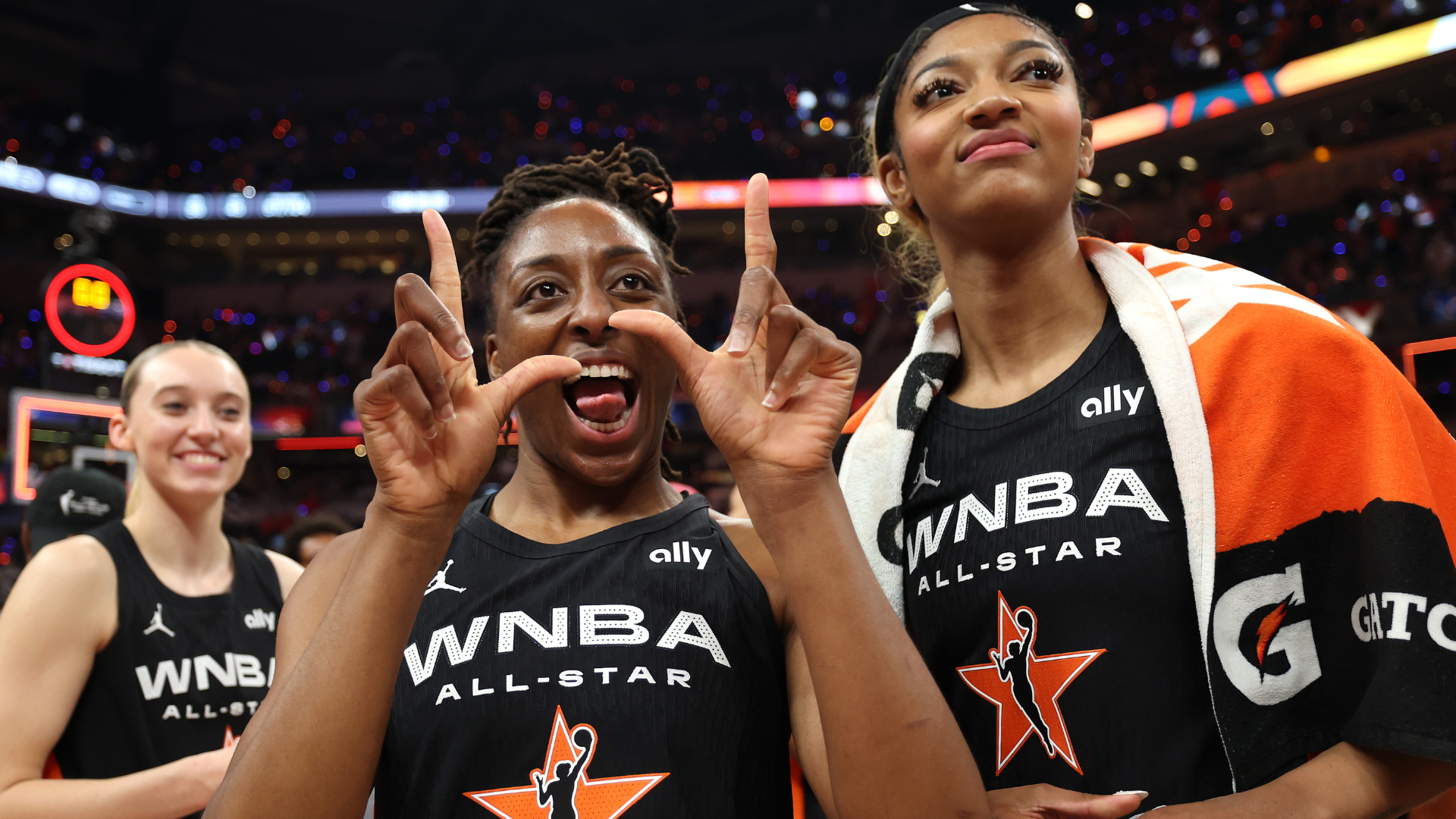
"For the first time, player salaries are tied to a truly meaningful share of league revenue, driving exponential growth in the salary cap, increasing average compensation beyond half a million dollars, and raising the professional standard across facilities, staffing, and support," WNBPA president Nneka Ogwumike told Front Office Sports. "It strengthens housing and retirement, and expands resources for family planning and parental leave. It redefines what it means to be a professional in this league."
Read that line from Ogwumike again: "It redefines what it means to be a professional in this league." That is a bold statement. And given what we know in the hours after the deal was agreed to, it's hard to argue against her.
Just take a minute to process these facts: The max salary in 2026 will reportedly be only $90,000 less than the entire 2025 salary cap. There will be multiple players who sign $1 million contracts this season; the WNBA salary cap didn't surpass $1 million until 2020. The minimum salary in 2026 will be higher than the supermax salary in 2025. This is a paradigm shift.
Progress in women's sports has always been incremental and tenuous, and the WNBA's history offers a stark example of this. The WNBA union was founded in 1998, just two years after the league was founded, and signed its first CBA in 1999. This will be the sixth CBA in the league's history.
The first salary cap came in 2003. It was $622,000 -- which, notably, will be around the average salary in 2026. From 2003 to 2019, the salary cap rose to $996,100 – an increase of just 50% over a 16-year period. The increases were so small year-to-year because that's all the players were able to get in the negotiations. The 2003 CBA provided annual increases of 4%, the 2008 deal essentially kept that rate, and the 2014 CBA limited annual increases to less than 2%.
The 2020 CBA provided by far the biggest salary-cap increase in league history, as it jumped 30.5%, from $996,100 in 2019 up to $1.3 million in 2020. But even then, the year-over-year increase in the salary cap was only 3% for the lifetime of the deal. See what I mean about crumbs?
This time around, that wasn't going to cut it.
It looks like the 2026 salary cap will be a 364% increase from the 2025 one. That is a stratospheric increase, and the numbers prove the players deserve it all. Mark Davis bought the Las Vegas Aces for approximately $2 million in 2021; by late 2025, Forbes estimated the Aces were worth $310 million, an increase of 15,400% in just four years. The league currently has more than $2.2 billion in broadcasting deals, and with six expansion teams joining the league from 2025-2030, the WNBA has brought in $925 million in expansion fees.
Honestly, when I really think about these numbers, I get mad that the players aren't getting even more. Just like the 2020 CBA became outdated rapidly, I expect that in a year or two, this CBA will look like a bargain for the owners as well. But that's the nature of these things.
The biggest reason this CBA deal is so significant isn't the increased salaries, though those certainly don't hurt. It's the way the players fought to get it. A few months ago, news leaked that the WNBA had offered the players a deal with a salary cap of $5 million and a max salary that could reach over $1 million. The offer, it was said, was intended to put a quick end to negotiations. It is pretty clear, based on reporting and the league's actions, that it expected the players to be thrilled with that deal and accept it. But the union was not blinded by the flashy numbers. All in, that proposal accounted for less than 15% of gross revenue, and that was not satisfactory. Turning down that deal could have backfired, turned public opinion against the players and stalled all of the progress the WNBA has made over the past few years. And things certainly got testy at times.
But the players kept negotiating. And, at an ungodly hour on Wednesday morning, they finally got the slice of pie they were looking for.
Join the Conversation comments