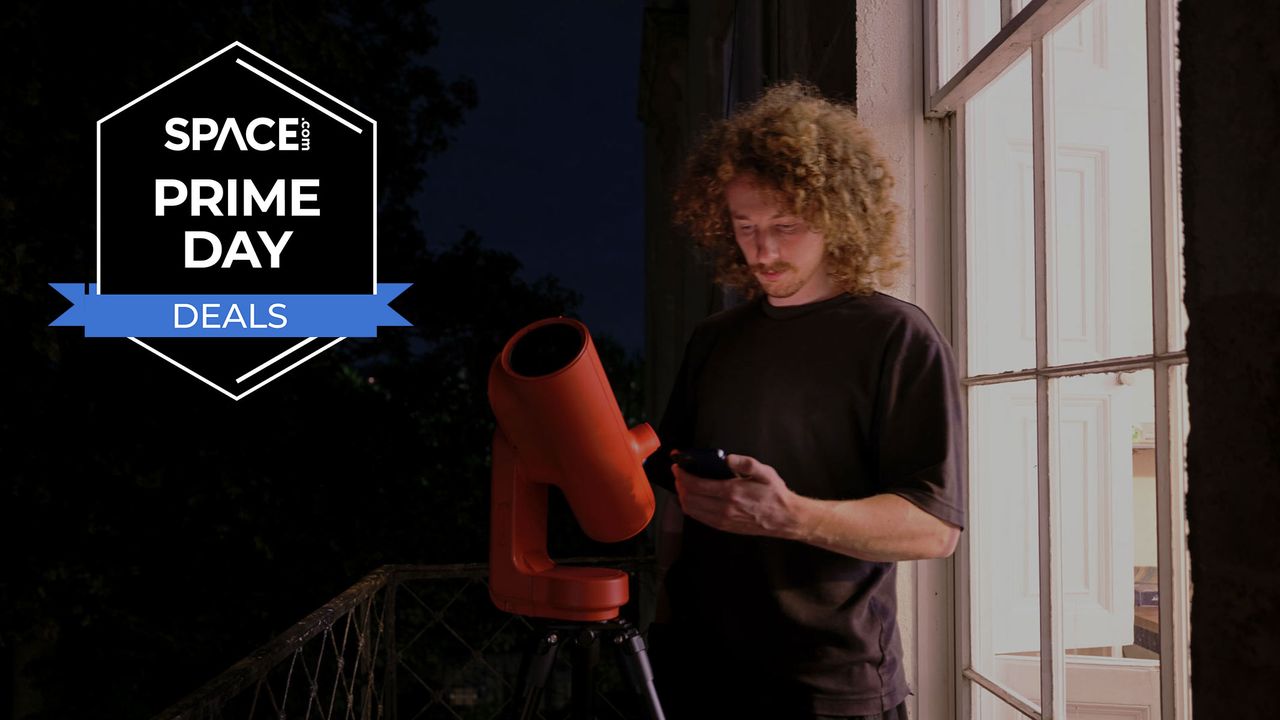
Astrophotography can be confusing and when combining mirrorless cameras, astrocams and telescopes, there is a huge learning curve that can throw people a bit sideways if they are looking to get into it. The Unistellar Odyssey Pro was the first smart telescope that I used and it helped me on my astrophotography journey, allowing me to quickly and easily take awe-inspiring images of deep space objects like the Great Pegasus star cluster and a range of galaxies.
You can get the Unistellar Odyssey Pro smart telescope, on sale right now for $3,909 at Unistellar.
Alongside the usual go-to technology present in all of Unistellar's smart telescopes, the Odyssey and Odyssey Pro models also have autofocus to help even more when imaging the night sky. With Amazon Prime Day well underway and running until June 26, keep an eye on the best prices across all skywatching gear on our Prime Day hub, which tracks deals from all major retailers.
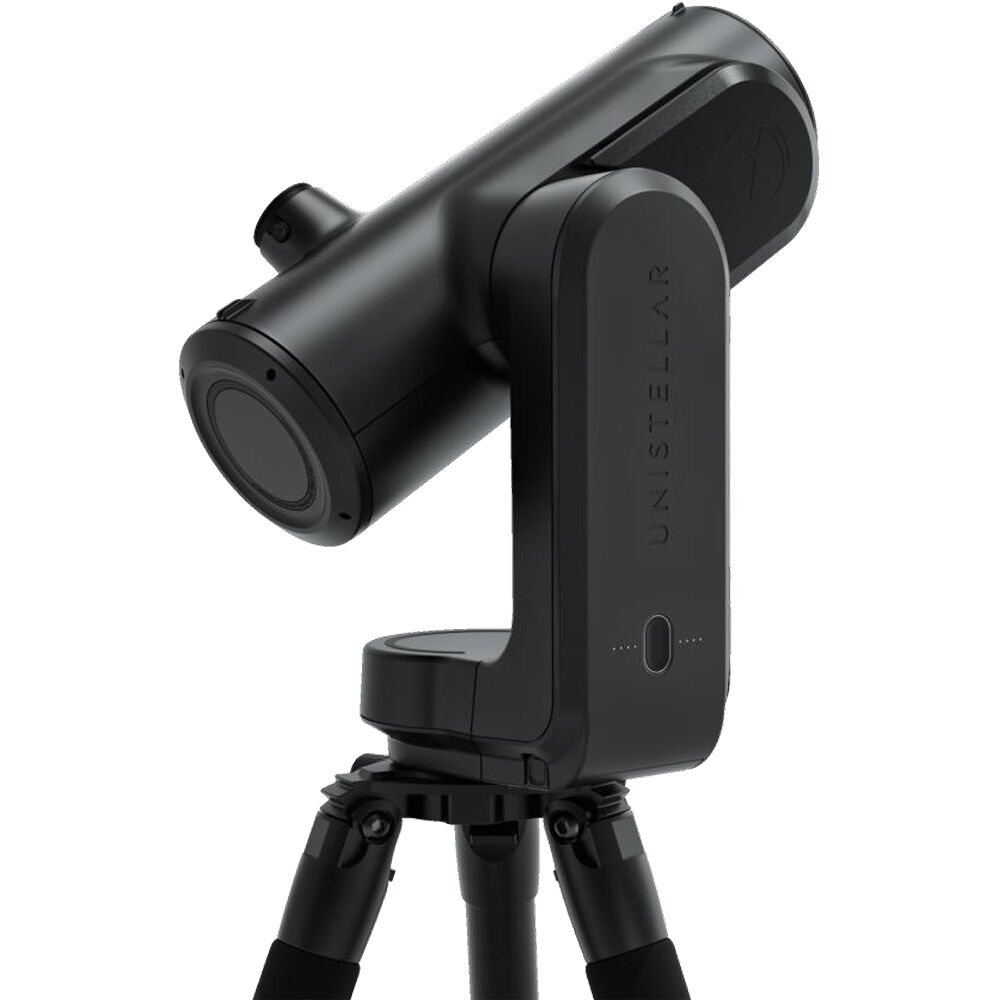
Save $690 on this beginner-friendly smart telescope that even works in light-polluted areas to observe and image over 5,000 night sky objects.
We gave it four and a half stars in our Unistellar Odyssey Pro review and we have used it since for continued night sky observation and astrophotography. It is easily operated via an intuitive smartphone app.View Deal
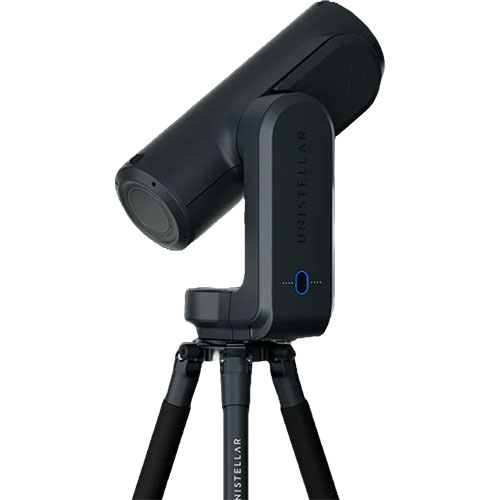
Save $390 on our best smart telescope for versatility, thanks to its small form factor and light weight compared to the rest of the Unistellar line-up. It has autofocus and doesn't require collimation, so it is the perfect smart telescope for a beginner.
It got four and a half stars in our Unistellar Odyssey review thanks to its great views of deep space objects and good color rendition on astrophotography shots. View Deal
- We've got you covered with reviews and rankings of the best telescopes, binoculars, star projectors, cameras, drones, Lego, streaming and more.
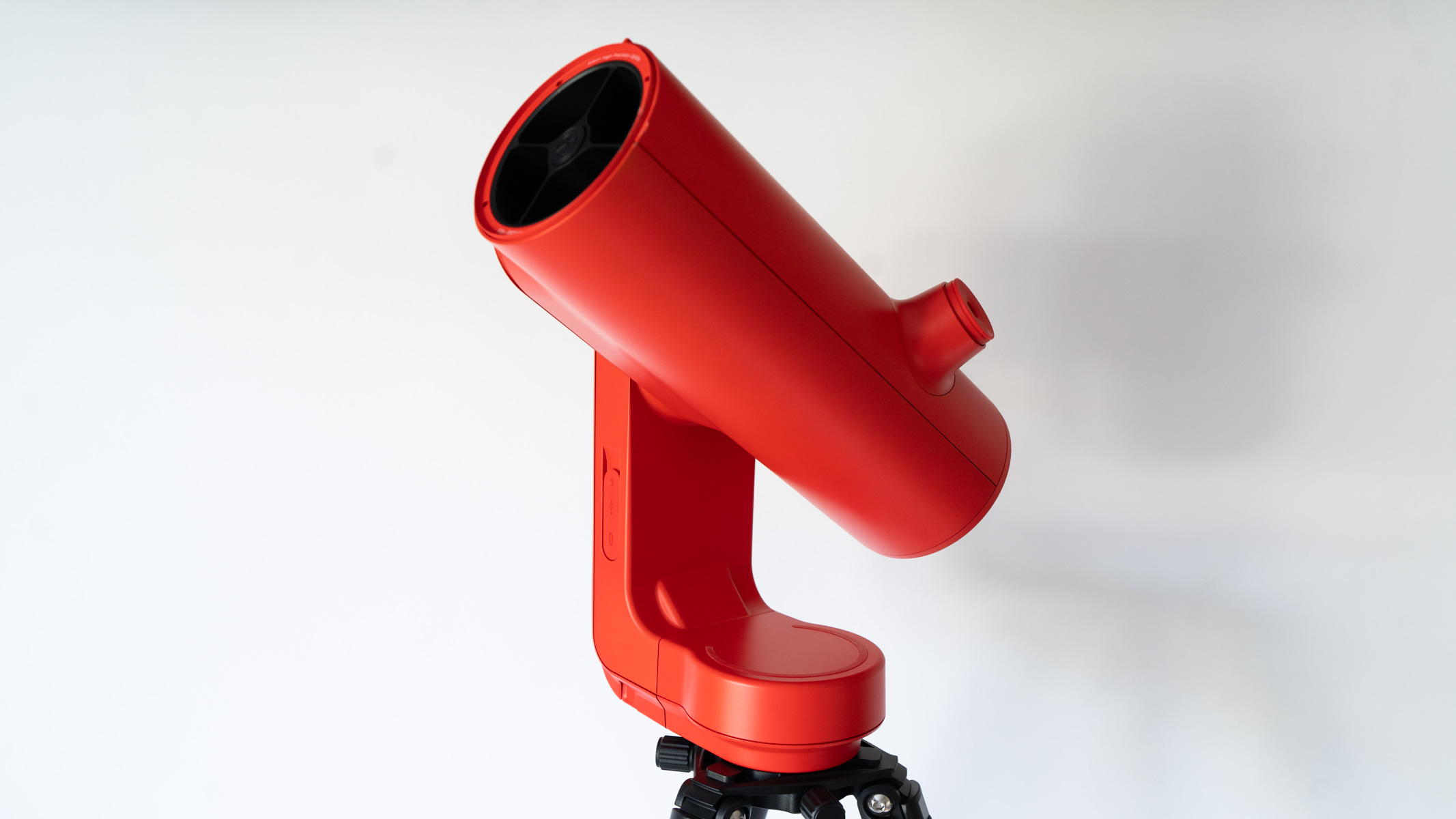 The Odyssey Pro features the same specs as the non-pro version apart from an upgraded 4.1MP sensor and Nikon-made eyepiece.Jase Parnell-Brookes
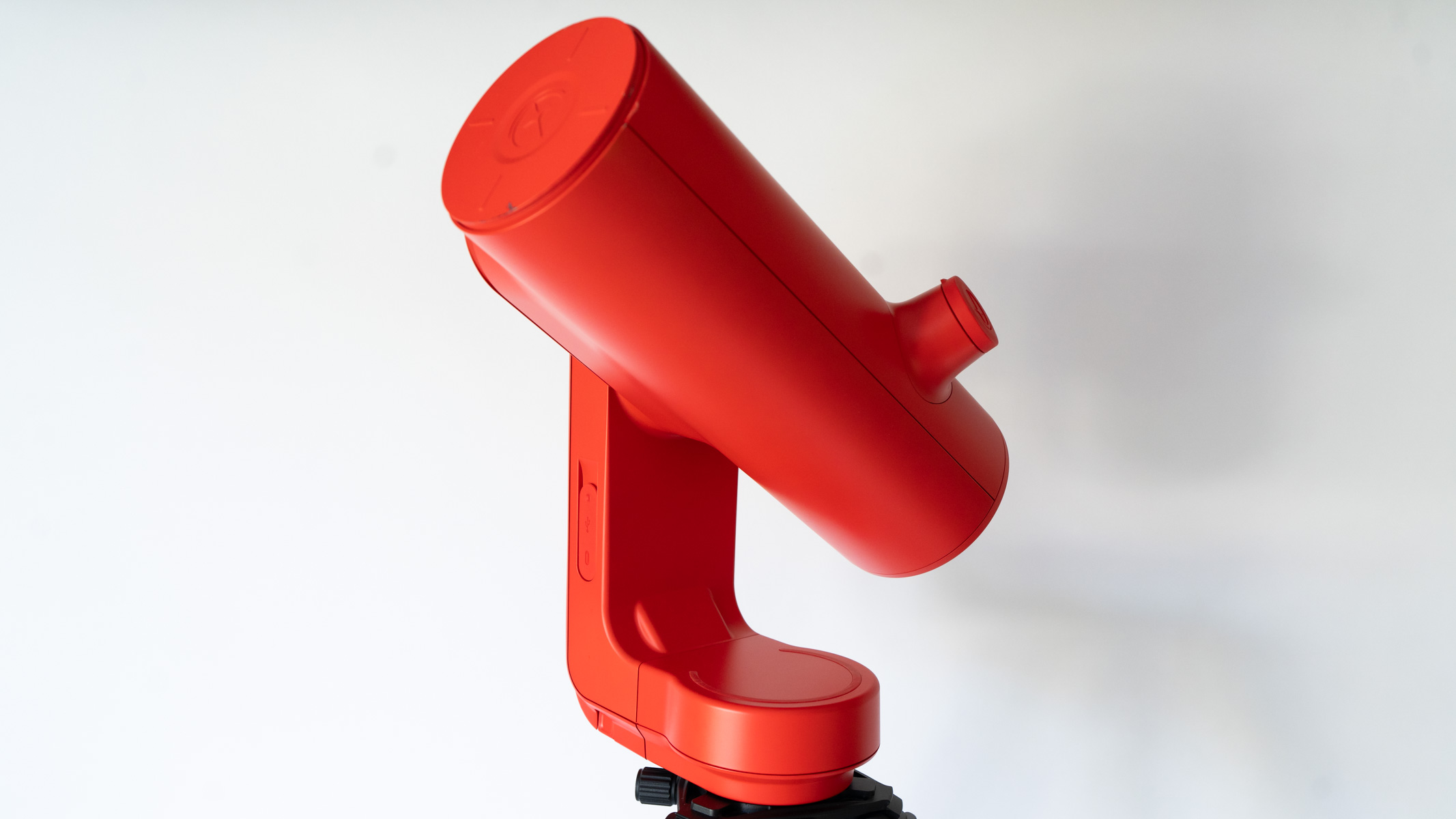 A lens cap keeps the mirrors safe from dust when not in use. Jase Parnell-Brookes
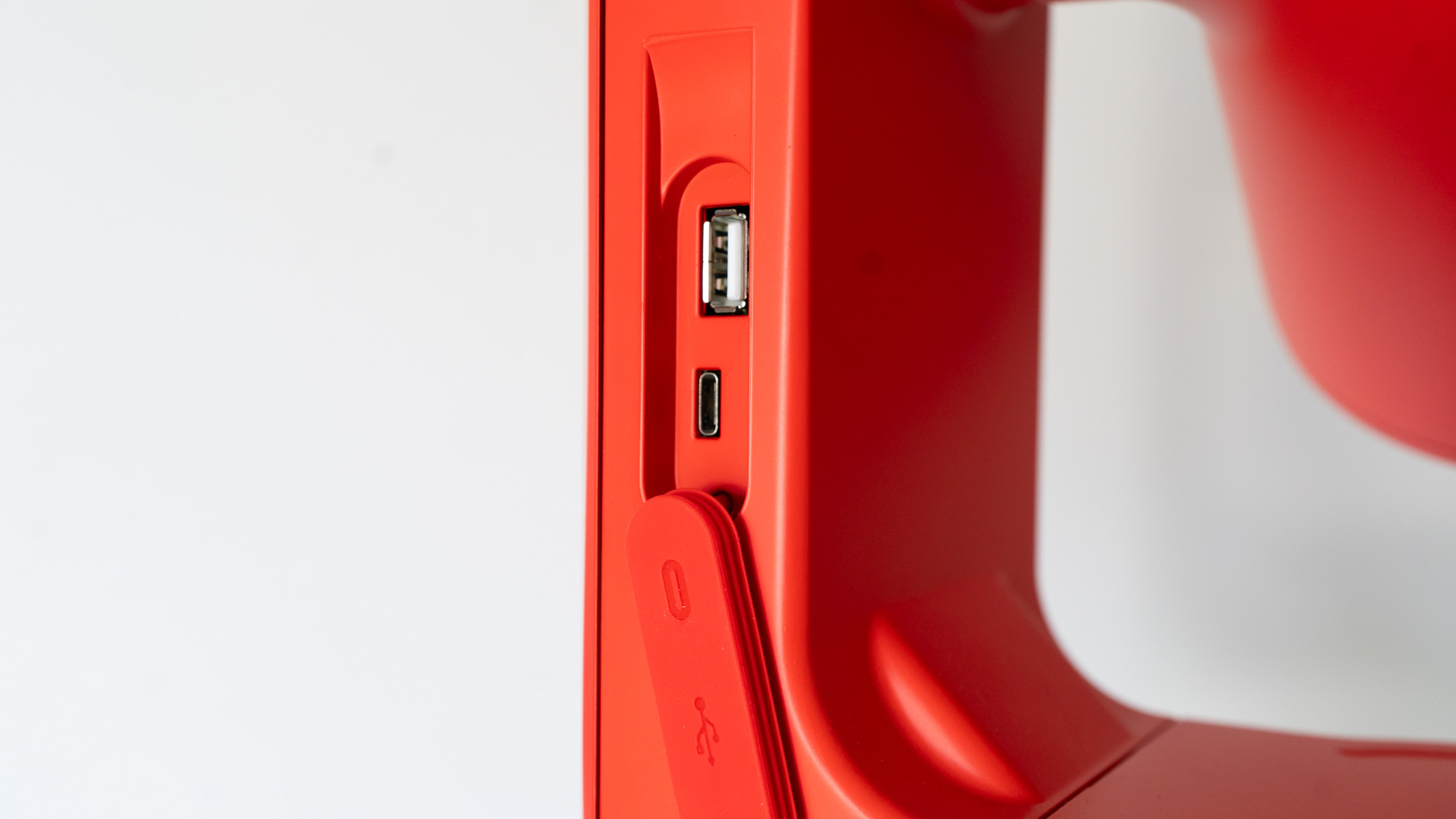 A USB-A and a USB-C port can be found on the side for charging and data transfer.Jase Parnell-Brookes
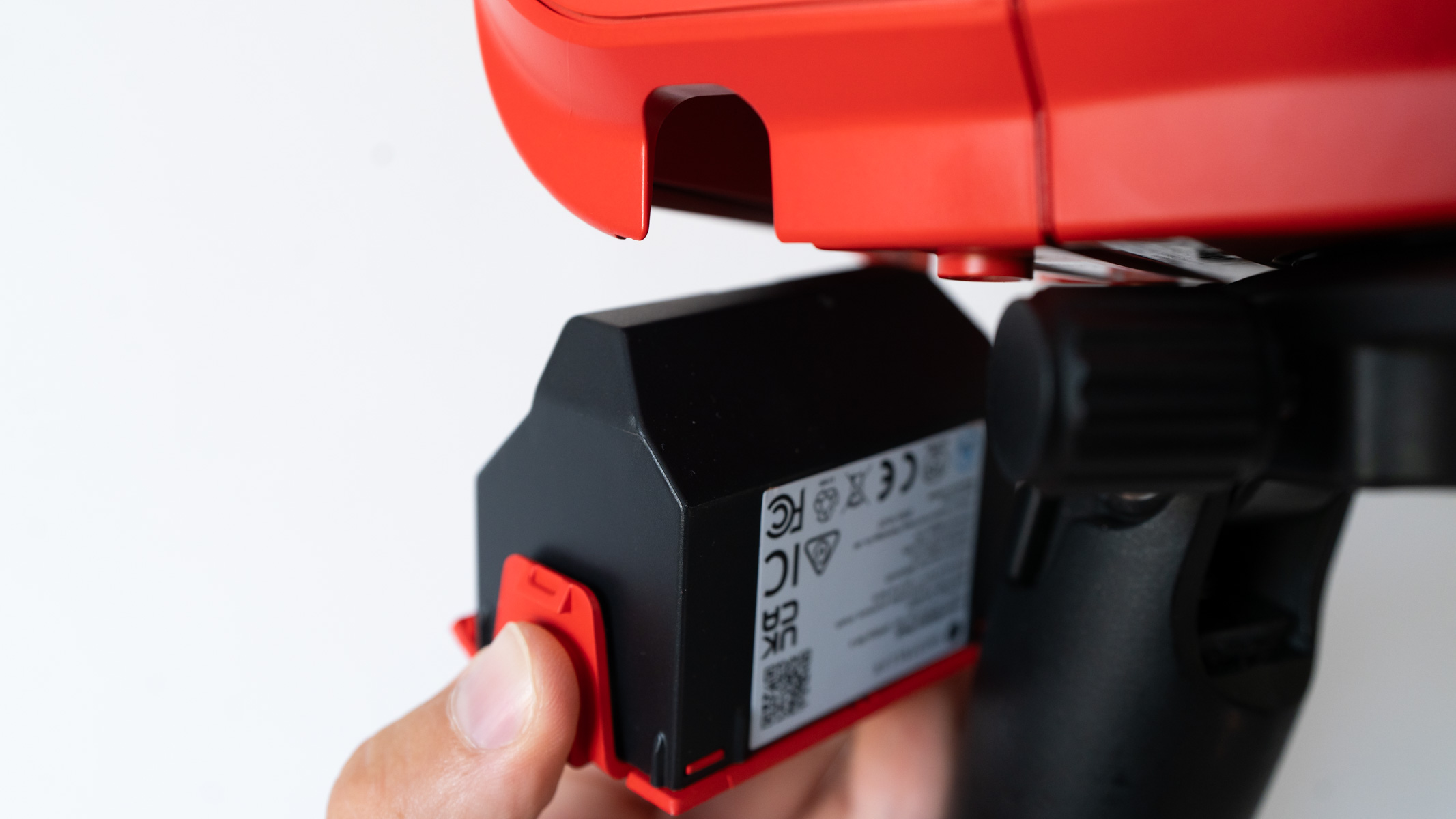 The lithium-ion battery is removable.Jase Parnell-Brookes
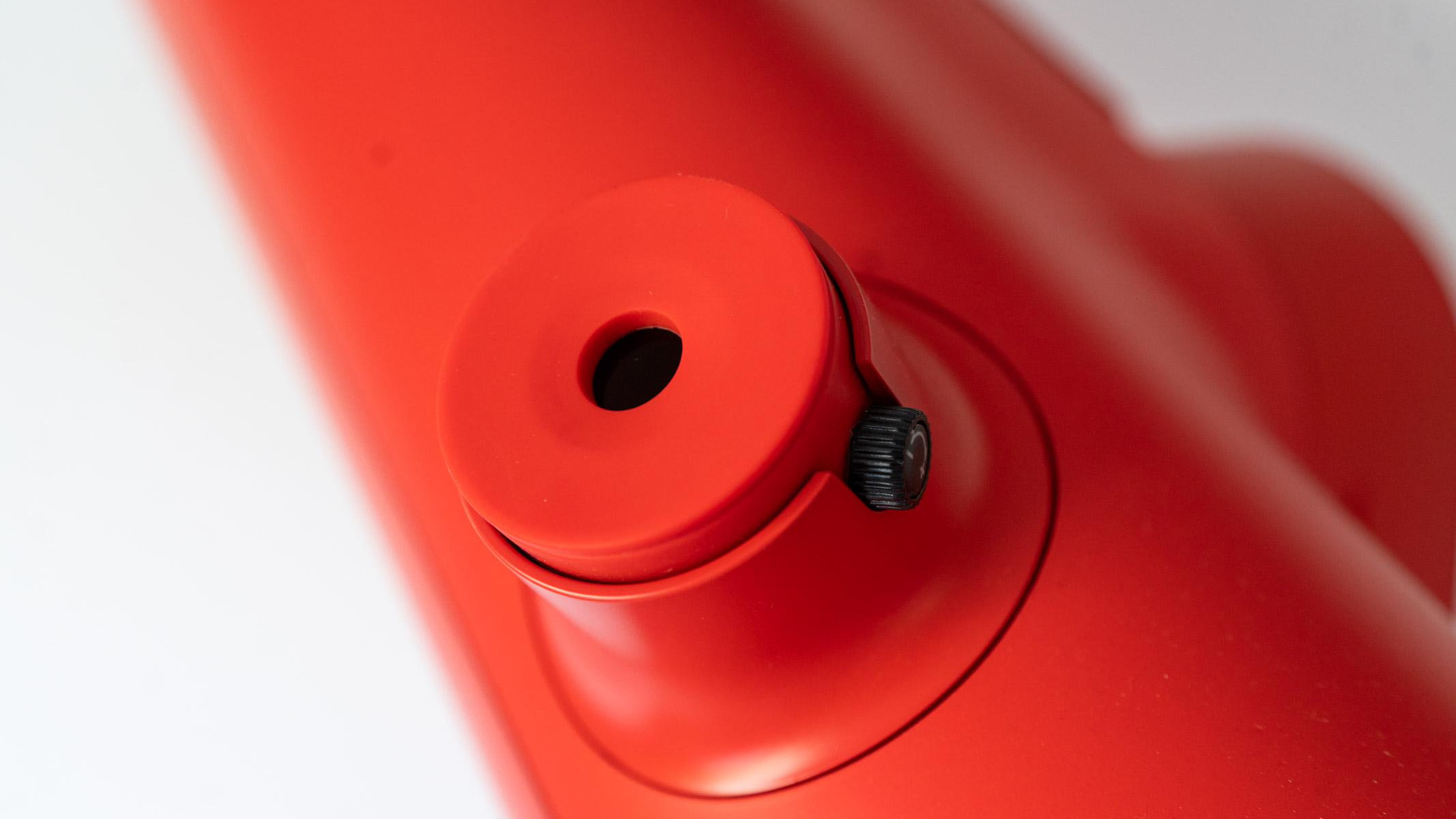 Traditional observers will like the Nikon-made eyepiece which shows the same view as on the smartphone.Jase Parnell-Brookes
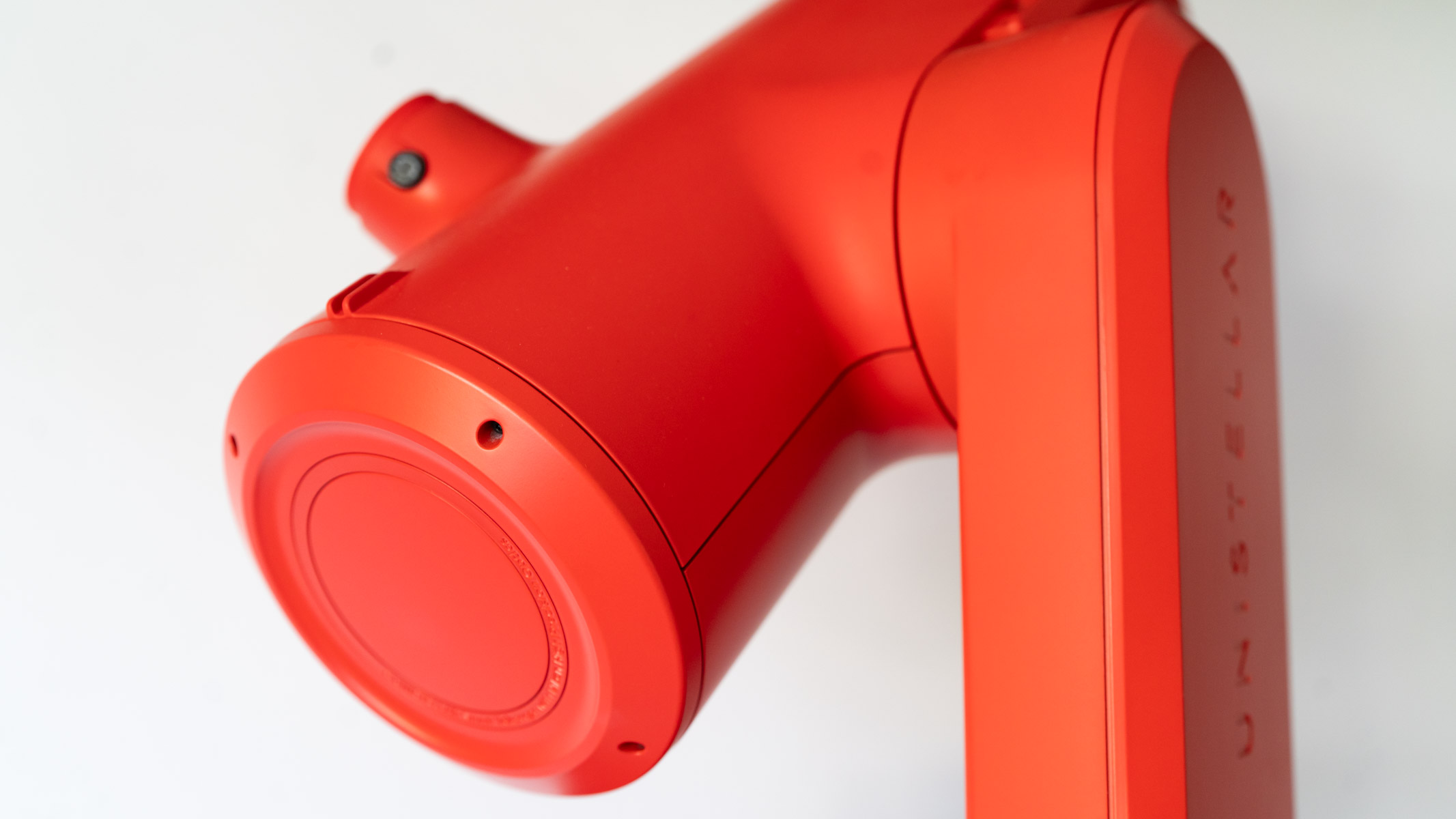 There is no focusing wheel on the Odyssey Pro and the telescope focuses on night sky objects automatically.Jase Parnell-Brookes
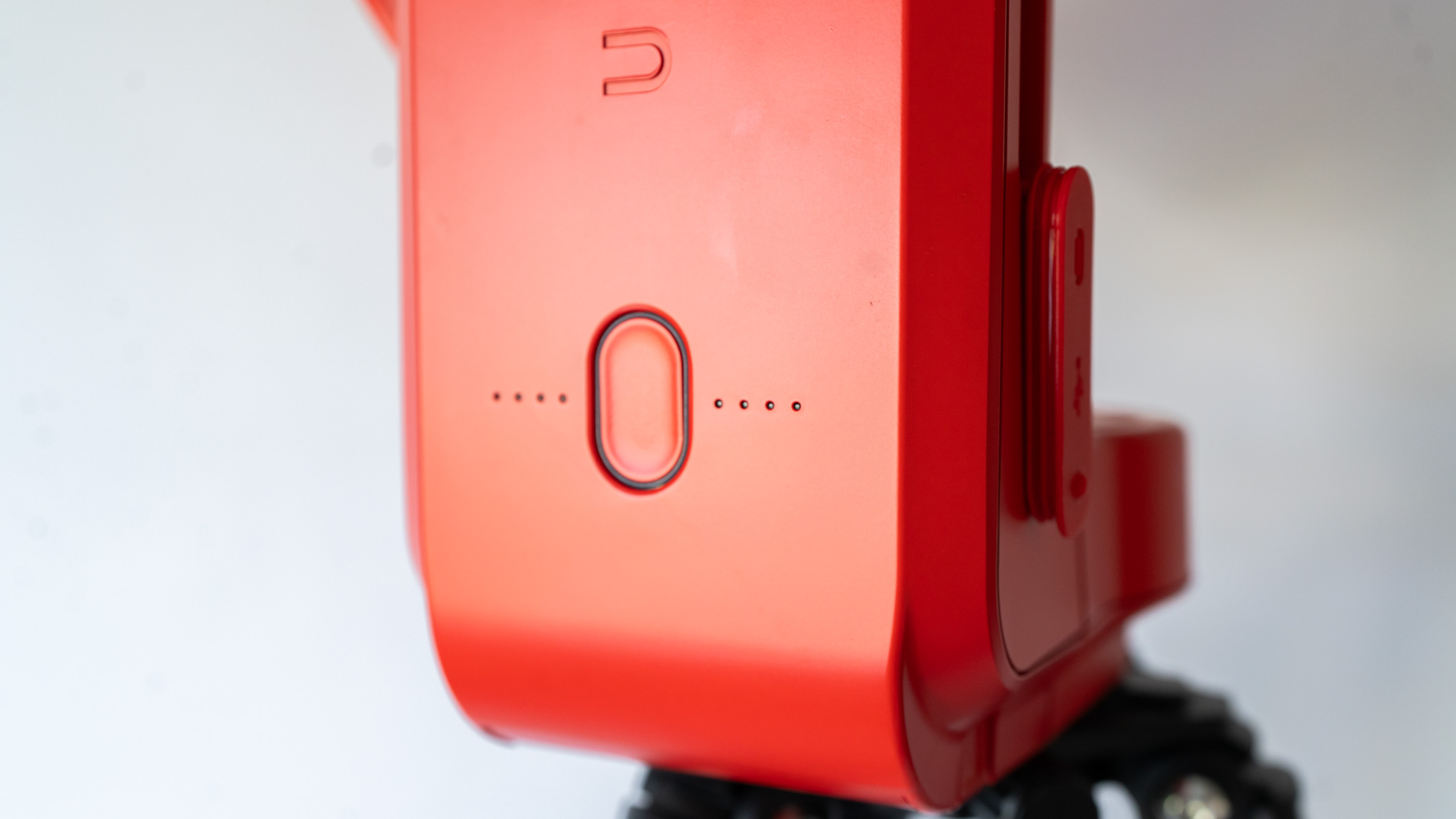 The minimalist design features a single power button. Jase Parnell-Brookes
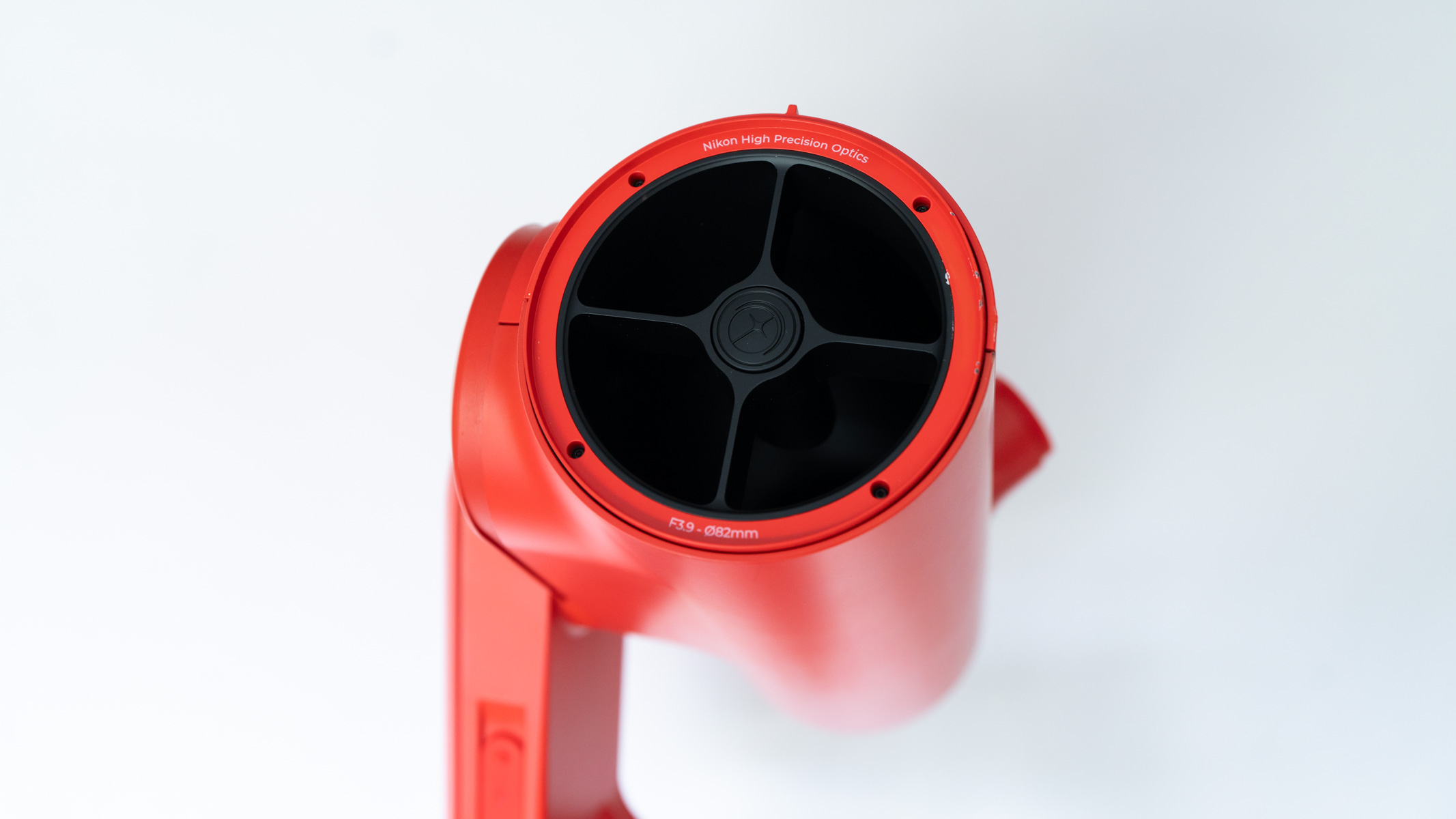 The Unistellar Odyssey Pro has a three-inch aperture.Jase Parnell-Brookes
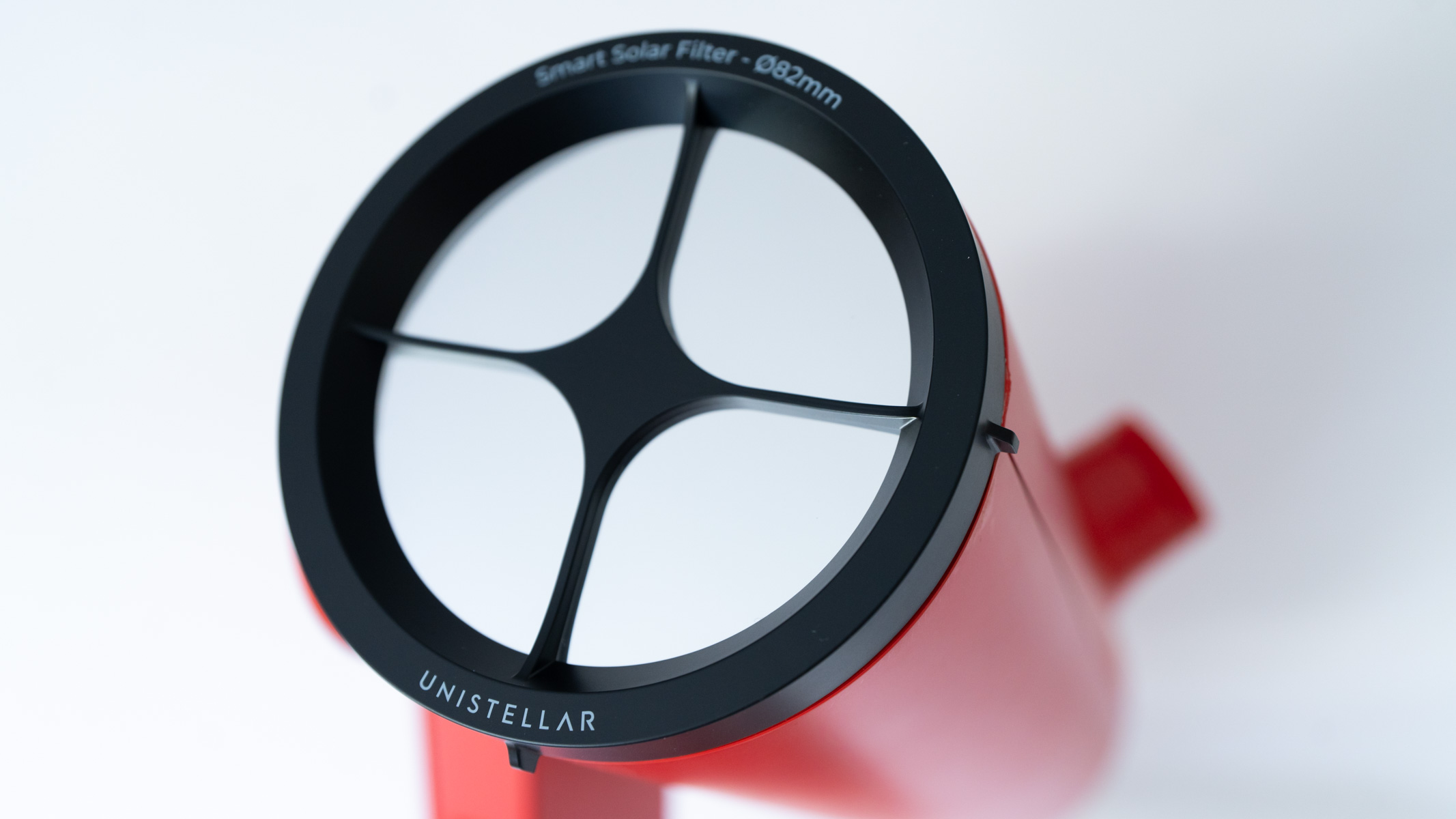 A Unistellar solar filter can be bought separately and used for solar imaging. Jase Parnell-Brookes
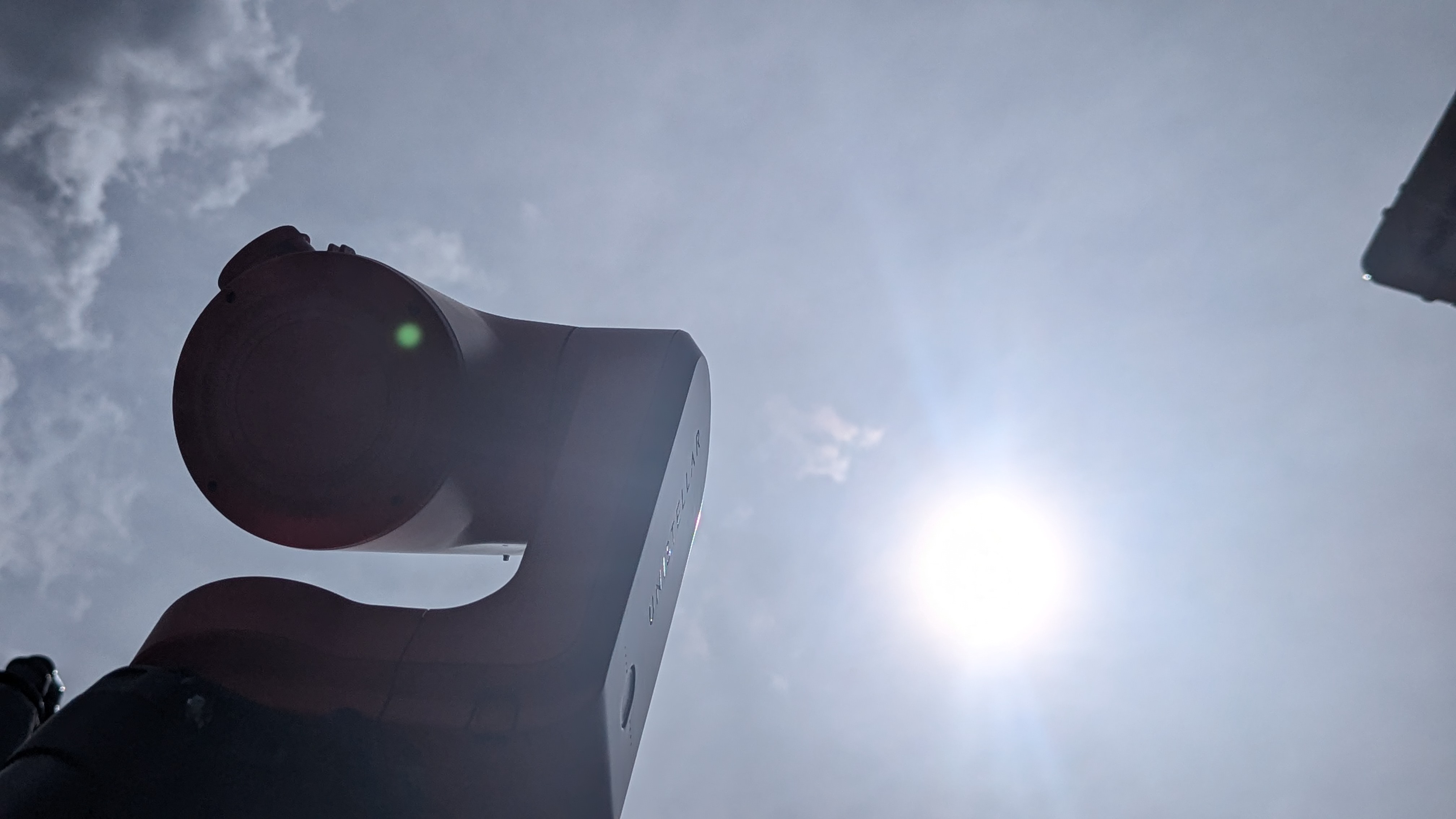 Daytime use of the Unistellar Odyssey Pro is possible with the Unistellar Odyssey Pro. Jase Parnell-Brookes
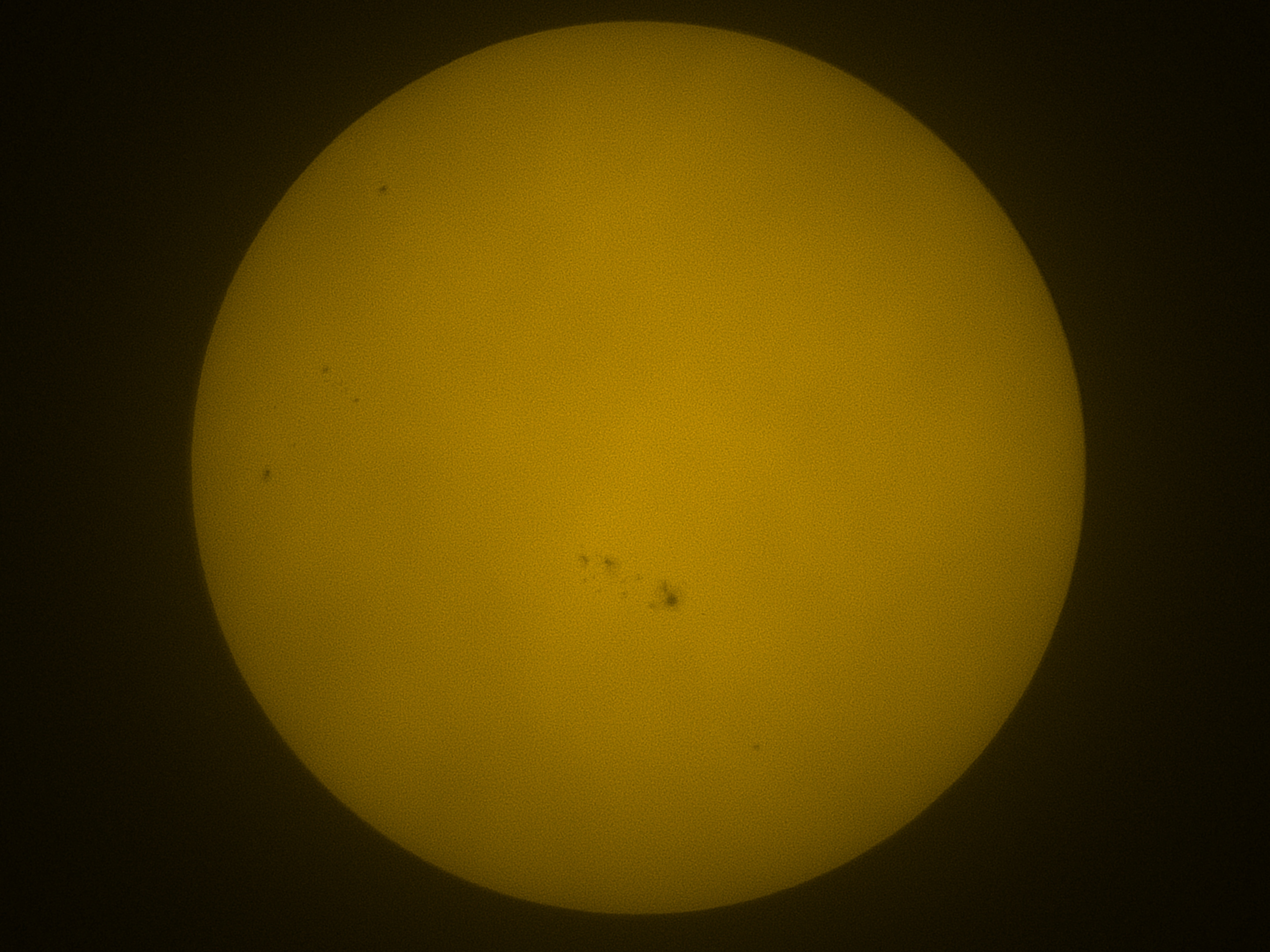 The solar disk as imaged by the Unistellar Odyssey Pro.Jase Parnell-Brookes
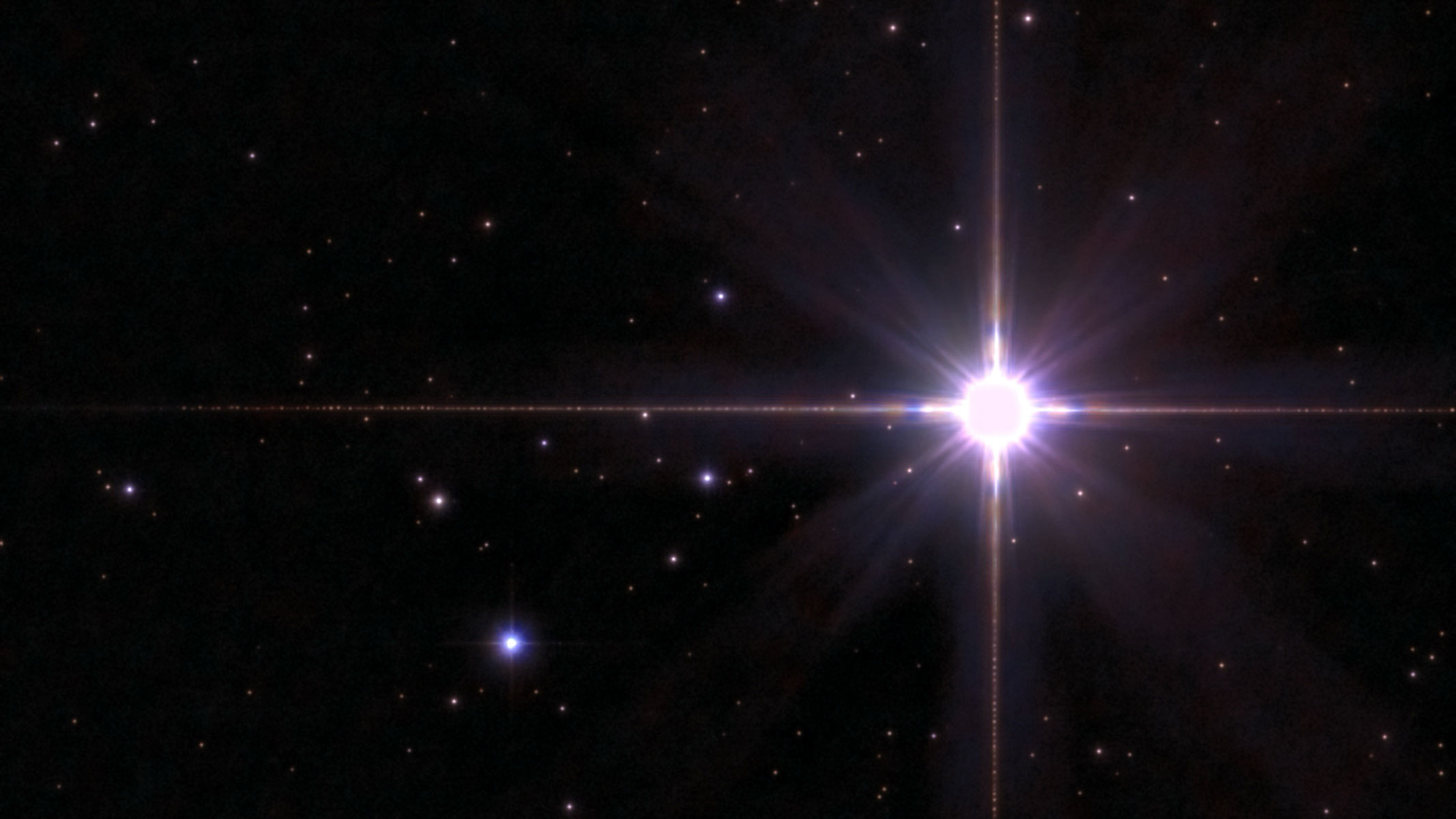 The star Arcturus as imaged by the Unistellar Odyssey Pro.Harry Bennett / Future
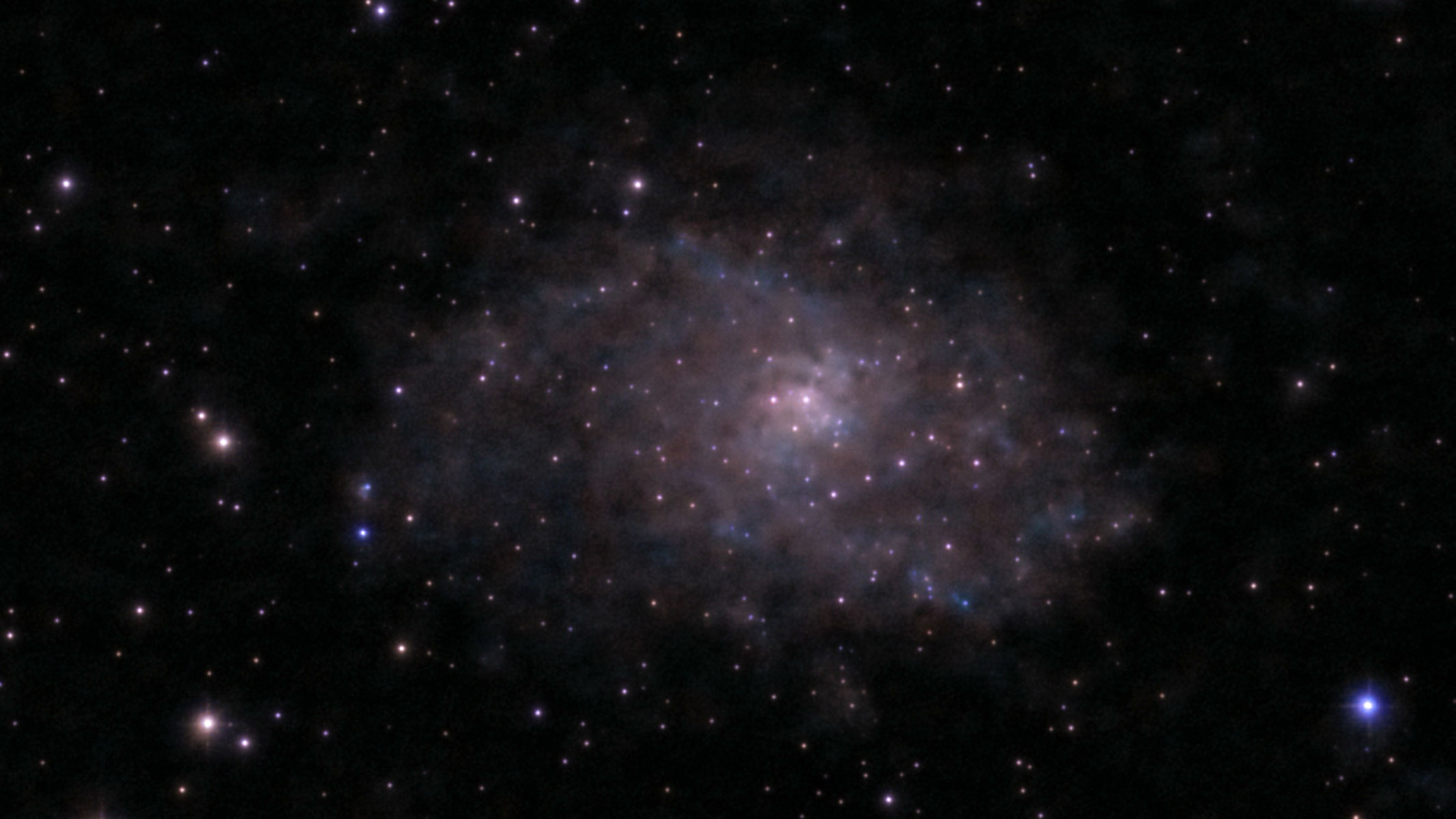 The Triangulum galaxy (M33) as imaged by the Unistellar Odyssey Pro.Harry Bennett / Future
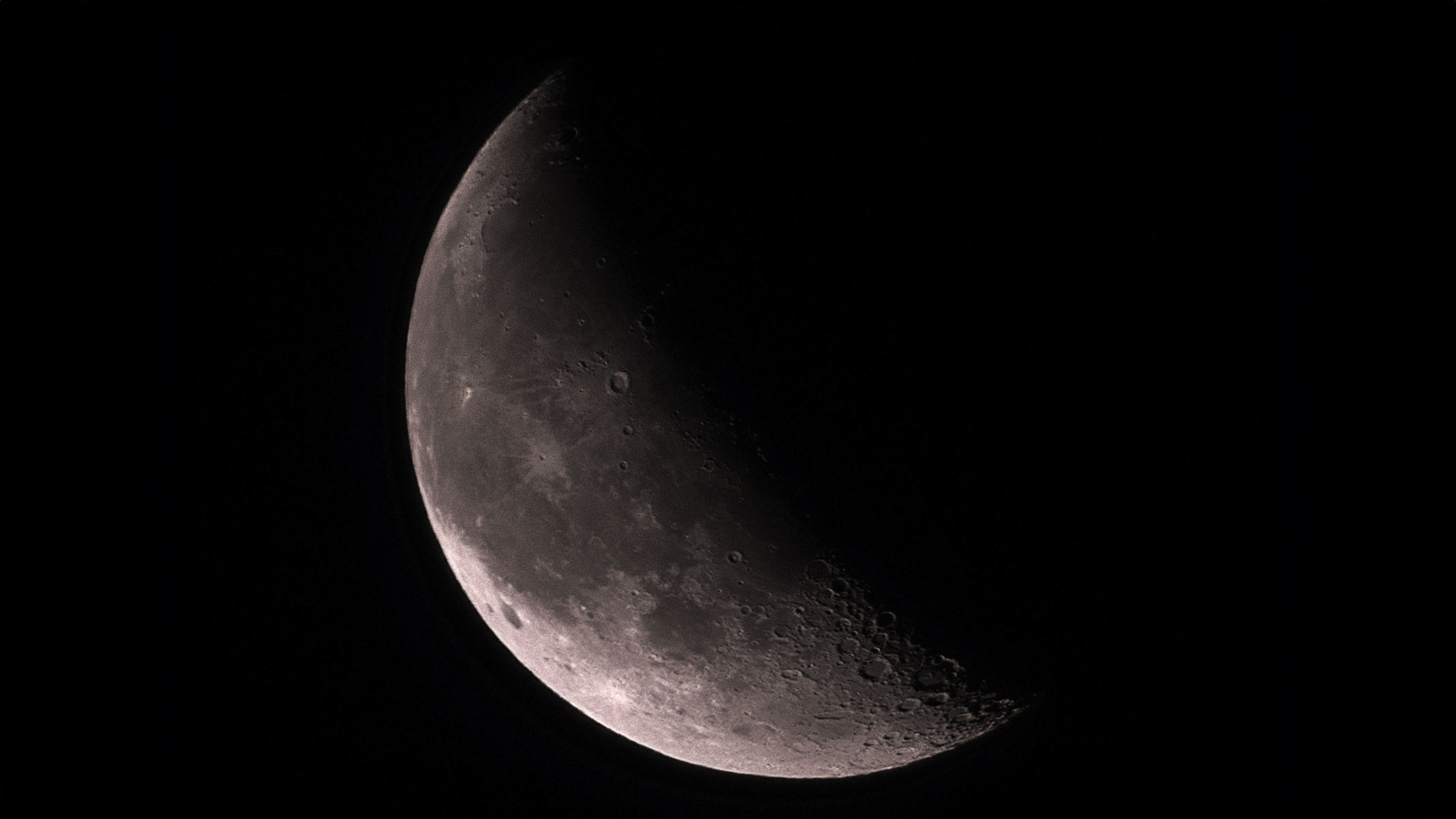 The crescent moon as imaged by the Unistellar Odyssey Pro.Harry Bennett / Future
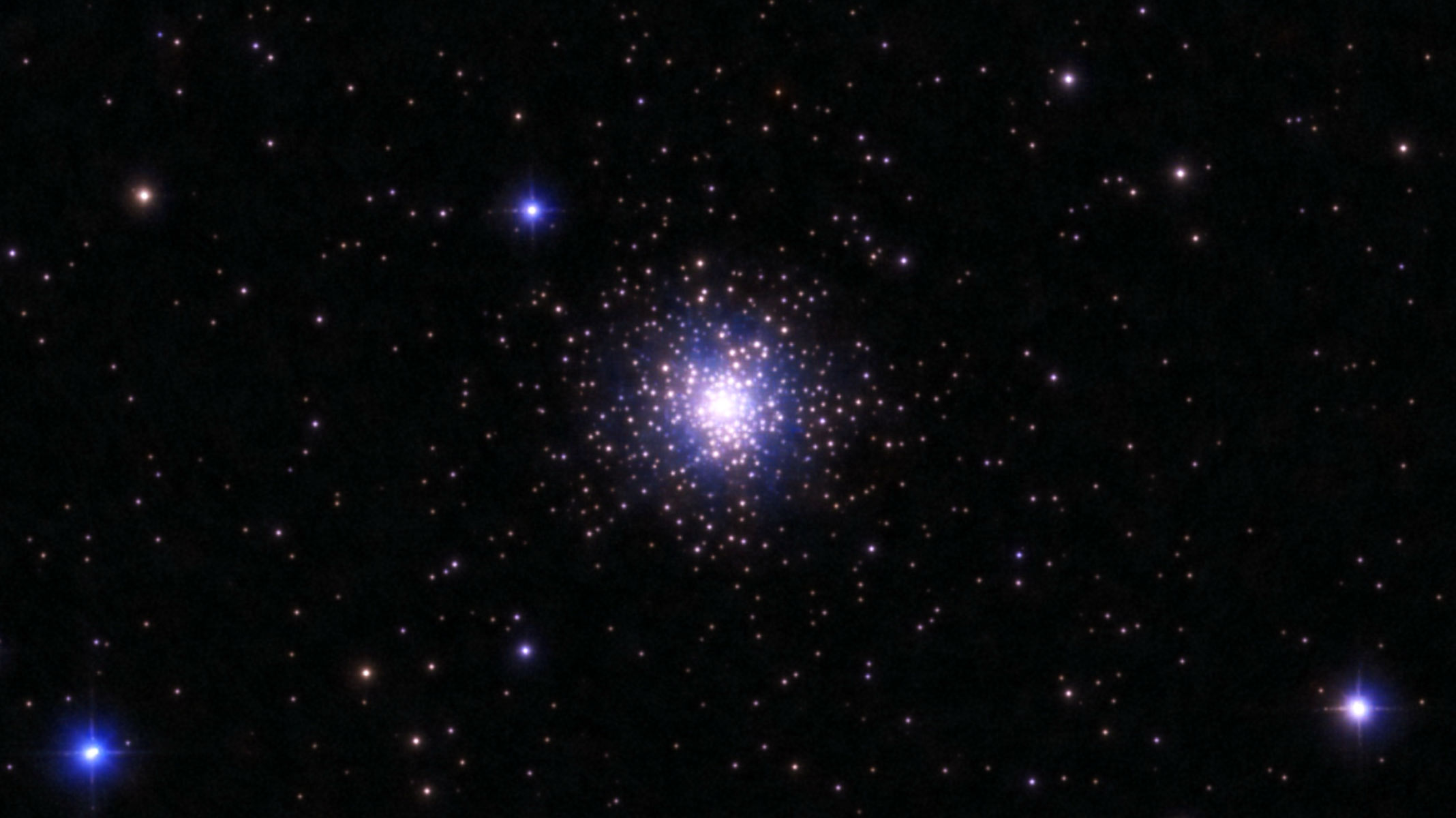 The Great Pegasus Globular Cluster (M15) as imaged by the Unistellar Odyssey Pro.Harry Bennett / Future
The Unistellar Odyssey Pro is great for beginners and it was the first smart telescope that I used, so I have a soft spot for it. To start using it, all I had to do was set it up on a clear night and link it to my phone, before allowing the telescope to orient itself and choosing a target to observe. After that, I selected 'enhanced vision' mode, which stacks four second exposures on top of each other to build a stronger and more detailed image, something that makes details in galaxies stand out.
It's definitely a model aimed at those who have very little experience with astronomy and astrophotography, as it not only finds your target, but it focuses on it, too. This is especially useful if you are not confident focusing on stars with a Bahtinov mask and getting them as sharp as possible.
I have hands-on experience with the Pro version, which has a built-in eyepiece with a digital display, but the rendered image is the same as what you can see on your smart device. In all honesty, if you aren't bothered about having a "traditional telescope experience," skip the Pro model and grab the regular Odyssey for $2,209 to save an extra $1,000. For a range of other telescope models, cameras and skywatching gear, check out our Prime Day hub, which tracks all of the best deals amongst this year's summer sales.
All of the Unistellar smart telescopes are great for assisted and easier stargazing, as they all have smooth go-to technology and astro capability. If you think that you may want more control over the focus in your astrophotography or if you want a higher resolution sensor, the eQuinox 2 and eVscope 2 are the company's pro lineup. With all of their models on sale for Father's Day, now is a good time to grab one. While there isn't as much darkness at the moment, they also all double up as solar telescopes with the purchase of a solar filter, something that may come in handy for the Aug. 12 total solar eclipse.
Key features: Newtonian reflector optical design, 5-hour battery life, 4.1 MP Sony sensor, 3.3-inch (85 mm) aperture, 12.6-inch (320 mm) focal length, weight 8.8 lbs (4 kg), fully motorized alt-azimuth mount, 64 GB storage, Nikon-made eyepiece, celestial database of over 5,000 objects.
Product launched: January 2024
Price history: The retail price for Unistellar Odyssey Pro is $4,599. Unistellar has a site wide 15% discount for Prime Day and has taken the price down to $3,909. It was discounted with 20% off for Black Friday last year, but this is the cheapest the price has dropped to since then.
Price comparison: Unistellar: $3,909 | Amazon: $3,909
Featured in guide: Best smart telescopes
Reviews consensus: We thought it gave us great views of the Ring Nebula and the Hercules globular cluster in our Odyssey Pro review. Other users praise the automation, portability and Nikon-made eyepiece for the Pro model. Some users wanted more battery life.
Space: ★★★★½ | Digital Camera World: ★★★★½
✅ Buy it if: You want a quick set-up telescope that you can easily control with a smartphone app and get stargazing in seconds.
❌ Don't buy it if: You need manual controls or higher resolution. You may be better suited to the Unistellar eVscope 2, which is also on sale.
Check out our other guides to the best telescopes, binoculars, cameras, star projectors, drones, lego and much more.