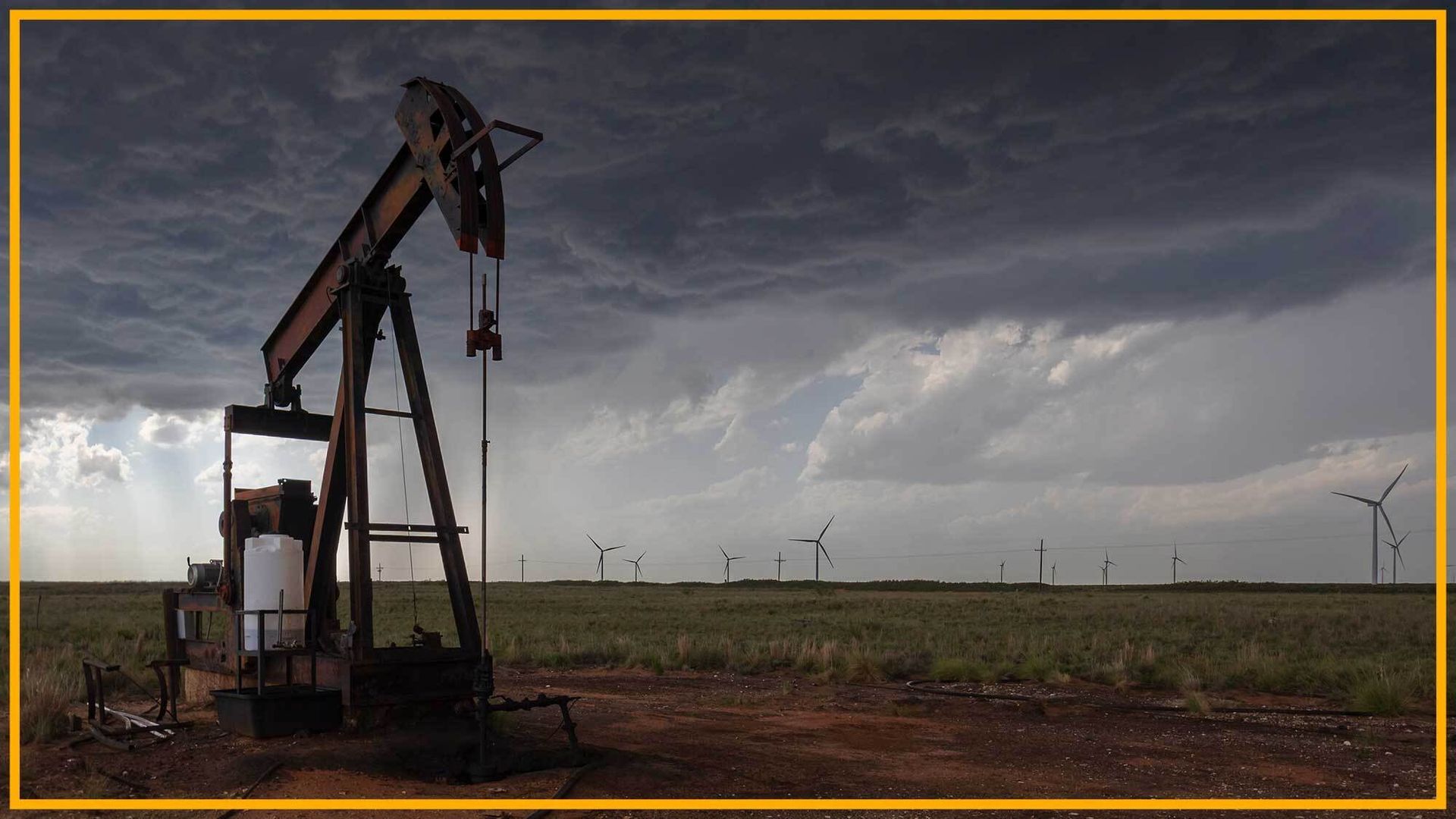
Donald Trump cannot make clean energy expensive again. He can only make Americans pay extra for it. His tariffs do just that. But cost declines work like a ratchet. Every solar factory built and every panel installed pushes costs down the curve. The global price floor just keeps falling.
Which means that despite Trump's best efforts to prop up fossil fuels, America will transform its electricity system. The question is how fast. And that speed is up to us.
Since 2015, most of the new power built in America has been clean. This year, 93% of new electricity capacity is expected to come from solar, wind and batteries. That is not because of any president. It is because clean energy is the cheapest way to add electricity to the grid.
The problem is what was built before. Today, 57% of America's power is generated from burning fossil fuels, compared to just 43% from clean sources. Even with solar and wind dominating new builds, our legacy system still uses dirty energy, which takes time to replace.
The first step is getting rid of coal, which already can't compete with clean energy. Coal generates about one-sixth of our power, yet 99% of American coal plants are more expensive to keep open than it would cost to replace them with new solar, wind, and storage. In Michigan, the Trump administration ordered an aging coal plant to stay open past its planned retirement. That single decision costs consumers $600,000 a day. On Sept. 11, a federal court rejected the order.
The JH Campbell power plant in Michigan that Trump had ordered to be kept operating. (Image credit: UCG via Getty Images)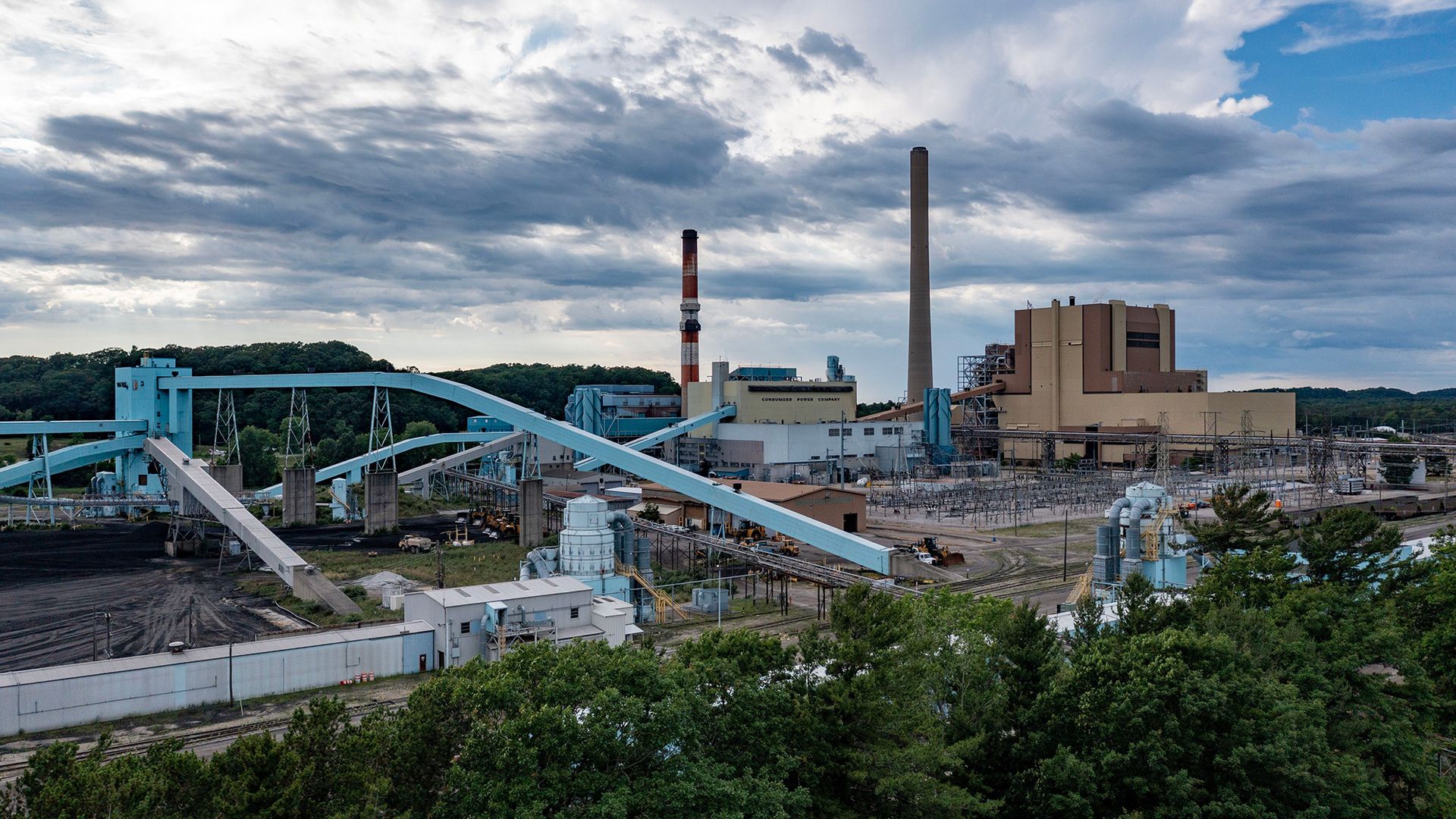
Despite Trump's attempts to revive a dying industry, the coal industry remains in deep decline – down 43% since 2010. Coal cannot compete on cost or reliability. Without expensive government welfare, coal is on its way out.
Gas plants are responsible for much of the remaining electricity emissions. Solar, wind and batteries are increasingly cost-competitive with gas. Even without subsidies, solar paired with batteries is now cheaper to build and run than a new gas plant. And we know how to put up clean energy fast: the solar industry tripled its annual build rate in just six years.
Skeptics raise two objections. First, rising electricity demand from AI, data centers and electrification means that we can't generate enough power with clean energy alone, and therefore we need to keep gas on the grid. Second, Trump's hostility — namely expiring tax credits and tariffs on solar panels and batteries — will stall the build-out.
Energy demand growth is real. Proposals for new gas plants to power data centers have surged. But more than three-quarters of this gas plant pipeline is still early stage, and many projects have been delayed. Supply backlogs on gas turbines stretch toward the 2030s. Meanwhile, new solar plants and batteries can go up in under two years. This makes building such capacity the fastest, cheapest solution to rising electricity consumption.
As for Trump: his administration won't be around forever. And rising electricity prices have become a central issue in this year's midterms. Politicians promising affordability will turn to the cheapest way to power households: clean energy. And the market will keep the transition moving no matter who's in the White House.
Solar energy production, such as that produced by this solar panel array near Lancaster, California, now outpaces energy production from coal. (Image credit: Mario Tama via Getty Images)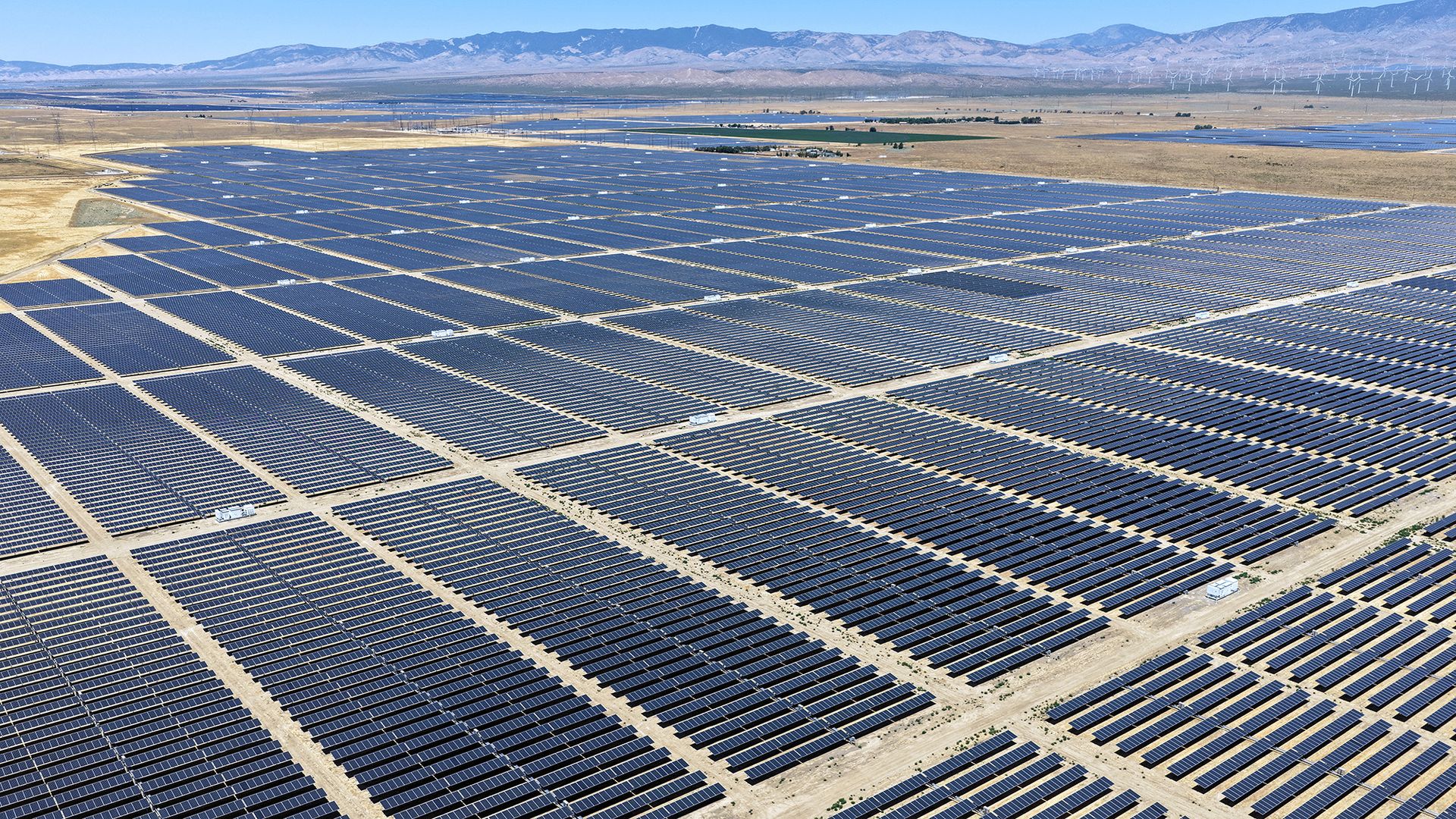
In the meantime, there is plenty we can do at the state and local level to speed things up. One strategy is removing barriers to plug-in solar. In Germany, more than a million households have installed "balcony solar," which are panels that plug into a wall outlet, bypassing permits or utility paperwork. Utah legalized plug-in solar last year, and California's legislature just approved it too. Pair that with simple plug-in batteries, and ordinary people can generate and store their own clean energy at home.
We can also use electric machines to soak up power when it's fossil-free. That happens in the middle of the day, when cheap solar floods the system. With the right controls, an electric water heater can also be a battery: heat the tank at noon, and tonight's shower is stored sunshine. Heat pumps can pre-cool or pre-heat a home before evening the same way. Charge electric cars at work and your commute is solar-powered.
Exclusive to Live Science Pro- 'Drops in the ocean can make waves': How the grassroots climate movement took off in the US
- Climate change will harm our health. Here's what could protect us.
- 'We're a bit late on the case, but we are on the case': Author Fred Pearce on the rise of renewables, a defused population bomb, and letting nature find its own way
And none of this requires the federal government. States can make midday power cheap, or even free, and pay households to shift their usage. Cities can write building codes that make flexible electric machines the default replacement. Do that at scale and we can serve growing demand with the grid we already have.
No single choice transforms the electricity system on its own. But the energy transition has always moved in waves: it dips, then surges back stronger. Millions of people pushing in the same direction is exactly how the next wave builds.
So is a clean grid realistic? Yes. The only real question is how fast we replace the old one. And that's largely up to us.
Opinion on Live Science gives you insight on the most important issues in science that affect you and the world around you today, written by experts and leading scientists in their field.
Help us improve Live Science Pro: We're always trying to make our content better. Leave us feedback about Pro here.
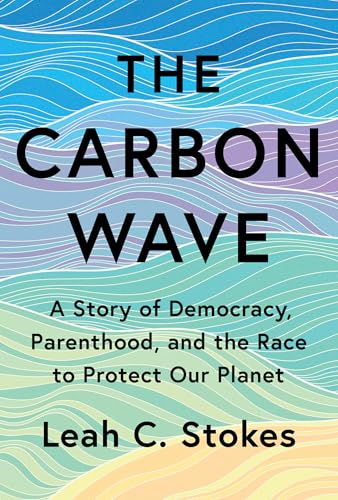
Interlacing personal narratives with stories from Congress, the White House, and outside activists, Stokes shows how dogged perseverance and collective action can still bend the course of history. The book concludes with an update from the second Trump administration, explaining the parts of the bill that were—and were not—rolled back, and why we should remain hopeful that progress is still being made.