
 EPA
EPAThe US is weighing lifting sanctions on some Iranian oil, as it scrambles to contain the impact of its war in Iran on energy markets.
Treasury Secretary Scott Bessent put forward the idea in an interview on the Fox Business programme Mornings with Maria on Thursday, saying it could make more oil available to global buyers. Around the world, energy prices are shooting up as the war takes a toll on shipping and production.
If put into action, the move would mark a stunning reversal of longstanding American policy - and one with highly uncertain pay-off.
Experts said it was likely to have a limited effect on prices, and could boost funds gong to the Iranian regime that the US is attacking.
"To put it mildly, this is bananas," said David Tannenbaum, director of Blackstone Compliance Services, a consultancy specialising in maritime sanctions. "Essentially we're allowing Iran to sell oil, which could then be used to fund the war effort."
Before the war, China was the primary buyer of the roughly 4 million barrels coming out of Iran per day, scooping up the oil at a steep discount due to sanctions imposed by the US and other countries.
In the interview, Bessent said a waiver on the sales restrictions could help divert more of those supplies to other countries in need of oil, such as India, Japan and Malaysia, while forcing China to pay "market price".
He said the US was looking at removing sales restrictions on Iranian oil that is already at sea, which he said amounted to about 140 million barrels. He estimated that would push down global prices for 10 to 14 days.
But Bessent did not go into detail about how a potential waiver would work or whether it could include rules to prevent money from the sales from flowing back to the Iranian government. The Treasury Department declined to provide more detail about the proposal.
President Donald Trump, when asked about whether he would move forward with the idea, did not provide a clear answer, telling reporters on Thursday that "we will do whatever is necessary to keep the price" before cutting himself off.
Because the supply under discussion is relatively small compared to overall demand, the waiver would not have much impact on prices, experts warned.
What's more, while lifting sanctions may open up those barrels to more buyers, much of the oil was already making it to market.
"It could add a little bit ... but I don't think it's a game changer and it raises a whole lot of questions," said Rachel Ziemba, an adjunct senior fellow at the Center for a New American Security.
The proposal follows other US efforts to boost supply, including the release of millions of barrels of oil reserves and the suspension of some sanctions on Russian oil last week.
That second decision sparked significant blowback from leaders in Europe, who said it would strengthen Putin's regime and prolong the war in Ukraine.
It is not clear whether Bessent's proposal could spark a similar reaction in the US, where the House of Representatives just this week passed a bill aimed at strengthening sanctions on Iran's oil sector.
Mike Lawler, a Republican from New York who sponsored the bill, did not respond to a request for comment. Senator Jeanne Shaheen, the top Democrat on the Foreign Affairs committee, also did not respond to a request for comment.
Ziemba said she did not think the US would want money from oil sales to go to Iran's government - but it could be hard to prevent in practice.
That the US is even considering such a step is a sign of the administration's concern about the current energy shock, she said.
"The US government is definitely in an every-barrel-counts situation because of the scale of the supply shock," she said. "They're looking to find additional oil wherever they can."
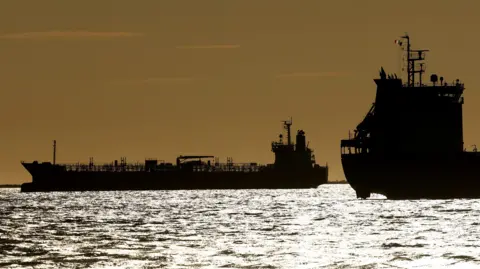
About a fifth of the 100 million barrels of oil that the world consumes every day traditionally travelled via the Strait of Hormuz, which runs along part of Iran's coast. Since the war began at the end of February, shipping in the channel has come to a halt.
While some of the barrels being transported through the strait have been successfully re-routed, experts still estimate that the war has knocked about a tenth of the world's supply out of the market.
Concerns about the situation have increased, as damaging tit-for-tat attacks on a key gas field operated by Iran and Qatar raise the risk that capacity for providing fossil fuels could be constrained for years, even if the conflict is resolved relatively quickly.
Iran sanctionsOil & Gas industryIran war
