It could be a vital tool for people with hypertension.
By Daniel Cooper July 16, 2026 9:00 am EST Vital Signals
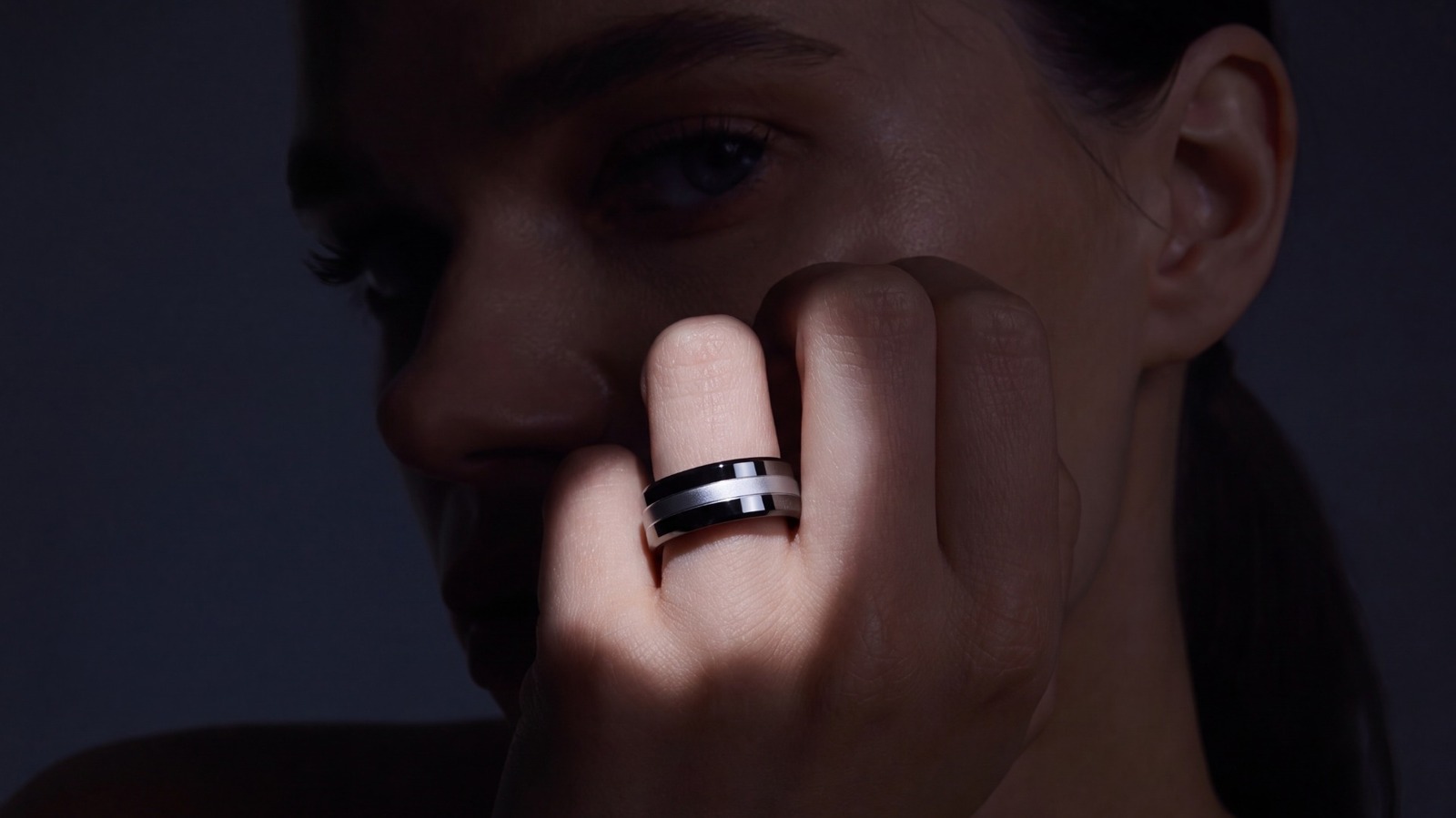
 Vital Signals founder Tom Moss thinks the wearables industry is too focused on wellness over health. It was this that prompted him to create the Signal Ring, which arrives later this year, as something of a corrective. Moss says it's not a device for quantifying your step count, but a tool to hopefully keep you out of the ER. Especially if, like Moss himself, you live with hypertension or another cardiac issue that could spill over into something life threatening.
Moss explains, a few years ago, he was taken to hospital with a systolic blood pressure reading of 250 mmHg. Given the upper limit for a healthy reading is 120 mmHg, it was a sign the burly tech executive needed to give some thought to his lifestyle and heart health. But he couldn't find a device that offered accurate continuous blood pressure monitoring he could wear all day. It prompted him to team up with a pair of engineers from pulse sensor company Masimo, and the trio spent the last three years working on the Signal Ring.
Signal Ring isn't looking to distinguish itself from its competitors on a hardware basis, and many of its components are industry-standard. Instead, the small team behind the project worked on developing algorithms that, they say, offer unprecedented levels of detail and accuracy. After all, plenty of devices, such as Samsung's Galaxy Watch, offer blood pressure readings that need to be regularly calibrated with a cuff reading. Moss is dismissive of the offering, however, saying these readings regularly drift between calibrations, rendering them less than useless.
As well as passively scanning your blood pressure through the day, users can take manual readings when they choose. The system will tell them to sit down, get comfortable, and do some slow breathing while a reading is taken. After which point, you'll be able to add some context to the data to help both you, and the system, understand what's affecting your body. For instance, if you've worked out, eaten, smoked, or drank coffee, and soon after feel your blood pressure rise, you'll be able to track the results of doing those things against your baseline.
If you have a long memory, then Moss' name might ring more than one bell, as one of the early members of the Android team. Some time later, he co-founded Nextbit, an early Android phone and Kickstarter success, which was later acquired by Razer. After that, he was the COO at US drone maker Skydio until leaving to found Vital Signals in 2023. Clearly, all of that experience has given him a number of red lines he's made pretty strong commitments to cross. That includes not charging a monthly subscription to use the ring, and he won't add AI to the product. Instead, your blood pressure data is easily-exportable if you want to consult an AI of your own choosing.
Vital Signals' launch comes at an interesting time for the wearables industry, especially in the US. In January, the FDA started the process of crafting broader exemptions for devices to offer blood pressure readings from optical heart rate monitors. But Moss says the company is still going for regulatory clearance in the hope of, eventually, working with insurers and becoming a more critical component of people's daily preventative care routines.
The Signal Ring is available to pre-order today for $399 and, as with all smart rings, would-be buyers will need to grab a sizing kit before their device arrives. It will be available in US sizes 5 through 13, and has a battery life rated for three days. It'll ship with its own charging case, which has enough power for four charges, ideal for when you're on the go. Shipping will not begin until at least October, and it'll be interesting to see how well the company can support its claims of offering cuffless, calibration-free blood pressure monitoring in a ring. Hopefully we'll be able to test it before it launches to offer our take on if it's worth your hard-earned.