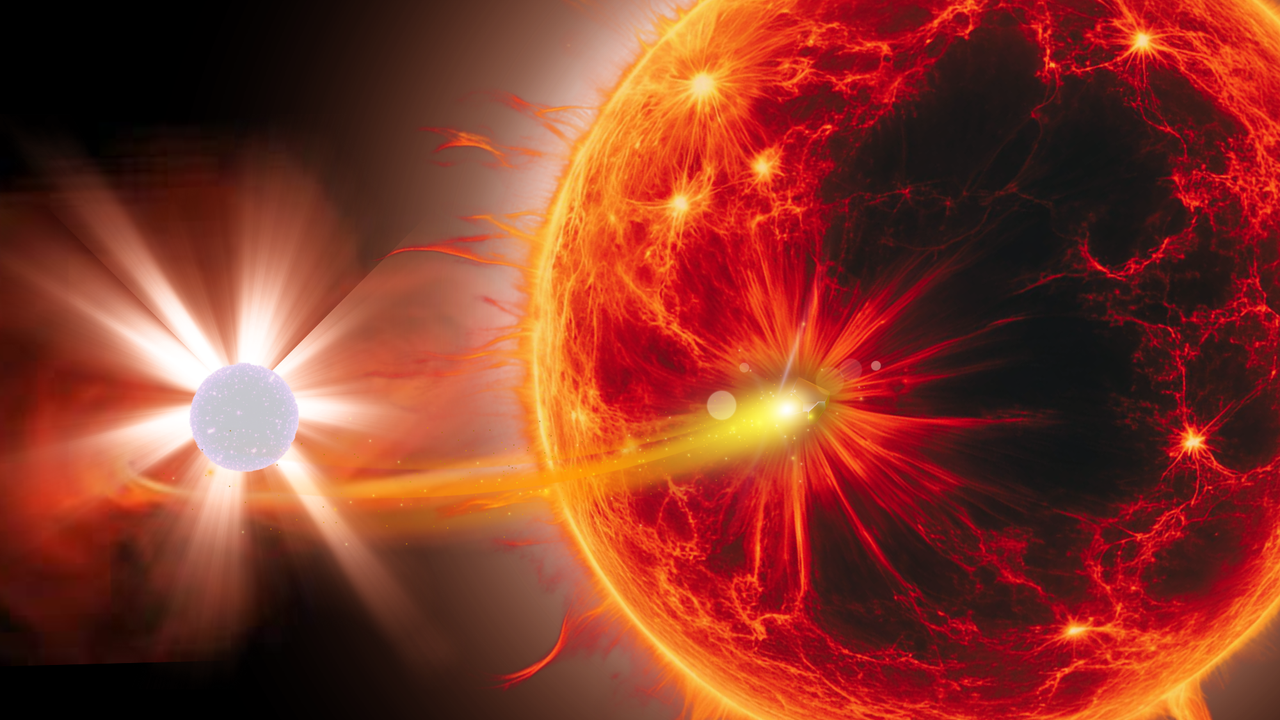
 The "Diana of Versailles" or "Artemis, Goddess of the Hunt", a marble statue of the Roman goddess Diana, known as Artemis in Greek mythology, in the Musée du Louvre in Paris. (Image credit: Wikimedia Commons/CC0 1.0 Universal) Jump to: Share this article 0 Join the conversation Follow us Add us as a preferred source on Google Newsletter Get the Space.com Newsletter
 Breaking space news, the latest updates on rocket launches, skywatching events and more!
Contact me with news and offers from other Future brands Receive email from us on behalf of our trusted partners or sponsors By submitting your information you agree to the Terms & Conditions and Privacy Policy and are aged 16 or over.You are now subscribed
Your newsletter sign-up was successful
Want to add more newsletters?
An account already exists for this email address, please log in. Subscribe to our newsletterNASA is gearing up to send astronauts back toward the moon for the first time in more than 50 years with Artemis 2 — a mission that marks the next chapter in human lunar exploration — but who is Artemis?
The Artemis program is named for the Greek goddess of the moon and wilderness, and represents the agency's most ambitious human exploration campaign since the Apollo program — the series of missions that first carried astronauts to the lunar surface more than 50 years ago. Artemis 2, the program's first crewed mission, will send four astronauts on a roughly 10‑day free‑return flight around the moon and back to Earth.
Article continues belowWho is Artemis?
In Greek mythology, Artemis is the twin sister of Apollo and the goddess of the moon, hunting and wild places. In Roman mythology, she is known as Diana. Artemis is the daughter of Zeus, who rules over all of the other gods, and Leto, one of the goddesses of childhood.
Artemis is often portrayed as independent, fiercely protective and closely connected to nature — qualities that resonate with NASA's vision for a sustainable lunar program and mission designed to explore uncharted territory. She is often depicted carrying a bow, or sometimes a torch.
While Apollo missions landed near the moon's equator, Artemis 3 and future missions will venture farther south than any human mission before, investigating permanently shadowed craters and new lunar landscapes. The goddess's association with protection and renewal also mirrors NASA's emphasis on sustainability, international partnerships and long-term exploration.
NASA has also highlighted the symbolic importance of Artemis as a female figure, aligning with the program's goal to land the first woman on the moon.
Get the Space.com NewsletterContact me with news and offers from other Future brandsReceive email from us on behalf of our trusted partners or sponsors 
Who is Apollo?
Apollo, Artemis's twin brother, is the Greek god of the sun, light, music and prophecy. In spaceflight history, his name is synonymous with NASA's original moon program, which flew between 1961 and 1972 and culminated in six successful lunar landings.
The Apollo missions proved that humans could travel to another world, work there and return safely — a technological and cultural achievement that defined a generation. Apollo 11's first lunar landing in 1969 remains one of the most iconic moments in human history, symbolizing exploration, ambition and ingenuity.
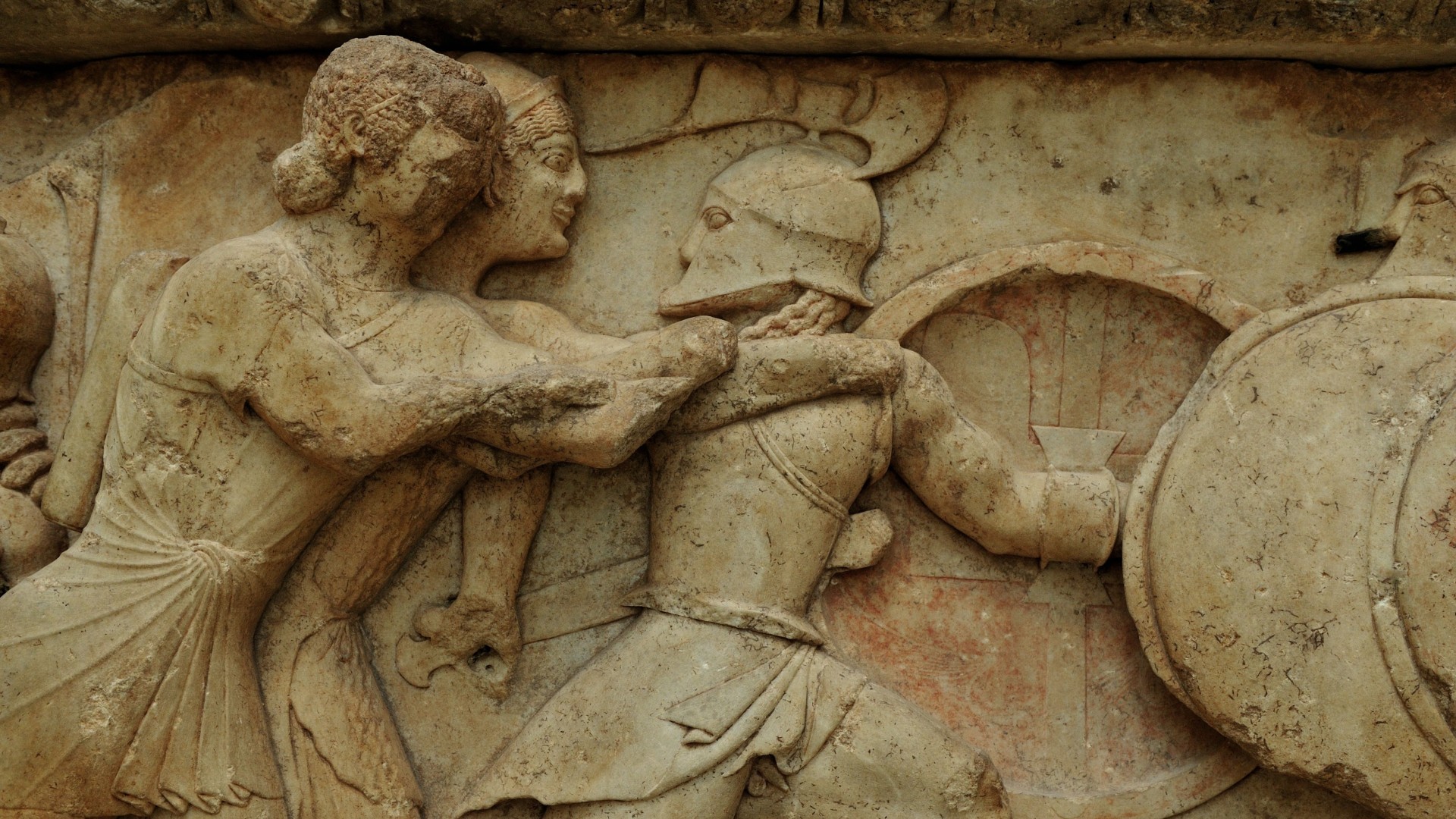
The pairing of Apollo and Artemis is more than poetic. In mythology, the twins balance day and night, or sun and moon. In spaceflight, Apollo represents what humanity has already accomplished, while Artemis represents what comes next.
Now, Artemis 2 prepares to carry astronauts back toward the moon. NASA is now targeting April 1 for the historic launch, although the timing will depend on technical and weather conditions.
While Apollo paved the way to the moon, the Artemis program builds on that legacy, advancing human exploration and establishing a sustainable presence beyond Earth.
 Samantha MathewsonContributing Writer
Samantha Mathewson joined Space.com as an intern in the summer of 2016. She received a B.A. in Journalism and Environmental Science at the University of New Haven, in Connecticut. Previously, her work has been published in Nature World News. When not writing or reading about science, Samantha enjoys traveling to new places and taking photos! You can follow her on Twitter @Sam_Ashley13.
View MoreYou must confirm your public display name before commenting
Please logout and then login again, you will then be prompted to enter your display name.
Logout MORE FROM SPACE... 1These 45 exoplanets may be the best places to search for alien life
- 2Aim for the stars for under $15 with this Estes 2441 Mini Arcas Model Rocket Kit at Walmart, now 17% cheaper in the spring sales
- 3Lightning on Jupiter could be up to 1 million times stronger than on Earth
- 4Inside Artemis 2: NASA's historic astronaut moon mission explained (video series)
- 5100 new alien worlds: Scientists find hidden haul in data from NASA exoplanet-hunting spacecraft