The retailer is charging obscene amounts for the 30th anniversary Pokémon cards.
By Sam Rutherford July 11, 2026 8:00 am EST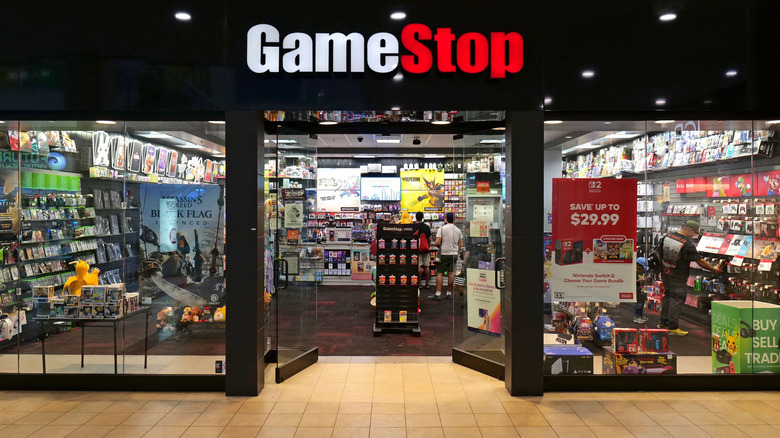 Sam Rutherford for Engadget
 The price gouging of Pokémon cards has become such a problem that last week during a shareholding meeting, Nintendo president Shuntaro Furukawa acknowledged that the current retail environment has led "to high-priced reselling in the market." In other words, the Pokémon trading card game (TCG) has a problem with scalping. To combat this, Nintendo says that it and The Pokémon Company will "take measures to respond to this issue." Well Furukawa-san, if you don't mind me making a suggestion, the first company that needs to be investigated for this is GameStop.
For many collectors, GameStop's practice of marking up Pokémon cards (and a ton of other TCGs) is pretty well known at this point, as the company doesn't do much to hide it. For example, an Ascended Heroes Booster Bundle costs just under $27 at the Pokémon Center. With each booster bundle including six packs of cards, that averages out to around $4.50 per pack. Not an outrageous amount for colorful cardstock that can also be used to play a game.
However, if you go over to Gamestop.com, you'll see the exact same product listed for $90, or a bit over $85 if you pay for a GameStop Pro membership, which on its own costs another $25 a year. That right there is a markup of over 200 percent, resulting in packs that cost closer to $15 each. Suddenly, things aren't so affordable, especially if you're a kid trying to scrape together funds just to buy some cards. And while GameStop's gouging isn't quite as bad for less popular sets like Perfect Order and Chaos Rising, paying 2x over the retail price will never feel good.
 Sam Rutherford for Engadget
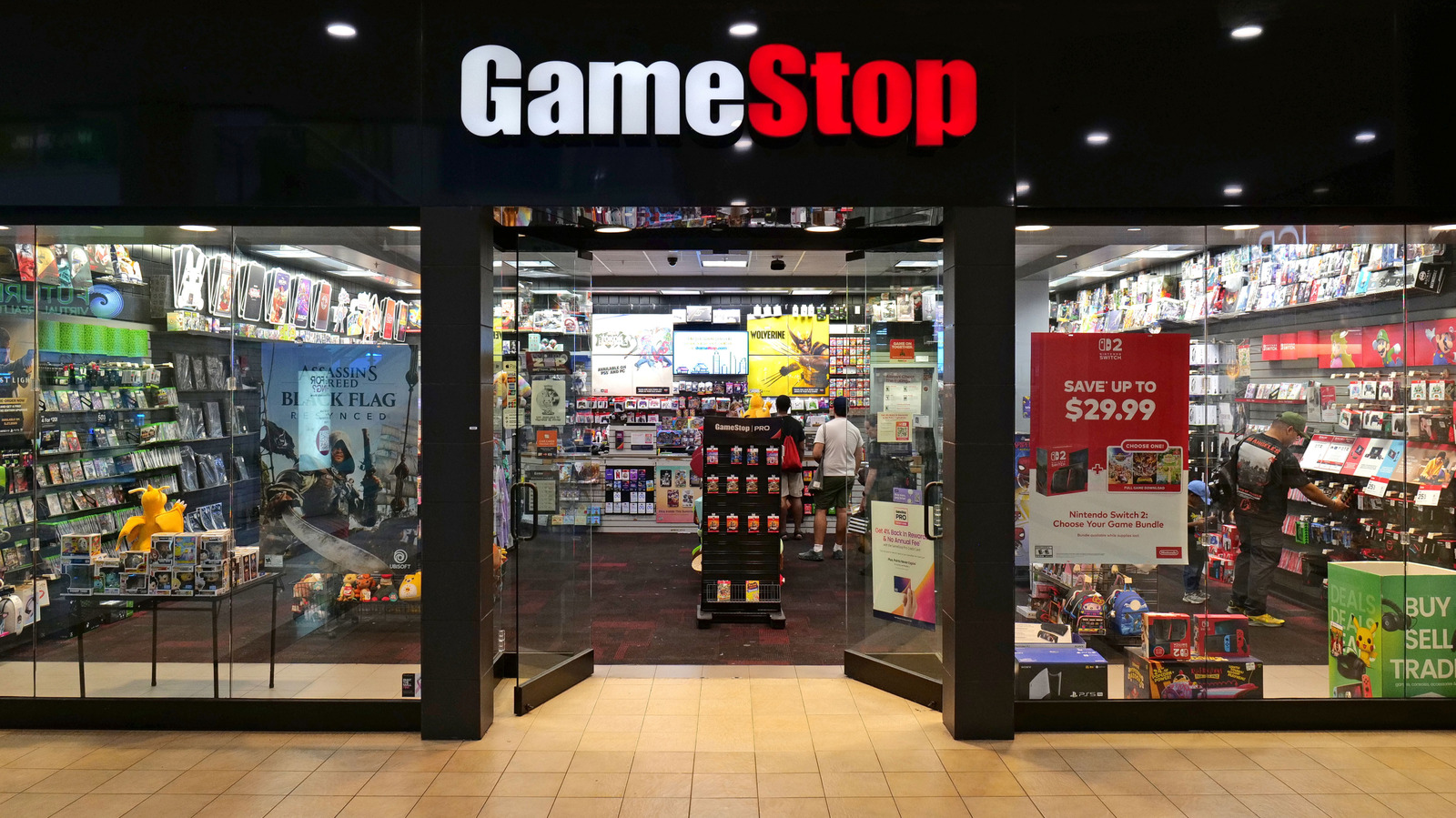
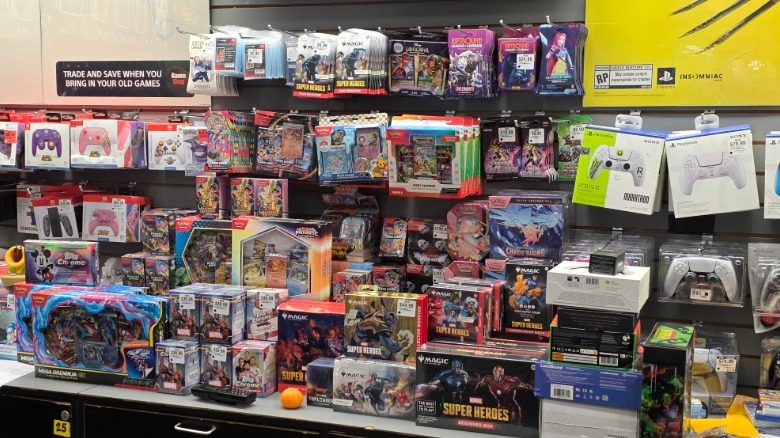
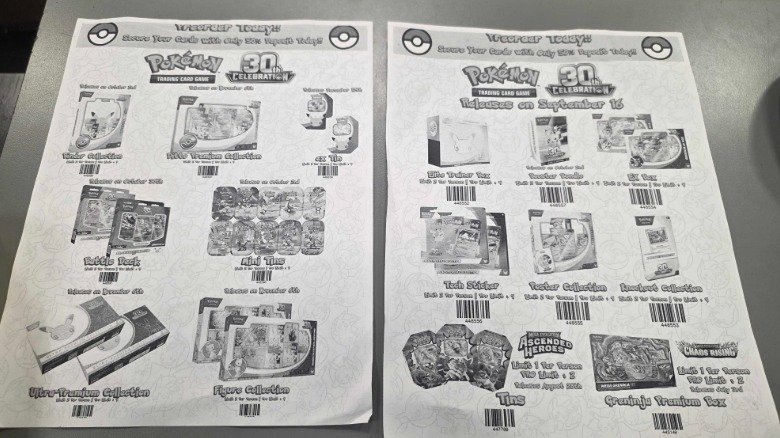
 But recently, GameStop reached a new low when it sent out an email alerting people that it was taking in-store pre-orders for the Pokémon 30th Anniversary Celebration set due out later this fall, which is by far the most anticipated release of the year. So I figured I'd mosey on down to my local branch to see how much gouging was happening this time. And boy, I was not prepared. Similar to Ascended Heroes, 30th Anniversary Booster Bundles are going for $90. Meanwhile, the price for Elite Trainer Boxes, which is often the most sought after product type, were going for $170. Considering the regular retail price of a specialty set ETB is $55, that's once again more than a 3x markup.
But then things got extremely depressing when the very helpful clerk told me that the price of the 30th Anniversary Ultra-Premium Collection at GameStop was set at $600. Compare that to the Mega Charizard Ultra-Premium Collection from last year's Phantasmal Flames set, which cost just $120 direct from the Pokémon Center. Granted, The Pokémon Company has yet to reveal official pricing for these products, but if upcoming pricing is in line with previous offerings, that means GameStop is marking up the product by a whopping 400 percent.
 Sam Rutherford for Engadget
 Furthermore, if you'll notice, GameStop cleverly doesn't list the price of these upcoming items online, or in-store either, at least at my location. That seems to be by design, because it allows the company to raise prices with little to no notice, which is exactly what it did. When pre-orders for the 30th Anniversary set first became available, disgruntled Redditors discovered that items like ETBs were actually listed for slightly cheaper at $130. This was also confirmed to me by my local clerk, who said that prices had already increased at least once and suggested that I should put down a reservation in case prices climb even higher.
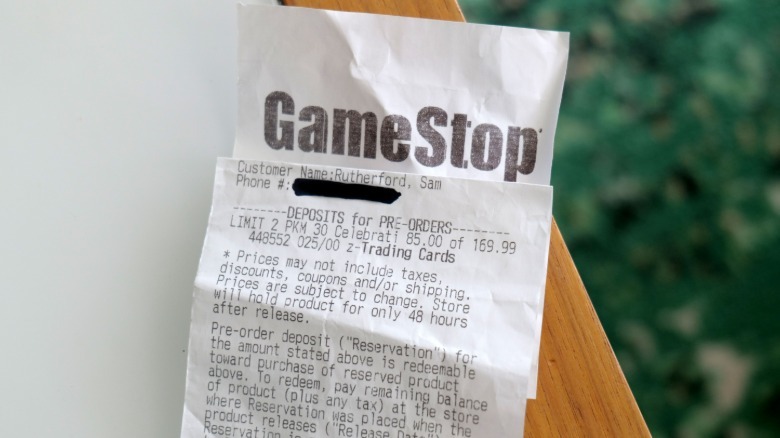
Unfortunately, because I didn't see the online chatter about GameStop's predatory pricing before I got there, I'm ashamed to say I reserved one ETB so I could get concrete proof of the company's despicable tactics. And to add insult to injury, GameStop requires customers to pay half the cost of a pre-order up front, which means the $85 I paid only accounts for half of the ETB I reserved. But here's the receipt as evidence and a warning, so hopefully others don't get pressured into making the same mistake.
 Sam Rutherford for Engadget
 Granted, trying to buy Pokémon cards in 2026 involves a lot of other pitfalls that have little to do with GameStop. New sets sell out almost instantly when they are listed on the Pokémon Center's website, to the point where if you're 10 or 20 minutes late, there's a good chance everything will be gone by the time you get past the queue. Meanwhile, other retailers like Walmart and Target often suffer from online bots that scoop up restocks before actual humans can make purchases. Things are arguably even worse in person, as there are regular reports about people fighting in stores over cards or scalpers stalking Pokémon card vending machines, which has resulted in kiosks getting removed entirely.
To Nintendo and The Pokémon Company's credit, they are trying to address these issues by instituting things like account verification in some places and supporting made-to-order sales. More importantly, late last year, TPCi's Millenium Print Group signed a lease on a 1.27 million square-foot facility in North Carolina, which should increase the supply of cards when construction is completed sometime in 2027.
But perhaps the biggest weapon in this battle is one President Furukawa already mentioned during the shareholder meeting: making agreements with market operators. All of the big box retailers get their products from a handful of licensed distributors, which means that Nintendo and The Pokémon Company could pull inventory or refuse to restock retailers that egregiously mark up their products.
To be clear, I'm not against stores (especially smaller independent businesses) increasing prices a bit on things that are in super high demand, especially if they provide a service to customers like the ability to reserve items or make pre-orders (though simply taking a deposit would be ideal). But there's got to be a limit and it's clear GameStop has already pushed way past what should be allowed.
All I want to do is open some pretty cards with monsters on them to play with my family and to get them for a reasonable cost. Sadly, companies like GameStop are making that extremely difficult with downright abusive pricing.