 Image source, Forestry and Land ScotlandImage caption,
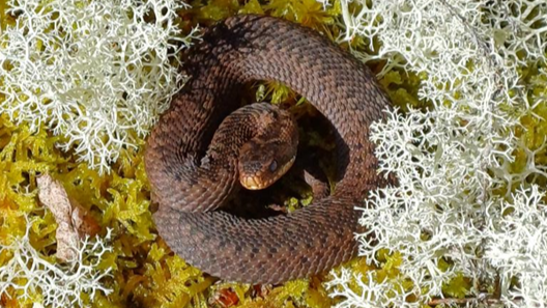
 Adders are a species which will benefit from upcoming renovations
ByMolly Armstrong- Published42 minutes ago
Adders, slow worms and common lizards will be the focus of protection efforts during a major peatland restoration project near Dumfries.
New shelters known as hibernacula are being created using peat, tree material and brash to provide safe overwintering areas.
And staff are using corrugated metal sheets to create warm microhabitats where reptiles can be observed without disturbance.
Forestry and Land Scotland is working on the project at Longbridge Muir, which is about three miles (5km) south-east of Dumfries.
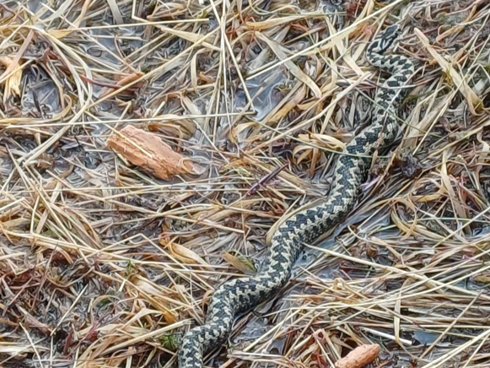 Image source, Forestry and Land ScotlandImage caption,
 A male adder moves through the Lochar Mosses
It is being carried out in phases to reduce disruption and allow wildlife to adapt.
Peatland restoration officer George Hemstock said the work was designed to balance environmental goals with species protection.
"To minimise disturbance to reptiles, work is being carried out in phases over three years, allowing animals time to move safely across the site.
"Key refuge areas such as dry, south-facing bog edges where reptiles hibernate are being retained and protected throughout operations."
Longbridge Muir covers about 1,255 acres (508 ha) and forms one of the largest surviving remnants of the historic Lochar Moss peatland complex near Dumfries.
The site is protected as a Site of Special Scientific Interest and is recognised for its internationally important raised bog habitat, which supports a range of wildlife including adders and common lizards.
Forestry and Land Scotland has also confirmed the presence of slow worms in the wider restoration area, although reptile population numbers are not known.
The site is part of the wider Solway Mosses North Special Area of Conservation, which covers almost 1,600 acres (649 ha) and is regarded as one of the most significant lowland raised bog systems in Europe.
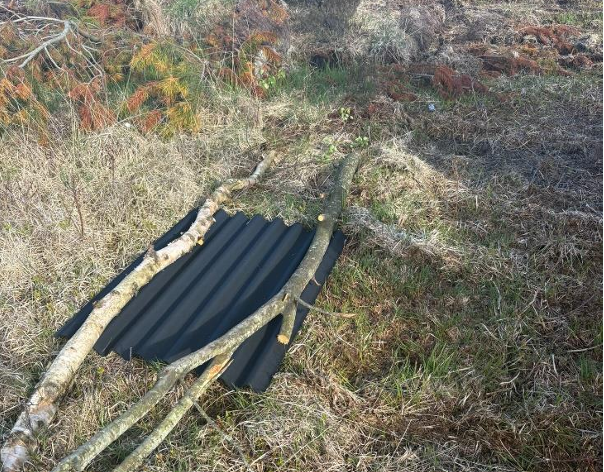 Image source, Forestry and Land ScotlandImage caption,
 Reptiles including adders, lizards and slow worms shelter under sheets like this
The restoration follows decades of drainage and tree planting that altered the bogs, which are now recognised as important carbon stores and habitats.
Forestry and Land Scotland, which manages several sites in the Lochar Mosses area, hopes to reverse this process by rewetting the land and restoring natural conditions.
"The restoration at the site will improve water levels, restore peat-forming habitats and strengthen biodiversity," Hemstock said.
"However, equally as important as restoring the rare bog habitat, is ensuring reptile populations are protected."
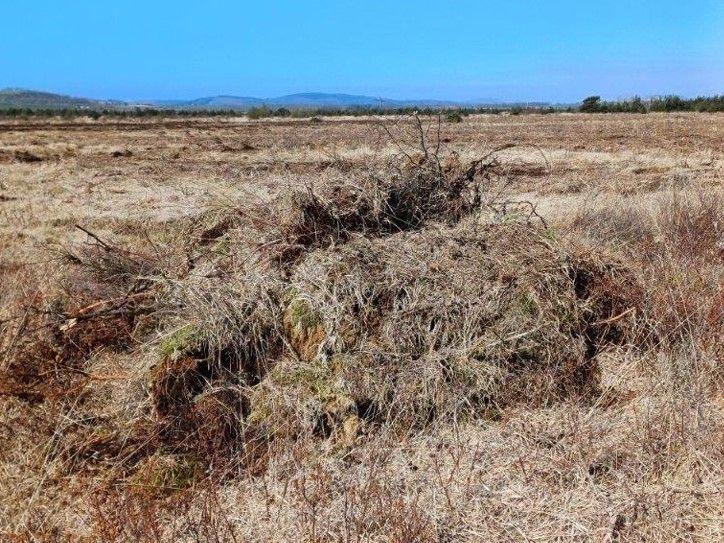 Image source, Forestry and Land ScotlandImage caption,
 The Lochar Mosses complex is designated as a site of special scientific interest, as all UK reptile species are protected by law
"Both the presence of reptiles following the restoration work and their use of newly created hibernacula are assessed," he added
Forestry and Land Scotland says the project forms part of a wider national effort to tackle the climate and nature crises by restoring peatlands.
Related topics
Mystery find on Galloway beach aids Spanish shark study
- Published2 June
'Lethally salty' waters hinder rare toad's recovery
- Published31 May