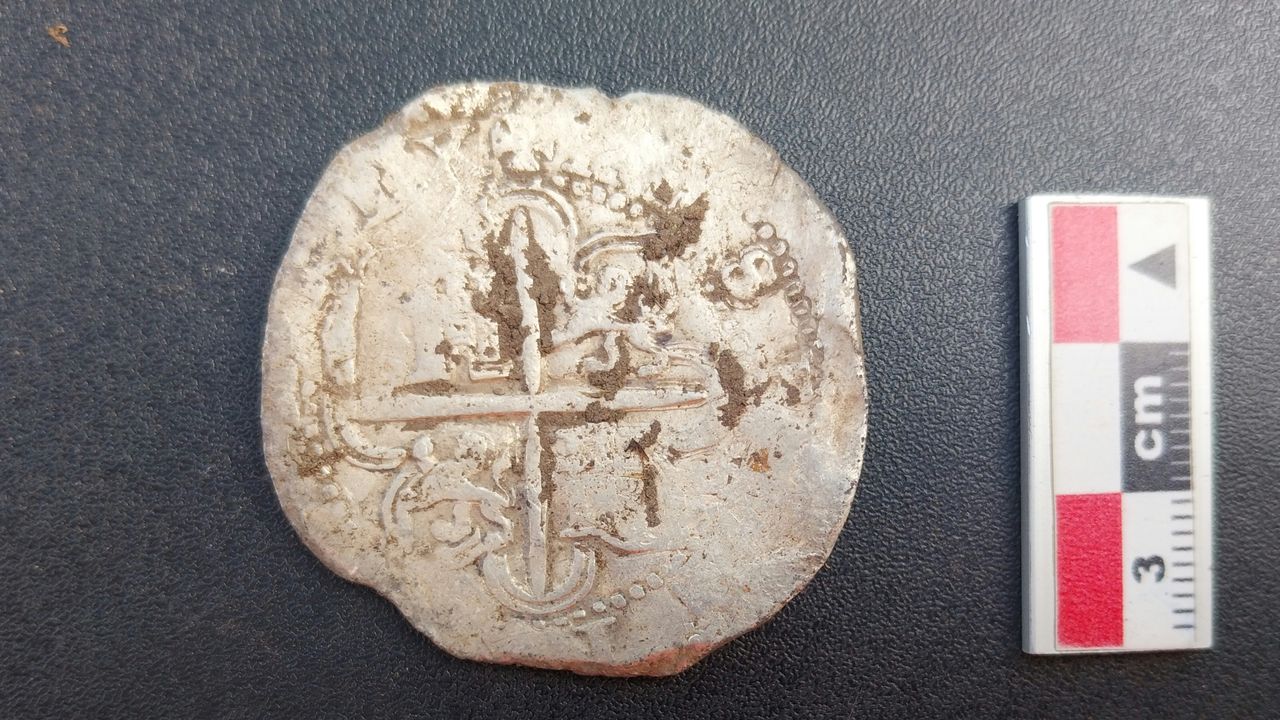
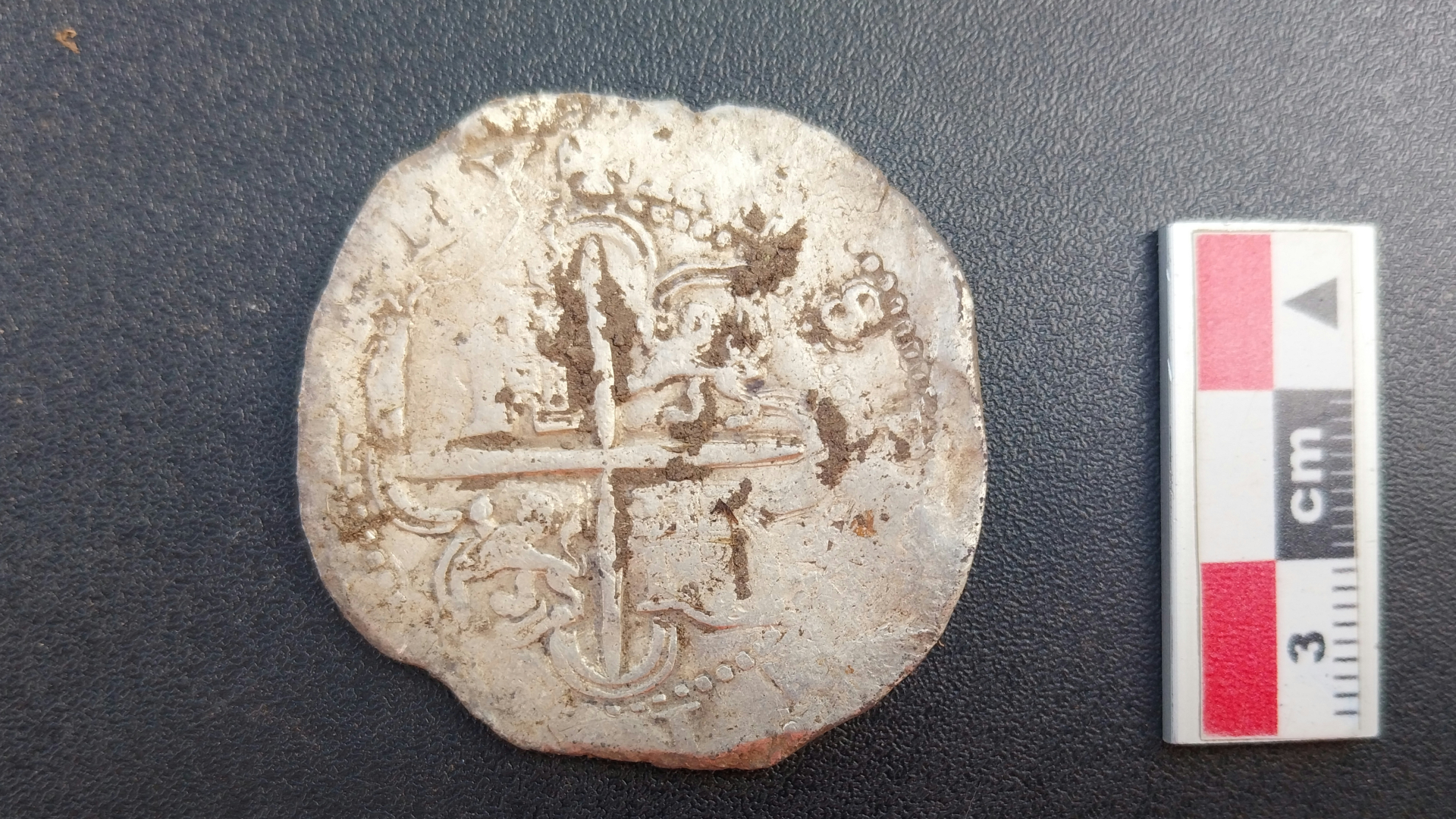
 The 16th-century coin is a silver "real de a ocho" — a Spanish coin known to pirates as a "piece of eight." One side shows a Jerusalem cross. (Image credit: Richard Bezzaza) Share this article 0 Join the conversation Follow us Add us as a preferred source on Google Newsletter Sign up for the Live Science daily newsletter now
 Get the world’s most fascinating discoveries delivered straight to your inbox.
Become a Member in Seconds
Unlock instant access to exclusive member features.
Contact me with news and offers from other Future brands Receive email from us on behalf of our trusted partners or sponsors By submitting your information you agree to the Terms & Conditions and Privacy Policy and are aged 16 or over.You are now subscribed
Your newsletter sign-up was successful
Want to add more newsletters?
Join the club
Get full access to premium articles, exclusive features and a growing list of member rewards.
Explore An account already exists for this email address, please log in. Subscribe to our newsletterArchaeologists have discovered a Spanish coin placed beside the Strait of Magellan in southern Chile as part of a ceremony carried out by colonists more than 400 years ago.
The coin is a vital clue for archaeologists investigating a colonial settlement there, as it matches a surviving 1584 account of the Christian ceremony involving the coin, a standard practice when Spanish colonial settlements were founded. The find also helps to validate an old map of the long-lost settlement.
"This discovery provides a rare and powerful point of convergence between written sources and archaeological evidence," Soledad González Díaz, the lead researcher on the project and a historian at Bernardo O'Higgins University in Santiago, told Live Science.
Article continues below The other side of the silver coin shows the Spanish royal coat-of-arms. (Image credit: Richard Bezzaza)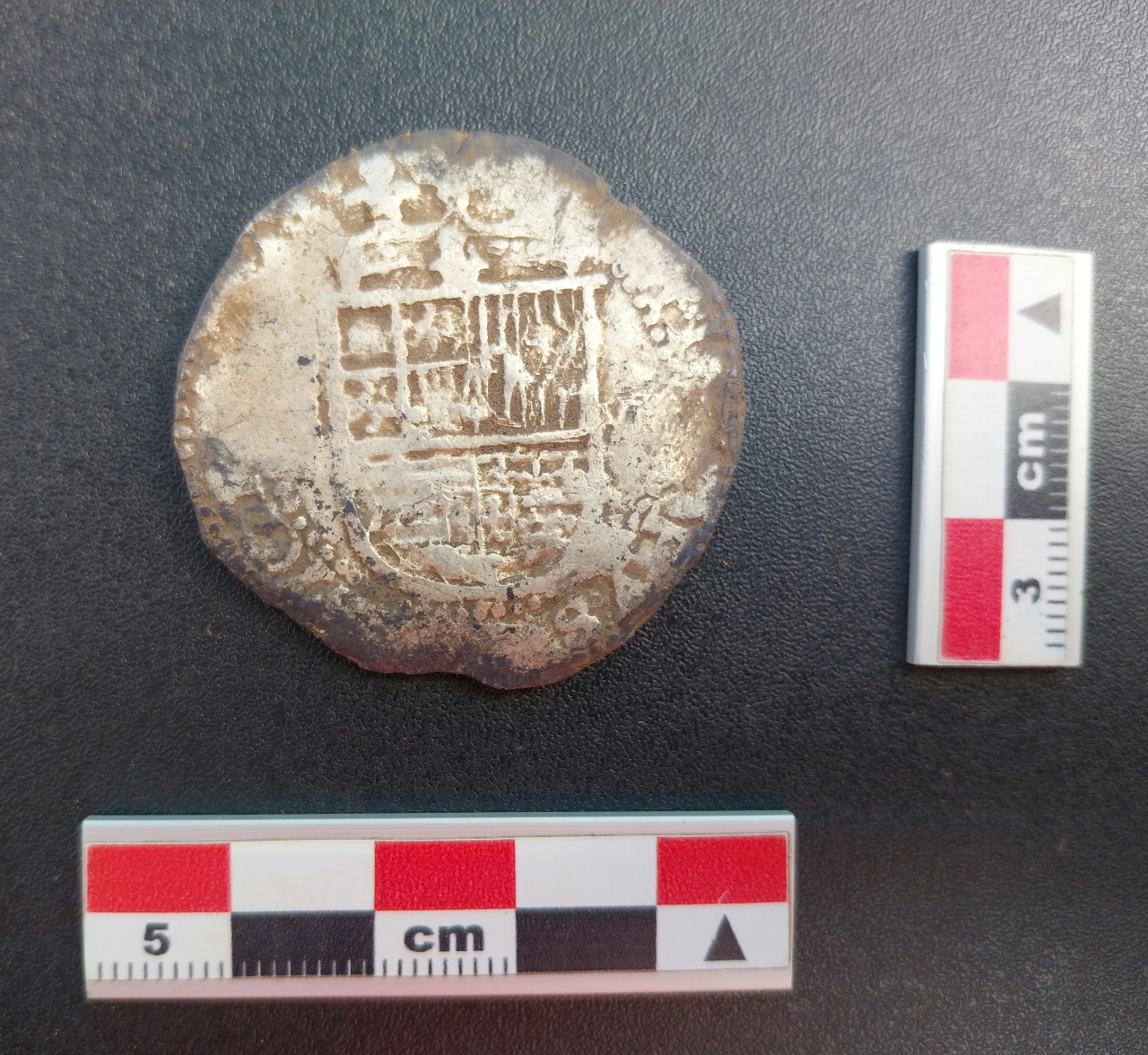
"It not only helps to confirm the location and layout of key structures within the settlement but also opens new possibilities for reconstructing [its] spatial organization," she said.
The "8-real" coin ("real de a ocho" in Spanish and the original pirate "piece of eight") was minted out of silver in the 16th century. It was discovered in March during archaeological excavations at the site of Ciudad del Rey Don Felipe, a doomed Spanish colony that was founded on the north side of the Strait of Magellan in 1584.
The coin was found atop a stone from the foundations of a ruined church at the site of the Rey Don Felipe colony in what is now Chile. (Image credit: Richard Bezzaza)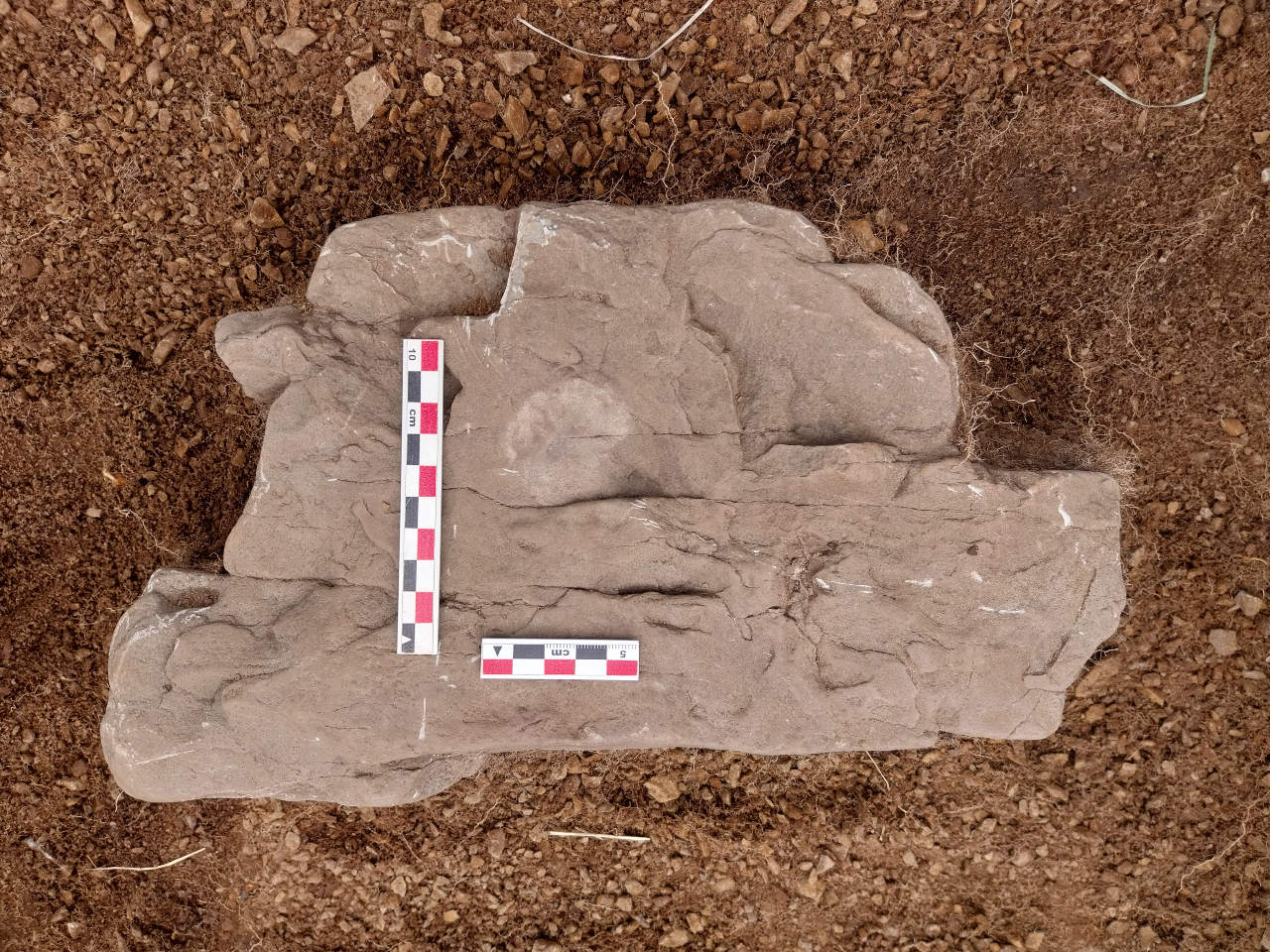
The coin was found atop a stone within the underground foundations of the settlement's first church. (Historic reports suggest there may have been more than one church.) González Díaz said all Spanish colonies in the New World were founded with similar ceremonies and that an account of the exact location was given in the writings of the Spanish navigator Pedro Sarmiento de Gamboa, who had placed the coin on the stone.
Many of the same researchers had used Sarmiento de Gamboa's writings to locate two bronze cannons at the site in 2019, and the latest find is further evidence of his accuracy, she said.
Sign up for the Live Science daily newsletter nowContact me with news and offers from other Future brandsReceive email from us on behalf of our trusted partners or sponsorsDoomed colony
The Spanish crown founded the Rey Don Felipe colony in 1584 in response to reports that the English privateer Francis Drake had used the Strait of Magellan to sail between the Atlantic and Pacific oceans in 1578. (The English were Spain's enemies at that time.)
The latest archaeological investigations of the site of the Rey Don Felipe colony began in 2019. (Image credit: Richard Bezzaza)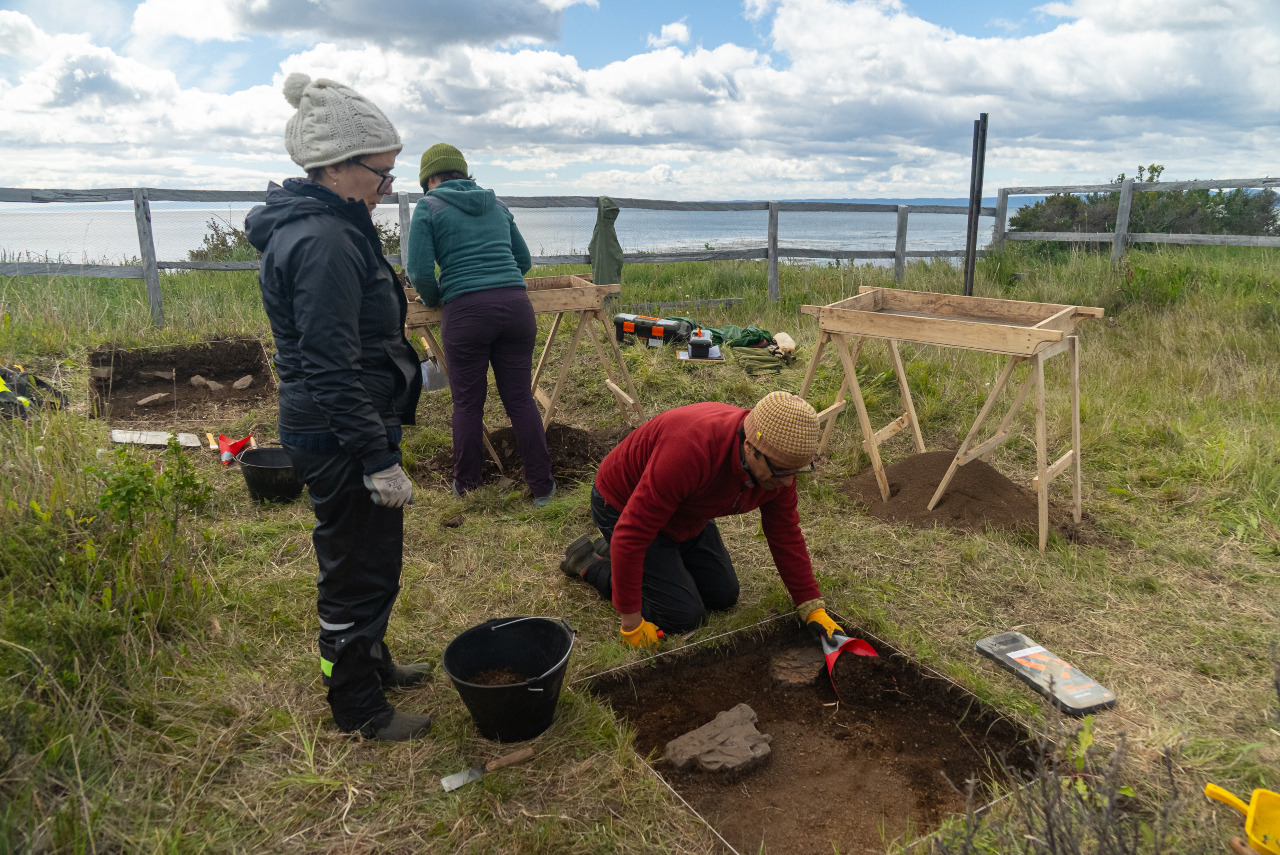
The strait had been navigated in 1520 by the Portuguese explorer Ferdinand Magellan, who was then sailing for Spain, and for many years, it was the only known passage to the Pacific. Spain claimed the land on both sides of the strait and hoped to fortify it so that enemies could not pass.
But the colony founded to support the fortifications — dubbed Ciudad del Rey Don Felipe, after the Spanish king Philip II — was a disaster. Most of its roughly 350 settlers died of disease, starvation and extreme cold within a few years of the colony's founding. Spain had tried to resupply the Rey Don Felipe colony. But the ships were wrecked by storms, and the whole idea was abandoned after Sarmiento de Gamboa was captured by the English in 1586. The crew of an English ship in 1587 reported that the colony was in ruins, with only a few survivors.
The colony was founded on the north side of the Strait of Magellan — now in southern Chile — in 1584, to prevent enemies from using the passage. (Image credit: Richard Bezzaza)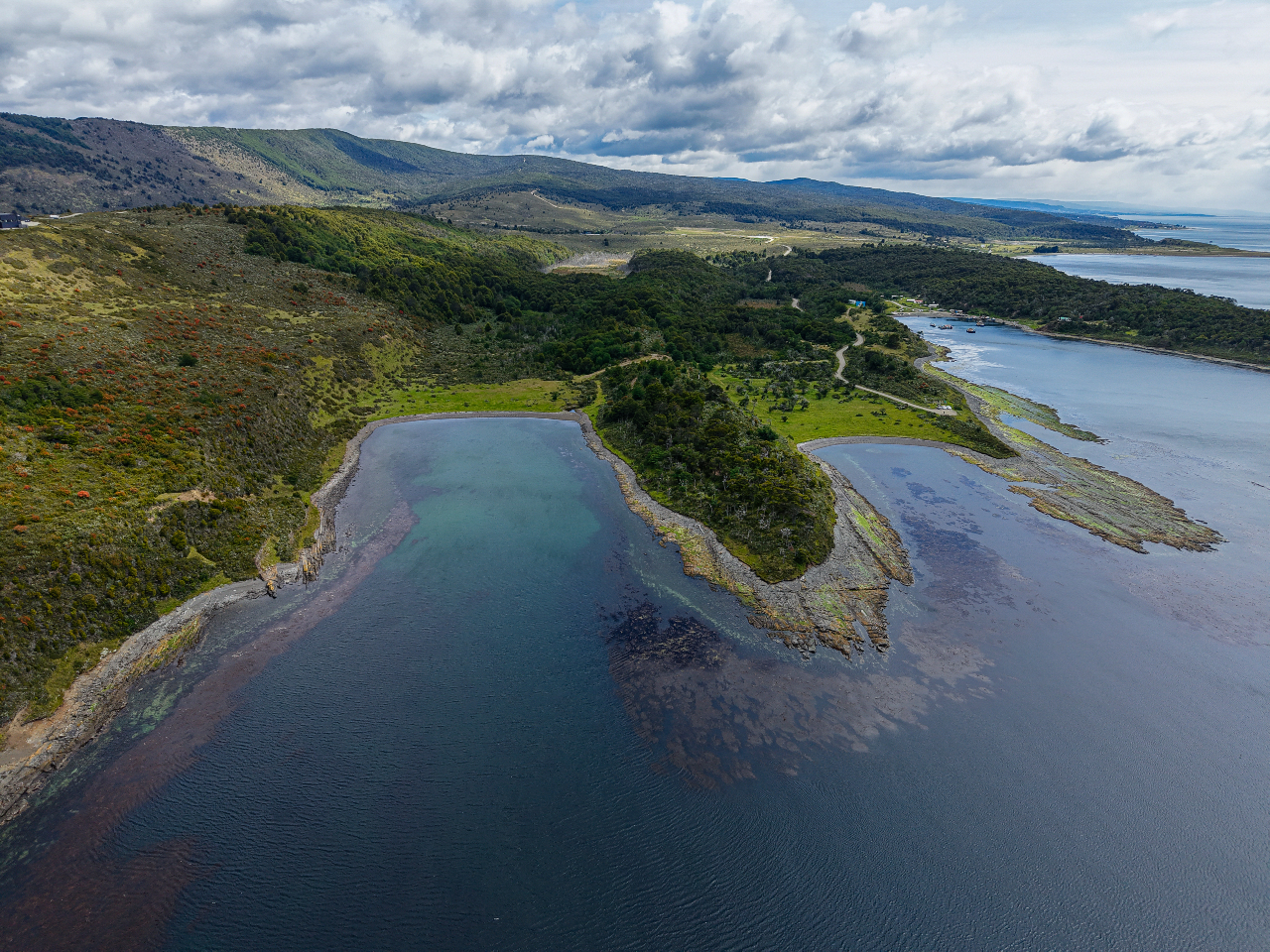
Historic find
In their investigations of the doomed settlement, archaeologists mapped it with metal detectors and geolocation instruments, which enabled the researchers to pinpoint the location of the underground stone and the coin, Francisco Garrido, an archaeologist at Chile's National Museum of Natural History in Santiago, told Live Science.
The location gave the team a better understanding of the 16th-century settlement's layout. "Now we can know for sure that this is the place where the church was located, and from there, it is easy to know where all the other structures were built," Garrido said.
Two bronze cannons from the doomed Rey Don Felipe colony were found at the site in 2019. (Image credit: Richard Bezzaza)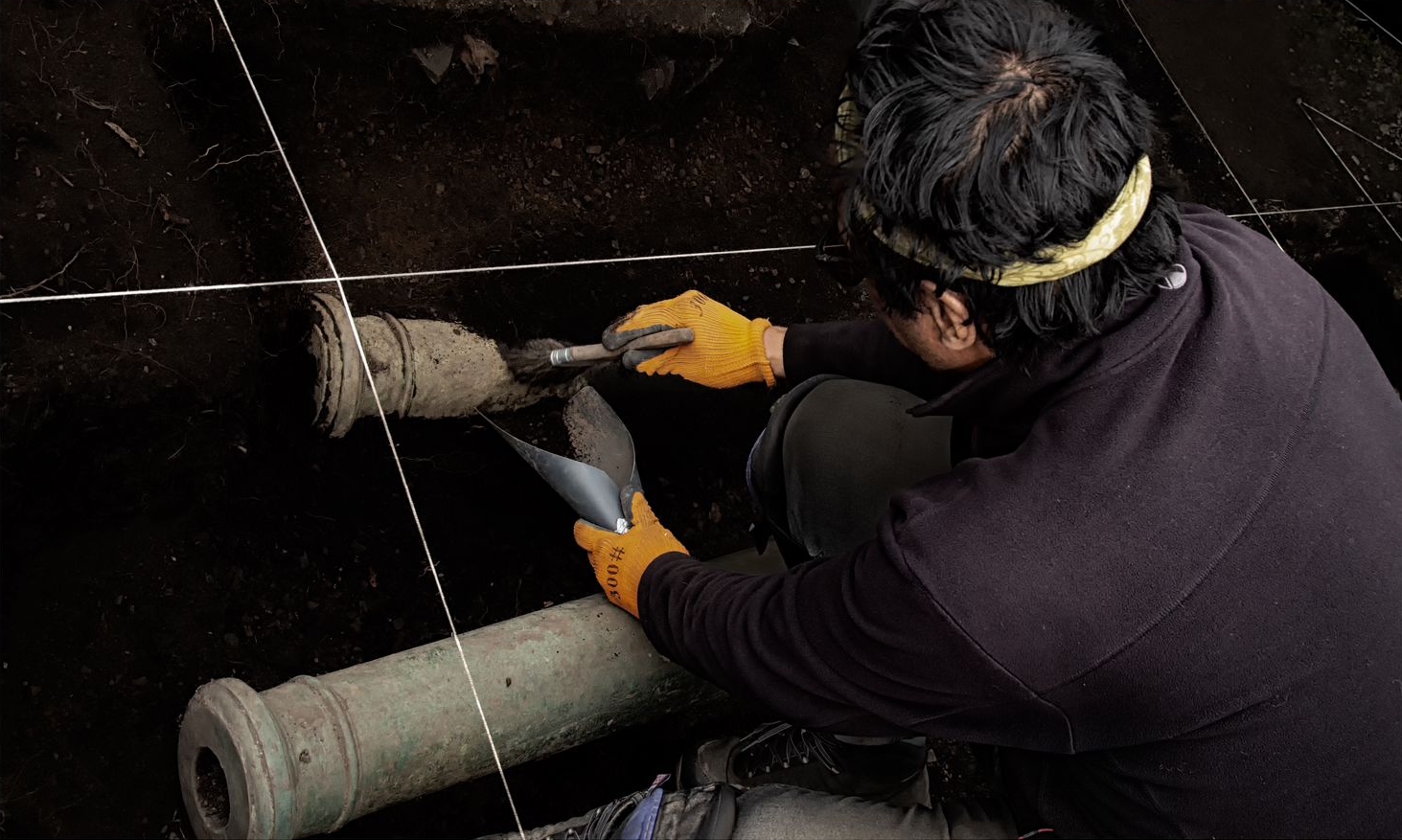
Another member of the research team, Southern University of Chile archaeologist Simón Urbina, told Live Science that the coin helped validate the map of the colony made by Sarmiento de Gamboa but that the other structures still need to be verified.
RELATED STORIES- 1,100-year-old mummy found in Chile died of extensive injuries when a turquoise mine caved in, CT scans reveal
- Drake Passage: The 'most dreaded bit of ocean on the globe' — where waves reach up to 80 feet
- Monte Verde, one of the earliest Indigenous sites in South America, is much younger than thought, study claims. But others call it 'egregiously poor geological work.'
"The evidence for huts, churches, and defensive palisades is not yet entirely clear or archaeologically confirmed," he said in an email, adding that further excavations are needed to confirm the existence of those structures.
The team's work showed that the site had been populated by Indigenous people both before and after the time of the colony, which suggested it was chosen by the Spanish in the hope they'd have a chance of surviving there.
But the Spanish quickly ran out of food. "The first winter must have taken a severe toll on the adult population that had arrived from Spain and was expected to hunt in an unfamiliar territory," Urbina said.
Tom MetcalfeLive Science ContributorTom Metcalfe is a freelance journalist and regular Live Science contributor who is based in London in the United Kingdom. Tom writes mainly about science, space, archaeology, the Earth and the oceans. He has also written for the BBC, NBC News, National Geographic, Scientific American, Air & Space, and many others.
View MoreYou must confirm your public display name before commenting
Please logout and then login again, you will then be prompted to enter your display name.
Logout LATEST ARTICLES 1Keratin may act as a 'brake' for skin inflammation, pointing to potential treatments
- 2How to see Comet PanSTARRS as it brightens in the night sky this week
- 3Woman's 'biologically implausible' infection led her to sneeze 'worms' out of her nose
- 4'In every continent where humans are present, water bankruptcy is manifesting itself': Exiled Iranian scientist Kaveh Madani on our desperate need to preserve our most precious resource
- 5'They are literally everywhere': The shocking story of how forever chemicals polluted the world