Many fail in the first year, and those that do often don’t even warn you there’s a problem
By Jonny Evans Nov. 8, 2026 4:45 pm EST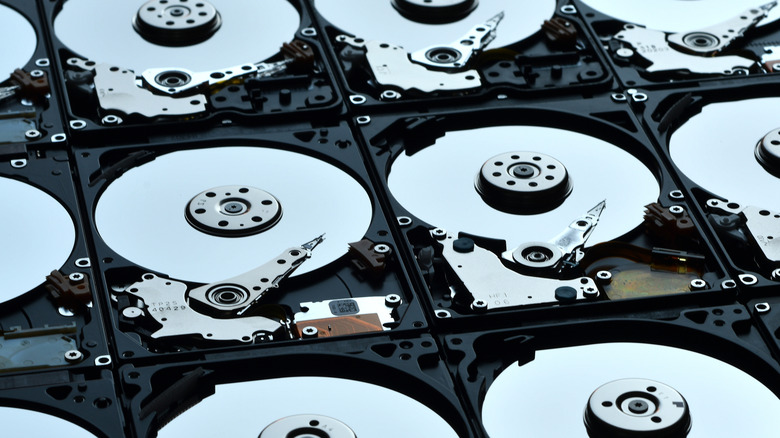 Dan74/Shutterstock Add Engadget on Google: Preferred Source Google Discover
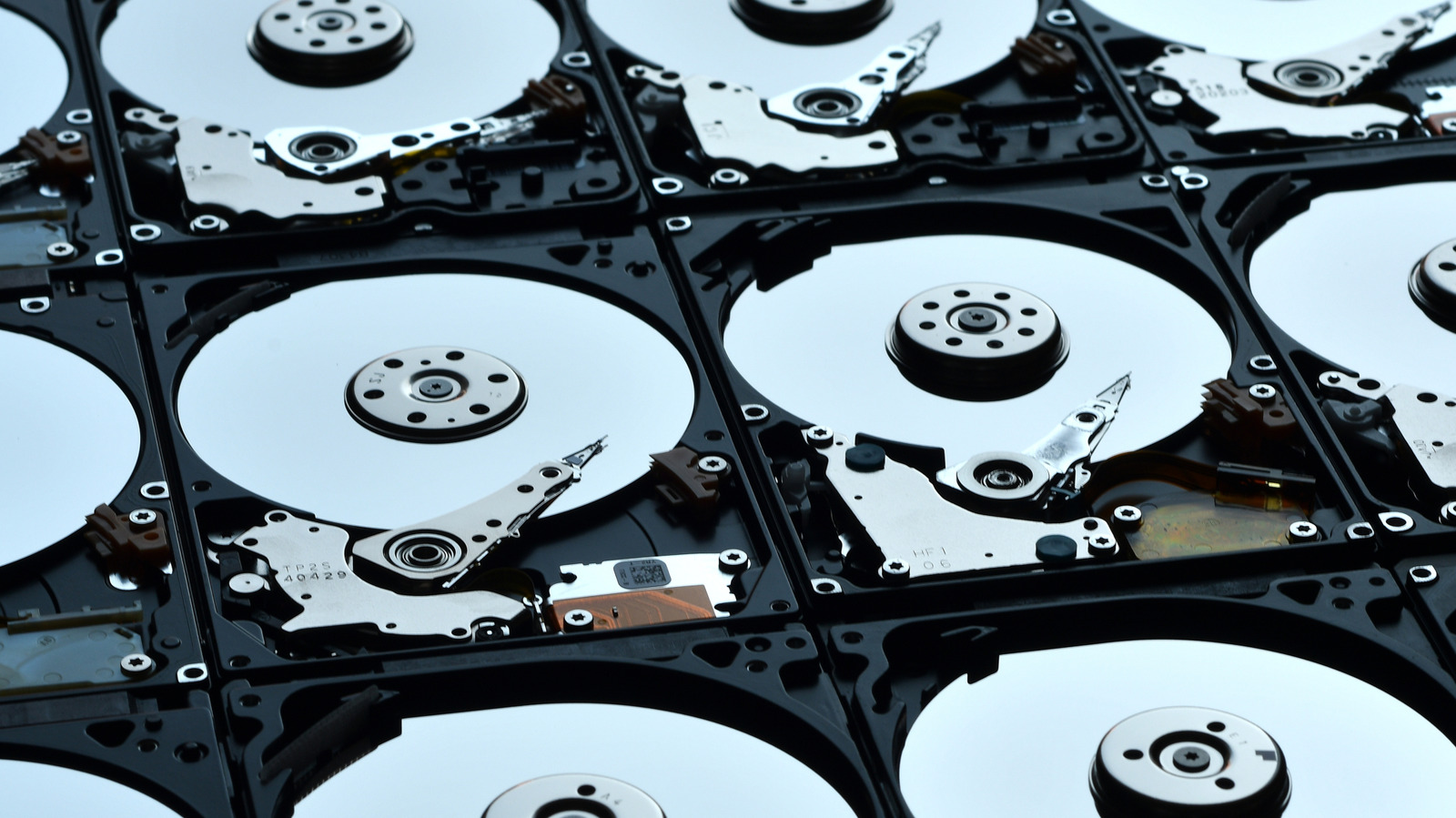
One problem with Hard Disk Drives (HDDs) is mechanical unpredictability. In other words, they can fail because of a factory defect in the first week or chug away quite happily until failing without warning once they get older.
Recent data from the cloud storage giant Backblaze shows roughly 1.5% of all HDDs fail and nearly half of those fail in year one. Additionally, 30% of those failed drives break down without warning. That data is based on its experience managing a huge fleet of over 350,000 storage drives.
These insights are confirmed by a Secure Data Recovery report based on what it learned working with drives that had already failed. As well as confirming similar failure rates, it claims HDDs last 807 days on average, though this only reflects those drives that had already failed.
What causes HDD failure?
 Georgeclerk/Getty Images
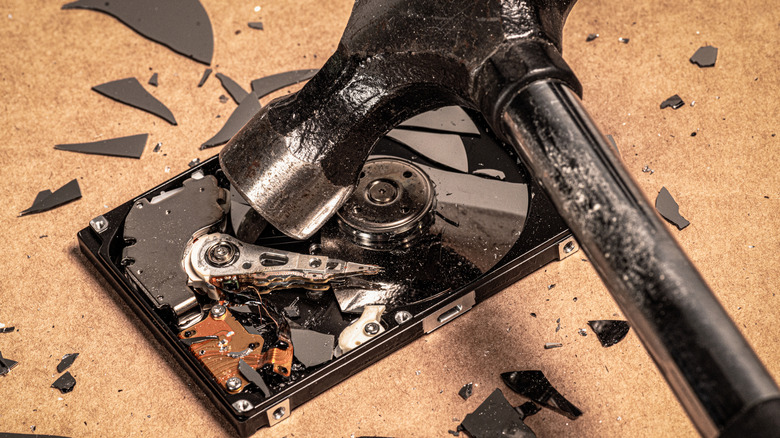
Failure can be a result of production defects, such as head misalignment or seized motors; accidents, such as power surges or drops; and damage to the drive's internal operating system. Backblaze has been sharing statistics about its hundreds of thousands of drives for years. Its data shows Seagate was the most mechanically reliable across the April-June 2026 period, though some models were more reliable than others. Drives from Hitachi, Seagate and Western Digital tend to lead in similar analyses of failure rates.
The trade-off for the mechanical risk inherent to HDDs is that this kind of storage remains significantly cheaper by GB than other storage media, particularly as demand from AI data centers pushes SSD (solid state drive) storage prices higher. Granted, one reason SSDs are such a success in the AI industry is because they're much faster than HDDs, making it possible for AI systems to work swiftly with very large data sets. Where cost matters more than performance, when it comes to high-capacity storage, the cost advantage is so significant that you can build RAID (Redundant Array of Independent Disks) systems based on HDDs for less than the cost of a single high-capacity SSD.
All the data confirms a connection between HDD failure rate and age, suggesting drives become more prone to fail once they reach seven years old. This implies that if you rely on HDDs in your workflow and need to keep your data, you should plan a replacement schedule for aging drives or invest in additional storage solutions, such as cloud.
Is HDD still worth it in 2026?
Bad as they seem, these failure rates aren't unexpected and can be seen as reflective of the technology itself. One of the reasons Apple pioneered use of SSDs in consumer devices was their relative durability compared to HDDs.
Will HDD technology evolve to become more resilient? The technology is advancing, but the vast majority of drives rely on CMR (Conventional Magnetic Recording) tech, which provides predictable performance. Backblaze is monitoring emerging HDD technologies such as SMR (Shingled Magnetic Recording) and laser-heated HAMR (Heat-Assisted Magnetic Recording) but doesn't currently use any. This suggests the next evolution of HDD tech isn't with us yet.
In the end, you must craft your setup to prepare for failure. Tech pundits have argued for years that we should be combining cloud, local and off-site storage systems to properly secure data against theft, fire and mechanical failure. If you're currently using HDD storage, don't drop it; use these tips to monitor its condition and invest in supplemental storage to guarantee data integrity.