 Artemis 2's "Integrity" spacecraft photographed while being recovered from the Pacific Ocean. (Image credit: NASA) Jump to:
 - 1 - A crew with their moon rocket
- 2 - Readying for flight
- 3 - Launching to the moon
- 4 - A view of Earth from space
- 5 - Incredible Orion selfies
- 6 - Earthset
- 7 - The far side of the moon
- 8 - Earthrise from around the moon
- 9 - A total solar eclipse from space
- 10 - Eclipse safety in space
- 11 - A group hug felt around the world, from space
- 12 - Earth looms large in Orion's window
- 13 - Return from the moon
- 14 - Splashdown
- 15 - Pulling Orion from the sea
- 16 - Journey's end
Breaking space news, the latest updates on rocket launches, skywatching events and more!
Contact me with news and offers from other Future brands Receive email from us on behalf of our trusted partners or sponsors By submitting your information you agree to the Terms & Conditions and Privacy Policy and are aged 16 or over.You are now subscribed
Your newsletter sign-up was successful
Want to add more newsletters?
An account already exists for this email address, please log in. Subscribe to our newsletterNASA's historic Artemis 2 mission around the far side of the moon officially ended on April 10, as astronauts Reid Wiseman, Victor Glover, Christina Koch and Jeremy Hansen's Orion spacecraft splashed down safely in the Pacific Ocean, having survived the fires of re-entry.
The 10-day mission saw humans return to lunar space for the first time since Apollo 17 visited the moon over five decades ago, and broke the record for the most distant crewed spaceflight in the history of human space exploration. Christina Koch, meanwhile, became the first woman to travel beyond low Earth orbit and see the far side of the moon, while Victor Glover became the first person of color to witness its barren beauty up close.
Article continues below1 - A crew with their moon rocket
The crew of Artemis 2 pictured days before the launch of their historic moon mission. (Image credit: NASA/Bill Ingalls)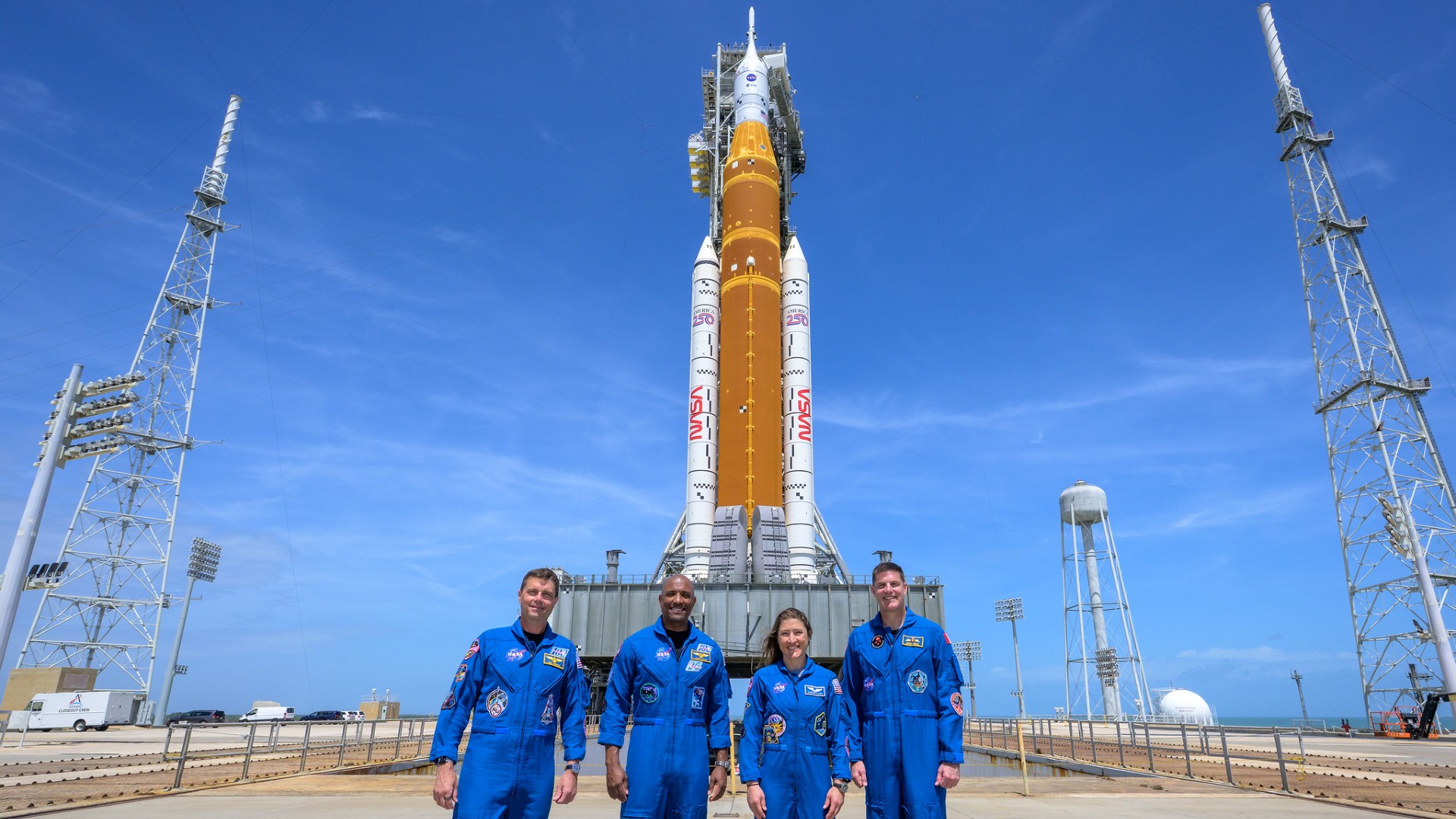
Days before launch, the Artemis 2 crew posed in front of their Space Launch System rocket as it waited upright at Launch Complex 39B at NASA's Kennedy Space Center in Florida.
2 - Readying for flight
Artemis 2 astronauts suit up mere hours ahead of launch. (Image credit: NASA)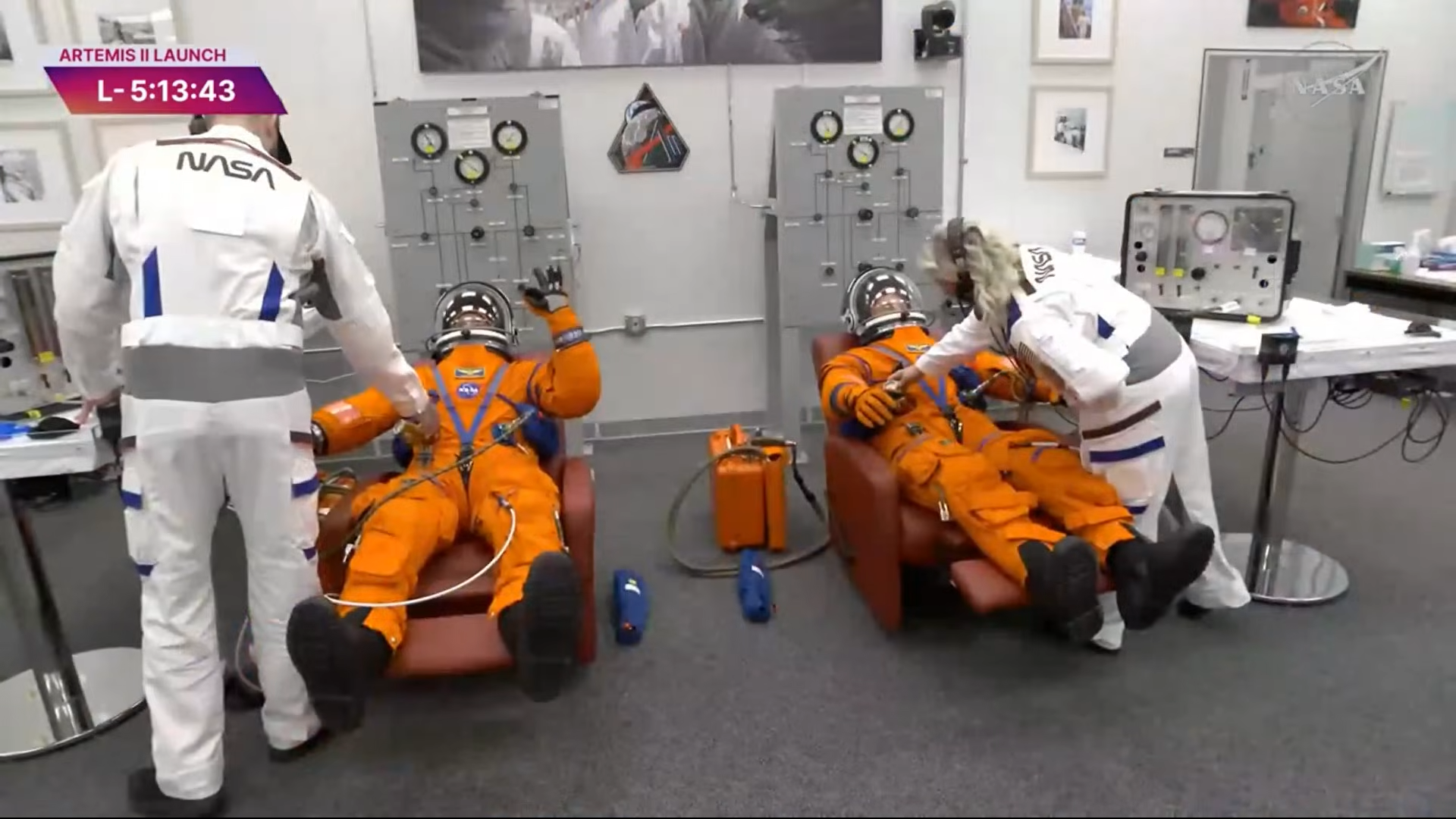
This candid shot shows Artemis 2 astronauts dressed in their orange Orion Crew Survival System spacesuits, which are designed to protect the crew during ascent through Earth's atmosphere and upon re-entry. The fashionable orange color was selected in part to help recovery crews spot the astronauts in the ocean should they ever need to exit Orion without the aid of divers, while the helmet is lighter and more durable than any previous flight suit.
3 - Launching to the moon
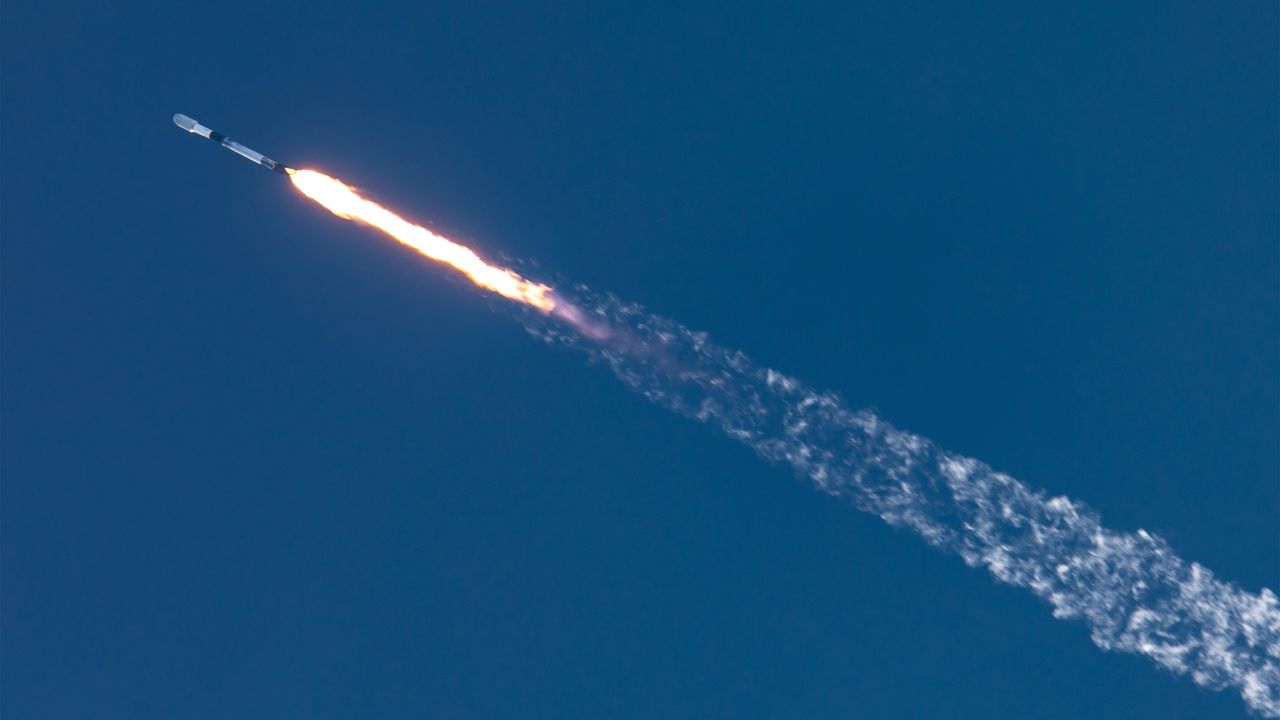
NASA's Artemis 2 Space Launch System rocket takes flight. (Image credit: NASA/Joel Kowsky)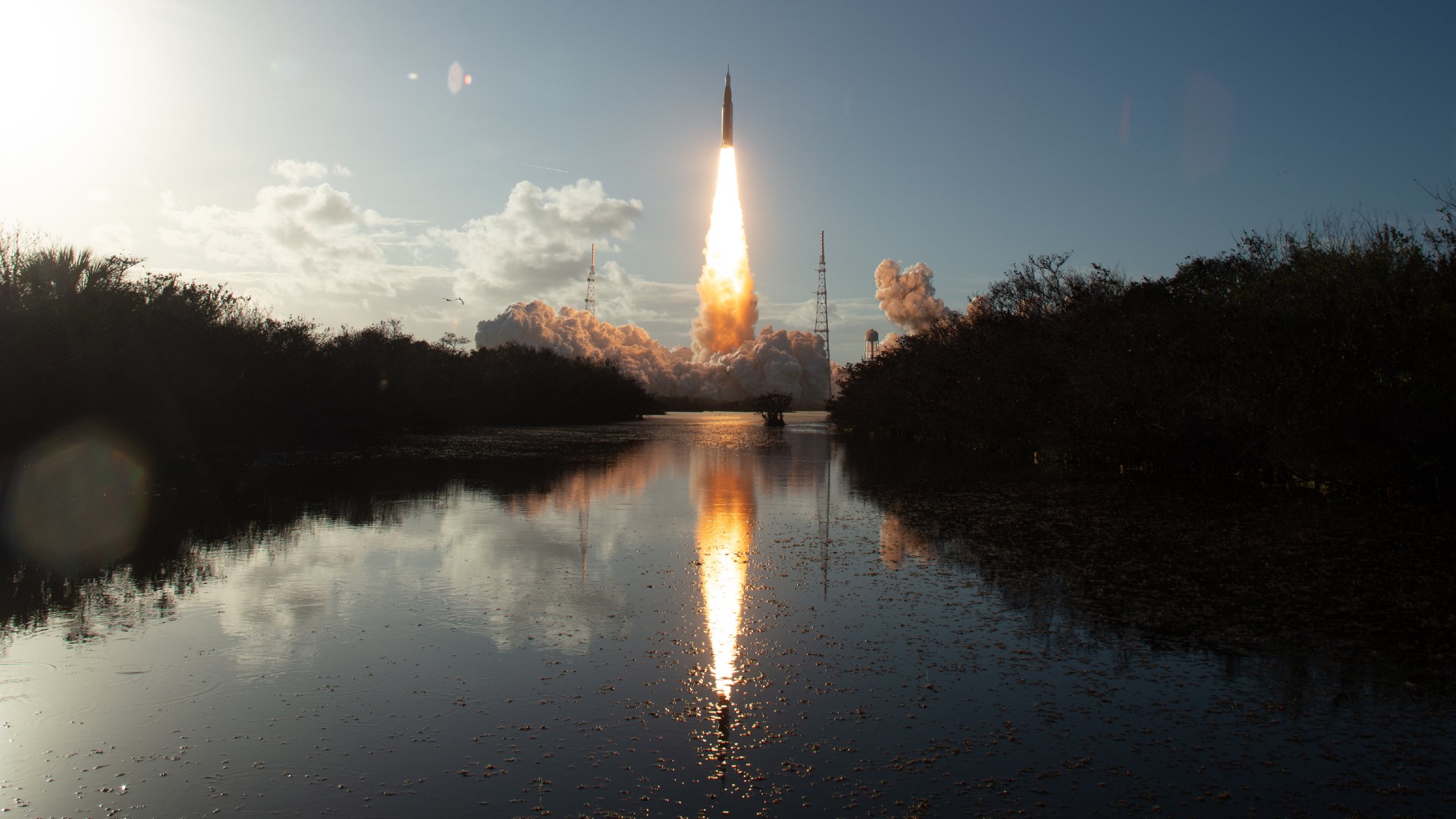
Artemis 2's colossal moon rocket slipped the surly bonds of Earth at 6:35 p.m. EDT (2235 GMT) on April 1, blasting into the skies above NASA's Kennedy Space Center, in Florida, to open a new era of crewed spaceflight, which could one day see American boots return to the lunar surface, this time to stay.
4 - A view of Earth from space
A view of Earth captured from an Orion spacecraft window. (Image credit: NASA)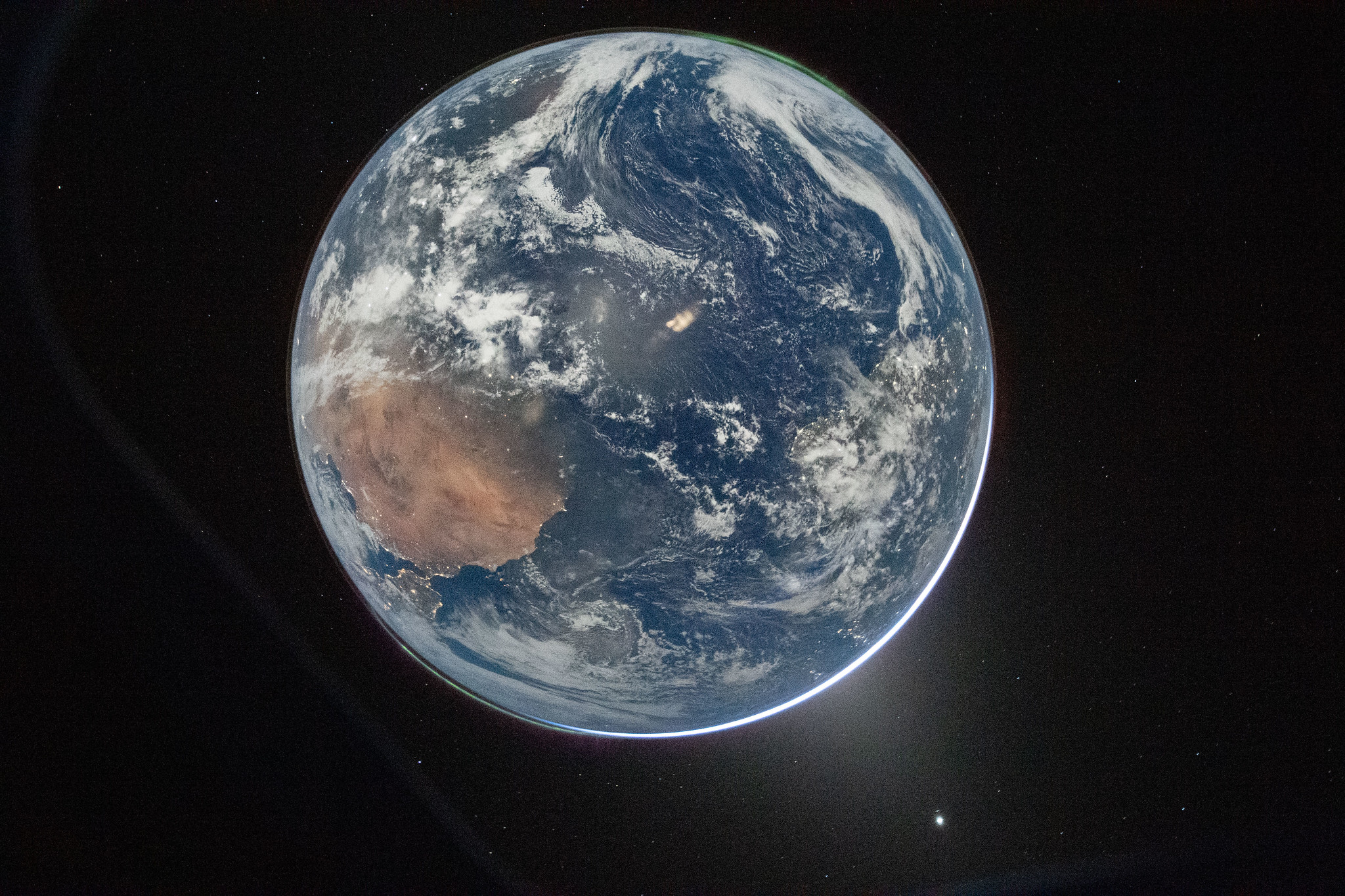
This photo of Earth was captured by Artemis 2 mission commander Reid Wiseman on Flight Day 2 of the 10-day mission, shortly after the Orion spacecraft executed its translunar injection burn to set it on a course for the far side of the moon. Auroras can be seen shining at the top and bottom of Earth's disk, while a flare of zodiacal light is visible to the lower right, where sunlight caught dust particles spread throughout the plane of the ecliptic.
Get the Space.com NewsletterContact me with news and offers from other Future brandsReceive email from us on behalf of our trusted partners or sponsors5 - Incredible Orion selfies
Artemis 2 astronaut Christina Koch smiles with the zero-gravity indicator "Rise" in an Orion spacecraft selfie. (Image credit: NASA)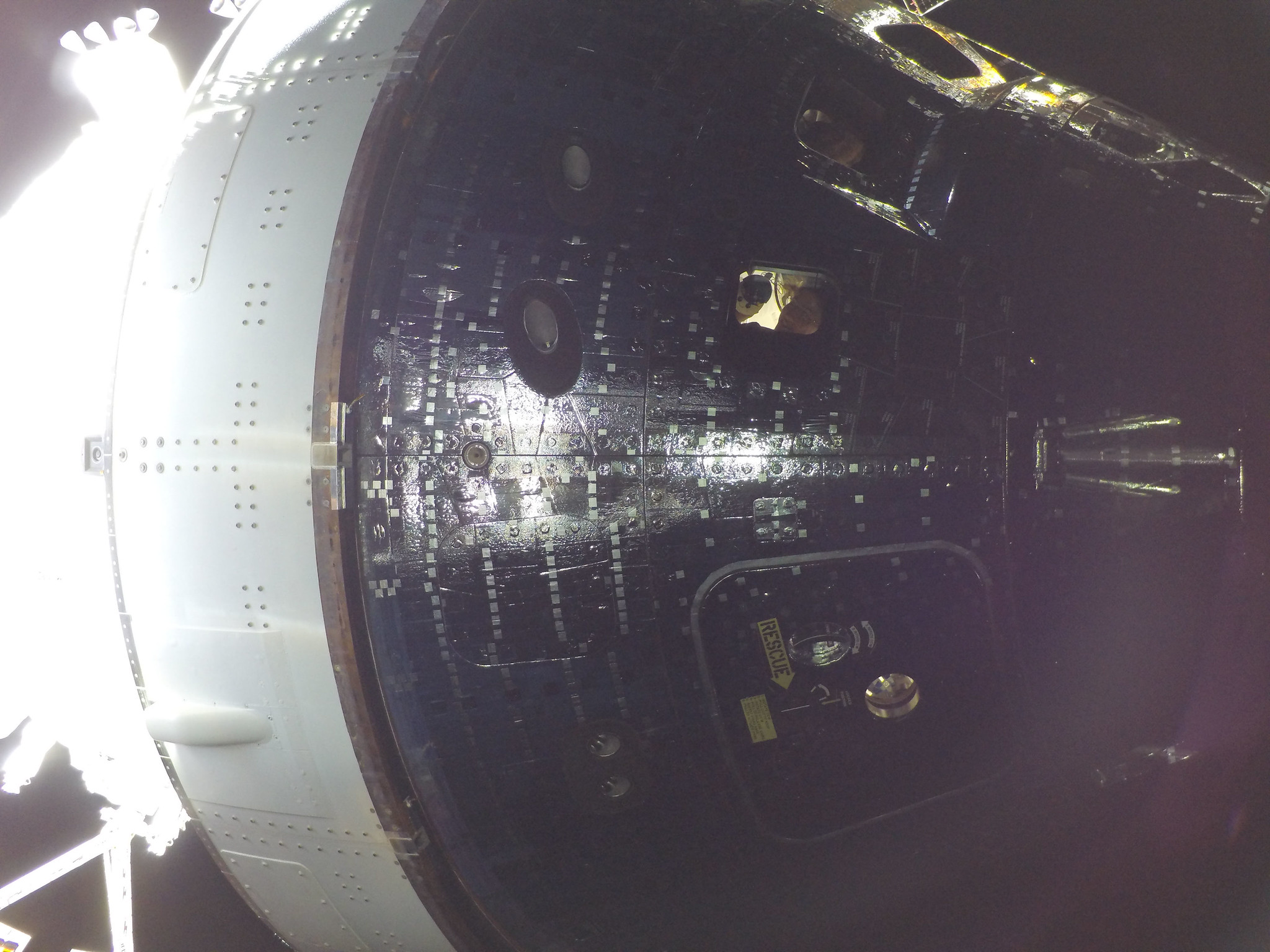
Christina Koch was also caught photobombing in the window of an out-of-this-world Orion spacecraft selfie alongside the zero-gravity indicator Rise on that same day! The photo was captured using a modified GoPro camera attached to one of Orion's four solar panels, which power the spacecraft by converting sunlight into usable electricity.
6 - Earthset
"Earthset" captured on Flight Day 6 of the Artemis 2 mission to the moon. (Image credit: NASA)The Artemis 2 crew were able to capture a gorgeous image of Earth setting behind the lunar horizon during their historic flyby of the moon's far side. White clouds can be seen swirling across the illuminated crescent of Earth's disk encompassing Australia and Oceana, as the cratered lunar surface stretches out beneath.
Artemis 2 watches Earth set behind the lunar horizon. (Image credit: NASA)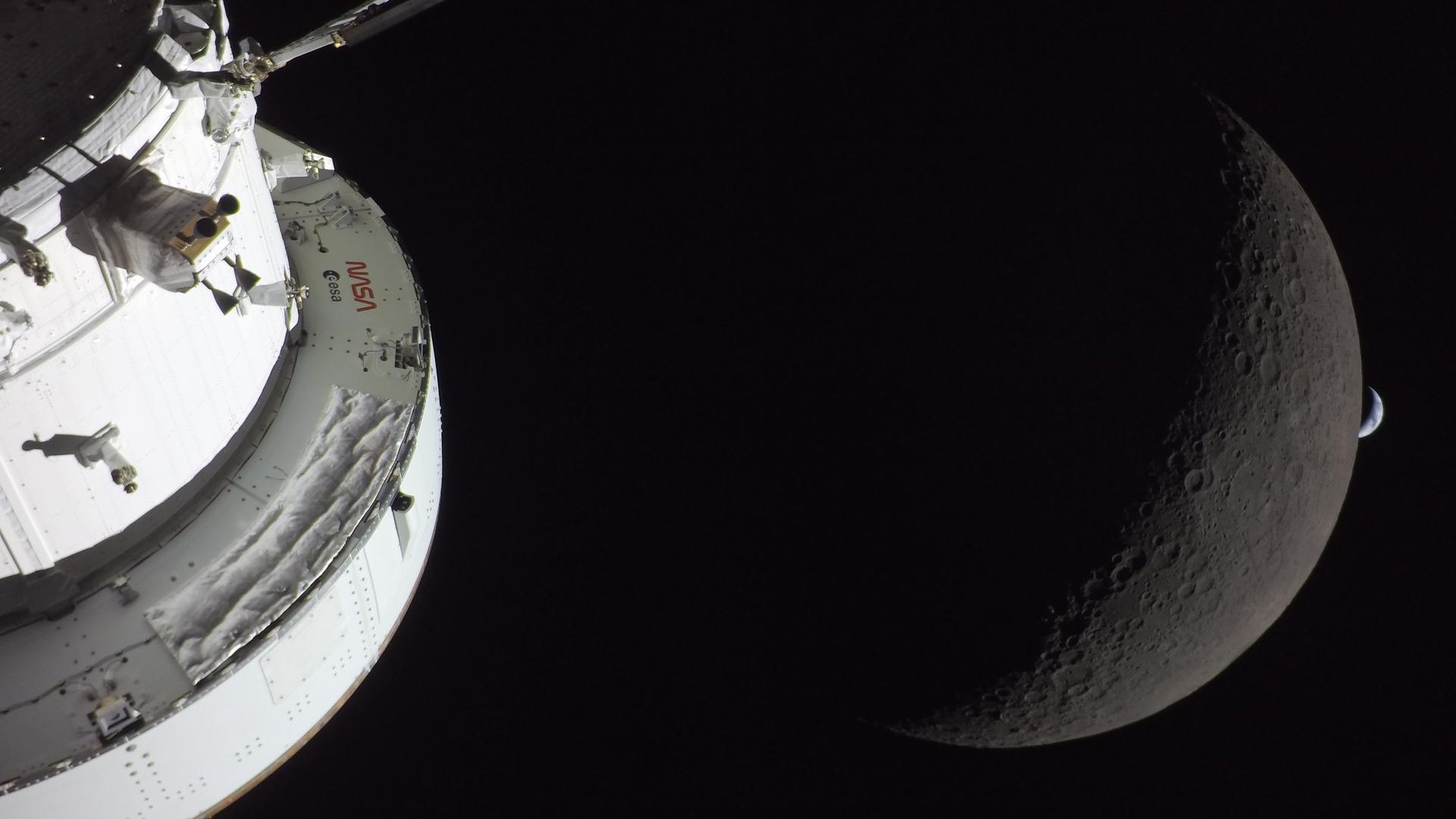
This wide-angle view of Earthset was captured using one of the solar-panel-mounted GoPro cameras. The white mass of the Orion spacecraft's service module dominates the left side of the image, festooned with attitude control thrusters, solar panels and, of course, NASA's red "worm" logo, alongside that of its partner, the European Space Agency, which designed and built the module.
7 - The far side of the moon
The far side of the moon, captured by the crew of Artemis 2. (Image credit: NASA)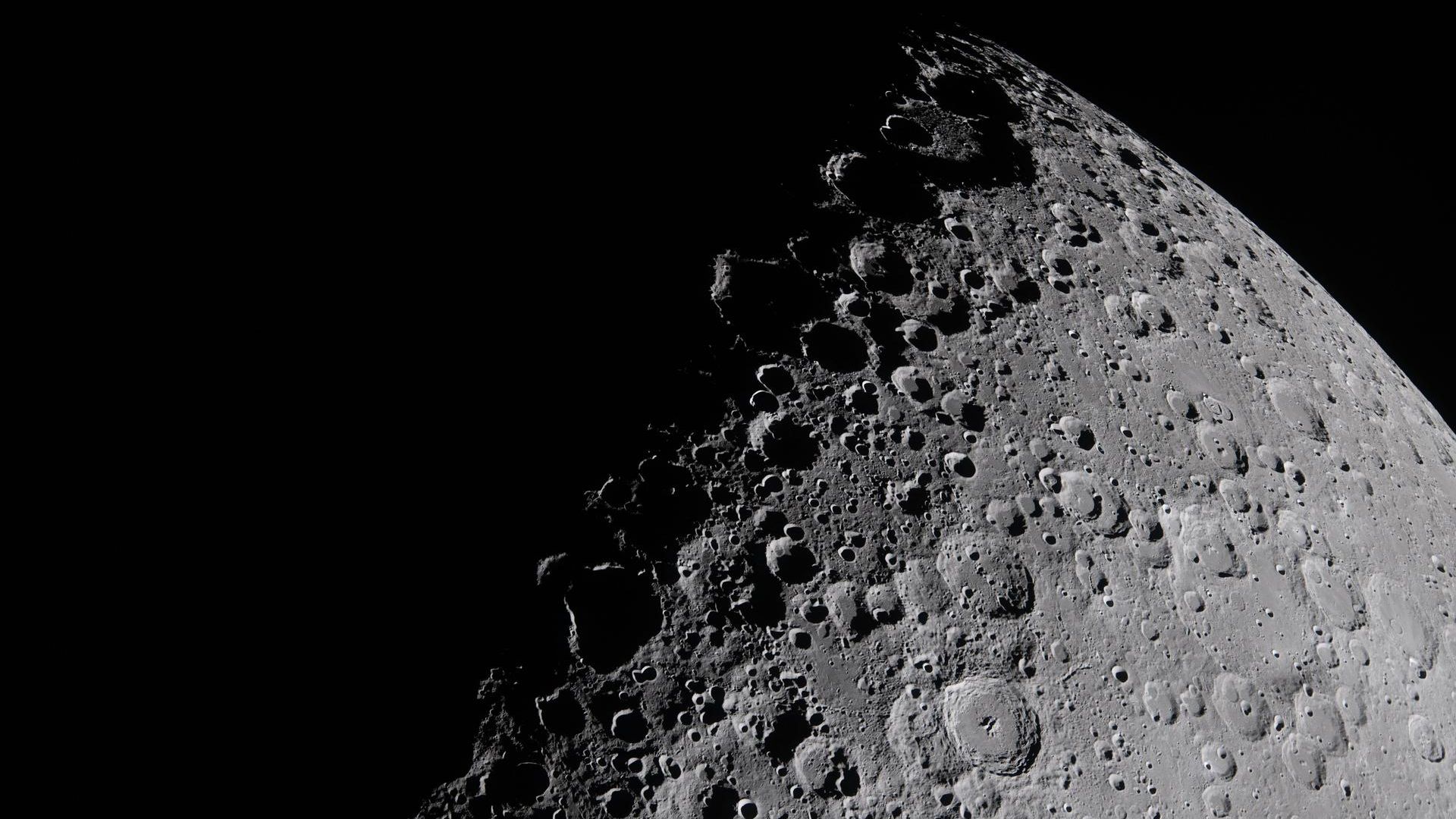
This photo of the far side of Earth's moon was captured on Flight Day 6, roughly three hours into the crew's lunar observation period, according to NASA. On this day, the astronauts took the opportunity to name one previously unobserved crater after Reid Wiseman's late wife Carroll, and another after their Orion spacecraft, Integrity. They also observed multiple impact flashes as micrometeoroids collided with the lunar surface, which were greeted by "audible screams of delight" by NASA scientists.
8 - Earthrise from around the moon
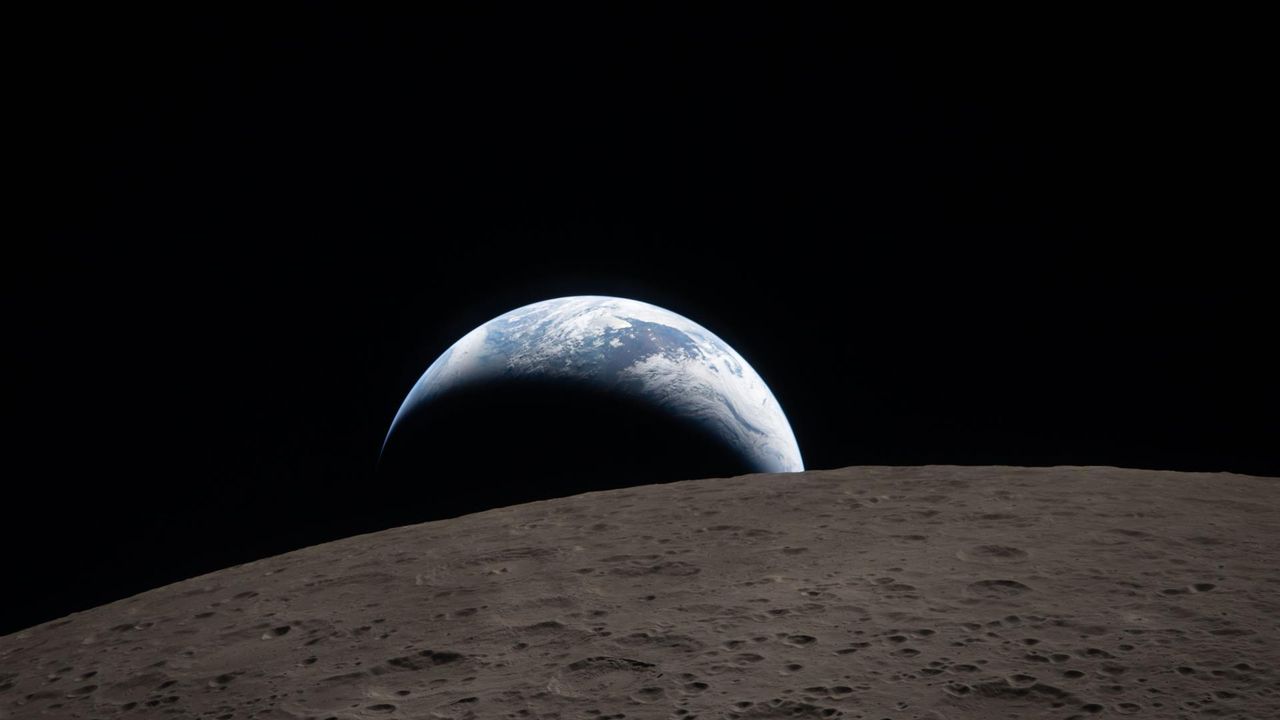
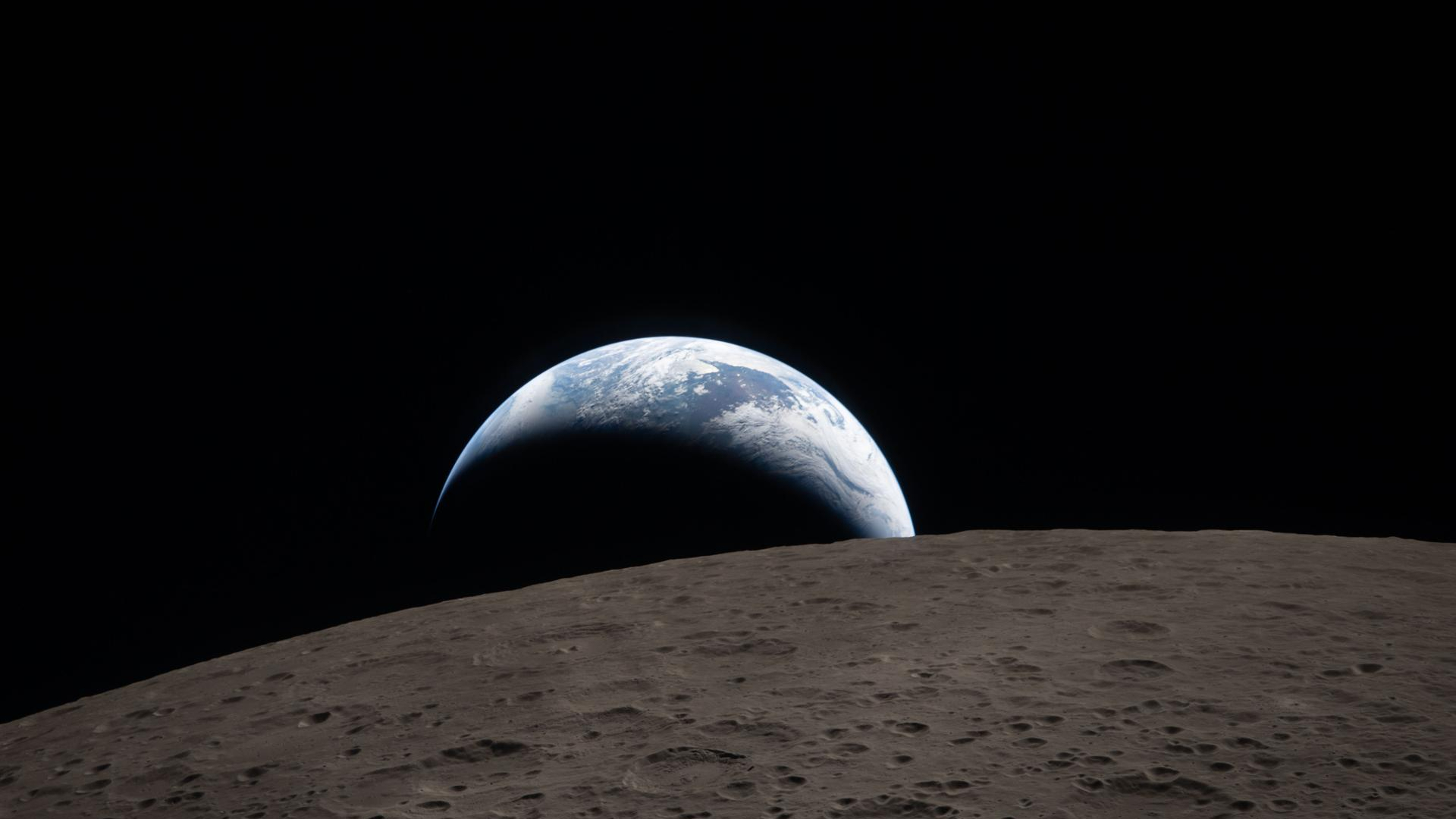
A crescent Earth is pictured emerging from behind the night side of the moon by the Artemis 2 crew. (Image credit: NASA)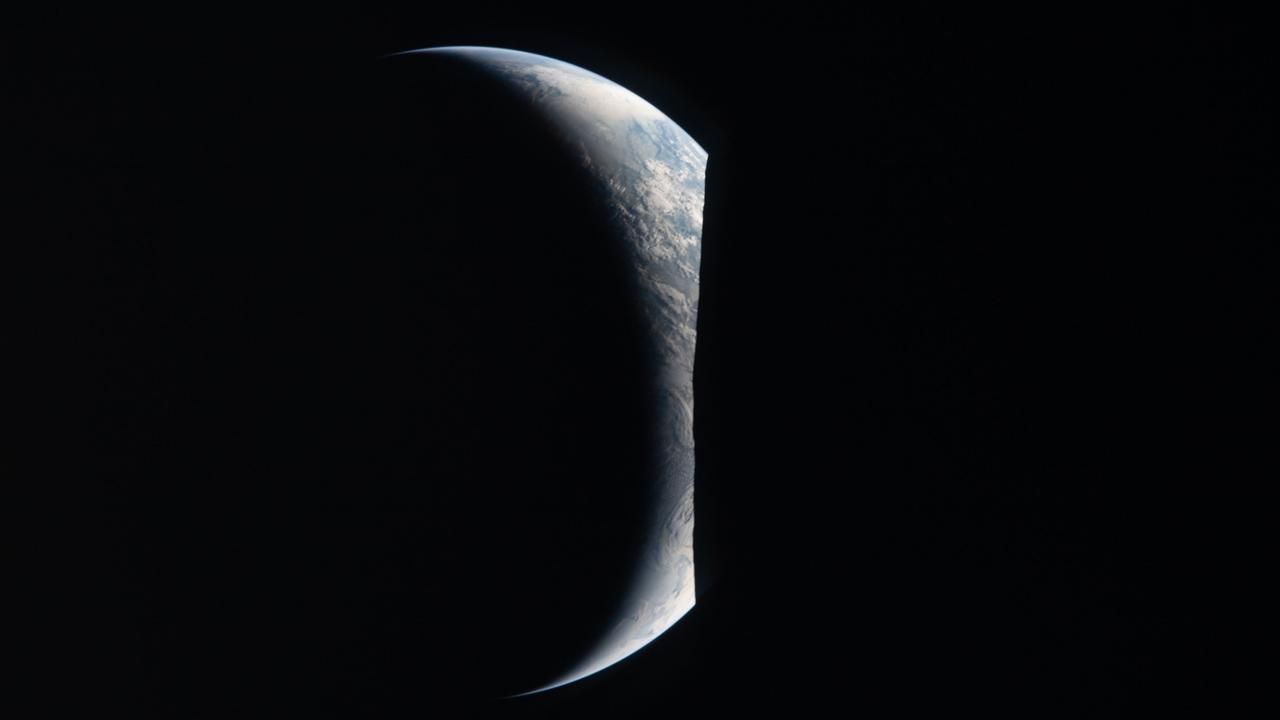
The astronauts were able to see a crescent Earth emerge from behind the night side of the moon at the tail end of their flyby of the lunar far side. The shot is a fascinating reverse of the historic "Earthrise" image captured by Apollo 8 astronaut Bill Anders during the first mission to orbit Earth's natural satellite.
9 - A total solar eclipse from space
A total solar eclipse captured soon after the flyby of the lunar far side. (Image credit: NASA)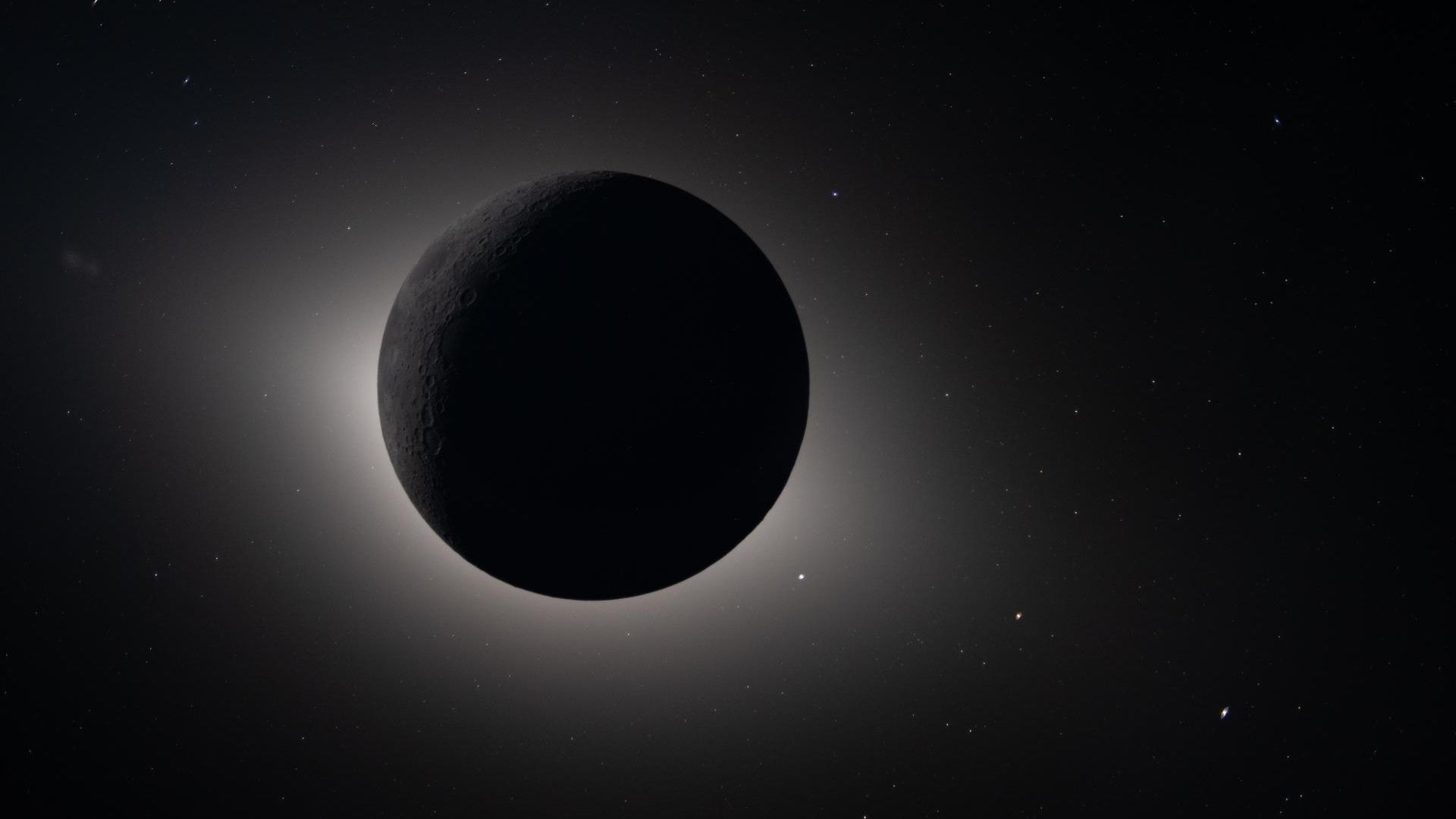
Soon after their lunar flyby, the astronauts of Artemis 2 witnessed a total solar eclipse as the sun passed behind the lunar disk. The brighter crescent visible on the left side is created by a phenomenon called "Earthshine", wherein sunlight reflects off our planet's atmosphere to strike the moon.
10 - Eclipse safety in space
The Artemis 2 crew wear eclipse glasses to protect their vision during a total solar eclipse. (Image credit: NASA)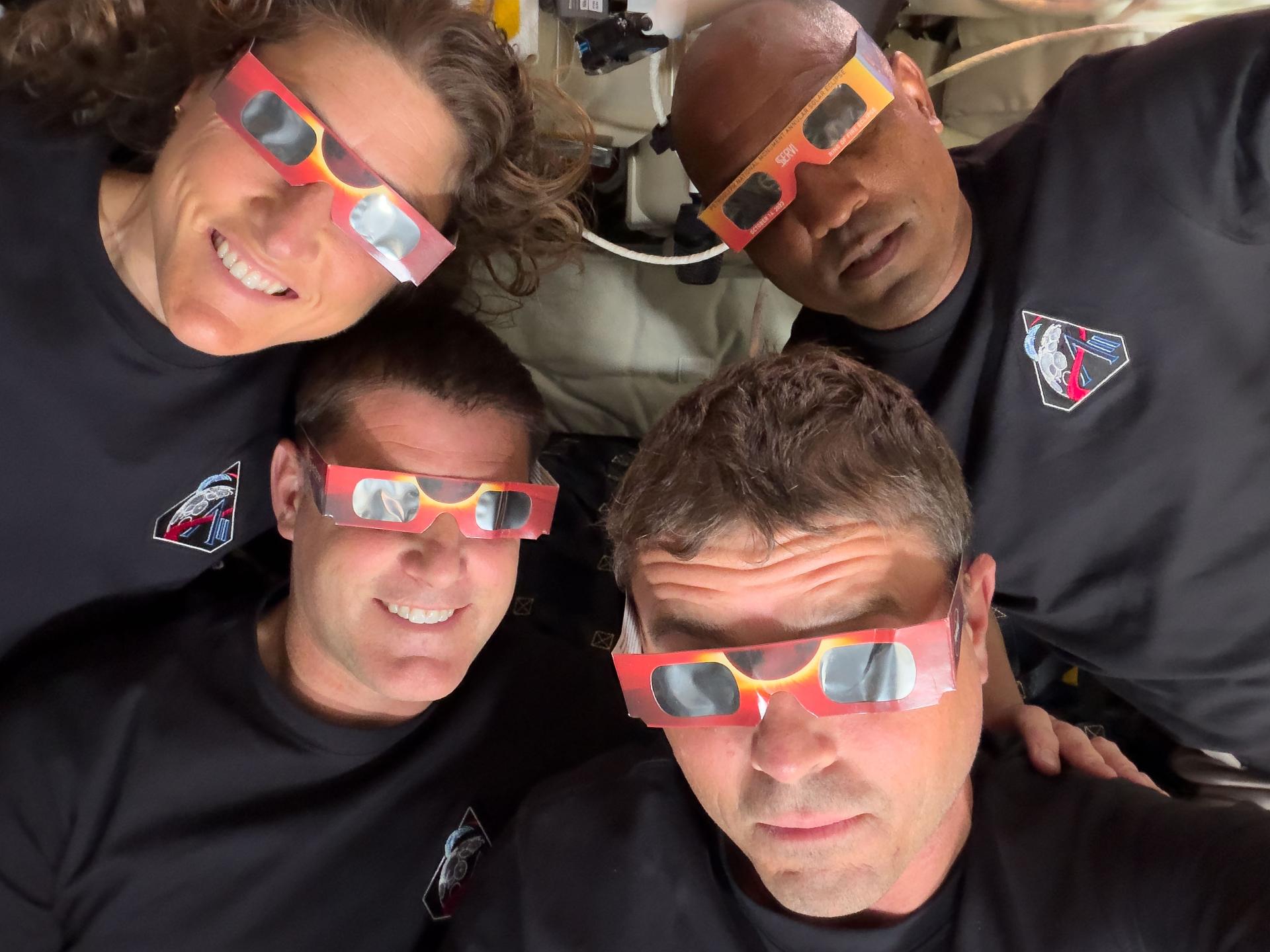
Here the Artemis 2 astronauts can be seen wearing eclipse glasses to protect their eyes as the lunar disk swept over the face of our parent star — after all common sense doesn't stop at the atmosphere's edge.
11 - A group hug felt around the world, from space
An astronaut group hug. (Image credit: NASA)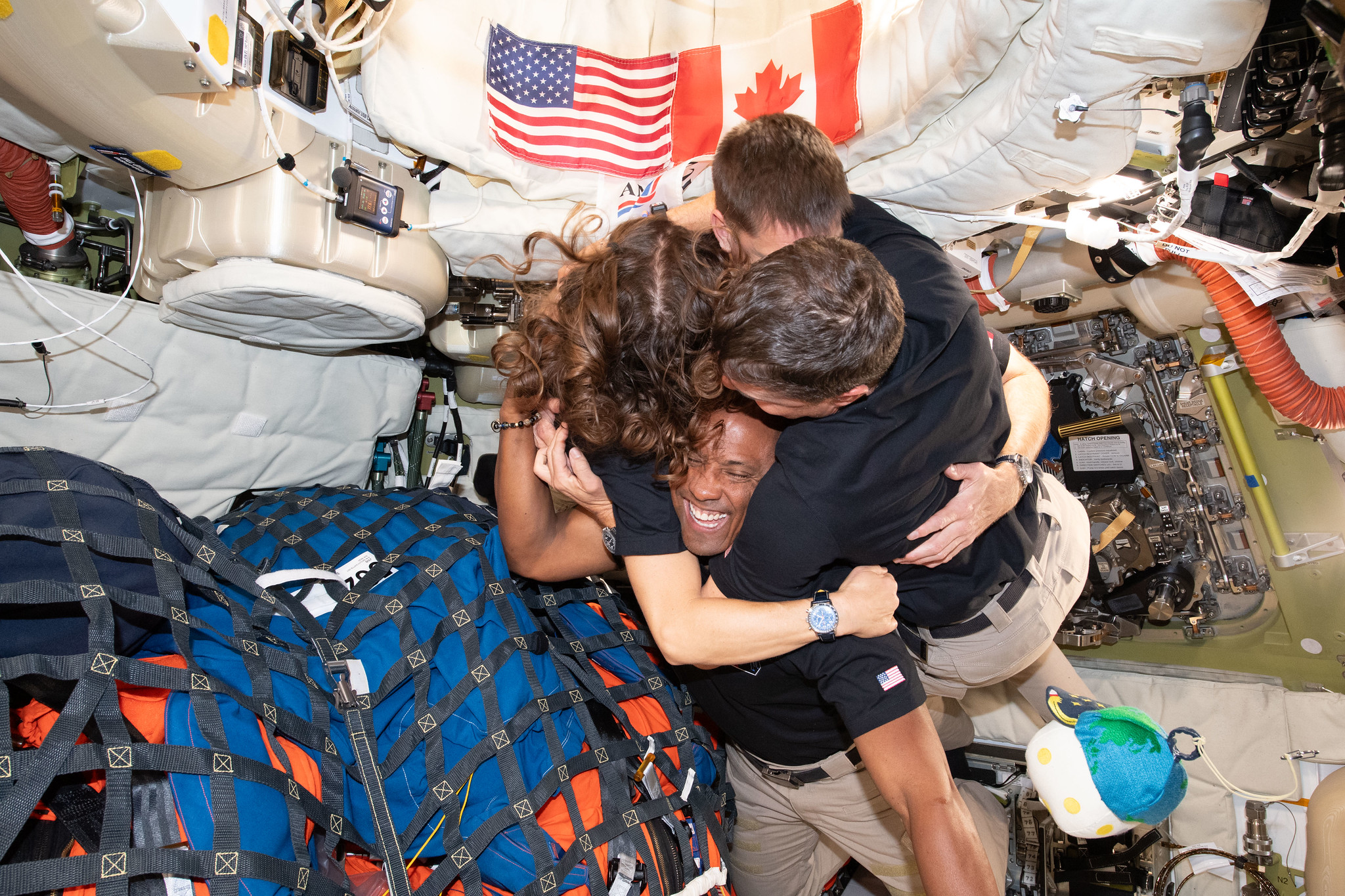
The crew of Artemis 2 share a group hug on Flight Day 7 of their 10-day journey, a day after completing their successful flyby of the lunar far side. By then, Orion had travelled beyond the lunar sphere of influence, where the moon's gravitational pull is stronger than that of the Earth.
12 - Earth looms large in Orion's window
An image of Earth captured as Orion neared re-entry on April 10. (Image credit: NASA)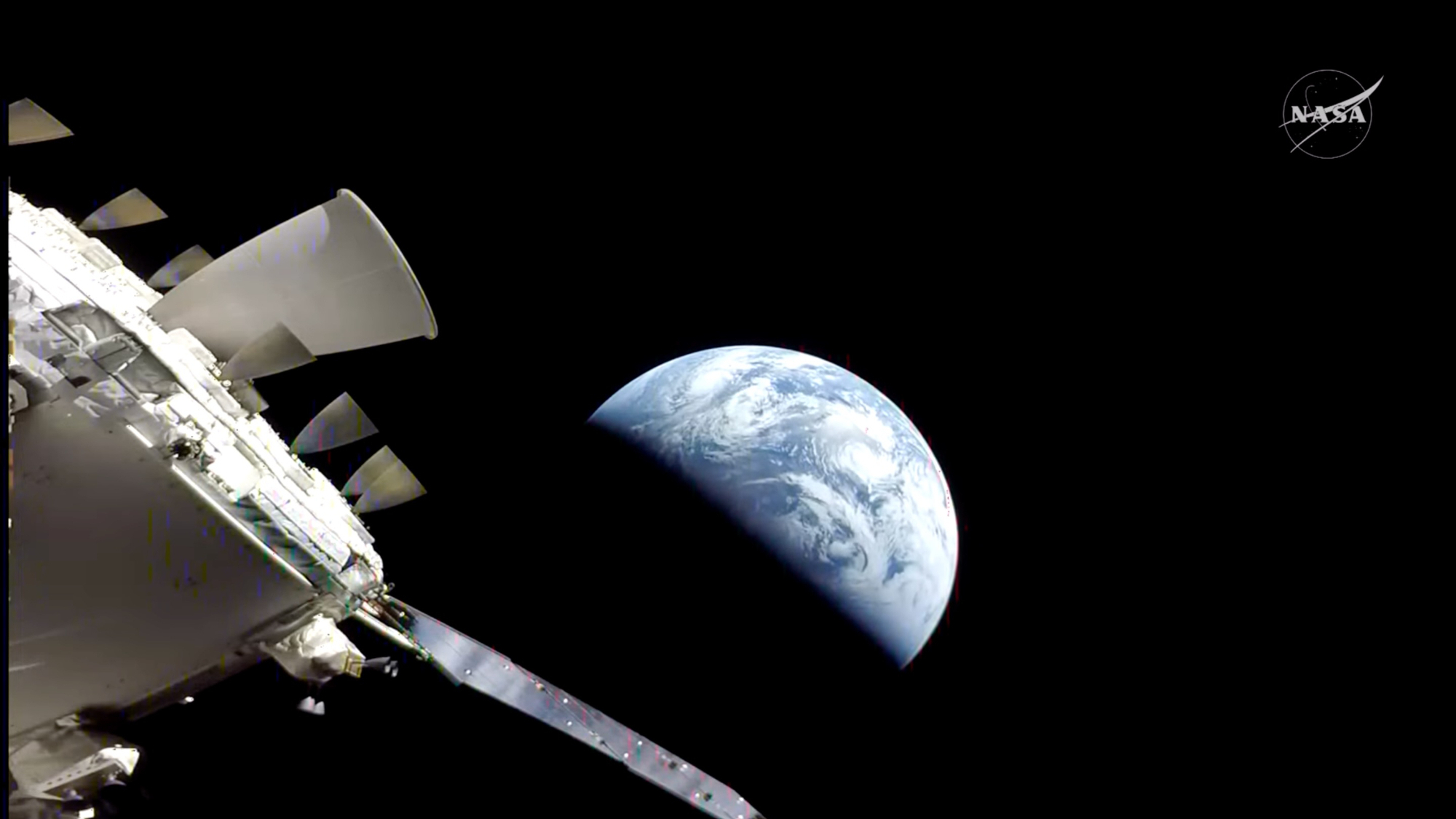
Earth steadily grew larger in Orion's window in the days that followed, as the spacecraft accelerated dramatically towards our Blue Marble while held tightly in its gravitational embrace. This image was taken from the NASA livestream on April 10 from one of Orion's solar-panel-mounted GoPros, mere hours before re-entry.
13 - Return from the moon
The Artemis 2 spacecraft descends under parachutes. (Image credit: NASA)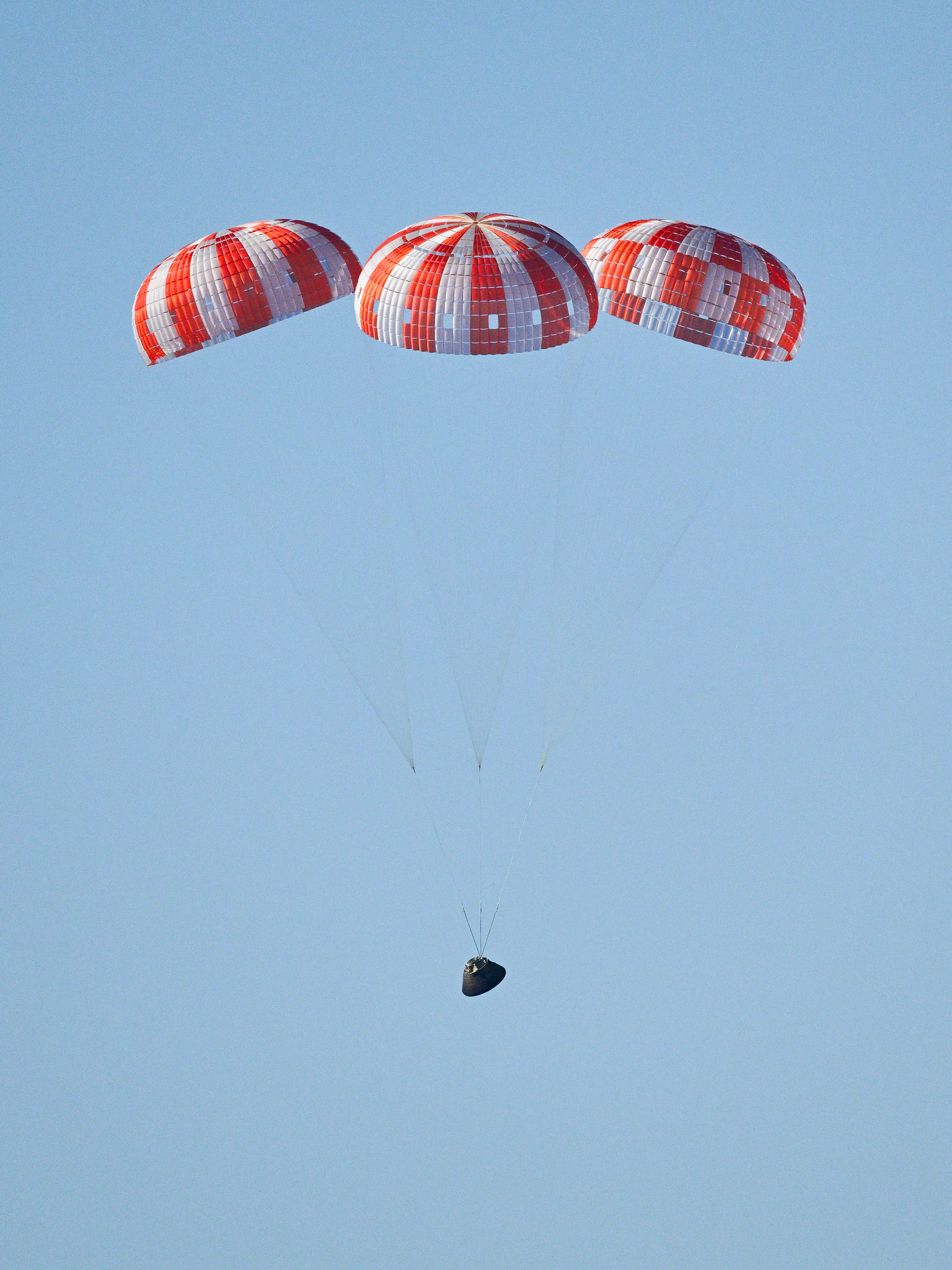
Having journeyed to the moon and back, Artemis 2's Orion capsule descended safely under parachutes. Minutes before, the capsule and its crew had faced the fires of re-entry — and with it a brief loss of communications — following weeks of speculation on the durability of their all important heat shield.
14 - Splashdown
Integrity splashes down safely in the Pacific Ocean under deployed parachutes. (Image credit: NASA)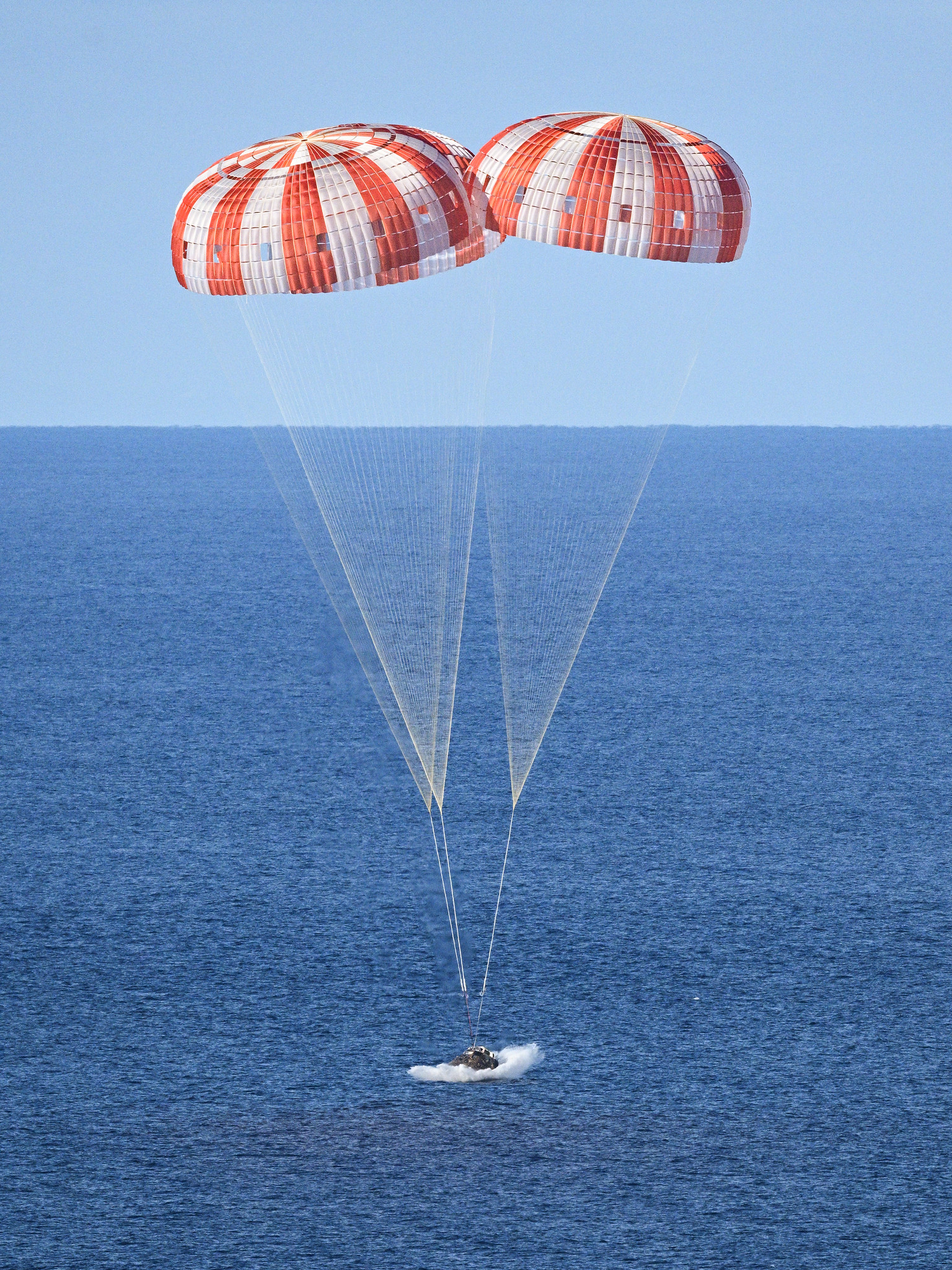
Artemis 2's Orion spacecraft "Integrity" splashed down safely in the Pacific Ocean off the coast of San Diego at 8:07 p.m. EDT on April 10 (0007 GMT on April 11). The capsule was swiftly surrounded by helicopters and fast boats deployed from the USS John P. Murtha amphibious transport ship.
15 - Pulling Orion from the sea
Orion makes its way to the recovery ship USS John P. Murtha. (Image credit: NASA)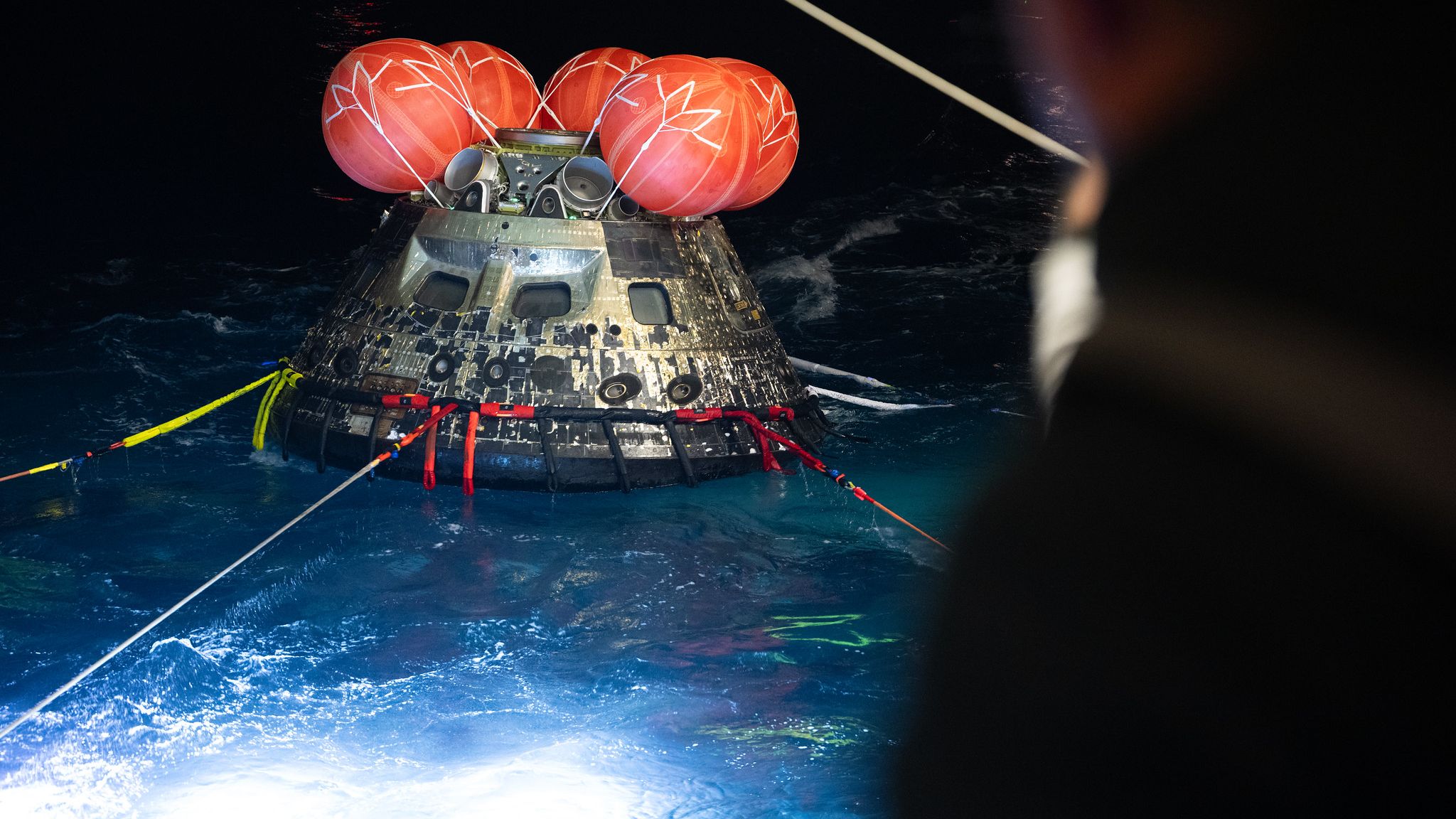
With the astronauts safely aboard, recovery teams set to work towing the charred Orion spacecraft into the well deck of the USS John P. Murtha. Prior to being moved, the capsule was fitted with an inflatable collar and other buoyancy aides to keep it in the upright "Stable-1" position.
16 - Journey's end
Reid Wiseman points at the American flag, charred but visible on the outer hull of the Orion spacecraft. (Image credit: NASA)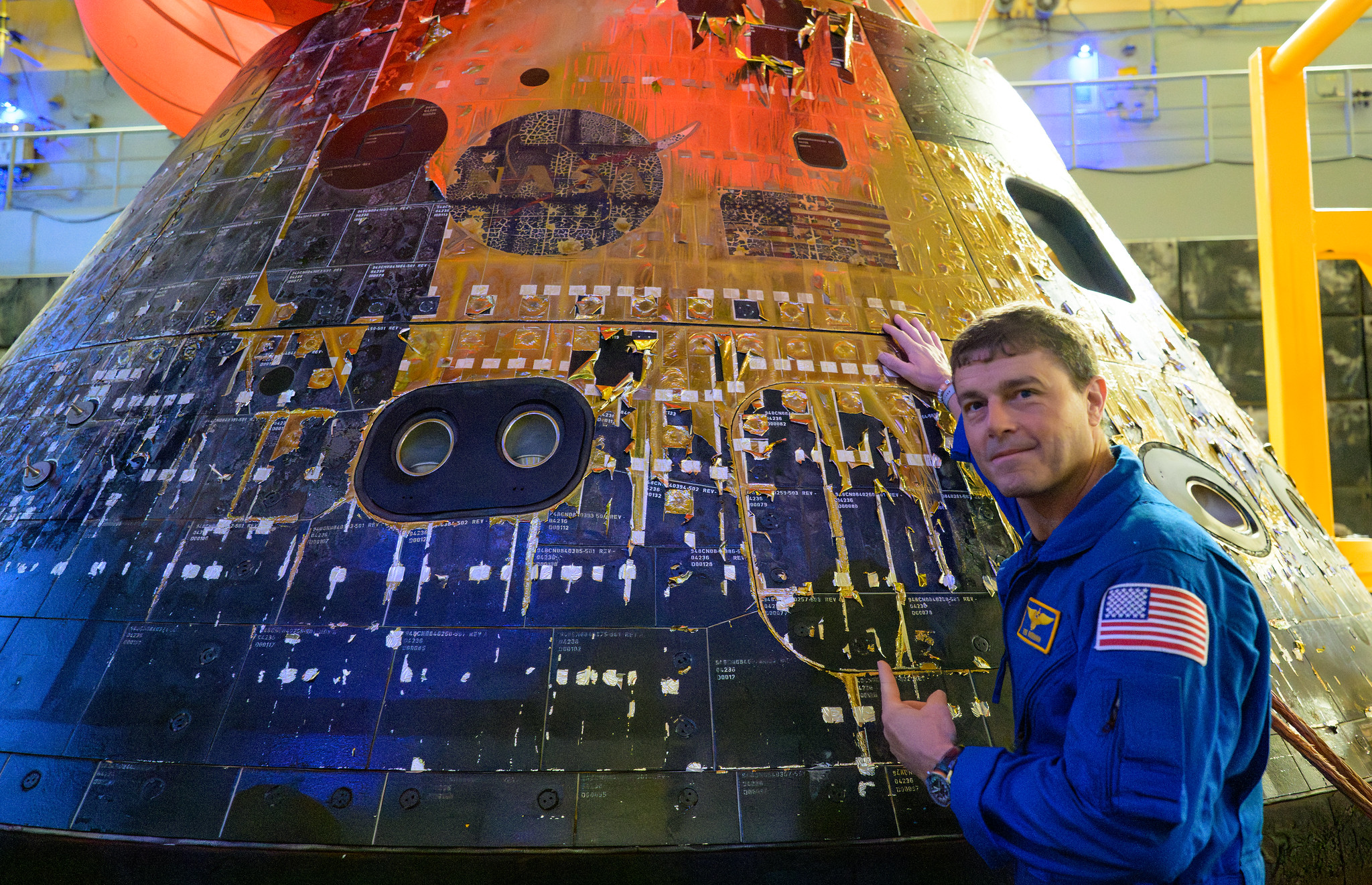
Having returned safely to Earth, Artemis 2 commander Reid Wiseman rests a hand on the scorched outer hull of the Integrity capsule as it rests on the well deck of the recovery ship. Its NASA logo and American flag are charred but visible above the nozzles of attitude control thrusters, having survived the hostile environment of interplanetary space, and the fires of re-entry.
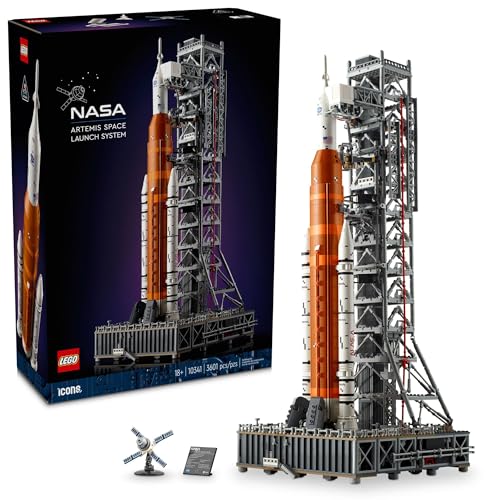
The most detailed Artemis SLS Lego set, this adult-aimed model has 3,601 pieces and stands 28-inches (71 cm) tall. We thought "Lego has knocked it out of the park" in our full build review. Don't forget about the newer, more compact and much cheaper Lego Technic SLS set, only $60, also 'launches' with some clever Technic moving parts.
Want more Artemis 2 stories? Then why not find out what astronauts Wiseman, Koch, Hansen and Glover thought of their historic moon mission in their own words? Be sure to check out our Artemis Program explainer article while you're at it, and discover what NASA has planned for Artemis 3, and beyond.
 Anthony WoodSkywatching Writer
Anthony Wood joined Space.com in April 2025 after contributing articles to outlets including IGN, New Atlas and Gizmodo. He has a passion for the night sky, science, Hideo Kojima, and human space exploration, and can’t wait for the day when astronauts once again set foot on the moon.
View MoreYou must confirm your public display name before commenting
Please logout and then login again, you will then be prompted to enter your display name.
Logout MORE FROM SPACE... 1'God of Chaos' asteroid Apophis will blaze across the sky on April 13, 2029 — here's why this once-in-a-lifetime event is worth traveling for
- 2A worst-case solar storm could knock out satellites, GPS and power grids, report warns
- 3From spa to boat party: 10 epic events for the Aug. 12, 2026, total solar eclipse in Spain and Iceland
- 4'The most special thing that will ever happen in my life': Artemis 2 astronauts describe their epic moon mission
- 5This Week In Space podcast: Episode 205 — All About Artemis