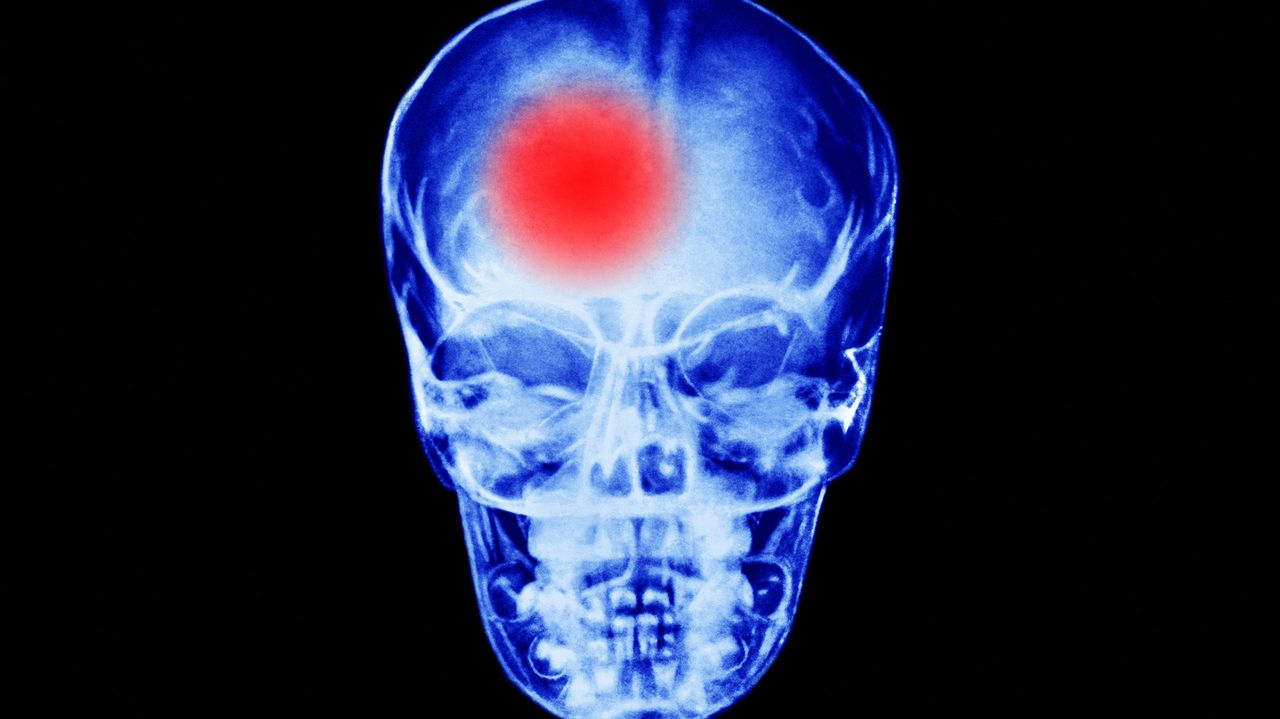
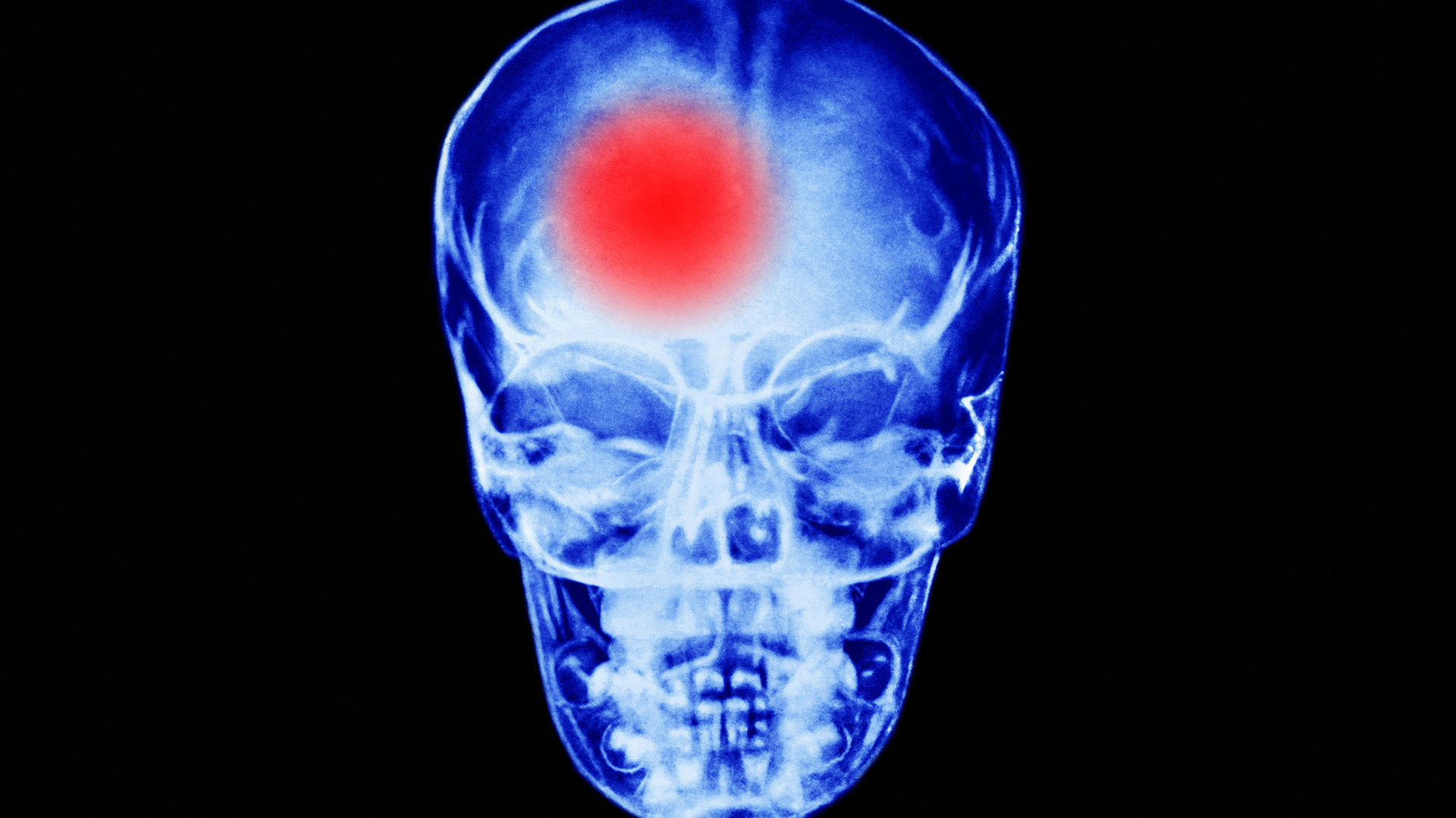
 In a surprising study, both low and high heart rates were tied to a higher risk of stroke than middle-of-the-road heart rates. (Image credit: Peter Dazeley via Getty Images) Share this article 0 Join the conversation Add us as a preferred source on Google Newsletter Subscribe to our newsletter
 A low resting heart rate is often seen as a sign of good health, but now, a large study suggests that both very low and very high heart rates may be linked to an increased risk of stroke.
The findings, presented May 6 at the European Stroke Organisation Conference 2026 in Maastricht, Netherlands, are based on data from nearly 460,000 people whose data is included in the UK Biobank, a large repository of health data from U.K. adults. On average, each person was monitored for 14 years, and researchers recorded more than 12,000 cases of stroke among the participants.
"When we looked across the data, the lowest risk was in the middle, around 60 to 69 beats per minute, and increased at both ends," said first author Dr. Dexter Penn, a clinical fellow in cerebrovascular disease at Imperial College London. "The common idea is that the higher the heart rate, the higher the stroke risk, but the relationship isn't as linear as it seems," he told Live Science.
The study included people ages 40 to 69. Compared with the people whose heart rates were in the middle range, people with heart rates at or above 90 beats per minute (bpm) had a 45% higher stroke risk. Those with heart rates below 50 bpm had a 25% higher risk, even after the researchers adjusted for other factors that affect the likelihood of stroke, such as age, blood pressure and atrial fibrillation (AFib), a common form of irregular heart rhythm.
So the U-shaped pattern was seen in people without any history of AFib.
I would advise people to mention it to their doctor and continue managing established cardiovascular risk factors, such as high blood pressure, diabetes and high cholesterol.
Dr. Sanskriti Mishra, assistant professor of neurology at Hackensack Meridian School of Medicine in New Jersey
"That's likely because atrial fibrillation itself is such a strong risk factor that it masks any additional signal from heart rate," said study co-author Alastair Webb, a stroke medicine researcher at Imperial College London. "In people without AF[ib], resting heart rate may act as a marker of underlying risk, though we need more data to confirm how reliable it is."
Sign up for the Live Science daily newsletter nowContact me with news and offers from other Future brandsReceive email from us on behalf of our trusted partners or sponsorsDr. Sanskriti Mishra, an assistant professor of neurology at Hackensack Meridian School of Medicine in New Jersey who was not involved in the study, said the results are clinically relevant because resting heart rate is easy to measure. "It may help flag cardiovascular risk in patients at either extreme," she said.
However, she emphasized that the findings are observational, meaning they cannot show that high or low heart rate directly causes stroke. More research is needed to confirm the exact relationship between the two.
When the data was broken down by stroke type, very low heart rates were linked specifically to ischemic stroke, which is caused by blocked blood flow to the brain. High heart rates were associated with both ischemic and hemorrhagic strokes, the latter of which involves bleeding in the brain.
It may be that lower heart rates stretch the pause between heartbeats, potentially reducing steady blood flow to small brain vessels and making blockages more likely, Penn suggested. Meanwhile, higher heart rates may increase stress on blood vessel walls, making them more vulnerable to both blockages and bleeds. "But these are still hypotheses," he said.
Webb cautioned that the findings should not cause anyone to panic.
Related stories- A 'normal' resting heart rate may not be so normal after all
- How many times does a heart beat in a day? What about in a lifetime?
- An otherwise 'fit' man had a stroke after drinking 8 'high-potency' energy drinks a day
"A low resting heart rate can still mean good fitness, particularly in physically active people," he said. "But in others, it may be a useful signal worth considering alongside traditional risk factors."
Mishra agreed that a low heart rate is often normal in both healthy adults and athletes. "Still, I would advise people to mention it to their doctor and continue managing established cardiovascular risk factors, such as high blood pressure, diabetes and high cholesterol," she said.
The findings of the new study have not been published in a peer-reviewed journal yet.
DisclaimerThis article is for informational purposes only and is not meant to offer medical advice.
Article SourcesPenn, D., Gill, F., Warrington, O., Webb, A. (2026). Reduced and elevated resting heart rates predict risk of stroke, independently of atrial fibrillation: A UK Biobank analysis. Oral presentation. European Stroke Organisation Conference (ESOC) 2026.
What do you know about the body's hardest-working muscle? Find out with our heart quiz!
 Isha IshtiaqLive Science Contributor
Isha Ishtiaq is a freelance medical and health writer with a B.S. (Hons) in Biotechnology and an M.S. in Biological Sciences. She specializes in creating clear, trustworthy content that connects science with everyday life. She believes effective health communication builds trust, supports informed decisions, and respects the real people behind every question.
View MoreYou must confirm your public display name before commenting
Please logout and then login again, you will then be prompted to enter your display name.
Logout