Media
DOJ defends White House media ban, urges court to reject lawsuit September 23, 20265:06 AM ET
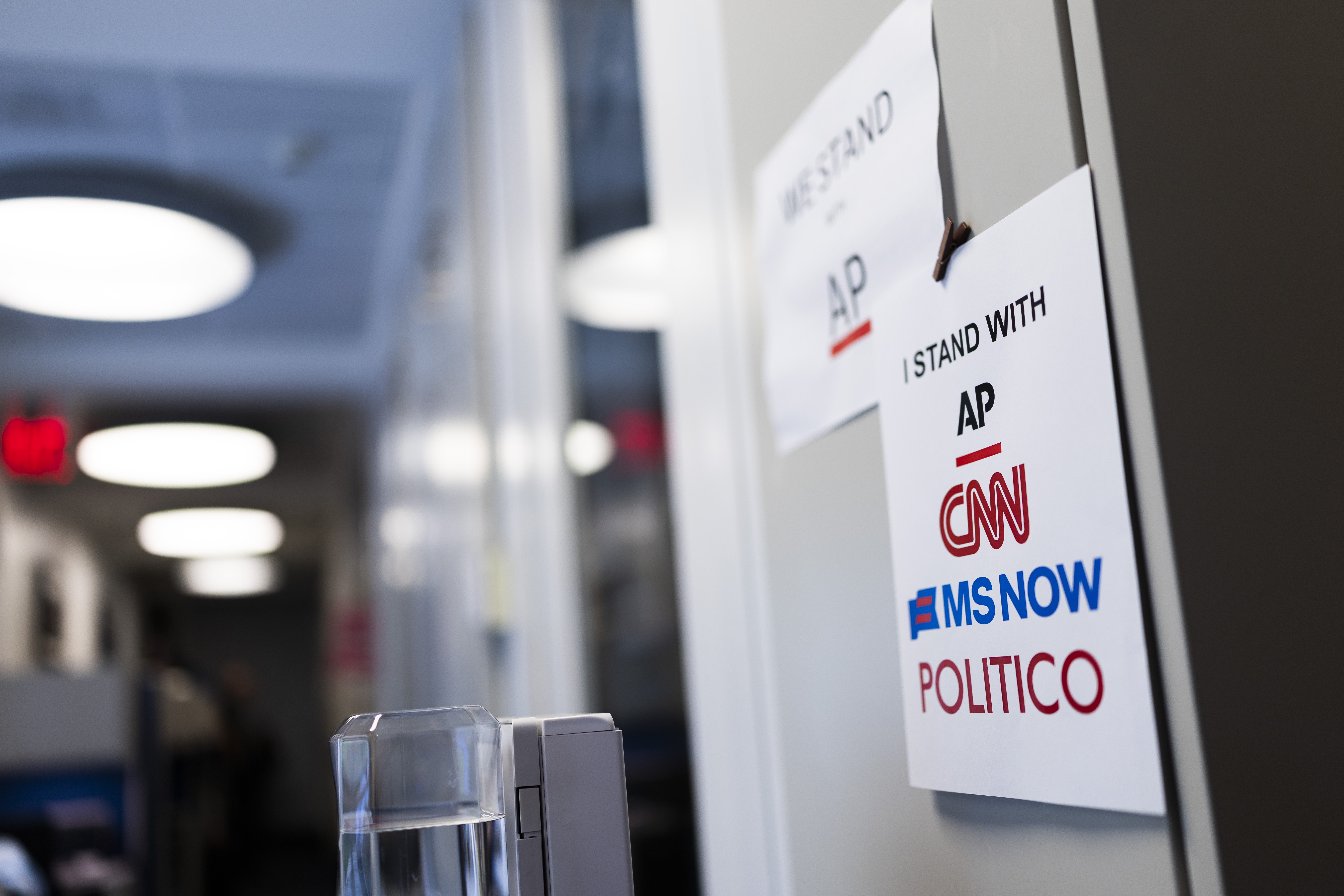
Signs of support for AP, CNN, MS NOW and POLITICO hang on the White House grounds on September 21, 2026 in Washington, DC. Finn Gomez/Getty Images hide caption
toggle caption Finn Gomez/Getty ImagesWASHINGTON — The Department of Justice defended President Trump's recent media ban, arguing that reporting by CNN, MS Now and Politico on a wide range of issues — from the White House ballroom construction, to the reported depletion of ammunition during the Iran war, and the Republican midterm convention — jeopardized national security and spread falsehoods.
Media
CNN, MS NOW and Politico sue Trump after being barred from White House
In a late Tuesday court filing, in response to the lawsuit filed on Monday by the three media organizations, the DOJ asked the court to deny the request of the news outlets to have their access to the White House restored.
The filing from the Department of Justice included White House letters, dated Sept. 22, where it accuses the three barred media outlets of "trafficking in verifiable falsehoods about national security and other issues, and publishing sensitive or classified information."
The DOJ response came just hours before an emergency session by the federal court in Washington, D.C., planned for Wednesday afternoon in a case that will further test the First Amendment protections under the Trump administration.
CNN, MS NOW and Politico filed a lawsuit against Trump on Monday for violating their constitutional rights after his administration revoked White House press credentials to the outlets' journalists.
Media
Major news outlets banned by Trump will have their day in court
"This ban could not be a more direct assault on the First Amendment nor a more blatant violation of our most fundamental constitutional principles," said the lawsuit, filed in federal court in Washington, D.C.
The lawsuit cites the news organizations' First Amendment rights not to be punished by the federal government over their news coverage. It also cites their Fifth Amendment rights to due process: the government cannot take away rights or privileges without any warning or process to intercede or appeal the decision.
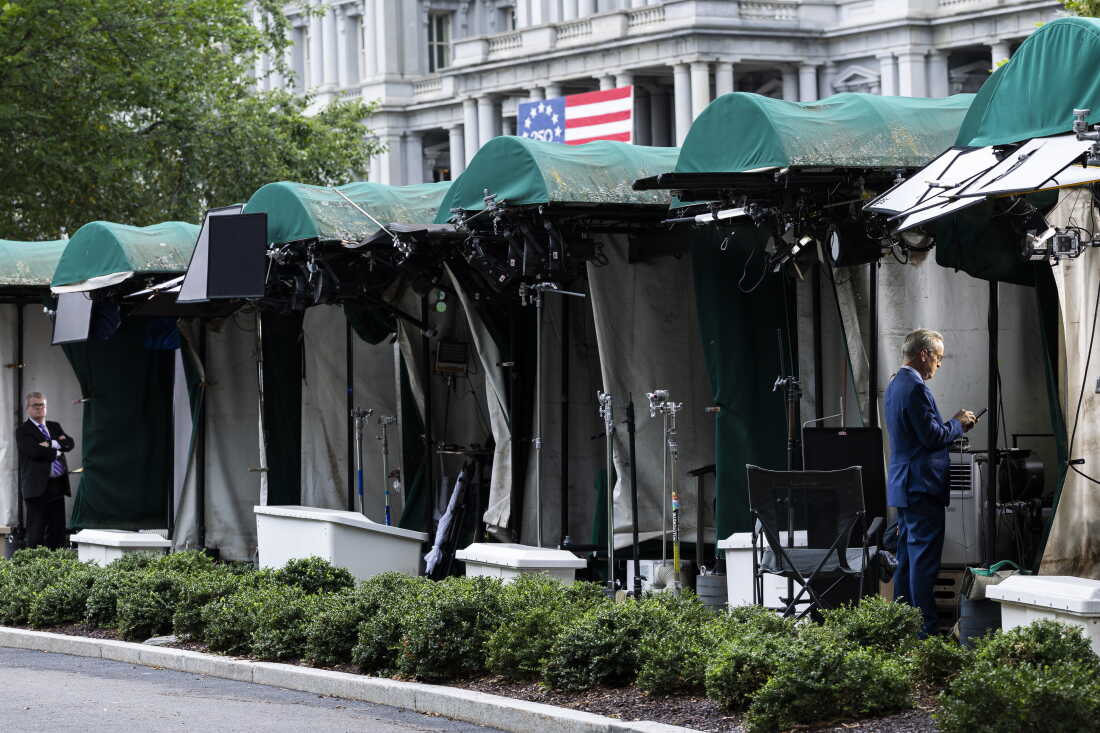
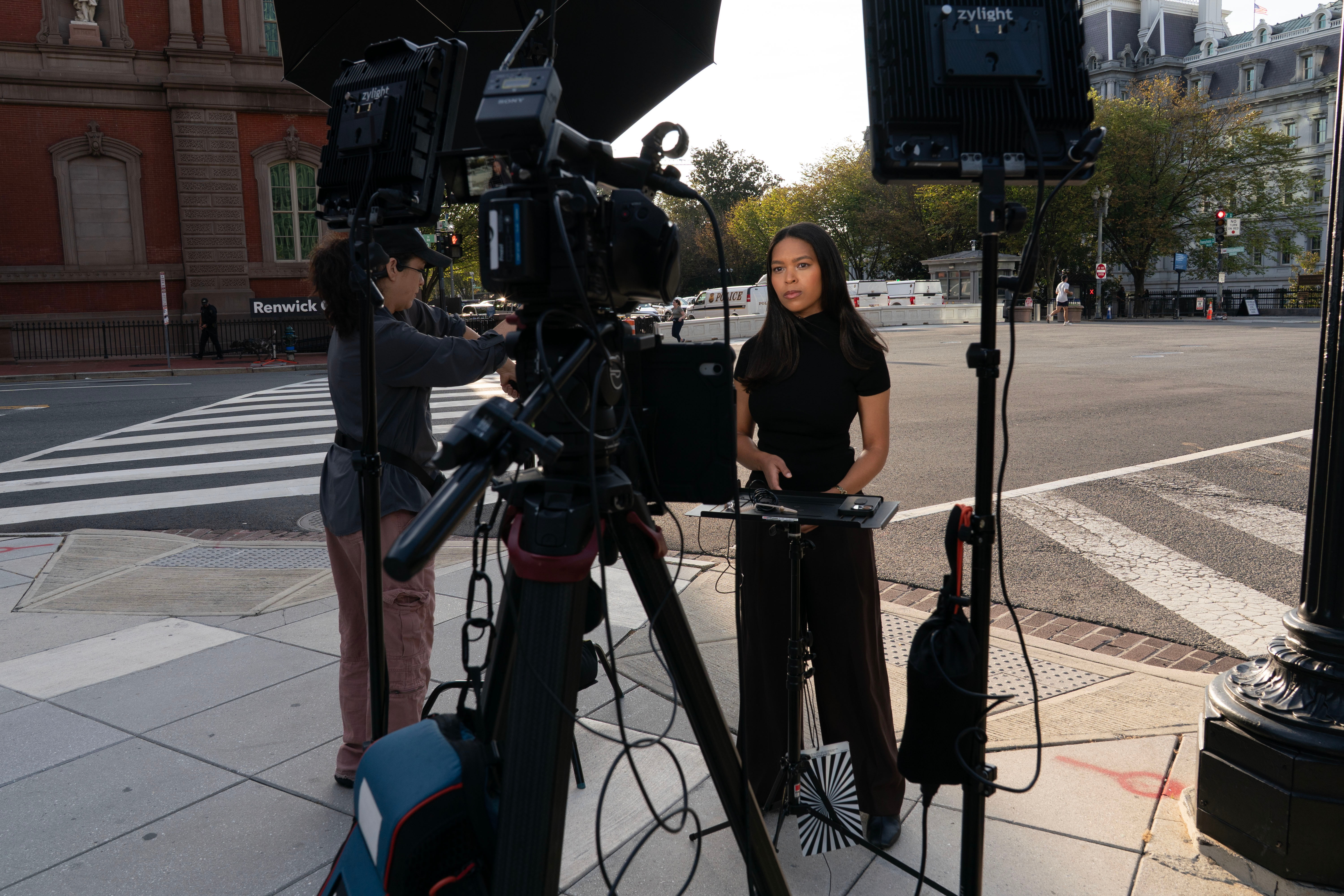
White House TV correspondents prepare to go live as the CNN booth is empty on the White House grounds on September 21, 2026 in Washington, DC. Finn Gomez/Getty Images hide caption
toggle caption Finn Gomez/Getty ImagesIn its Tuesday's filing, the DOJ argued that Trump revoked access to White House grounds to the three media outlets because he "concluded that they have failed to maintain basic minimum standards of professionalism and decorum" and for "publishing sensitive or classified information."
"After all, access to the White House is a privilege—not a right," the DOJ argued.
In letters to CNN and MS Now, the White House alleged that the news outlets had jeopardized national security or spread falsehoods by publishing details relating to the construction of the White House's East Wing bunker to depletion of U.S. ammunition stockpiles during the Iran war.
The instances cited in the White House letter to Politico sought to contest the outlet's reporting on the Trump administration's lifting of sanctions against Russia, and rebuked Politico's reporting on the Republicans' midterm convention in Dallas as "a disaster."
The letters were dated Sept. 22, four days after Trump denied outlets access to the White House. The White House set a Friday deadline for the banned media to submit written complaints to contest Trump's decision.
Politics
White House launches 'Trump TV' after ban on major news outlets
The ban on three news organizations is the latest instance of Trump's attempt to restrict the press. In his first term, he revoked press credentials for Jim Acosta, then a CNN White House correspondent. Trump denied access to the Oval Office and Air Force One to the Associated Press over its refusal to call the Gulf of Mexico by Trump's preferred name of Gulf of America, and that case is still in the courts.
On Friday, he told reporters at the White House that his decision to ban CNN, MS Now and Politico had not been sparked by any specific reporting but the accumulation of what he called two years of unfair and negative coverage.
NPR does not offer or accept money for coverage or interviews. Anyone who makes such an offer or request is not an NPR employee and does not represent NPR.