Even a 41-year-old James is going to draw a significant salary, but that may take more than a few teams out of the running
 By Sam Quinn May 20, 2026 at 6:56 pm ET • 3 min read
  Getty Images
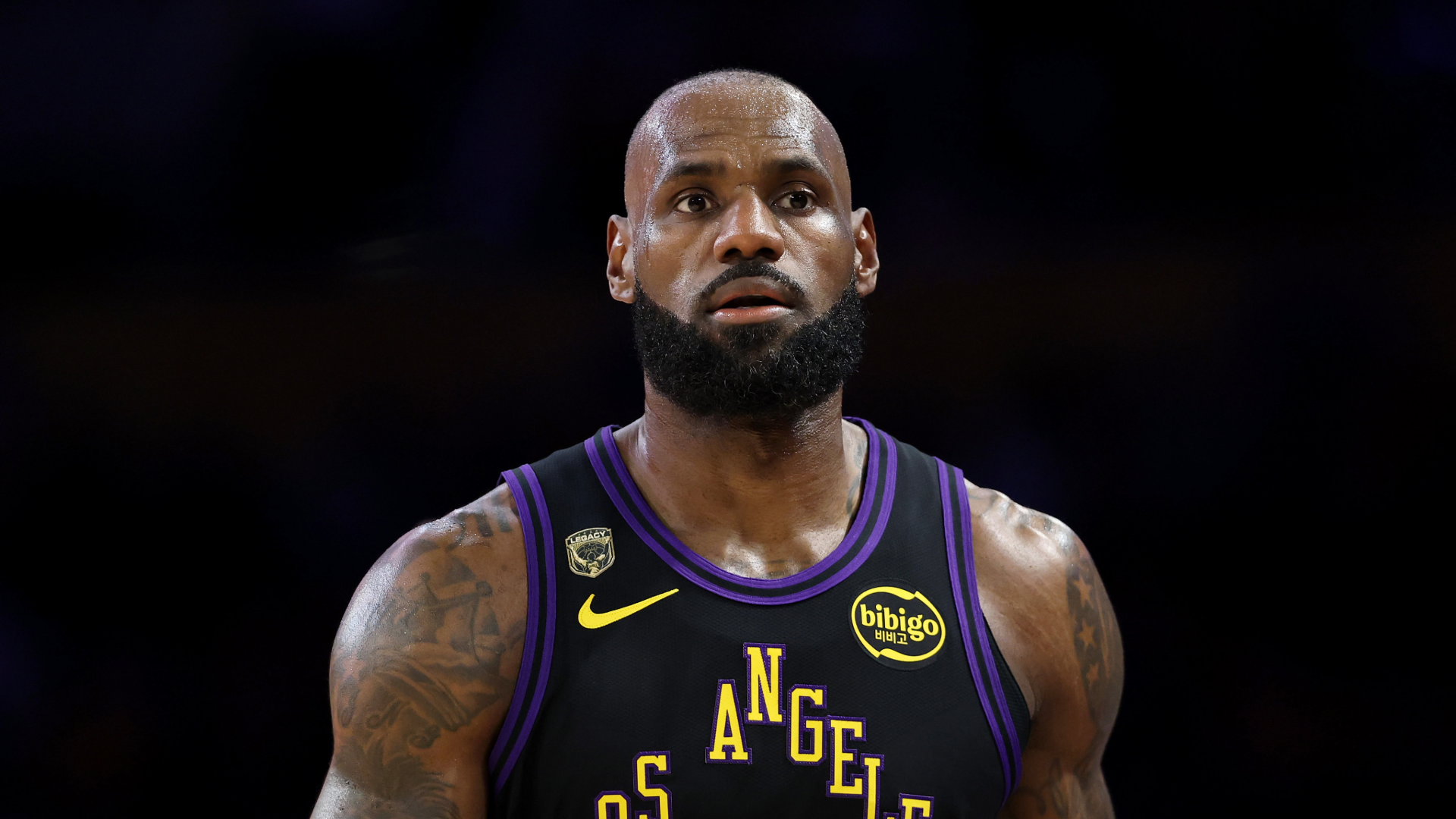
 LeBron James for a minimum salary? For most of his career, that seemed like a fantasy. With his 2026 free agency approaching, the concept seemed at least somewhat plausible. Though James is worth a good deal more, he is 41 and seemingly eager to contend for a championship. The sort of teams that are capable of doing so tend not to have much more available money than that to offer and, unlike his prior free agencies, he is likely too old at this point for teams to justify moving heaven and earth in order to create the money needed to pay him appropriately.
James is the highest-paid player in NBA history by a wide margin at this point, and he's earned even more money off the court. Anything he earns now, by his standard, is effectively pocket change. But that doesn't mean interested parties should expect the discount. In fact, insider Jake Fischer said Wednesday that James taking a minimum salary "does not sound like that is actually in the cards at all."
James hasn't taken a substantial pay cut since he left the Miami Heat in 2014. It therefore shouldn't be all that surprising to hear that he's not eager to do so now. For some suitors, this registers as a mild disappointment. For others, it functionally removes them from serious contention for LeBron's services. So, whose hopes of securing James just took the biggest hit?
- The Knicks and Nuggets are probably out. New York is already roughly at next season's first apron before re-signing Mitchell Robinson, Landry Shamet or Mo Diawara. The Nuggets are basically at the second apron before re-signing restricted free agent Peyton Watson. Both teams likely would have been thrilled to secure James at the minimum. Neither really has the means to create much more room to pay him.
- The Warriors and Cavaliers have work to do, but both have feasible, albeit difficult, paths to either a mid-level offer or a somewhat hefty sign-and-trade. Cleveland is above next year's projected second apron, but could use James Harden's player option to lower his cap figure in exchange for more guaranteed years. From there, the idea would probably be to dump one mid-sized salary (like a Dennis Schröder or Max Strus) and then trade Jarrett Allen to the center-needy Lakers for James at a number below the $28 million Allen will make next season. If they get James via sign-and-trade, they will have to stay below the first apron. The same is true for the nontaxpayer mid-level exception, which would be Golden State's target. Golden State has about $21 million in room below that line for now, but that doesn't include a new contract for Kristaps Porziņģis or filling out the roster. Still, the Warriors can use the same player option trick with Draymond Green that Cleveland can with Harden, and they can save money in other ways, like trading Moses Moody or attaching picks to Jimmy Butler in some sort of trade for a healthier star.
- If money is a major factor, the Clippers, with a path to $28 million in space in James' current home market, get interesting. The Nets and Bulls have significant cap space, but likely aren't good enough to attract James without further, unforeseeable upgrades. Detroit has about $25 million in cap space even with Jalen Duren's cap hold accounted for, so in theory, the Pistons could pay James real money to replace Tobias Harris, but there has been no reporting linking James to Detroit and market size makes it unlikely.
The Lakers are in financial poll position unless they decide not to be. They have full Bird Rights and can pay James anything up to the max. Their interest in doing so will depend on how they choose to spend their potential $48 million in cap space. If they use all of it on external additions, they'd be limited to the cap room mid-level exception (roughly $9 million) for James. If they use some space on an outside player or two, they could save the rest of it for James. And if they operate above the salary cap, they can run back last year's roster with minimal changes and pay James whatever it takes to keep him.
What exactly they plan to do is not yet clear and depends on a number of variables that aren't yet predictable. In a perfect world, the Lakers likely would have hoped to retain James with as much of a discount as possible. Now, it seems as though keeping him will at least mean devoting real financial resources, but if this postseason was any indication, he's still well worth doing so.
Join the Conversation comments