 Image source, ReutersImage caption,
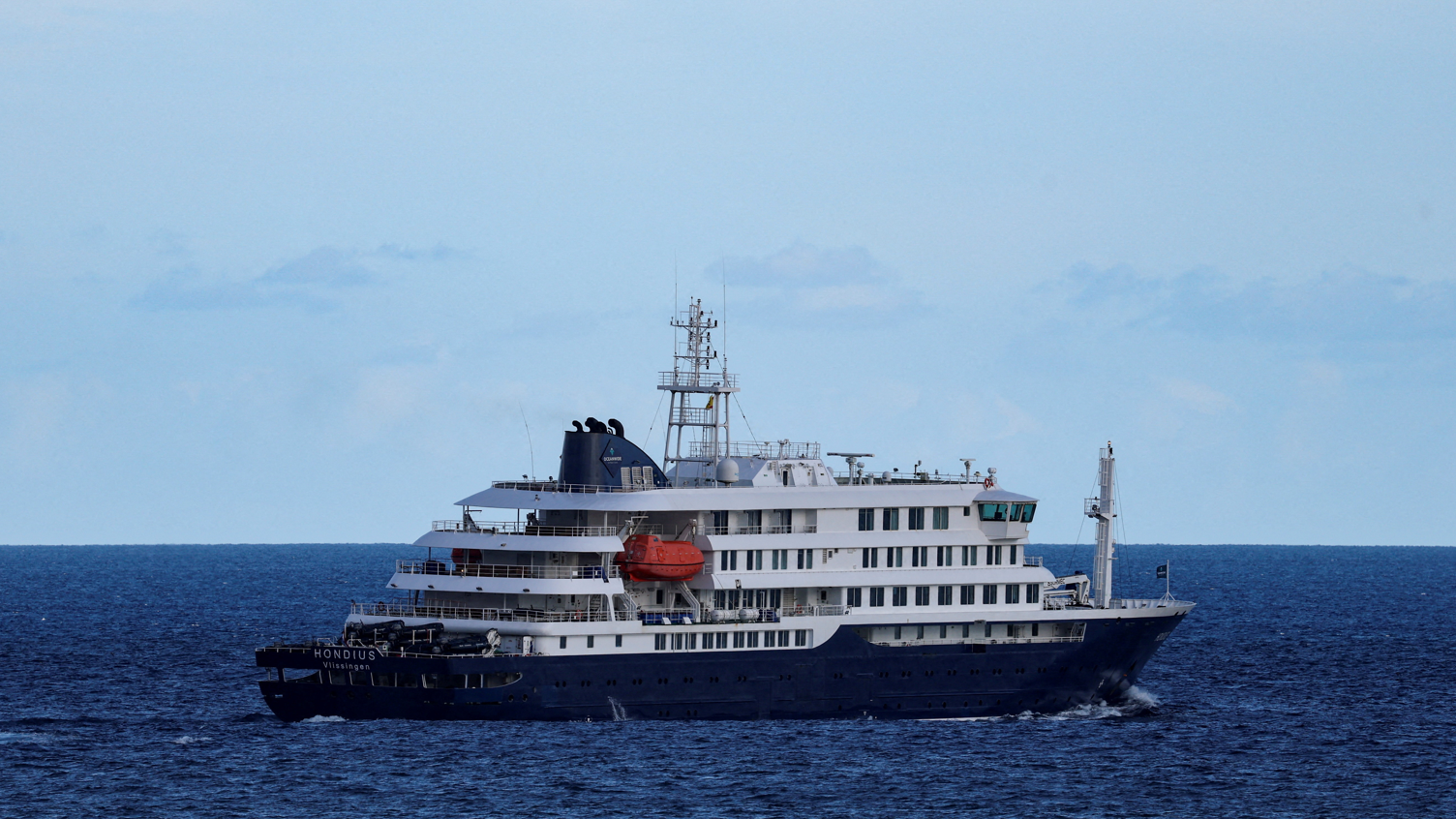
 The MV Hondius
ByAndré Rhoden-Paul- Published29 minutes ago
The hantavirus outbreak that struck passengers on a cruise ship is over, the World Health Organization (WHO) has said.
Director-general Dr Tedros Adhanom Ghebreyesus said the final contact of a person exposed to hantavirus on the MV Hondius had completed their quarantine period, tested negative and returned home.
No further cases have been reported since 25 May and the "WHO considers the hantavirus outbreak over", he added.
The outbreak, which infected 13 people and killed three, involved the Andes virus, a rare hantavirus strain.
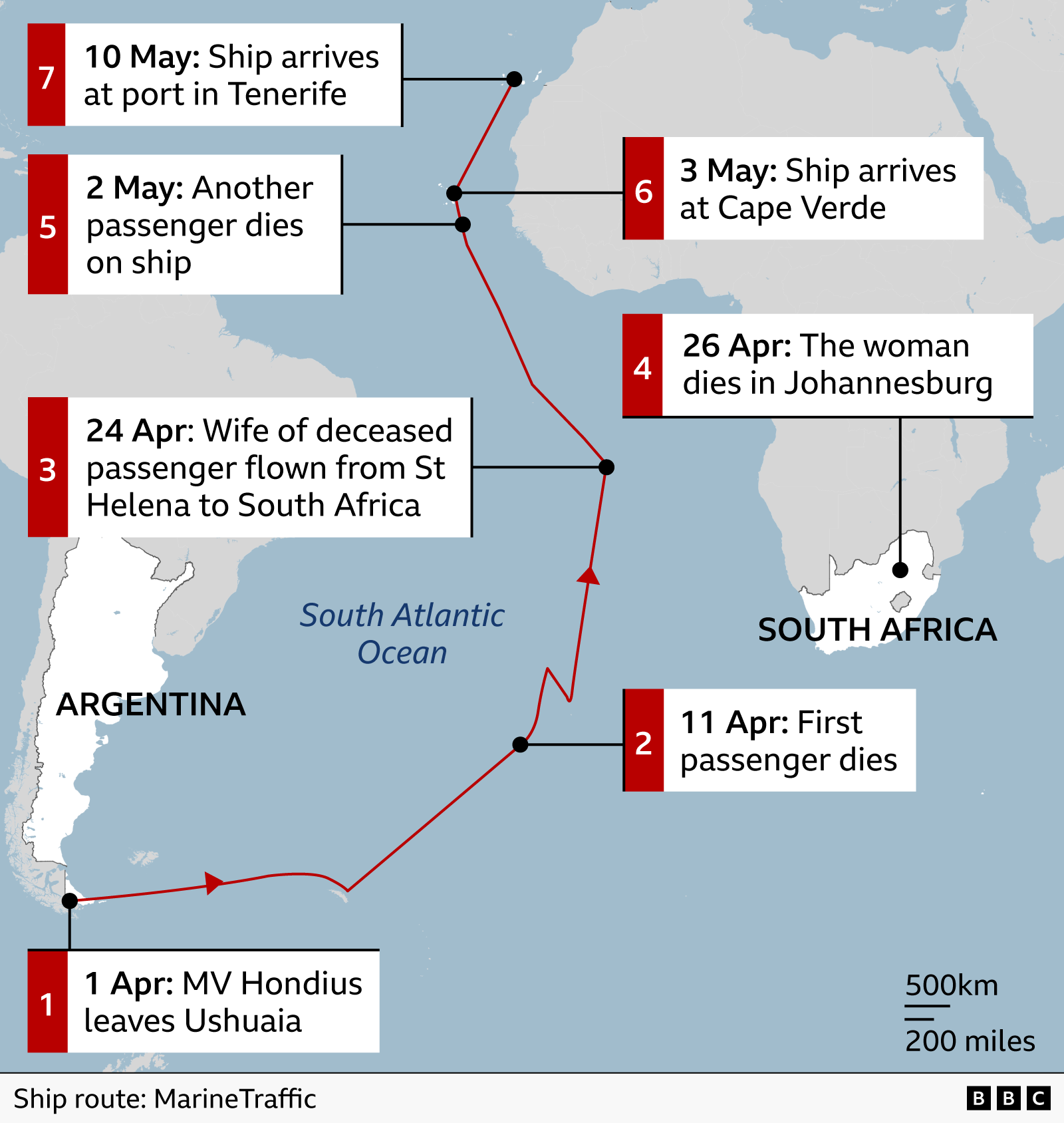
The cruise ship MV Hondius had set off from Argentina on 1 April.
The WHO previously said the first two cases had "travelled through Argentina, Chile and Uruguay on a bird-watching trip which included visits to sites where the species of rat known to carry the virus was present".
Health experts believe that in this case, it may have passed between humans who were in close contact.
On Thursday, the WHO said more than 650 contacts had been identified and followed up by authorities in 33 countries and territories.
It said it would continue to work with governments and partners to advance its understanding of the outbreak and of hantavirus generally.
WHO medical officer Dr Diana Rojas Alverez, speaking at a briefing, said: "Andes virus and other hantaviruses are still a public health risk for South America, and some other endemic areas...
"What we need to continue doing is to keep monitoring this virus, keep preparing for further spread."
Hantavirus typically spreads from rodents, with people infected by breathing in air contaminated with virus particles from rodent urine, droppings or saliva.
Symptoms can include fever, extreme fatigue, muscle aches, stomach pain, vomiting, diarrhoea and shortness of breath.
They usually appear between two to four weeks after being exposed to the virus, but can occur more than a month later, which is why the recommended isolation period for the passengers was so long.
Passengers, who were not medically evacuated, disembarked in Tenerife, Spain, in May before they were flown home.
Related topics
What is hantavirus and how does it spread?
- Published10 May
Hantavirus survivor says sickness was like 'hell on earth'
- Published7 May

Hantavirus: Your questions answered
- Published7 May